Angel Invest Form Without Being Accredited In Riverside
Description

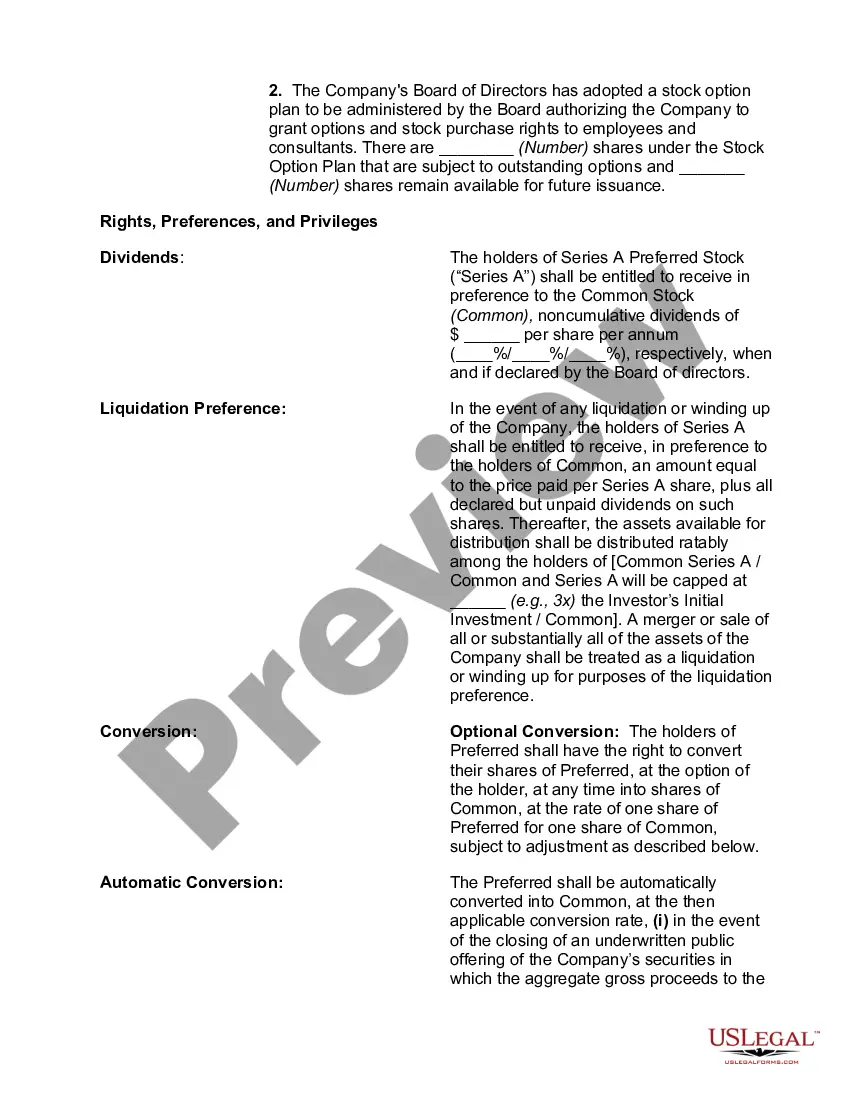
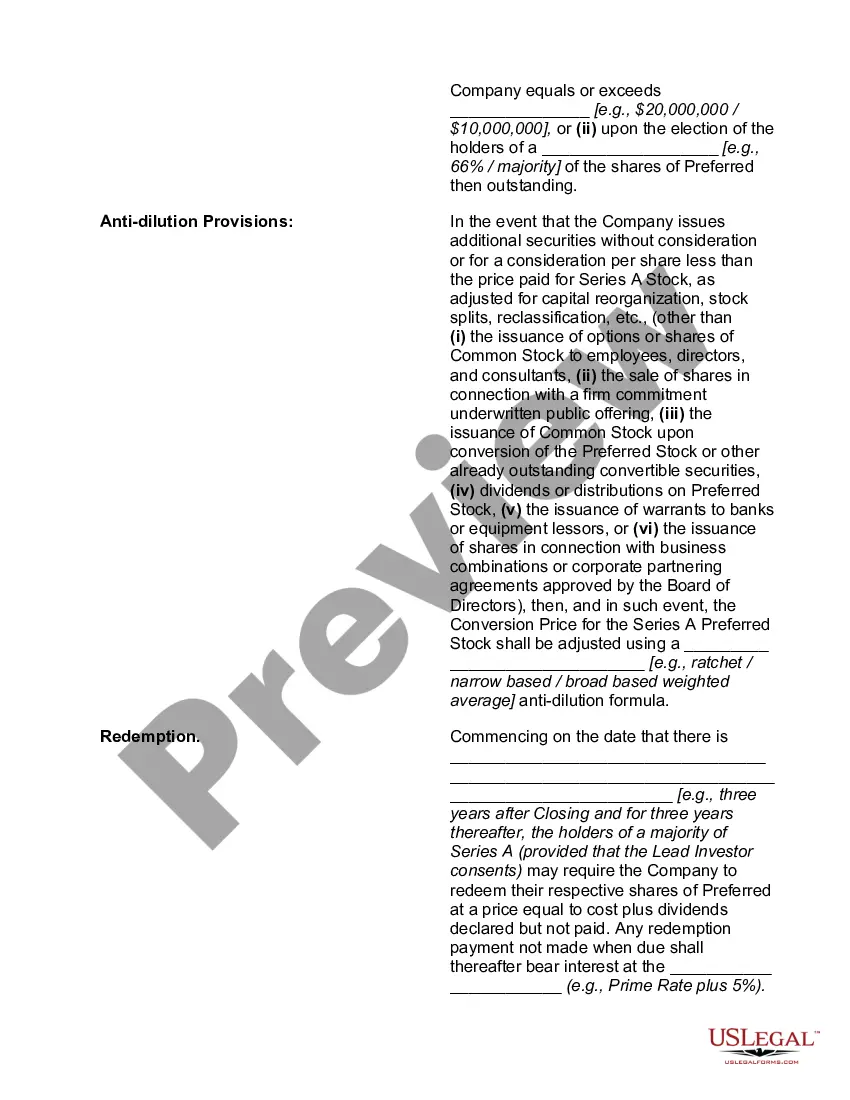
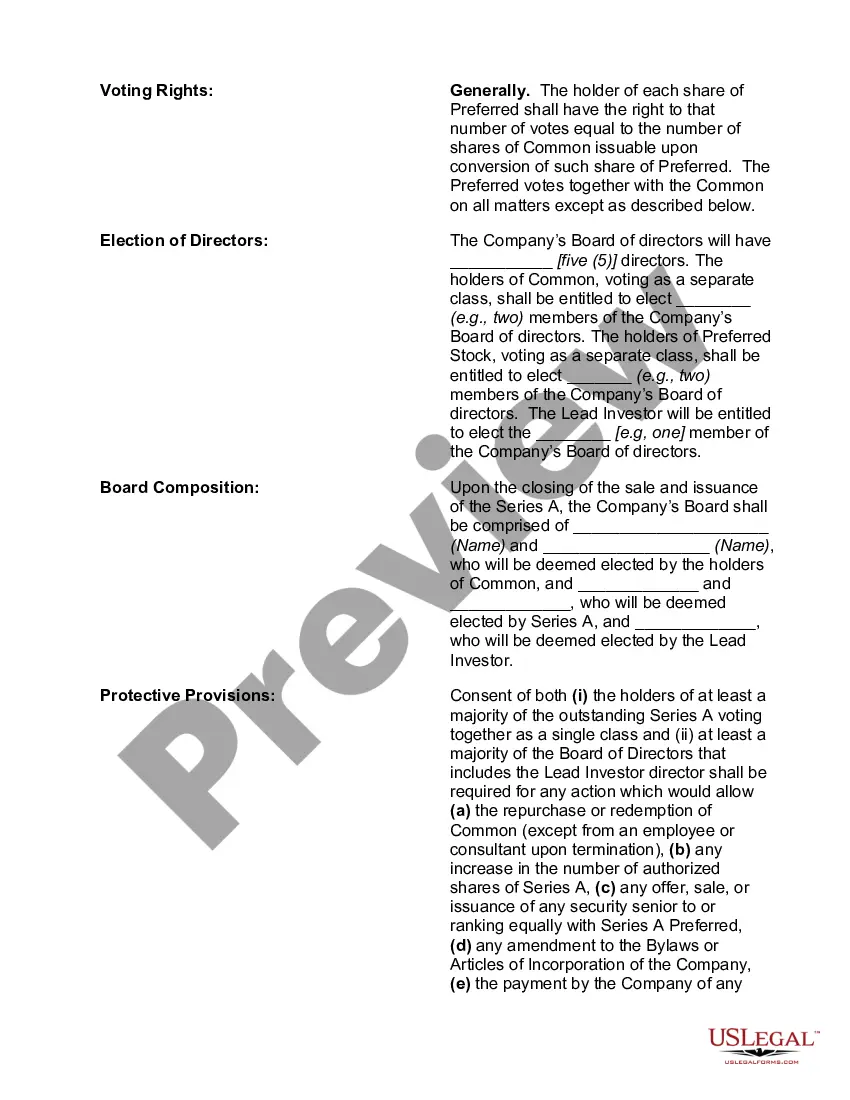
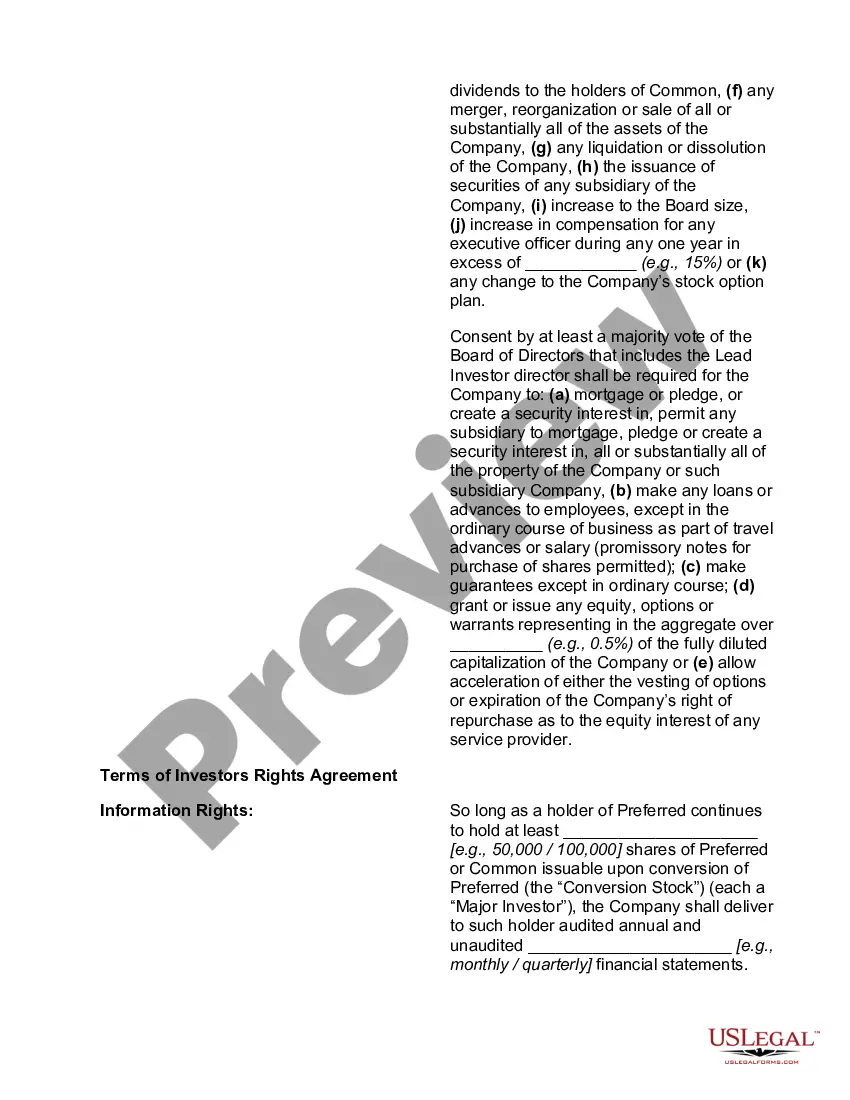
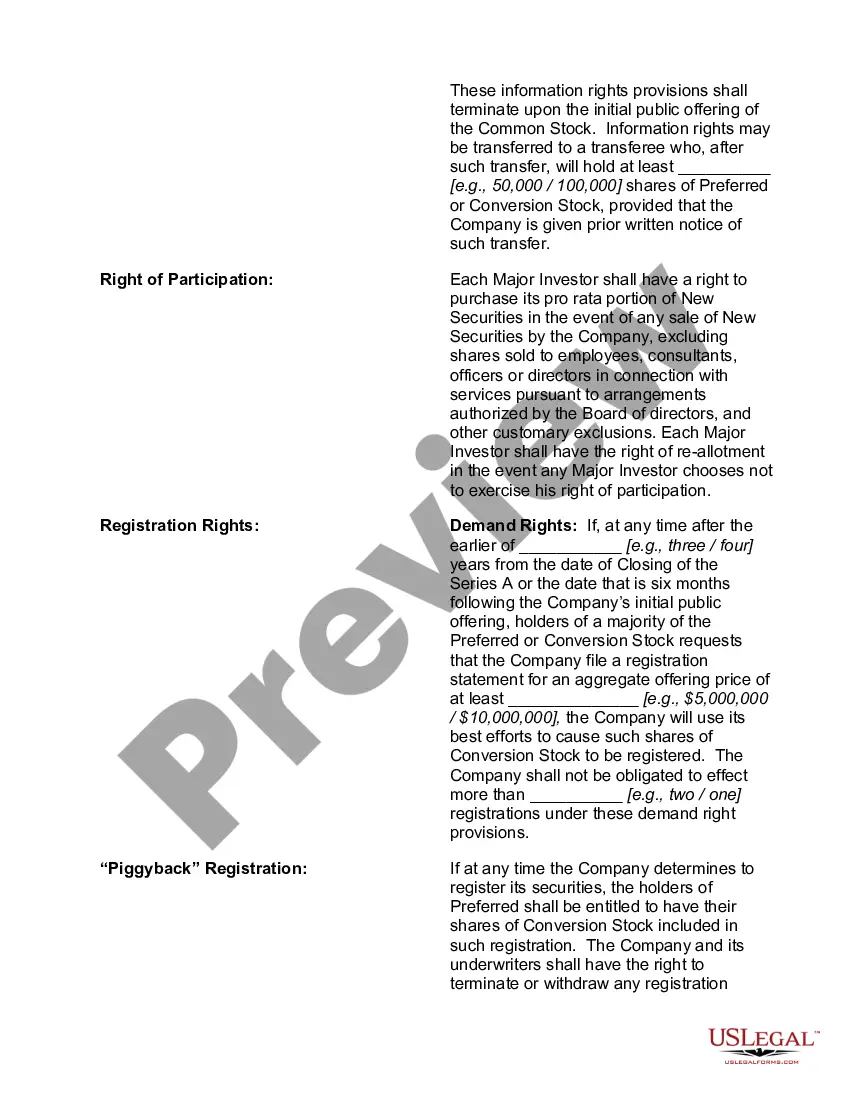
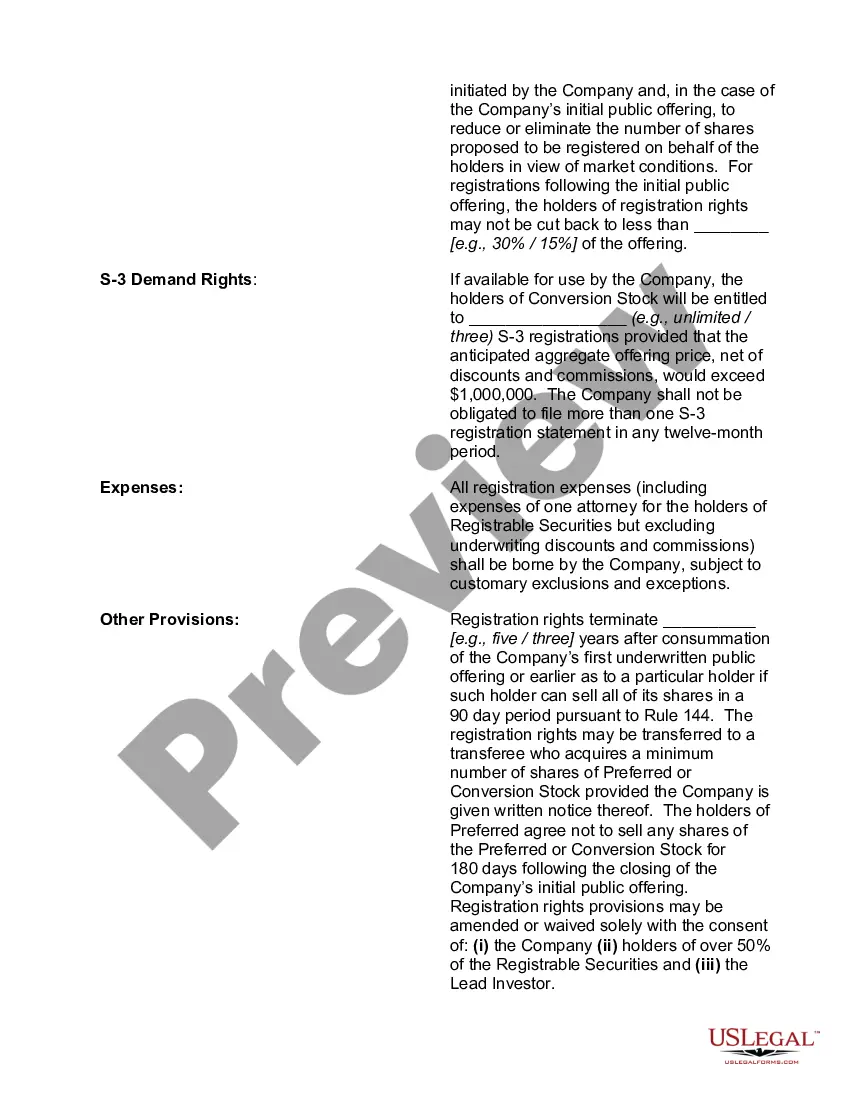
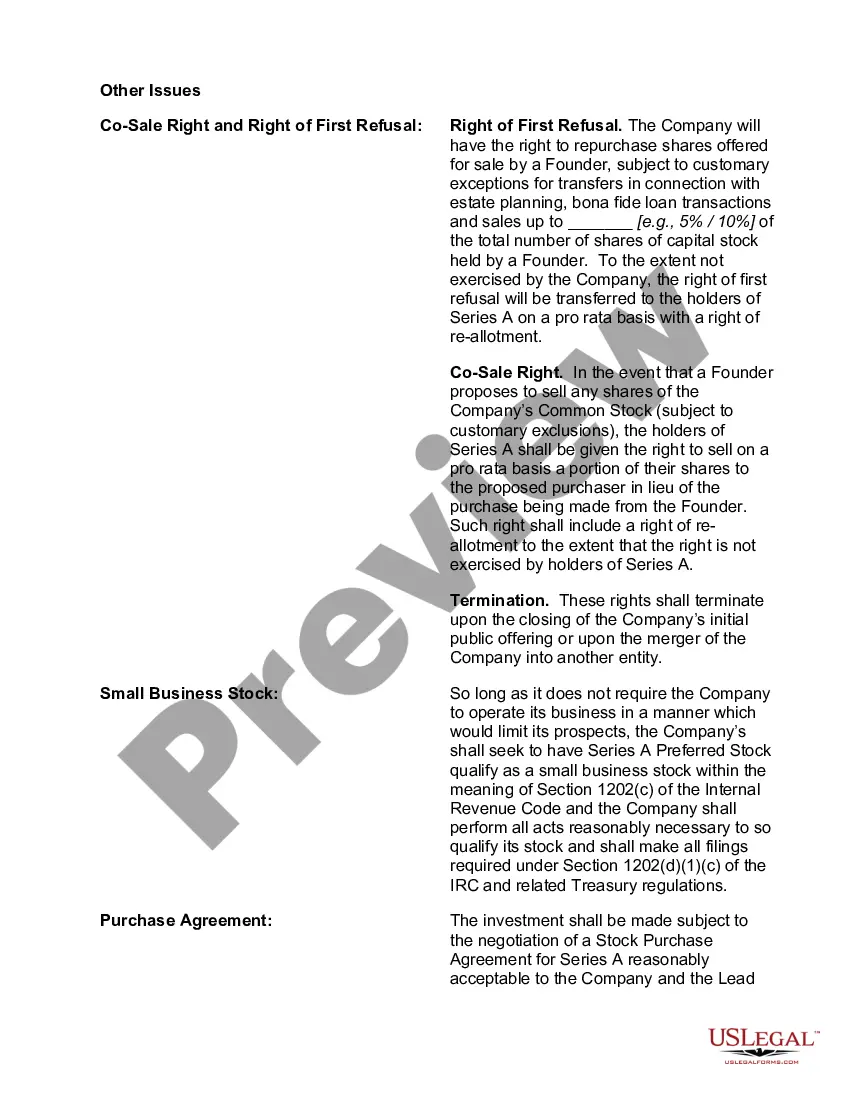
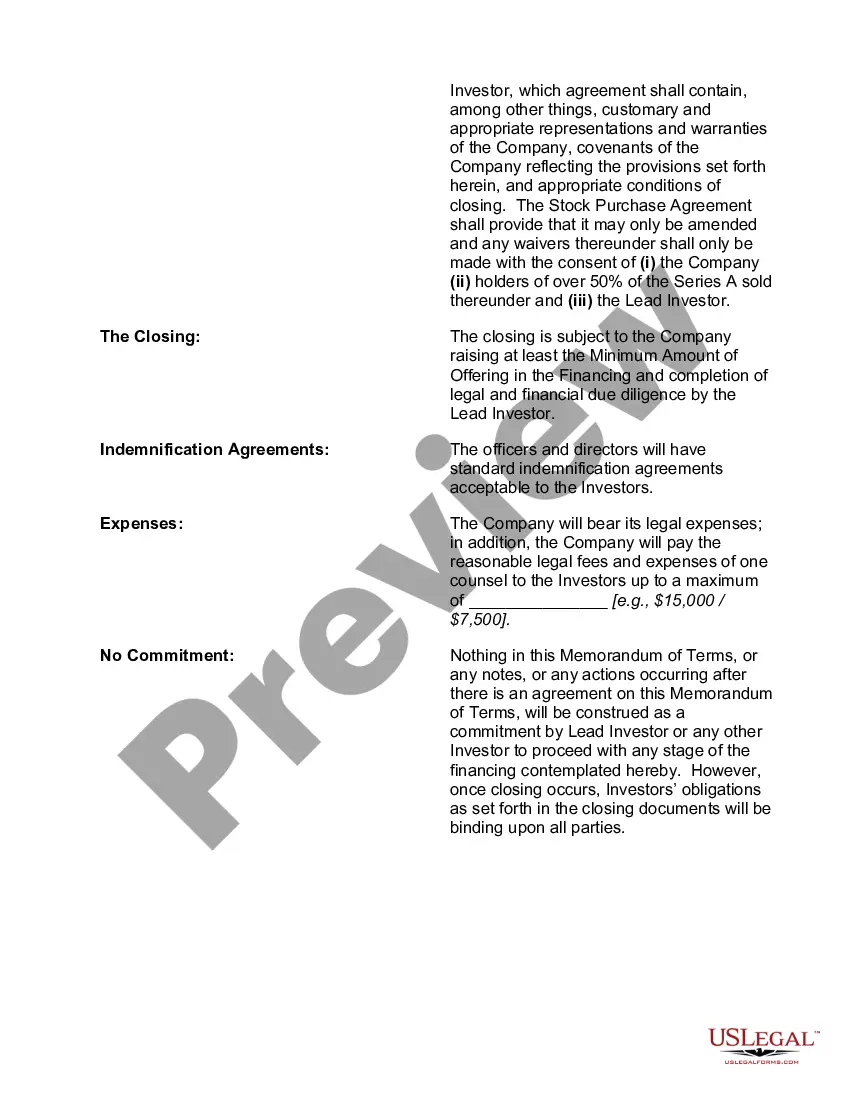
Get your form ready online
Our built-in tools help you complete, sign, share, and store your documents in one place.
Make edits, fill in missing information, and update formatting in US Legal Forms—just like you would in MS Word.
Download a copy, print it, send it by email, or mail it via USPS—whatever works best for your next step.
Sign and collect signatures with our SignNow integration. Send to multiple recipients, set reminders, and more. Go Premium to unlock E-Sign.
If this form requires notarization, complete it online through a secure video call—no need to meet a notary in person or wait for an appointment.
We protect your documents and personal data by following strict security and privacy standards.

Make edits, fill in missing information, and update formatting in US Legal Forms—just like you would in MS Word.

Download a copy, print it, send it by email, or mail it via USPS—whatever works best for your next step.

Sign and collect signatures with our SignNow integration. Send to multiple recipients, set reminders, and more. Go Premium to unlock E-Sign.

If this form requires notarization, complete it online through a secure video call—no need to meet a notary in person or wait for an appointment.

We protect your documents and personal data by following strict security and privacy standards.
Looking for another form?
Form popularity
FAQ
accredited investor, therefore, is anyone making less than $200,000 annually (less than $300,000 including a spouse) that also has a total net worth of less than $1 million when their primary residence is excluded.
Non-accredited investors face some restrictions designed to protect them from high-risk investments. These include: Investment Limits: Under Regulation Crowdfunding (Reg CF), non-accredited investors can invest a maximum of: 5% of the lesser of their annual income or net worth if either is below $107,000.
4 Opportunities for Non-Accredited Investors Regulation Crowdfunding (Title III) ... Regulation A Offerings. Real Estate Crowdfunding. Interval and Closed-End Funds.
Non-accredited investors are limited by the SEC from some investment opportunities for their own financial safety. The SEC also set regulations on the disclosure and documentation of the investments available to the investors. For example, non-accredited investors are eligible to invest in mutual funds.
There is no course or requirement to become an angel investor. Many Angel investors are accredited investors, but ing to the SEC, angel investors do not have to be accredited.
Both accredited and non-accredited investors can invest in a public REIT or PNLR. For a private REIT, investors must be accredited. Investors can also invest in public non-listed REITs through an online real estate investment platform, such as 1031 Crowdfunding.
In general, a REIT must derive at least 95% of its gross income from certain passive sources and at least 75% of its gross income from certain real estate related sources. Similarly, at least 75% of the value of a REIT's assets must be attributable to certain real estate related assets.
What Are the Limitations of a Non-Accredited Investor? 5% of the lesser of their annual income or net worth if either is below $107,000. 10% of the lesser of their annual income or net worth if both are above $107,000, but not exceeding $107,000 in total investments across all offerings in a 12-month period.
