Angel Invest Form Without Being Accredited In Queens
Description

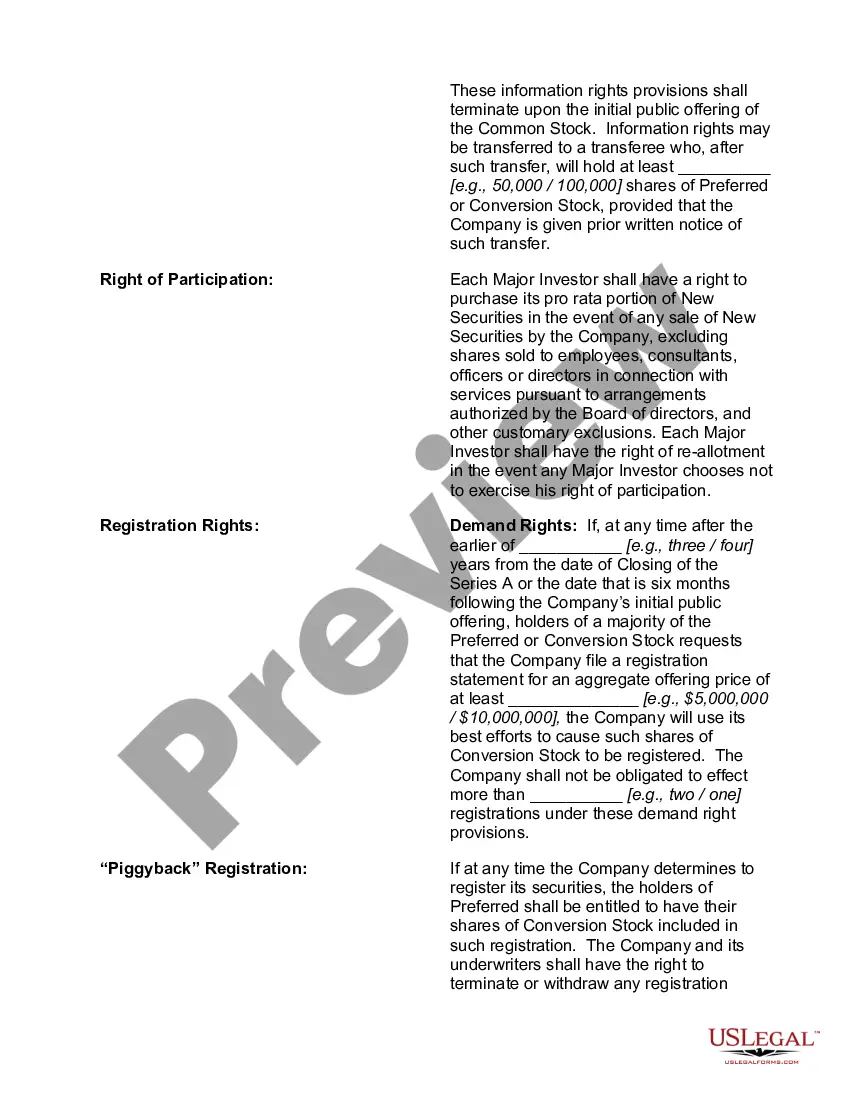
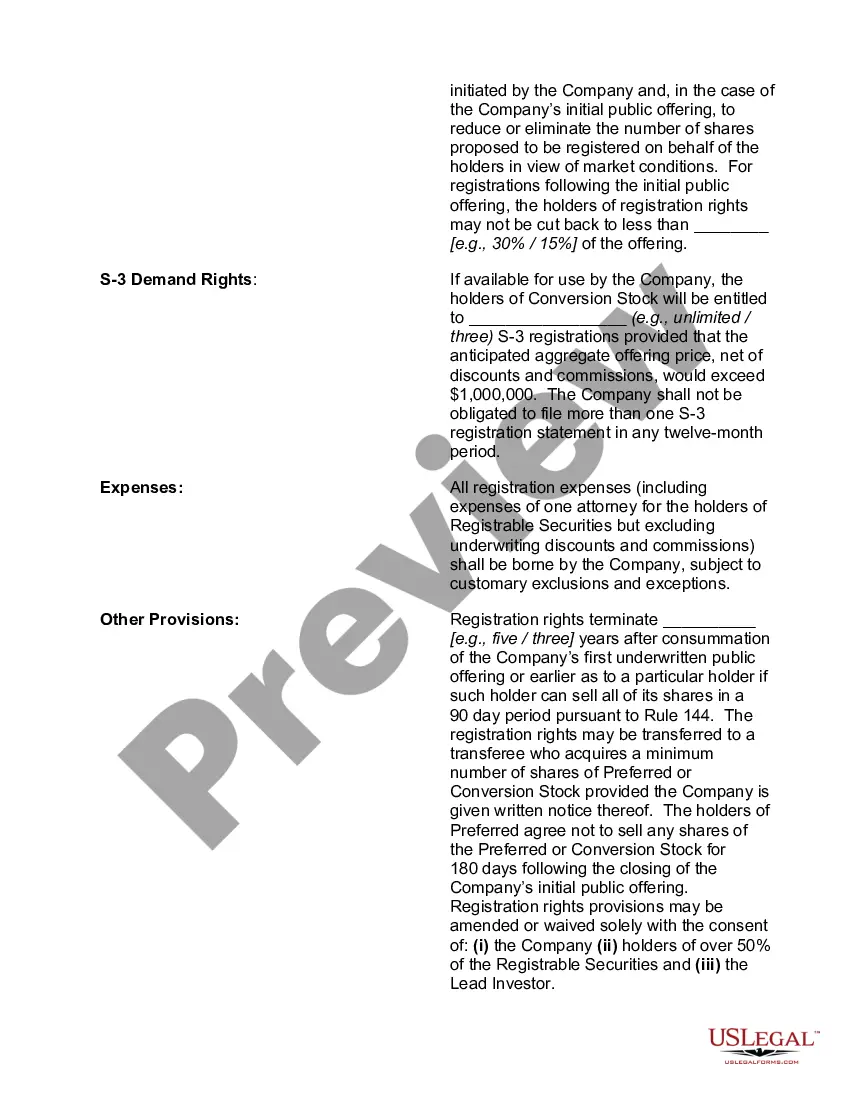
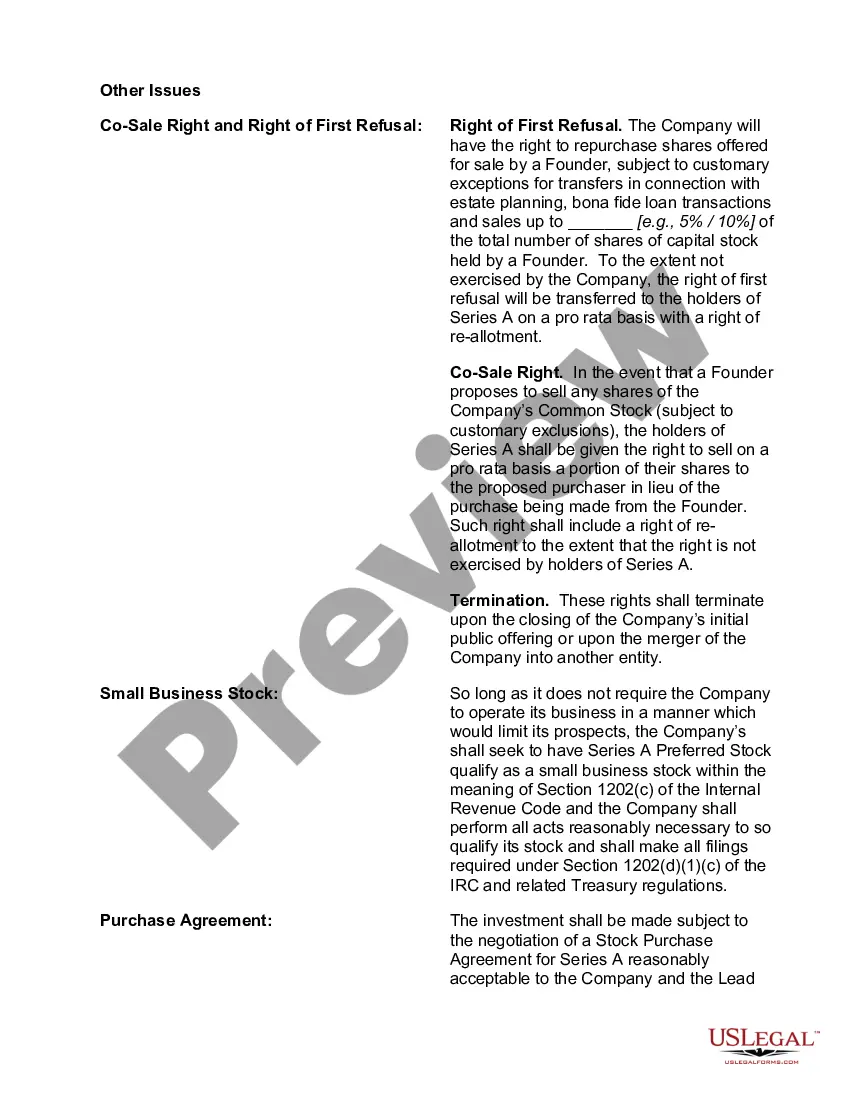
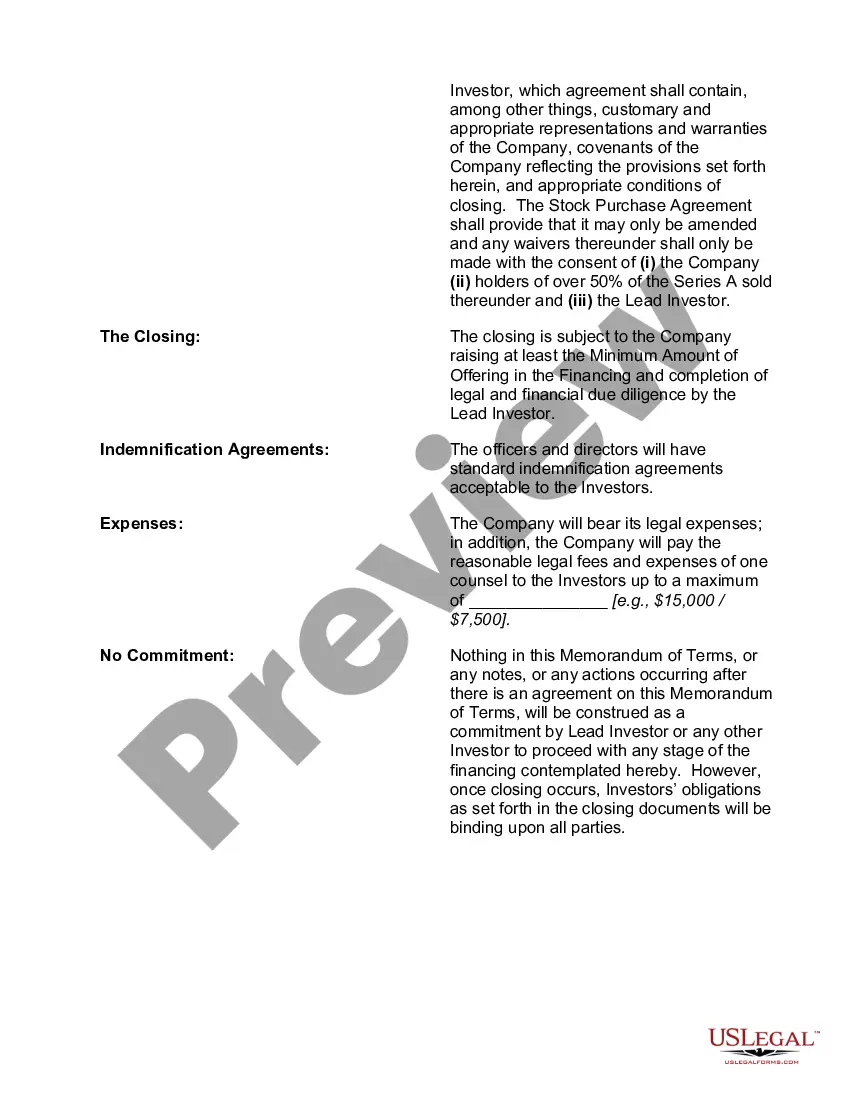
Get your form ready online
Our built-in tools help you complete, sign, share, and store your documents in one place.
Make edits, fill in missing information, and update formatting in US Legal Forms—just like you would in MS Word.
Download a copy, print it, send it by email, or mail it via USPS—whatever works best for your next step.
Sign and collect signatures with our SignNow integration. Send to multiple recipients, set reminders, and more. Go Premium to unlock E-Sign.
If this form requires notarization, complete it online through a secure video call—no need to meet a notary in person or wait for an appointment.
We protect your documents and personal data by following strict security and privacy standards.

Make edits, fill in missing information, and update formatting in US Legal Forms—just like you would in MS Word.

Download a copy, print it, send it by email, or mail it via USPS—whatever works best for your next step.

Sign and collect signatures with our SignNow integration. Send to multiple recipients, set reminders, and more. Go Premium to unlock E-Sign.

If this form requires notarization, complete it online through a secure video call—no need to meet a notary in person or wait for an appointment.

We protect your documents and personal data by following strict security and privacy standards.
Looking for another form?

Form popularity
FAQ
The bottom line is that you do not have to be an accredited investor to engage in a 1031 property exchange, but you do if you plan to exchange your property for ownership in a DST.
Here are examples of properties ineligible for a 1031 exchange: Primary residences: A 1031 exchange is specifically intended for investment or business properties. Personal properties are not eligible. Vacation homes: Vacation homes generally do not qualify if used for personal reasons.
Our accreditation verification process allows you to trigger an automated email to your verifier that is pre-populated with the required confirmation language for them to complete the verification.
There is no course or requirement to become an angel investor. Many Angel investors are accredited investors, but ing to the SEC, angel investors do not have to be accredited.
party verification letter qualifies an investor's accredited status by certifying that a registered broker, investment advisor, licensed attorney, or certified public accountant took steps to confirm the investor's status within the last three months (5).
Both accredited and non-accredited investors can invest in a public REIT or PNLR. For a private REIT, investors must be accredited. Investors can also invest in public non-listed REITs through an online real estate investment platform, such as 1031 Crowdfunding.
An angel investor is a high net-worth individual who invests personal funds into start-up companies. Angel investors must meet the SEC standard for being an accredited investor. Some additional characteristics of being an angel investor are listed below.
Our accreditation verification process allows you to trigger an automated email to your verifier that is pre-populated with the required confirmation language for them to complete the verification. Alternatively, a for a third-party attestation that all owners are accredited can be found here.