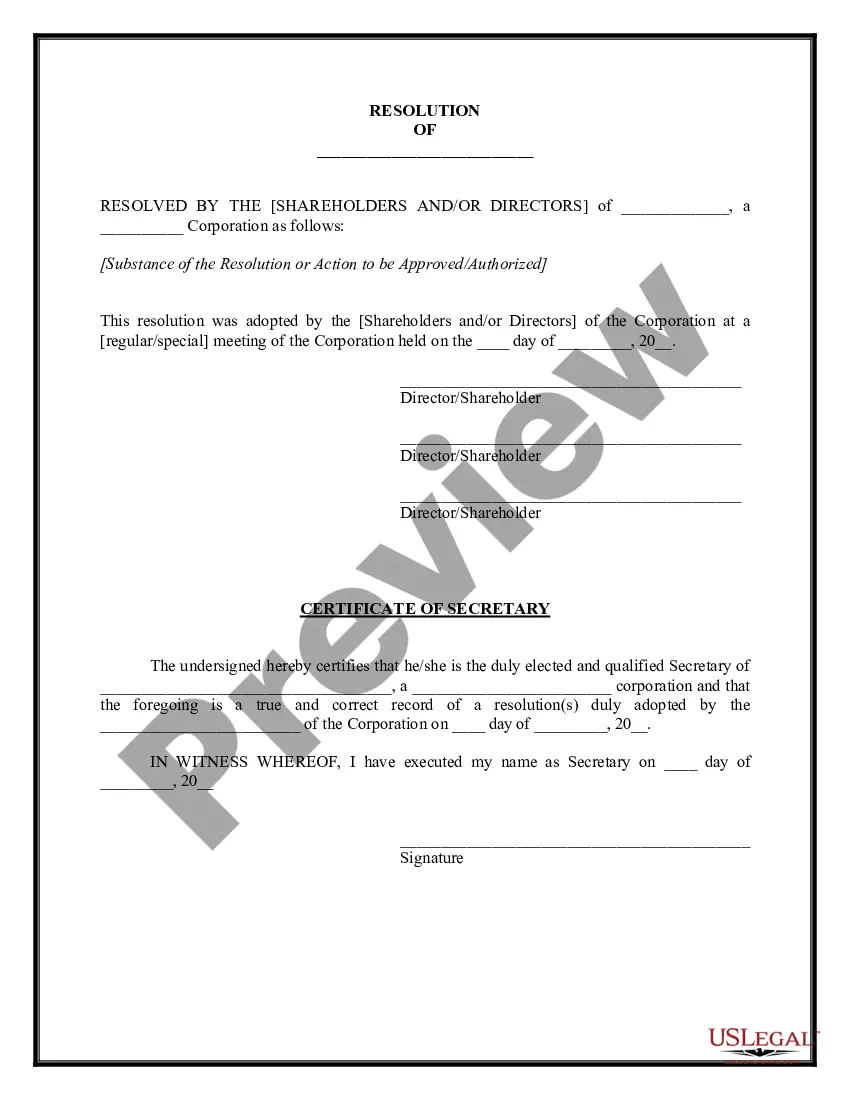
Partnering Angel Investor With An Affinity For In Ohio
Description

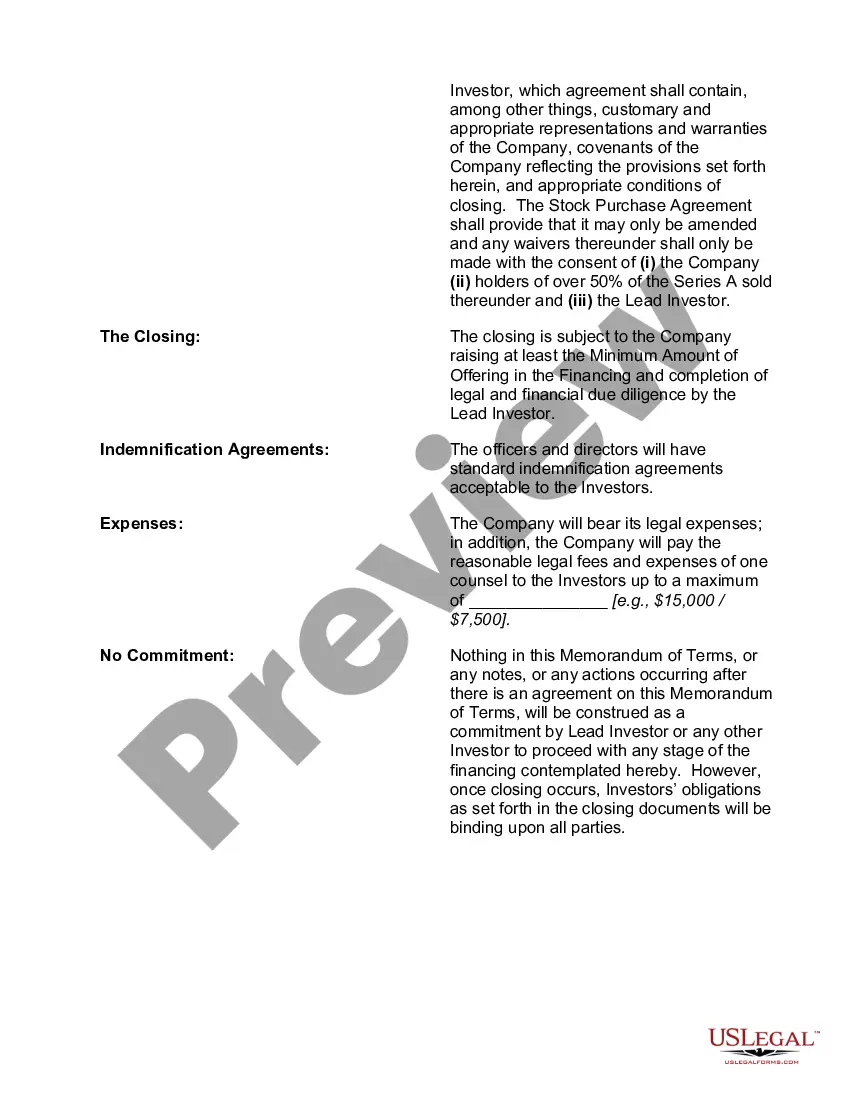
Get your form ready online
Our built-in tools help you complete, sign, share, and store your documents in one place.
Make edits, fill in missing information, and update formatting in US Legal Forms—just like you would in MS Word.
Download a copy, print it, send it by email, or mail it via USPS—whatever works best for your next step.
Sign and collect signatures with our SignNow integration. Send to multiple recipients, set reminders, and more. Go Premium to unlock E-Sign.
If this form requires notarization, complete it online through a secure video call—no need to meet a notary in person or wait for an appointment.
We protect your documents and personal data by following strict security and privacy standards.

Make edits, fill in missing information, and update formatting in US Legal Forms—just like you would in MS Word.

Download a copy, print it, send it by email, or mail it via USPS—whatever works best for your next step.

Sign and collect signatures with our SignNow integration. Send to multiple recipients, set reminders, and more. Go Premium to unlock E-Sign.

If this form requires notarization, complete it online through a secure video call—no need to meet a notary in person or wait for an appointment.

We protect your documents and personal data by following strict security and privacy standards.
Looking for another form?
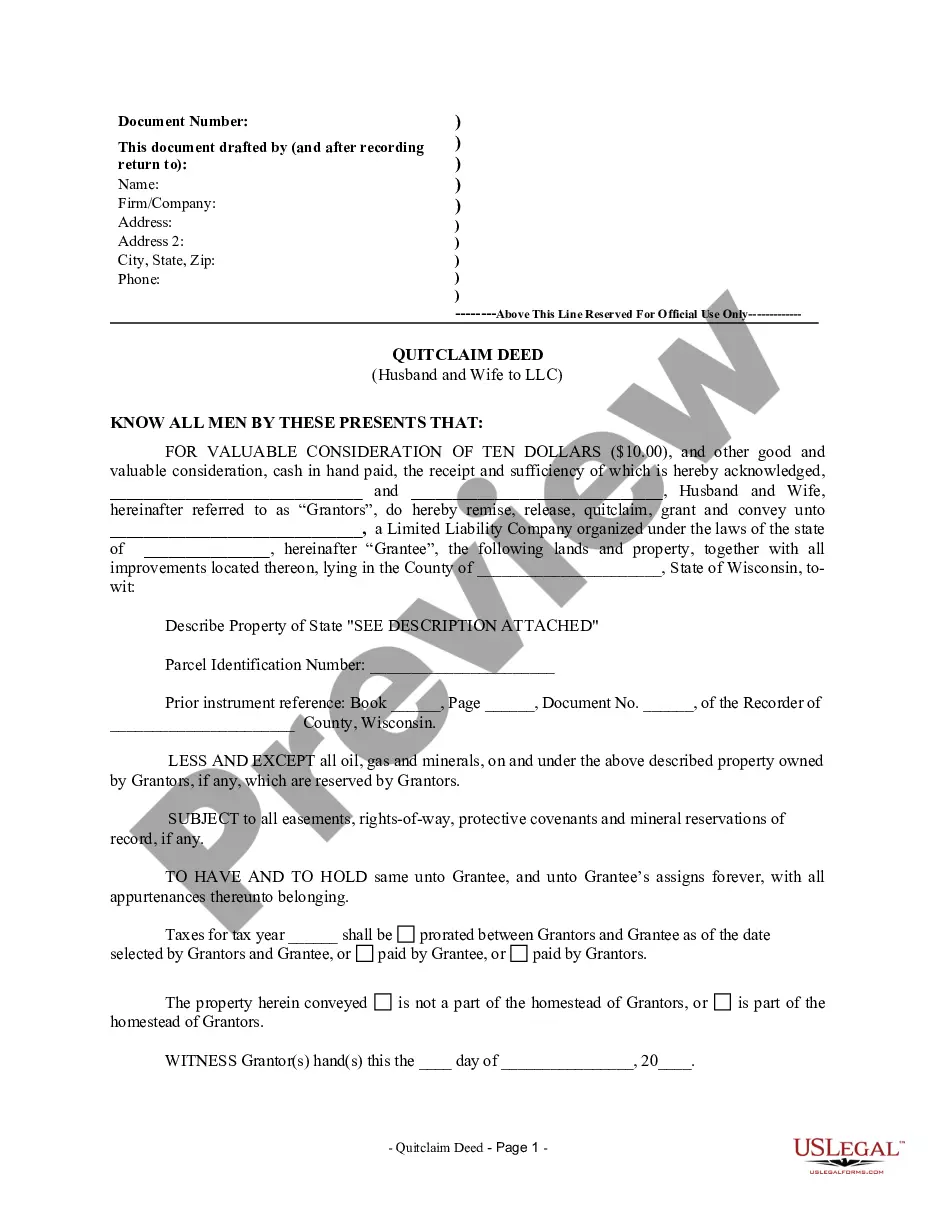


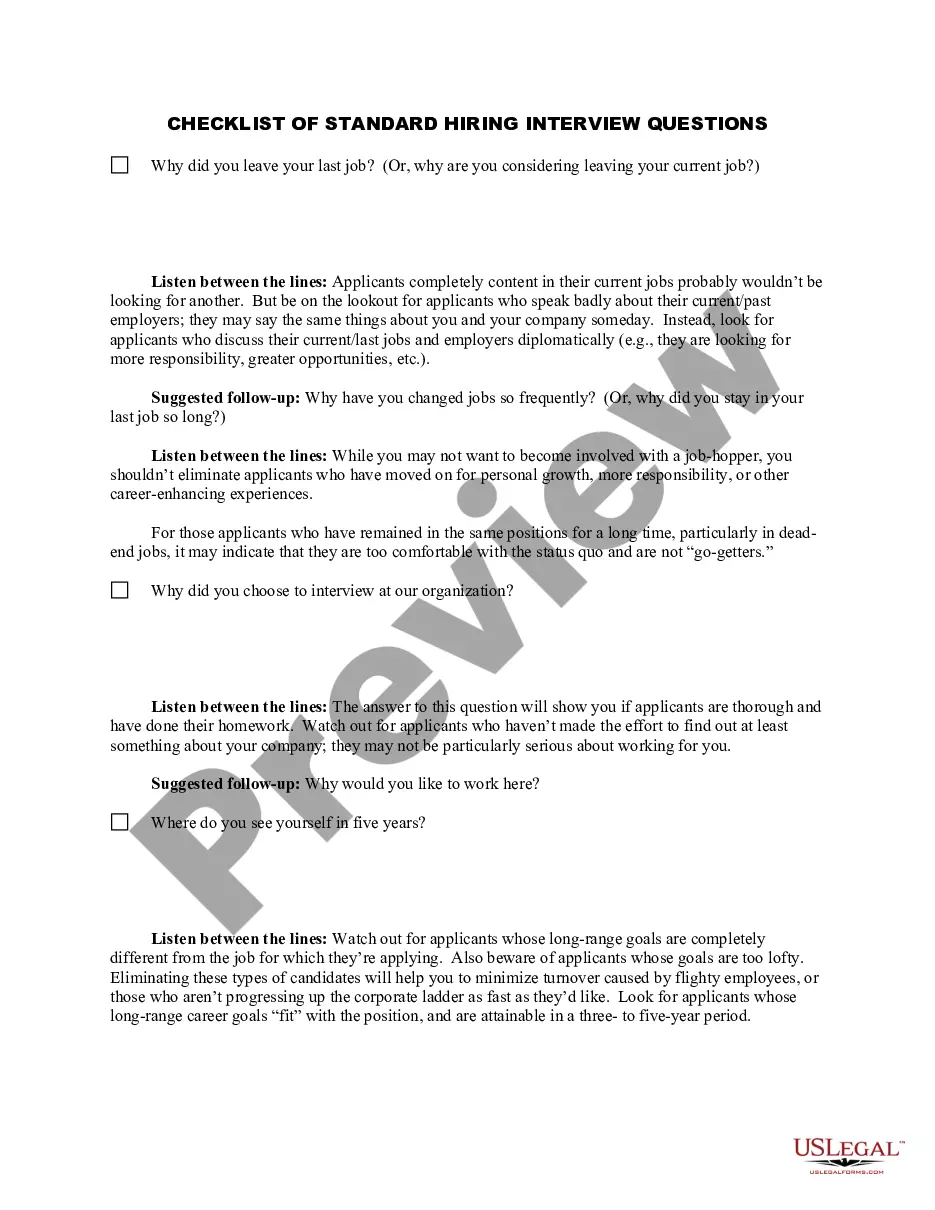
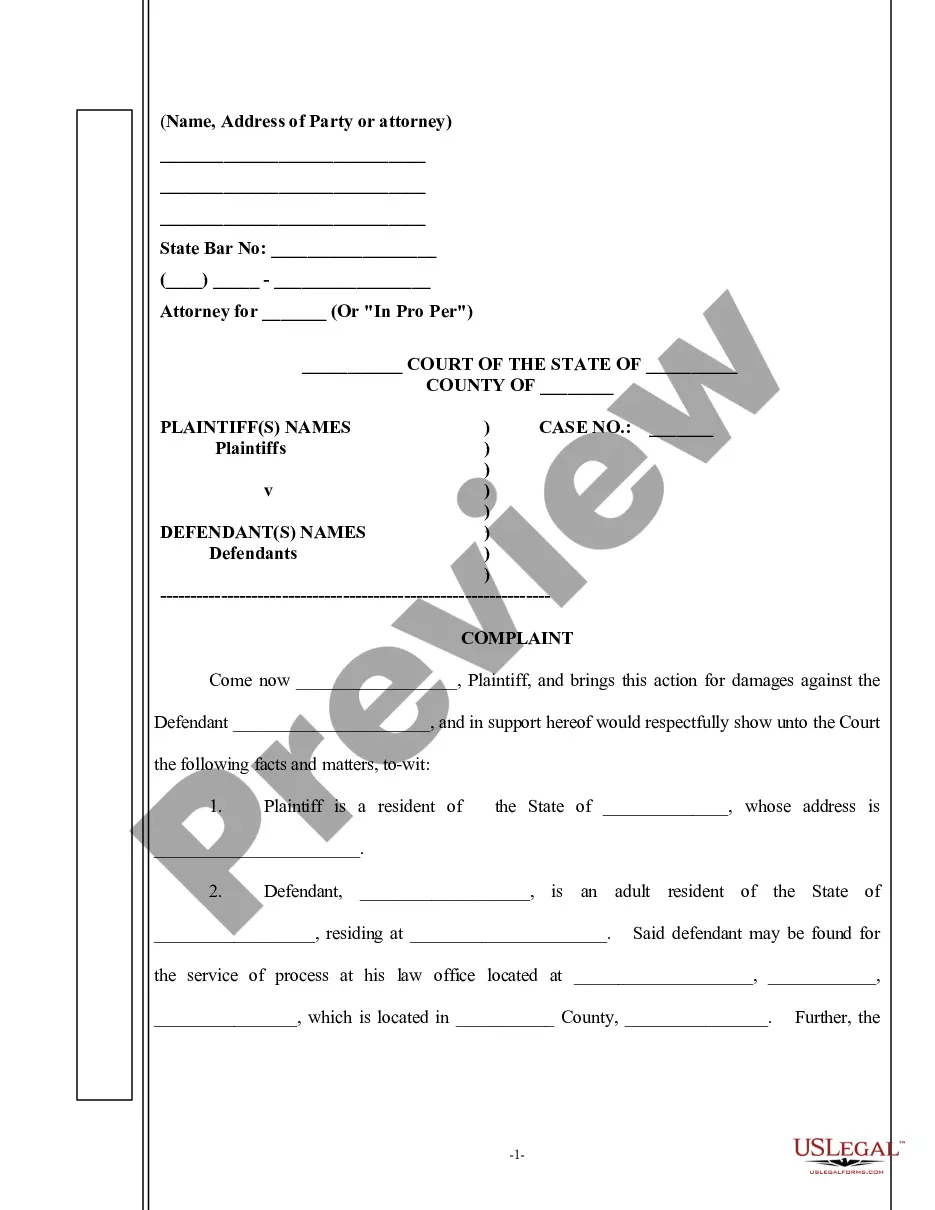



Form popularity
FAQ
How to pitch angel investors Understand your business and market. Know your business, your market, and how they intersect—in as much detail as possible. Craft your pitch. When crafting your pitch for angel investors, balance brevity with information richness. Showcase your financials. Highlight your team. Know your ask.
Angel investors typically seek a 10%-30% equity stake in a company. This percentage is negotiated based on your startup's valuation, the funding amount and the perceived risk. It's essential to strike a balance that reflects your company's current value and future potential.
How to find angel investors Get involved with angel groups and angel investment networks. Attract interest to your business on social media. Attend networking events. Compete in startup events and pitch competitions. Talk with fellow founders. Engage with an incubator or accelerator. Participate in local startup ecosystems.
Individual Investors: To qualify as an angel investor, an individual must possess net tangible assets of at least INR 2 crore, excluding their principal residence. Additionally, they should have experience in early-stage investments, be a serial entrepreneur, or have a minimum of 10 years in a senior management role.
An angel investor is an individual who provides capital for a business startup, typically in exchange for convertible debt or ownership equity. Angel investors are often friends, family or accredited investors who believe in the business idea and want to support its growth.
How to Draft an Investor Agreement Step-by-Step Preliminary Considerations. Define the Terms of the Investment. Outline Rights and Obligations. Include Key Provisions. Draft Protective Clauses for Both Parties. Finalize the Agreement.
While there are no hard and fast rules, the most common ways to structure an angel investment is by taking on board a minority stake in the company, or investing in convertible debt.
While there are a number of ways an investment can be structured, deals you come across will commonly be one of three structures: Convertible Notes. Convertible notes (also known as convertible debt), are a form of debt that convert to equity once a company raises a further round of financing. SAFEs. Priced Rounds.
THE FIRST REQUIREMENT FOR BEING AN ANGEL INVESTOR IS YOU HAVE TO BE AN ACCREDITED INVESTOR. The Securities and Exchange Commission (SEC) first developed these accredited investor rules back in 1933 to protect potential investors.