Angel Term Form For Llc In Nassau
Description

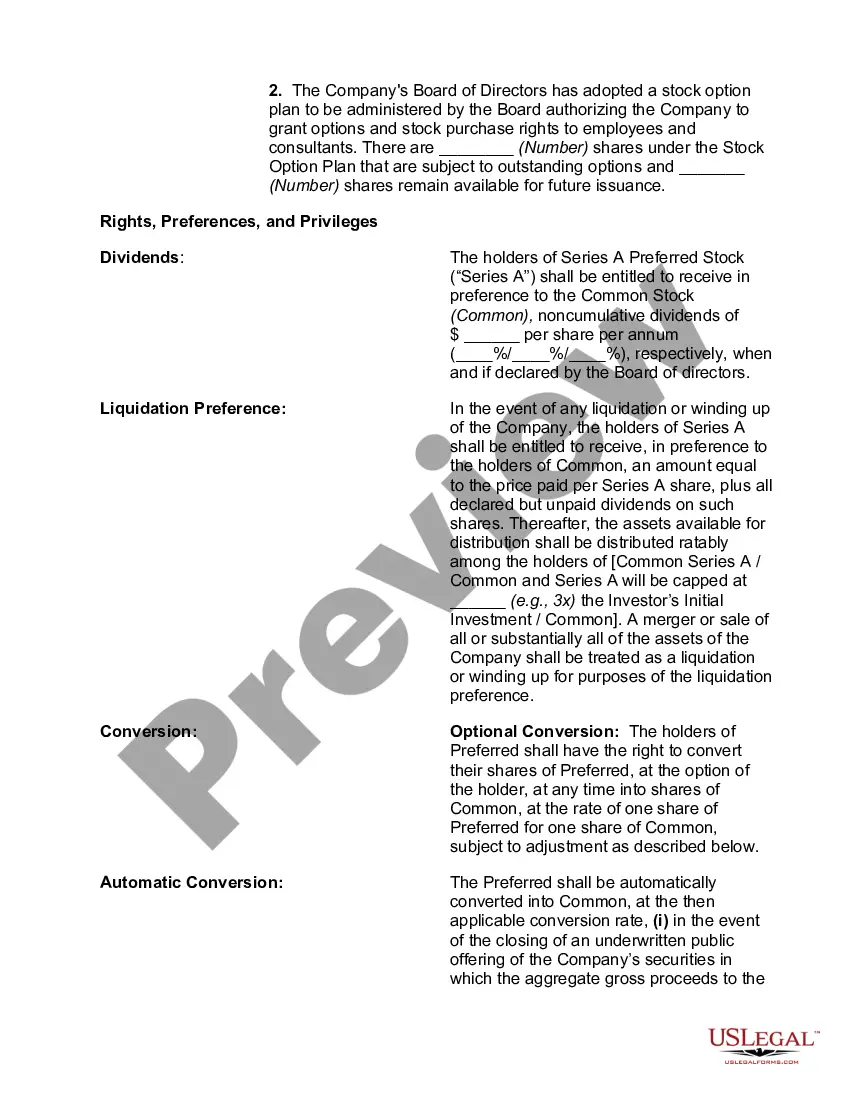
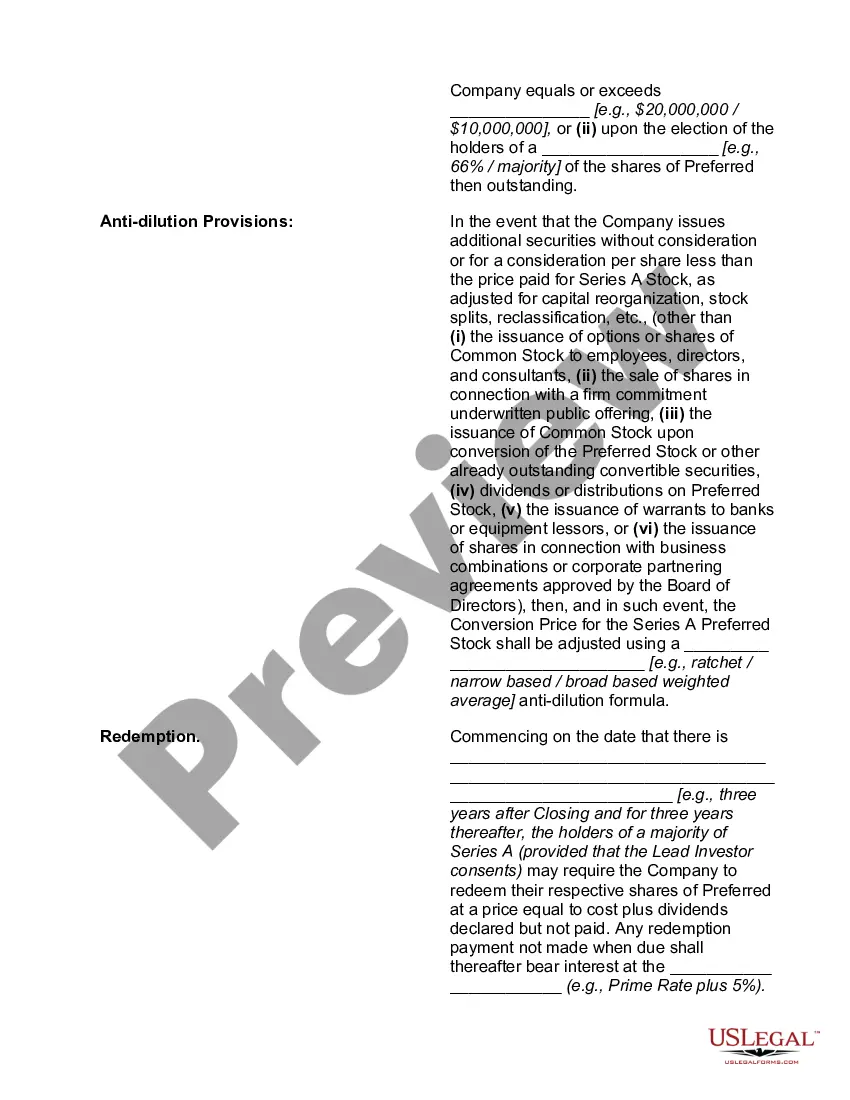
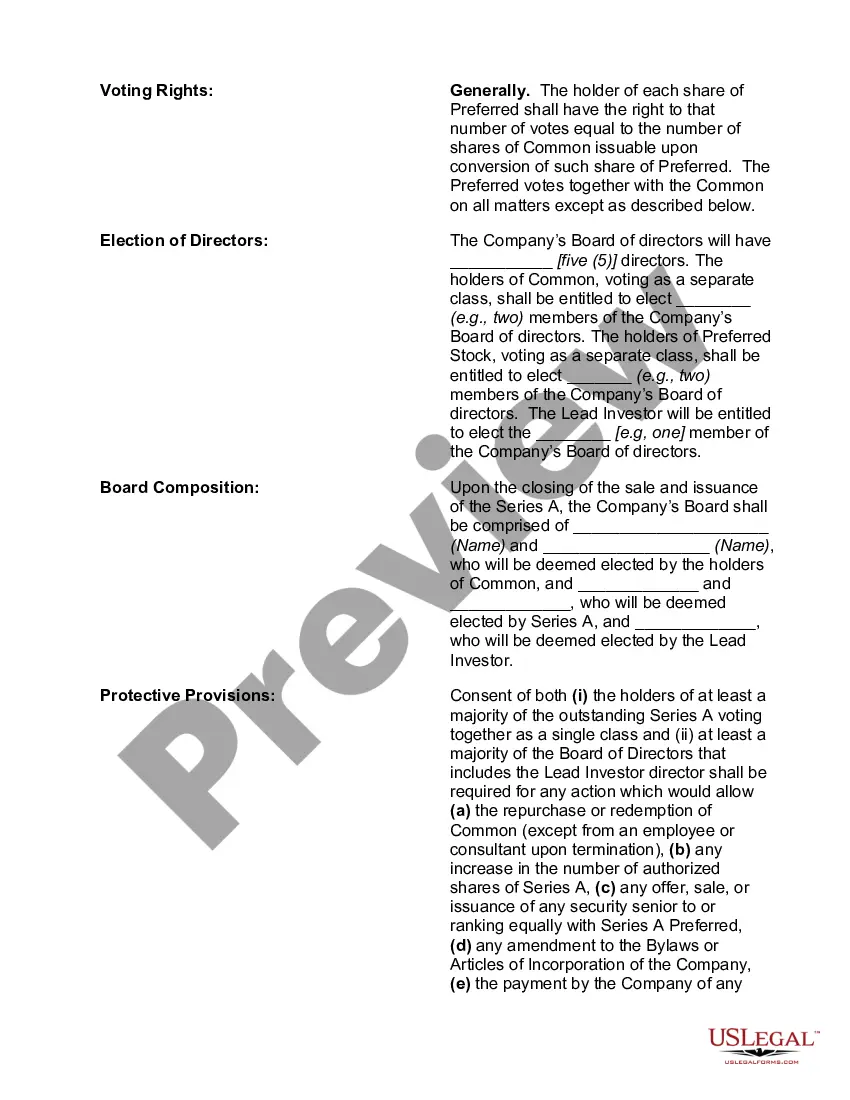
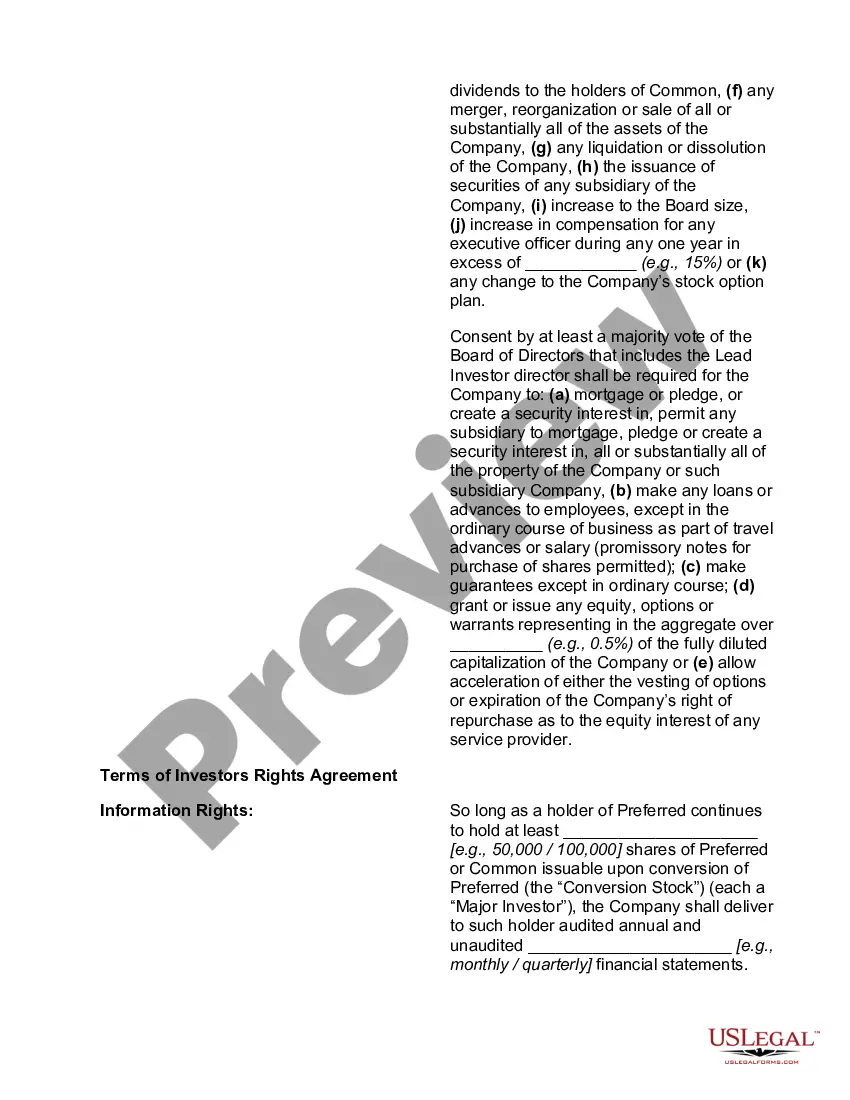
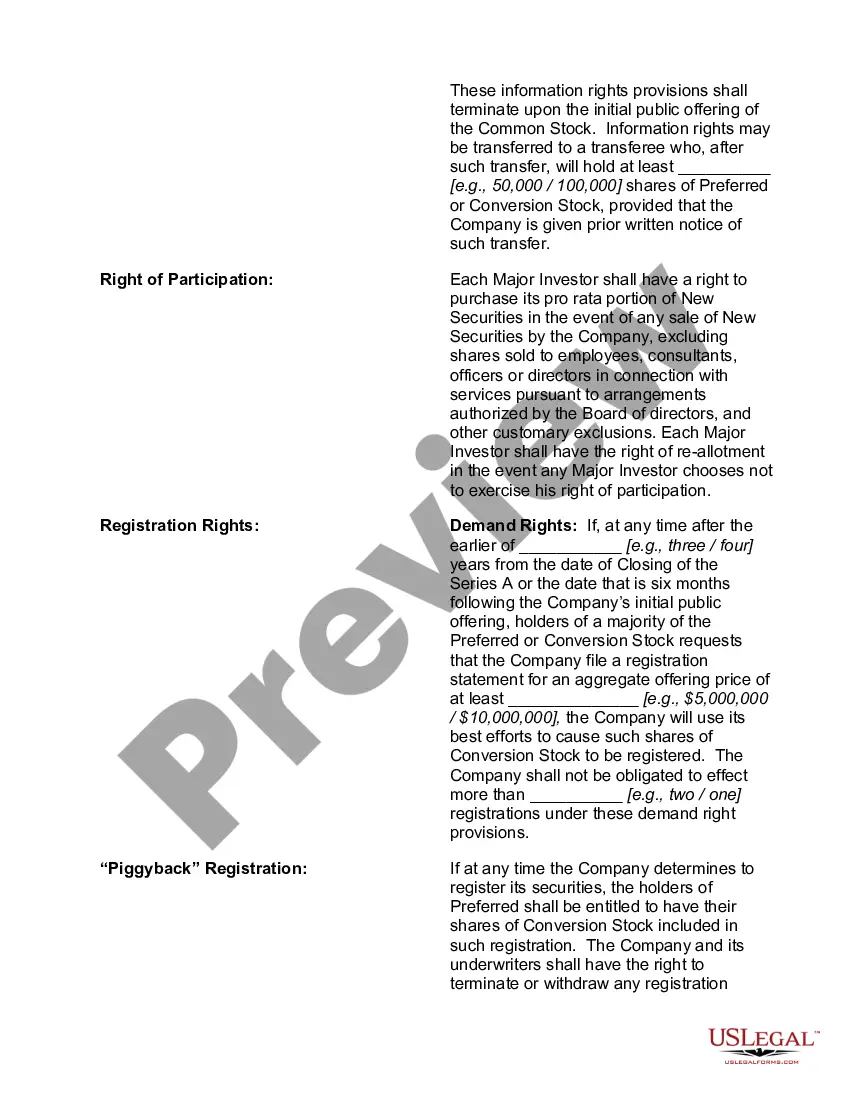
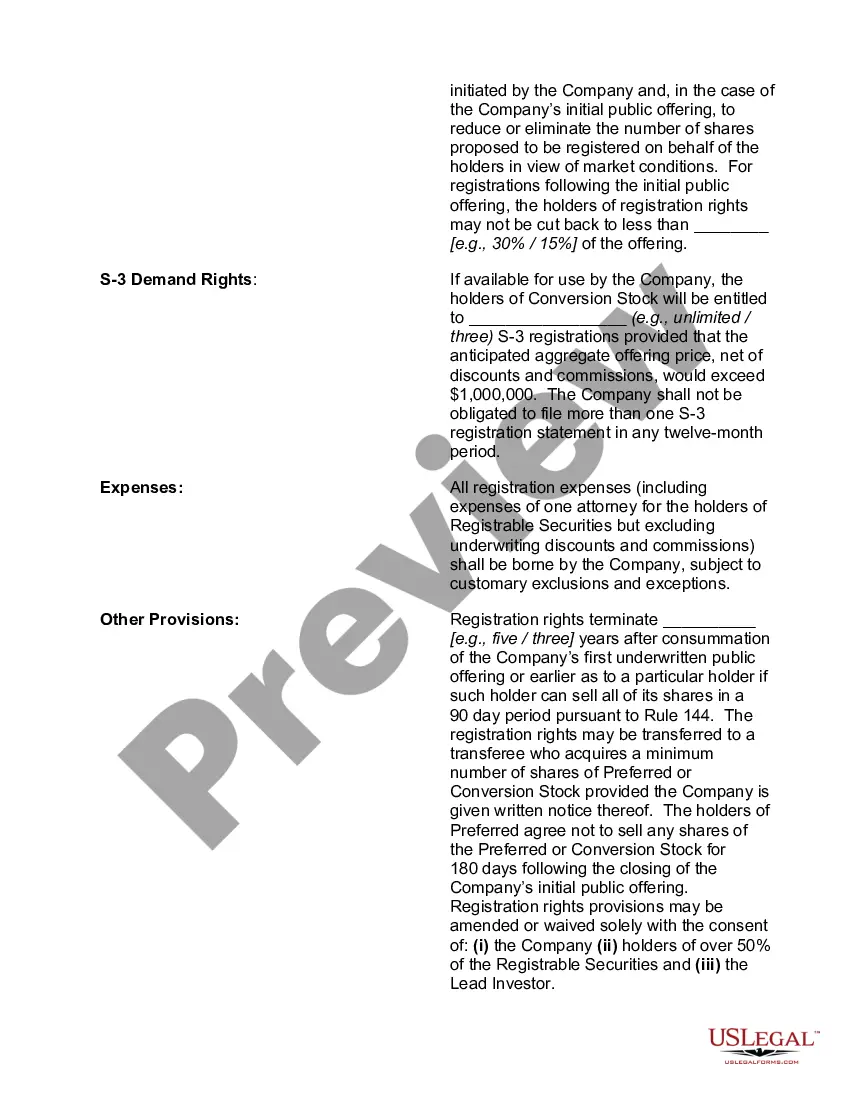
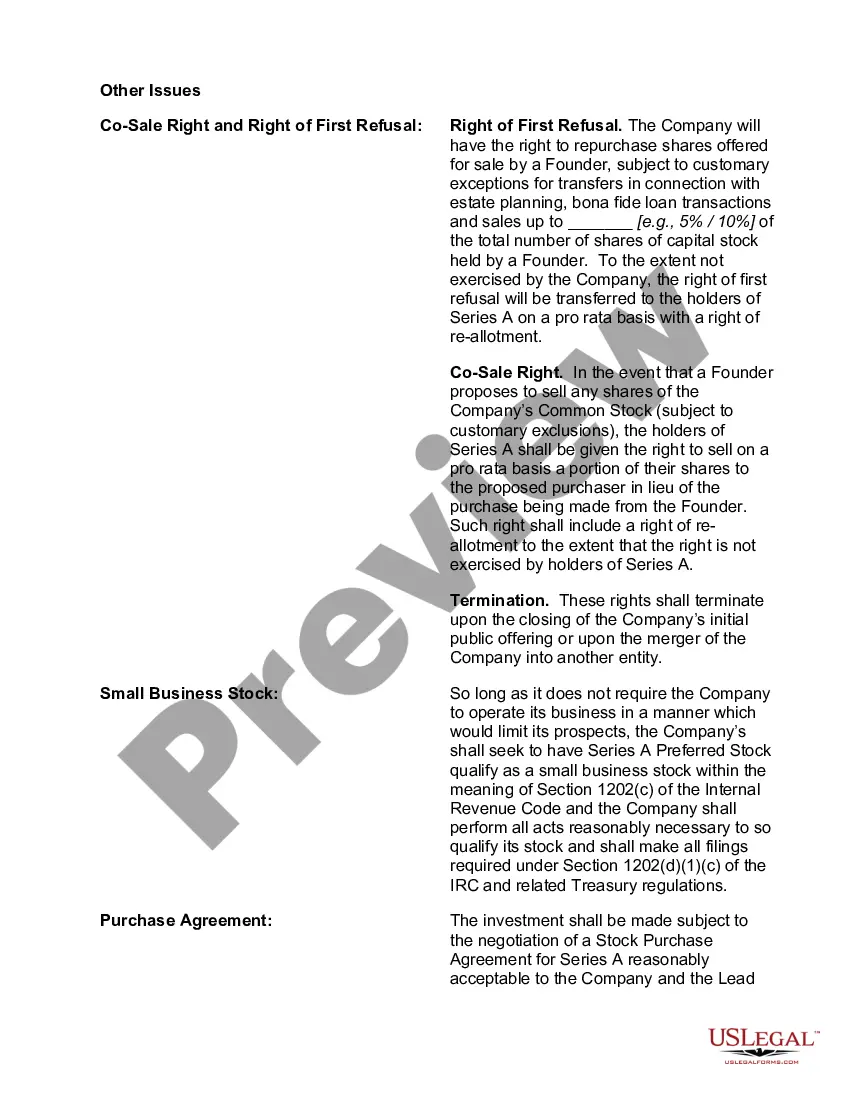
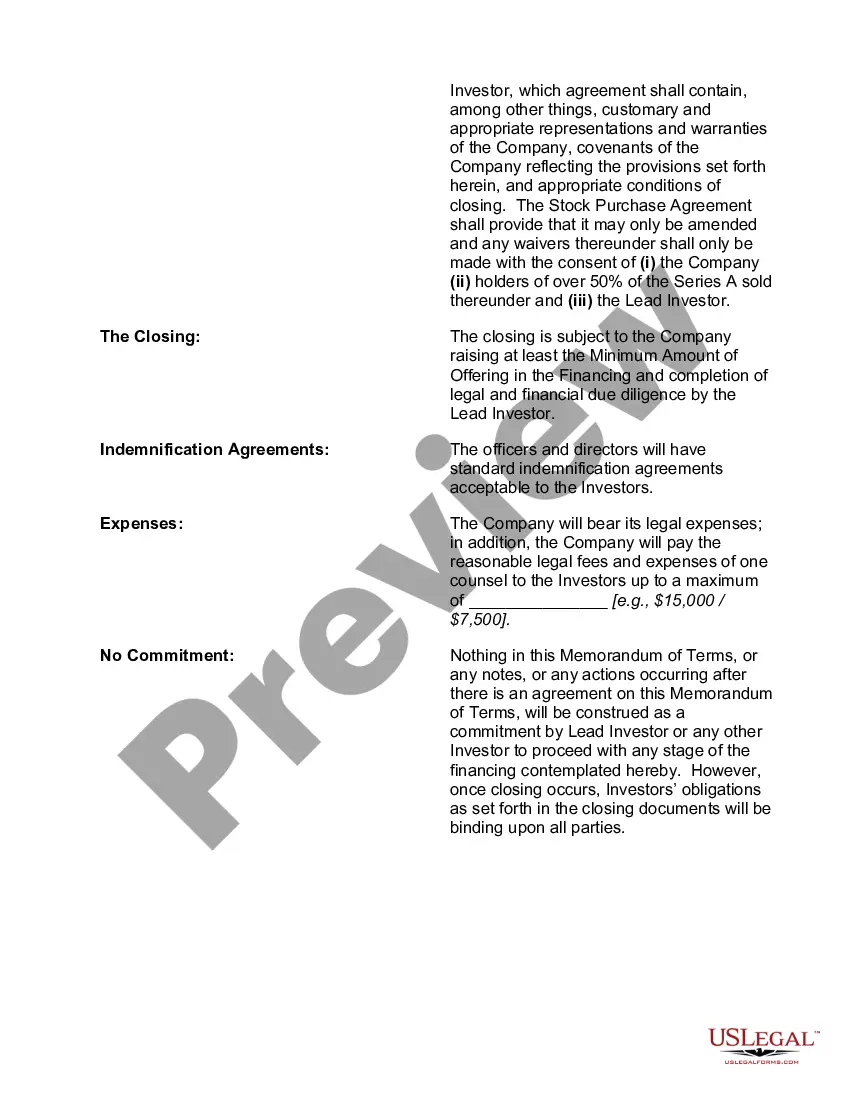
Get your form ready online
Our built-in tools help you complete, sign, share, and store your documents in one place.
Make edits, fill in missing information, and update formatting in US Legal Forms—just like you would in MS Word.
Download a copy, print it, send it by email, or mail it via USPS—whatever works best for your next step.
Sign and collect signatures with our SignNow integration. Send to multiple recipients, set reminders, and more. Go Premium to unlock E-Sign.
If this form requires notarization, complete it online through a secure video call—no need to meet a notary in person or wait for an appointment.
We protect your documents and personal data by following strict security and privacy standards.

Make edits, fill in missing information, and update formatting in US Legal Forms—just like you would in MS Word.

Download a copy, print it, send it by email, or mail it via USPS—whatever works best for your next step.

Sign and collect signatures with our SignNow integration. Send to multiple recipients, set reminders, and more. Go Premium to unlock E-Sign.

If this form requires notarization, complete it online through a secure video call—no need to meet a notary in person or wait for an appointment.

We protect your documents and personal data by following strict security and privacy standards.
Looking for another form?






Form popularity
FAQ
The LLC must publish a notice related to its formation for six consecutive weeks in two newspapers specified by the County Clerk in the county where the LLC's legal address is registered. The legal address is the same one listed on the LLC's Articles of Organization.
California treats an LLC and its single owner for income tax purposes in the same manner both are treated for federal tax purposes.
You are required to file Schedule C if your LLC's income exceeds $400 for the year. If a one-member LLC does not have any business activity and does not have any expenses to deduct, the member does not have to file Schedule C to report the LLC's income.
Can I File My LLC and Personal Taxes Separately? Yes, if your LLC is considered a corporation, then these taxes can be filed separately from your personal taxes. If your LLC is not considered a corporation, the taxes are to be filed with your personal taxes.
Statement of Business Purpose Most states don't require you to be specific about the purpose of your LLC. Instead, a statement such as "The purpose of the Limited Liability Company is to engage in any lawful activity for which a Limited Liability Company may be organized in this state" is usually sufficient.
An LLC allows owners (called “members"), partners, and shareholders to limit their personal liability to protect personal assets. Though not incorporated, an LLC structure enjoys the limited liability of a corporation. For tax purposes, you can file an LLC as a sole proprietorship, partnership, or corporation.
The LLC has two main advantages: It prevents its owners from being held personally responsible for the debts of the company. If the company goes bankrupt or is sued, the personal assets of its owner-investors cannot be pursued. It allows all profits to be passed directly to those owners to be taxed as personal income.
Operating an LLC in New York comes with more flexibility in terms of operation and annual reporting requirements. Even though you need to file Articles of Organization to be acknowledged by the state of New York, you're not required to hold meetings with members or record minutes of the meetings.
Fear not, the IRS recognizes your LLC as a living, breathing entity regardless of the amount of activity, gains or losses it experiences. It's absolutely acceptable for your company to ebb and flow through trepidation, solid footing and full- fledged confidence, then back to trepidation on a quarterly or annual basis.
An LLC may organize for any lawful business purpose or purposes. The LLC is a hybrid form that combines corporation-style limited liability with partnership-style flexibility. The flexible management structure allows owners to shape the LLC to meet the needs of the business.
