Angel Investment Form Forum In Miami-Dade
Description




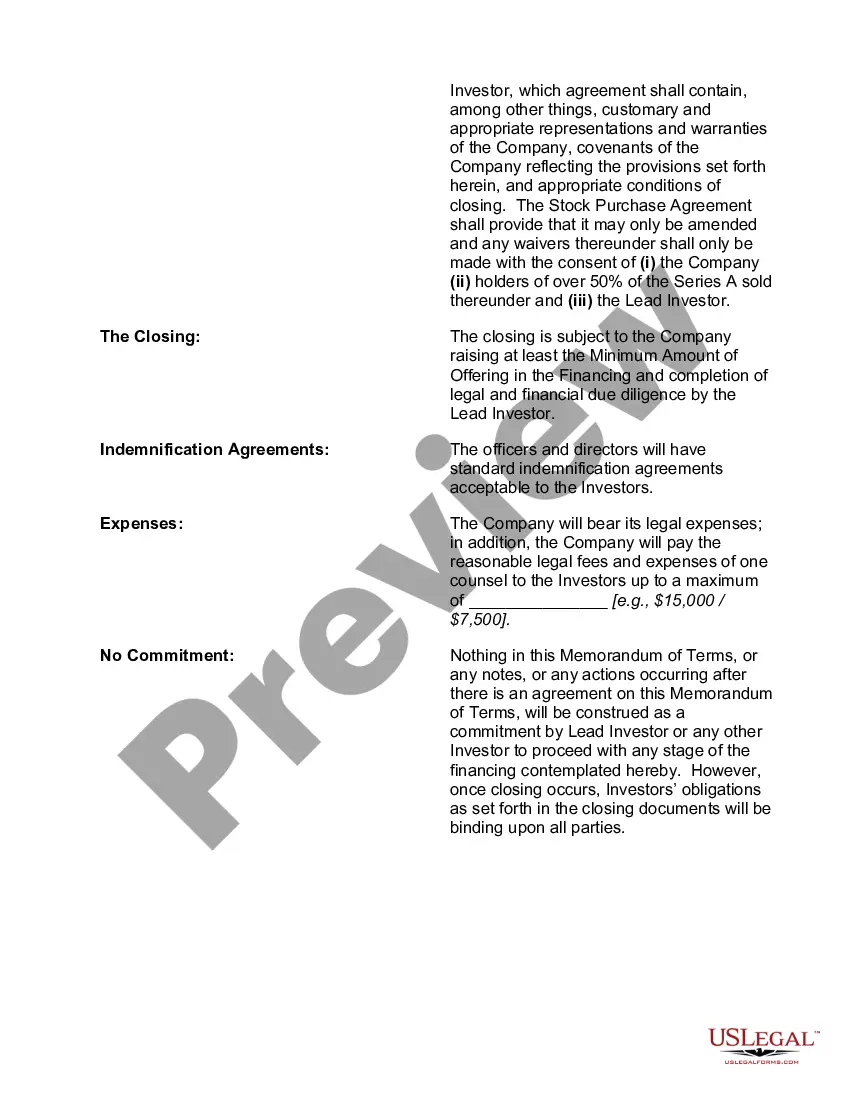
Get your form ready online
Our built-in tools help you complete, sign, share, and store your documents in one place.
Make edits, fill in missing information, and update formatting in US Legal Forms—just like you would in MS Word.
Download a copy, print it, send it by email, or mail it via USPS—whatever works best for your next step.
Sign and collect signatures with our SignNow integration. Send to multiple recipients, set reminders, and more. Go Premium to unlock E-Sign.
If this form requires notarization, complete it online through a secure video call—no need to meet a notary in person or wait for an appointment.
We protect your documents and personal data by following strict security and privacy standards.

Make edits, fill in missing information, and update formatting in US Legal Forms—just like you would in MS Word.

Download a copy, print it, send it by email, or mail it via USPS—whatever works best for your next step.

Sign and collect signatures with our SignNow integration. Send to multiple recipients, set reminders, and more. Go Premium to unlock E-Sign.

If this form requires notarization, complete it online through a secure video call—no need to meet a notary in person or wait for an appointment.

We protect your documents and personal data by following strict security and privacy standards.
Looking for another form?





Form popularity
FAQ
To be an angel, you need to qualify as an accredited investor, defined by the SEC as $1 million of net worth or annual income over $200,000. (I'm simplifying – the real definition is a bit more complex – but it gives you the idea.)
Here are some suggestions on how you can become an angel investor: Understand how it works. Understand the risks. Use your resources. Find and evaluate potential investments. Join a group or platform. Develop a strategy. Decide what type of investor you are. Choose a valuation method.
Individual Investors: To qualify as an angel investor, an individual must possess net tangible assets of at least INR 2 crore, excluding their principal residence. Additionally, they should have experience in early-stage investments, be a serial entrepreneur, or have a minimum of 10 years in a senior management role.
To be an angel, you need to qualify as an accredited investor, defined by the SEC as $1 million of net worth or annual income over $200,000. (I'm simplifying – the real definition is a bit more complex – but it gives you the idea.) You don't have to own a professional sports team, or pass an exam.
You can find Angel investors on Linkedin, Angellist and Crunchbase. You can also go to Angel networks such as Keiretsu (search on Google based on your location). Another method is to participate in startup incubation, acceleration programs and competitions, angels are invited to these programs.
An angel investor is an individual who provides capital for a business startup, typically in exchange for convertible debt or ownership equity. Angel investors are often friends, family or accredited investors who believe in the business idea and want to support its growth.
To be an angel, you need to qualify as an accredited investor, defined by the SEC as $1 million of net worth or annual income over $200,000.
Individual Investors: To qualify as an angel investor, an individual must possess net tangible assets of at least INR 2 crore, excluding their principal residence. Additionally, they should have experience in early-stage investments, be a serial entrepreneur, or have a minimum of 10 years in a senior management role.
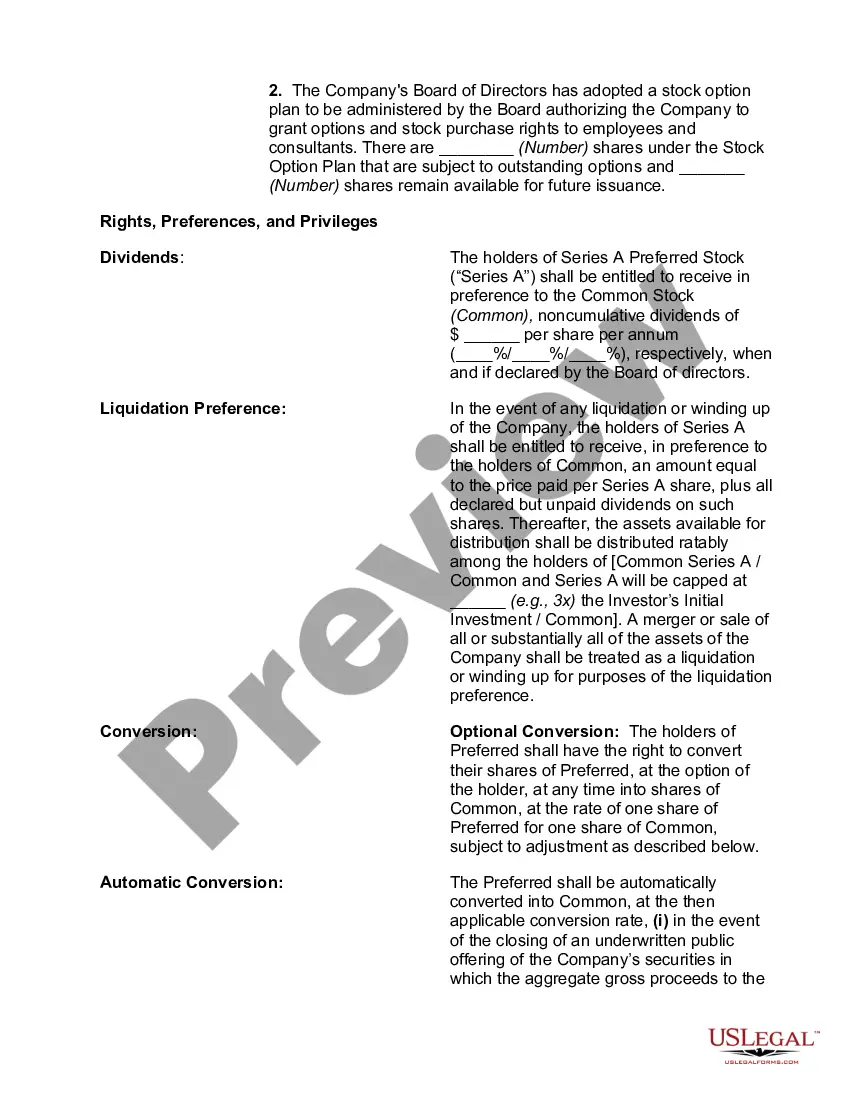
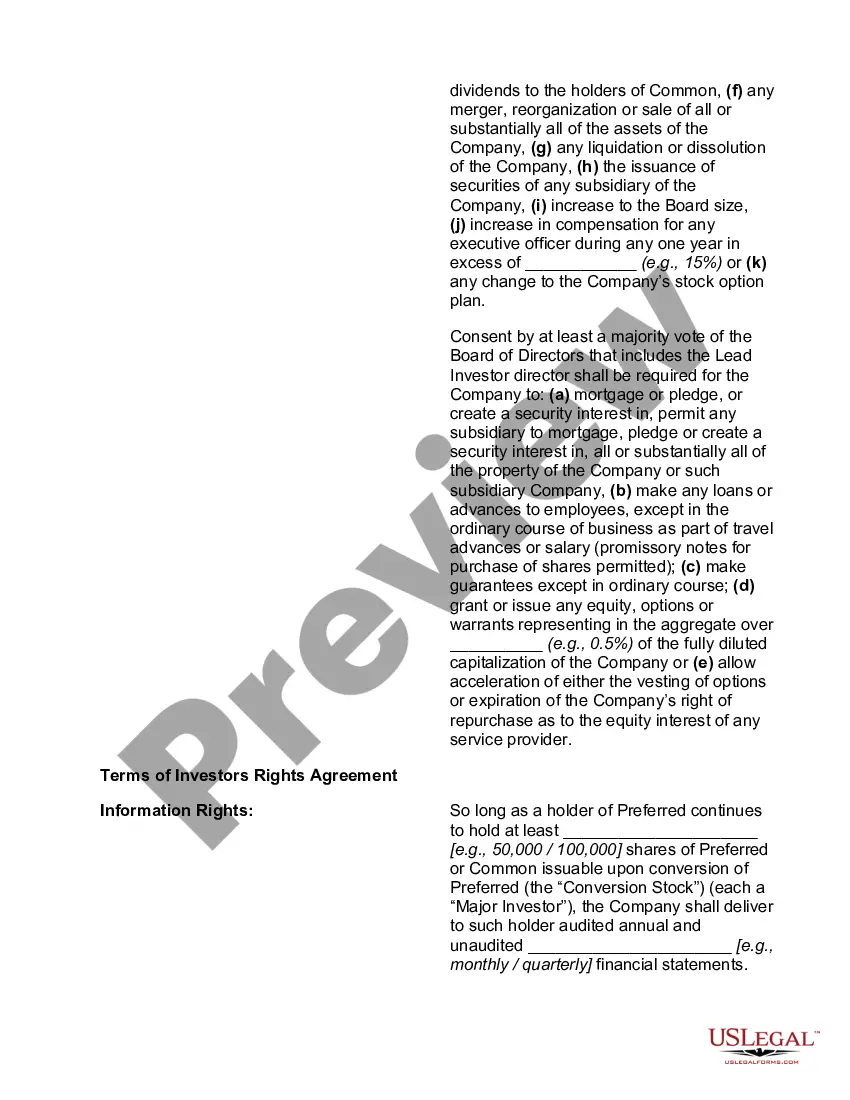
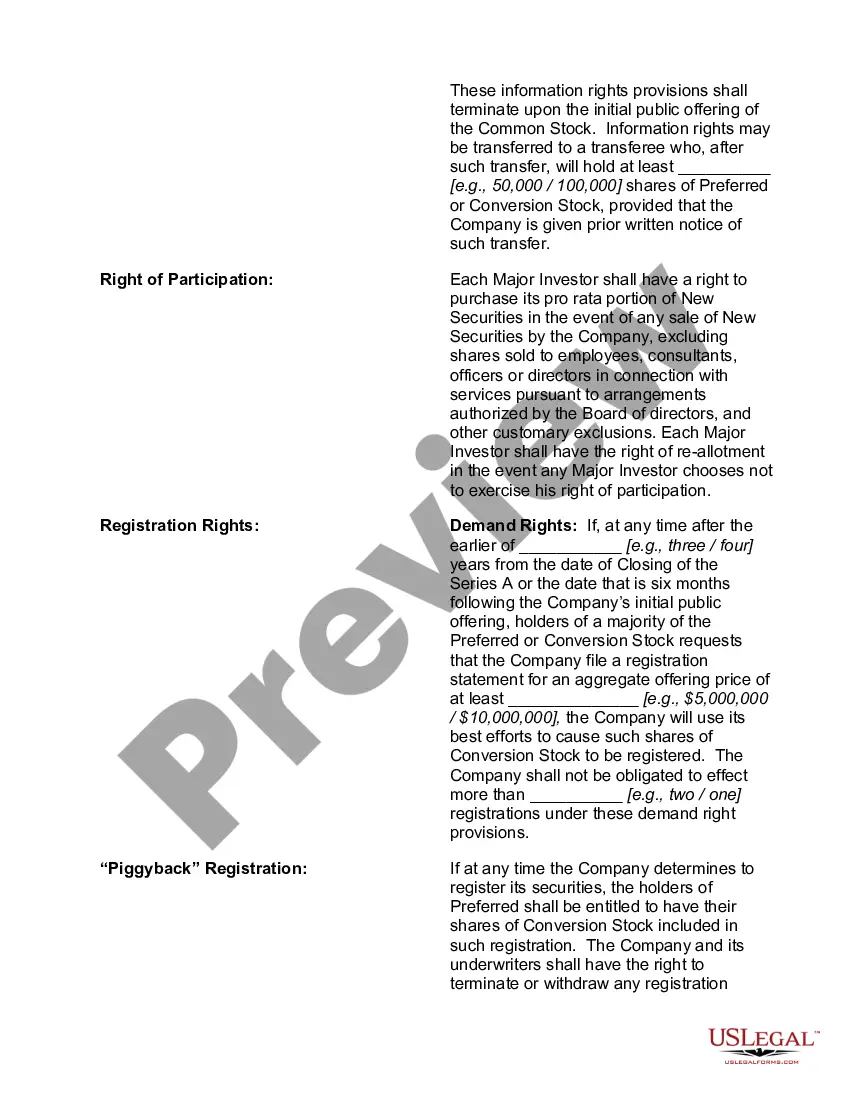
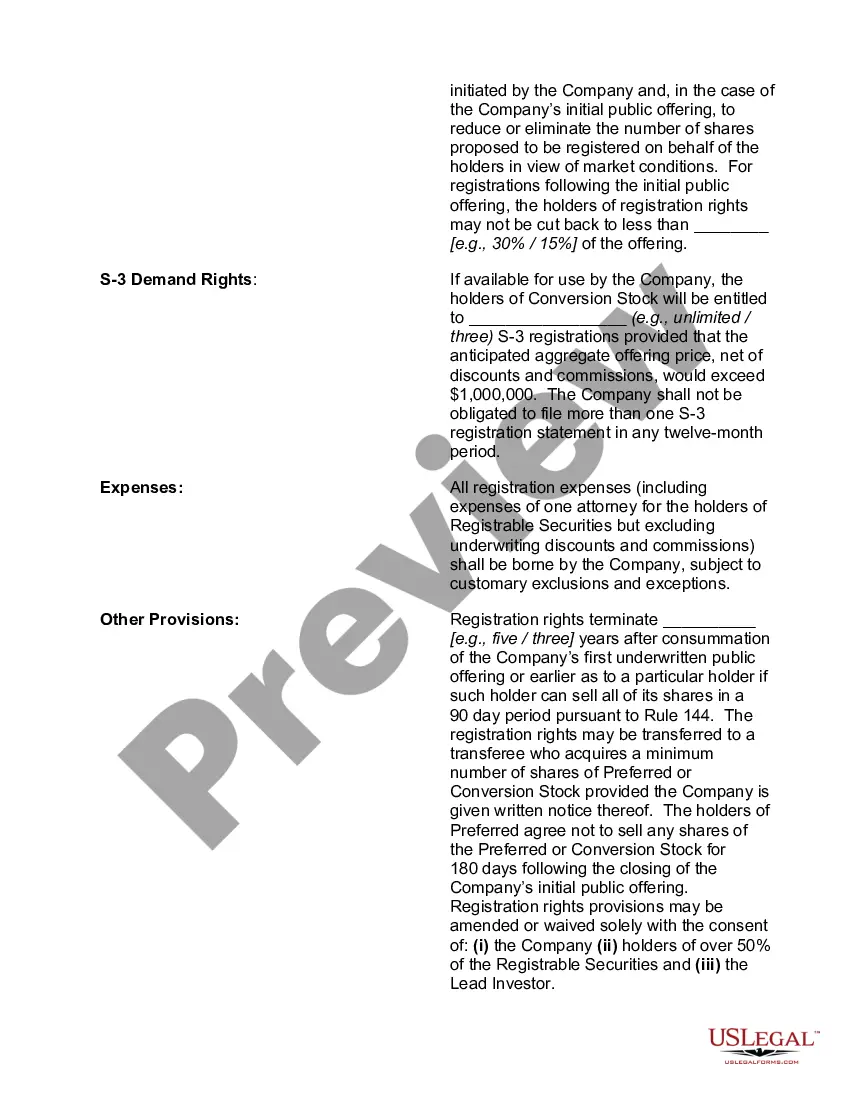
Agreements with angel investors are crucial documents that specify the terms of investment, including ownership equity and the amount being invested. They provide clear understanding and safeguard both the company's interests as well as those of the investor.
How to find angel investors Get involved with angel groups and angel investment networks. Attract interest to your business on social media. Attend networking events. Compete in startup events and pitch competitions. Talk with fellow founders. Engage with an incubator or accelerator. Participate in local startup ecosystems.