Partnering Angel Investor For Restaurant In Illinois
Description

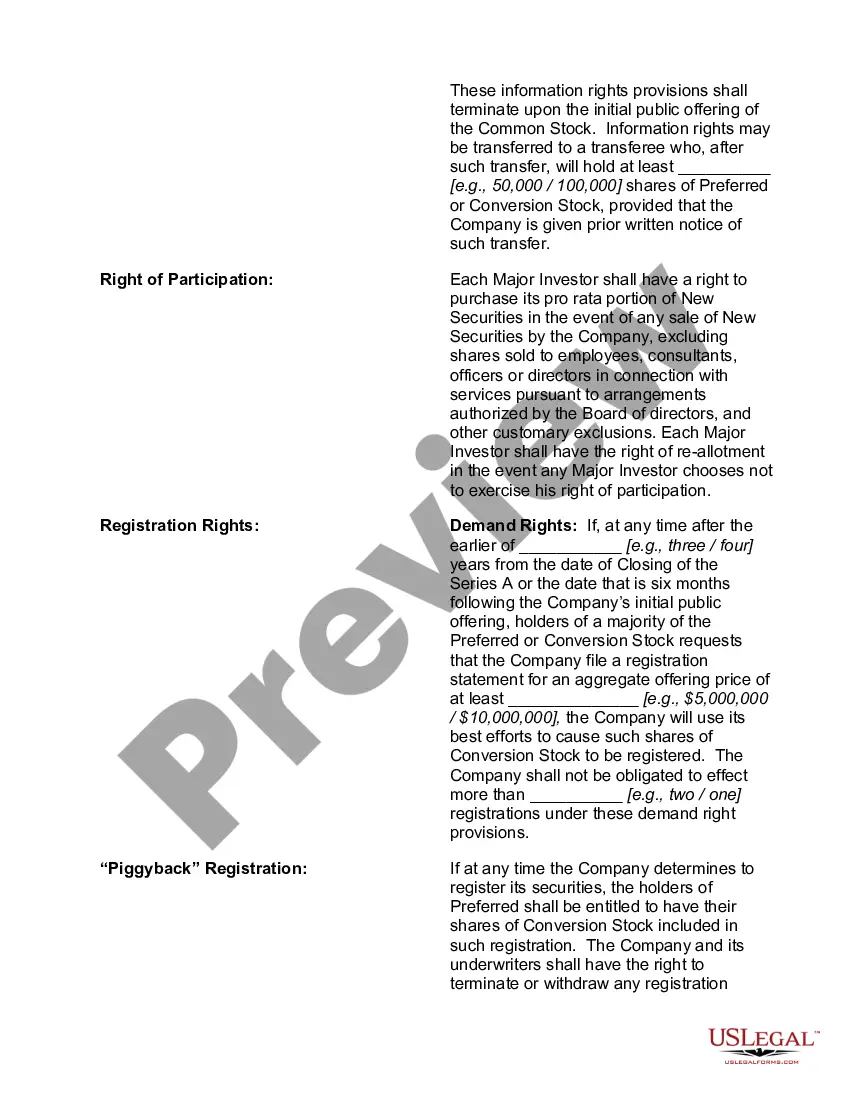
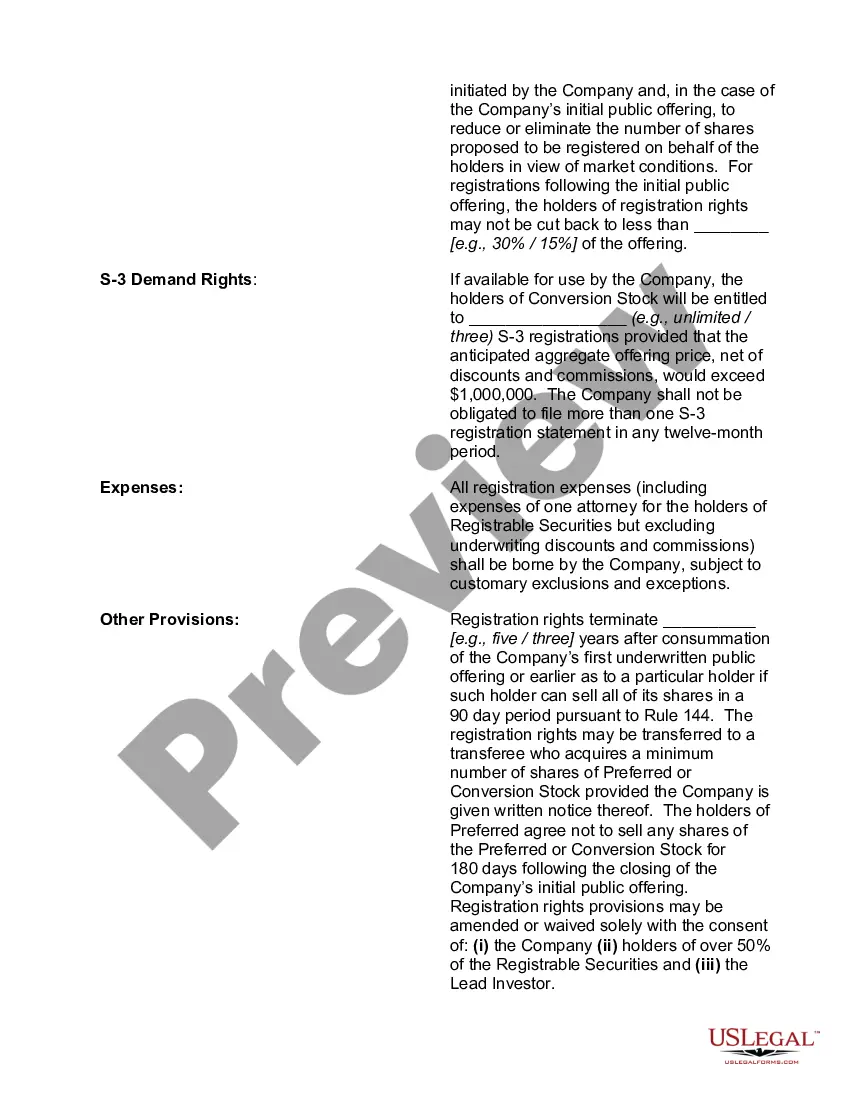
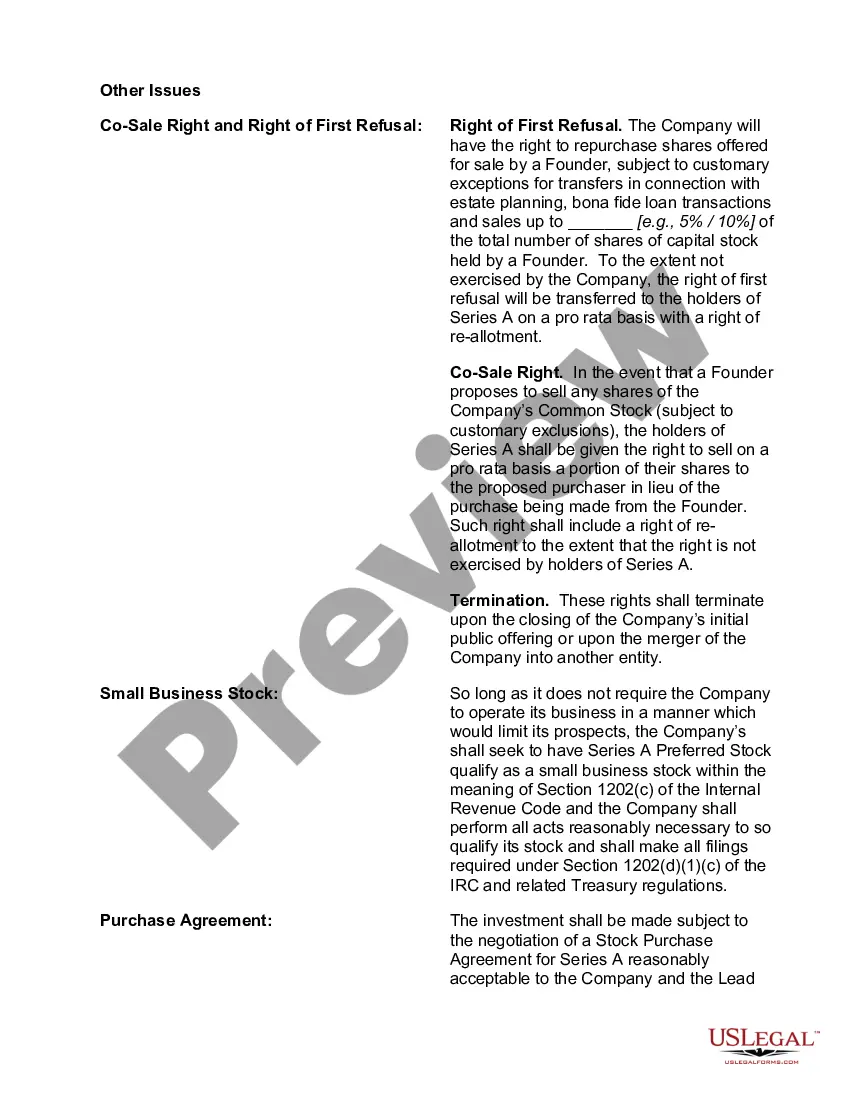
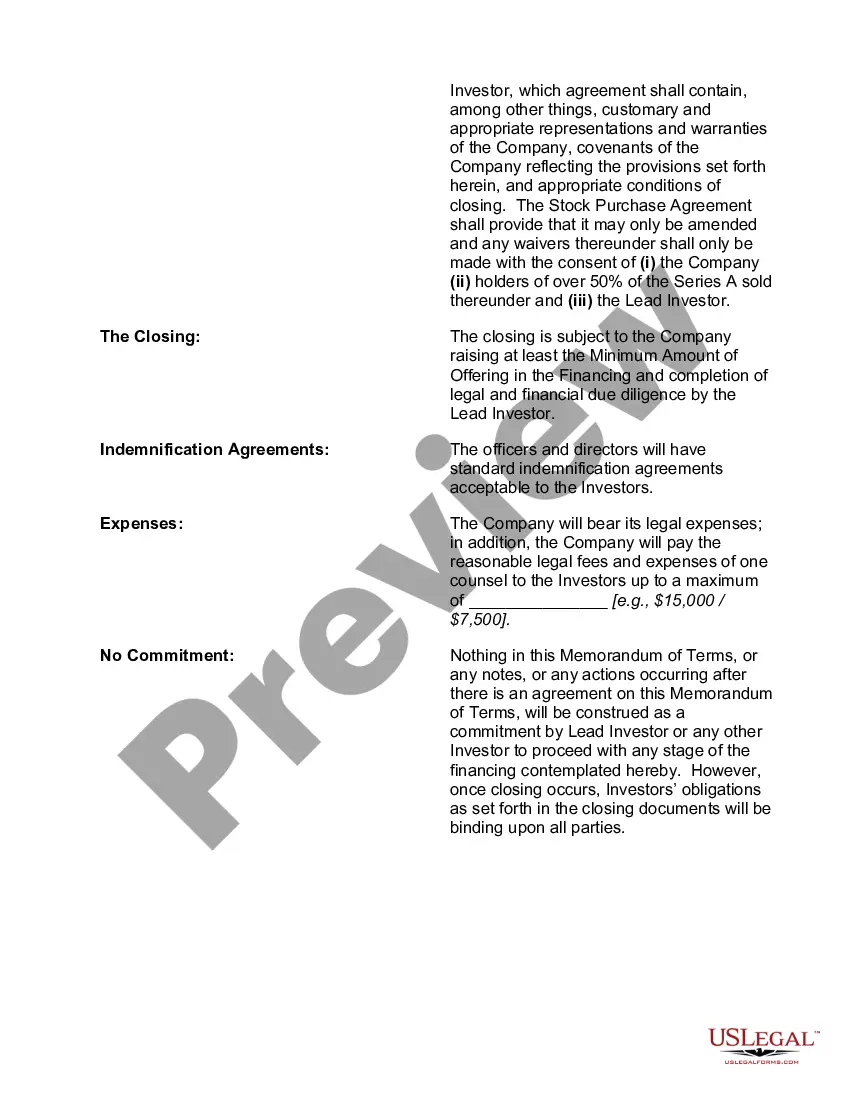
Get your form ready online
Our built-in tools help you complete, sign, share, and store your documents in one place.
Make edits, fill in missing information, and update formatting in US Legal Forms—just like you would in MS Word.
Download a copy, print it, send it by email, or mail it via USPS—whatever works best for your next step.
Sign and collect signatures with our SignNow integration. Send to multiple recipients, set reminders, and more. Go Premium to unlock E-Sign.
If this form requires notarization, complete it online through a secure video call—no need to meet a notary in person or wait for an appointment.
We protect your documents and personal data by following strict security and privacy standards.

Make edits, fill in missing information, and update formatting in US Legal Forms—just like you would in MS Word.

Download a copy, print it, send it by email, or mail it via USPS—whatever works best for your next step.

Sign and collect signatures with our SignNow integration. Send to multiple recipients, set reminders, and more. Go Premium to unlock E-Sign.

If this form requires notarization, complete it online through a secure video call—no need to meet a notary in person or wait for an appointment.

We protect your documents and personal data by following strict security and privacy standards.
Looking for another form?









Form popularity
FAQ
Angel investors typically seek a 10%-30% equity stake in a company. This percentage is negotiated based on your startup's valuation, the funding amount and the perceived risk. It's essential to strike a balance that reflects your company's current value and future potential.
There are pros and cons to working with restaurant investors, so it's crucial to weigh both before making a decision. Get Active in the Food & Beverage Community. Create a Compelling Pitch Deck. Write a Business Plan. Leverage Your Personal Network. Work With an Incubator. Engage a Social Media Following. Run a Pop-up.
A lot of advisors would argue that for those starting out, the general guiding principle is that you should think about giving away somewhere between 10-20% of equity.
How to pitch angel investors Understand your business and market. Know your business, your market, and how they intersect—in as much detail as possible. Craft your pitch. When crafting your pitch for angel investors, balance brevity with information richness. Showcase your financials. Highlight your team. Know your ask.
What is Angel Tax Incentive? Angel Tax Incentive is a new initiative approved by the Government to encourage more early stage investments by the private sector. This incentive hopes to reduce the risks usually associated with early stage investments by giving back in the form of tax exemption to the investors.
Different LLCs can have very different fundraising needs, and there are many different options and types of investors for raising capital that an LLC's members can consider. You can consult with a legal or financial advisor for more context on what types of funding might be most appropriate for your LLC.
Some angel investors choose to invest through LLCs rather than as individuals. Generally, passively investing through an LLC rather than as an individual offers no tax advantages.
The tax laws that govern non-profits (such as pension funds) that often invest in VC funds make it difficult for those funds to invest in LLCs. Professional investors also generally want to see you giving stock options to employees which is much easier to do with a C-corporation (more about that below).
Before you meet investors Document financial situation. Present financial documents and realistic financial projections for your startup. Highlight your founding team. Angel groups and investors want a team they can trust. Build a business pitch deck. Research the right angel investor.
Overall, the percentage of equity acquired by an angel investor can vary based on several factors but it usually ranges between 15-20%. A higher equity stake doesn't always mean a higher chance of a bigger return.
