Partnering Angel Investor Forum In Fulton
Description

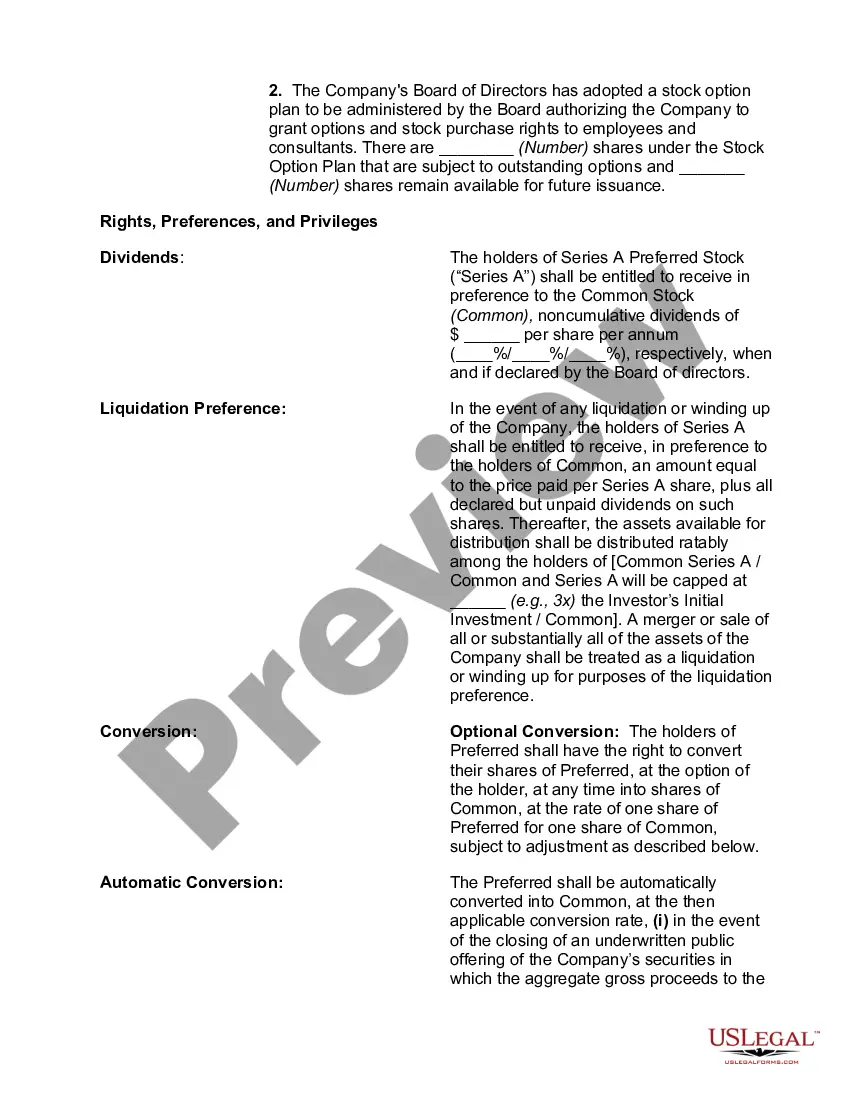
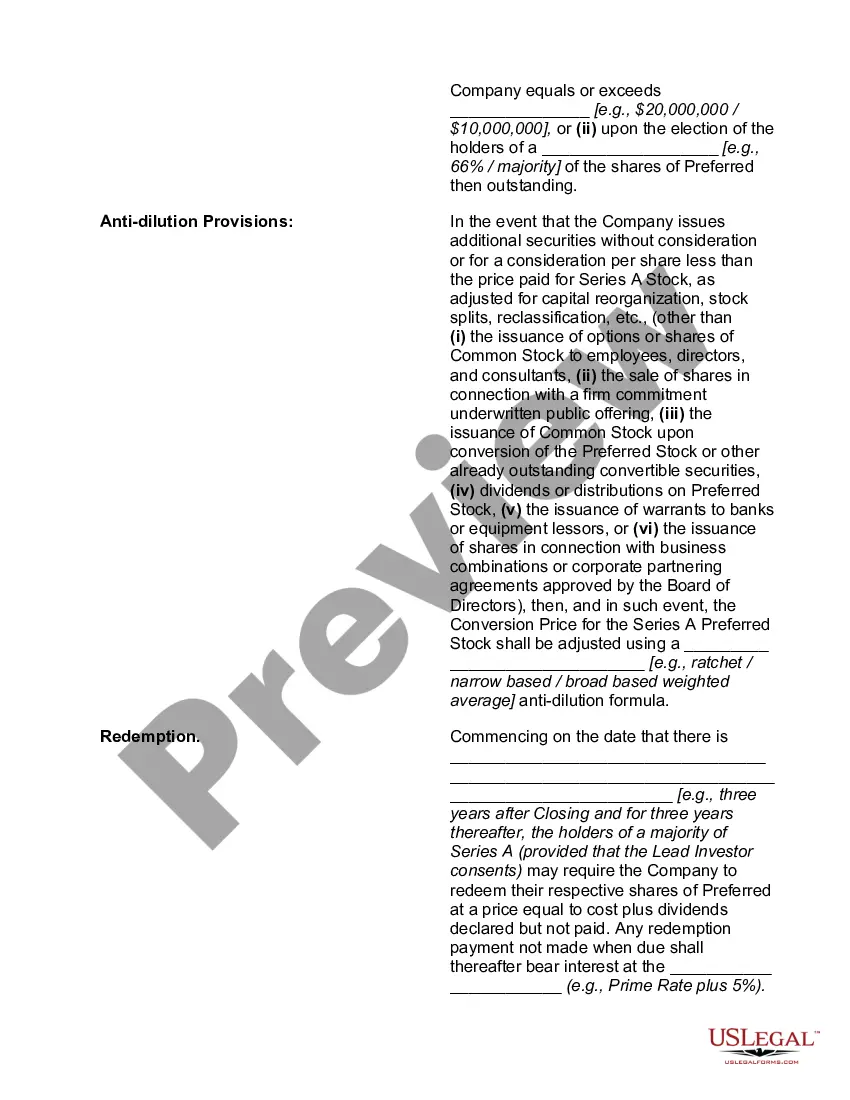
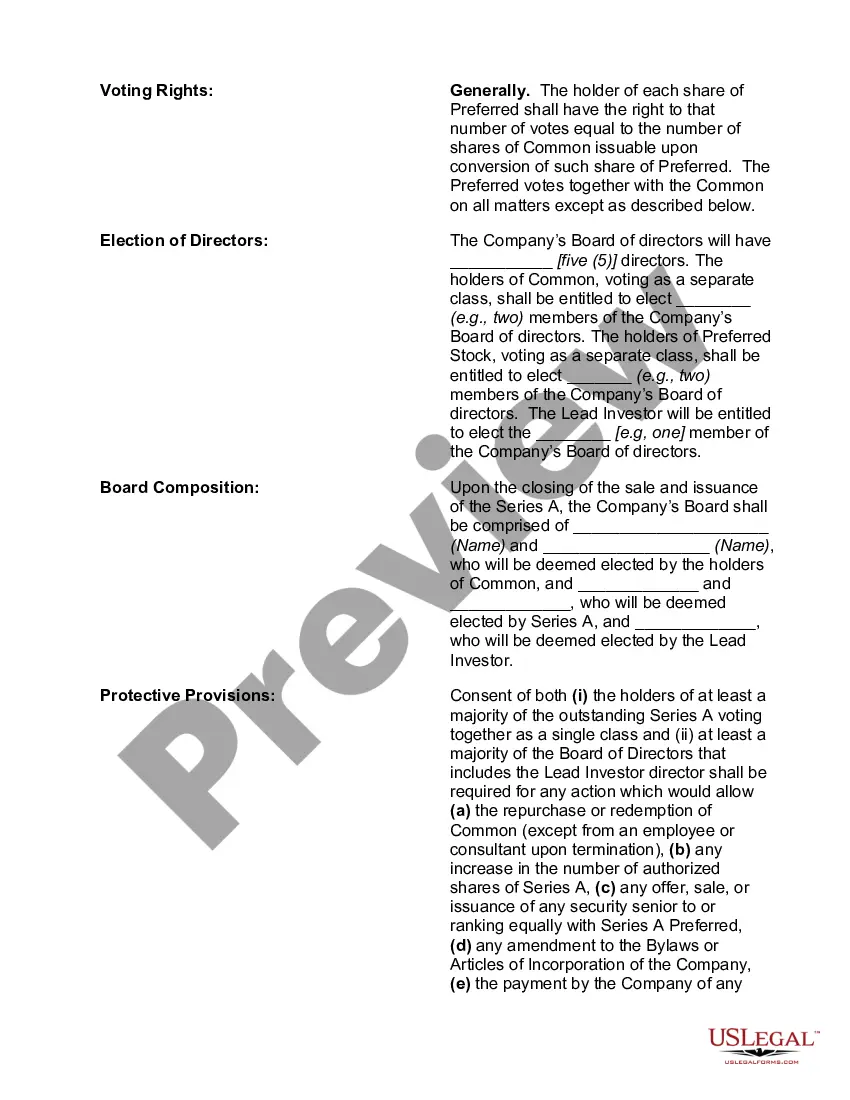
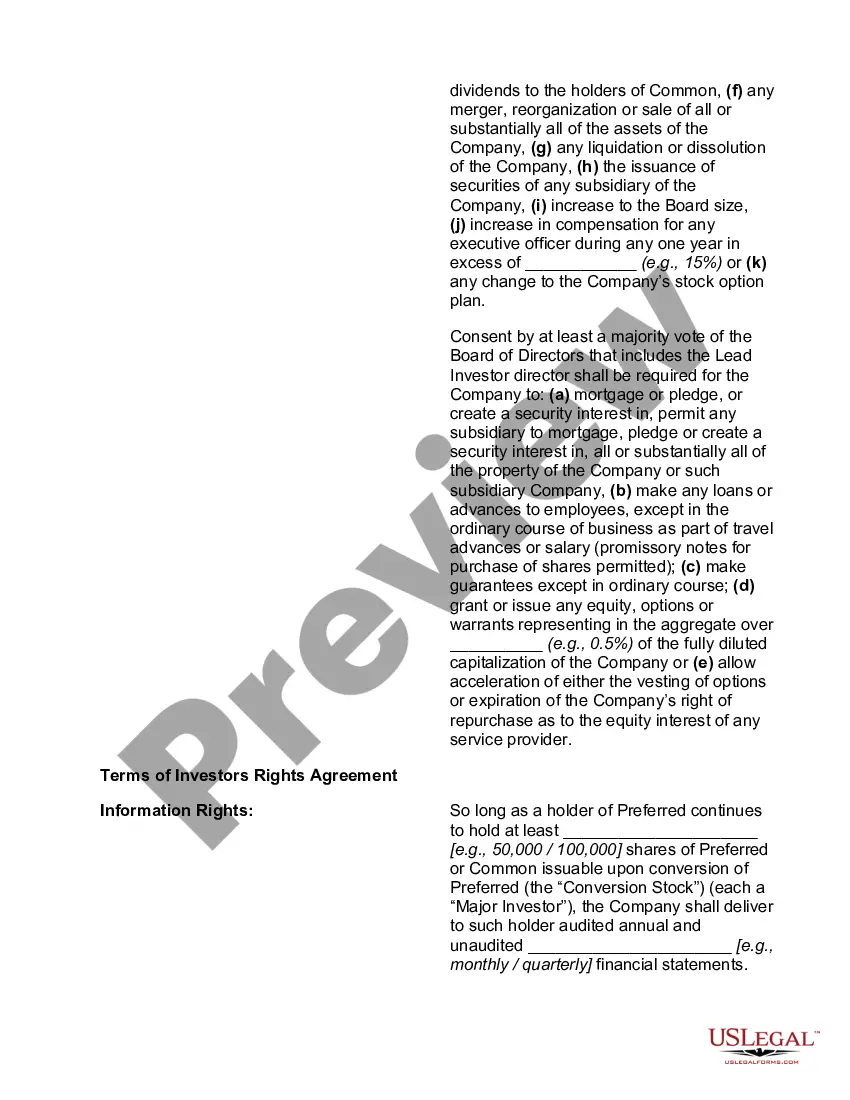
Get your form ready online
Our built-in tools help you complete, sign, share, and store your documents in one place.
Make edits, fill in missing information, and update formatting in US Legal Forms—just like you would in MS Word.
Download a copy, print it, send it by email, or mail it via USPS—whatever works best for your next step.
Sign and collect signatures with our SignNow integration. Send to multiple recipients, set reminders, and more. Go Premium to unlock E-Sign.
If this form requires notarization, complete it online through a secure video call—no need to meet a notary in person or wait for an appointment.
We protect your documents and personal data by following strict security and privacy standards.

Make edits, fill in missing information, and update formatting in US Legal Forms—just like you would in MS Word.

Download a copy, print it, send it by email, or mail it via USPS—whatever works best for your next step.

Sign and collect signatures with our SignNow integration. Send to multiple recipients, set reminders, and more. Go Premium to unlock E-Sign.

If this form requires notarization, complete it online through a secure video call—no need to meet a notary in person or wait for an appointment.

We protect your documents and personal data by following strict security and privacy standards.
Looking for another form?










Form popularity
FAQ
Keep your email concise (aim for 200-300 words), but make every word count. Personalize each email to the specific investor, highlighting why you think they'd be a great fit for your venture. Lastly, don't be discouraged if you don't hear back immediately. Follow up politely after a week or two, but avoid being pushy.
Keep your email concise (aim for 200-300 words), but make every word count. Personalize each email to the specific investor, highlighting why you think they'd be a great fit for your venture. Lastly, don't be discouraged if you don't hear back immediately. Follow up politely after a week or two, but avoid being pushy.
An angel investor email template should include key information about your business, such as your elevator pitch, what problem you're solving, your team's background, and what stage of funding you're seeking. Personalizing your message and clarifying why you're reaching out to this specific investor is also important.
Before you meet investors Document financial situation. Present financial documents and realistic financial projections for your startup. Highlight your founding team. Angel groups and investors want a team they can trust. Build a business pitch deck. Research the right angel investor.
Angel investors typically seek a 10%-30% equity stake in a company. This percentage is negotiated based on your startup's valuation, the funding amount and the perceived risk. It's essential to strike a balance that reflects your company's current value and future potential.
How to contact an angel investor Determine if an angel investor is right for you. Learn more about angel investors. Consider sources for finding an investor. Prepare your information and materials. Develop a convincing business pitch. Be patient during the decision process.
Angel investors typically invest between $25,000 and $100,000 in a project. On the other hand, seed firms usually invest a larger amount, typically between $250,000 and $1 million.
Here are some suggestions on how you can become an angel investor: Understand how it works. Understand the risks. Use your resources. Find and evaluate potential investments. Join a group or platform. Develop a strategy. Decide what type of investor you are. Choose a valuation method.
How Much Share to Give an Investor? An investor will generally require stock in your firm to stay with you until you sell it. However, you may not want to give up a portion of your business. Many advisors suggest that those just starting out should consider giving somewhere between 10 and 20% of ownership.
Angel investors typically seek a 10%-30% equity stake in a company. This percentage is negotiated based on your startup's valuation, the funding amount and the perceived risk. It's essential to strike a balance that reflects your company's current value and future potential.
