Angel With Definition In Franklin
Description

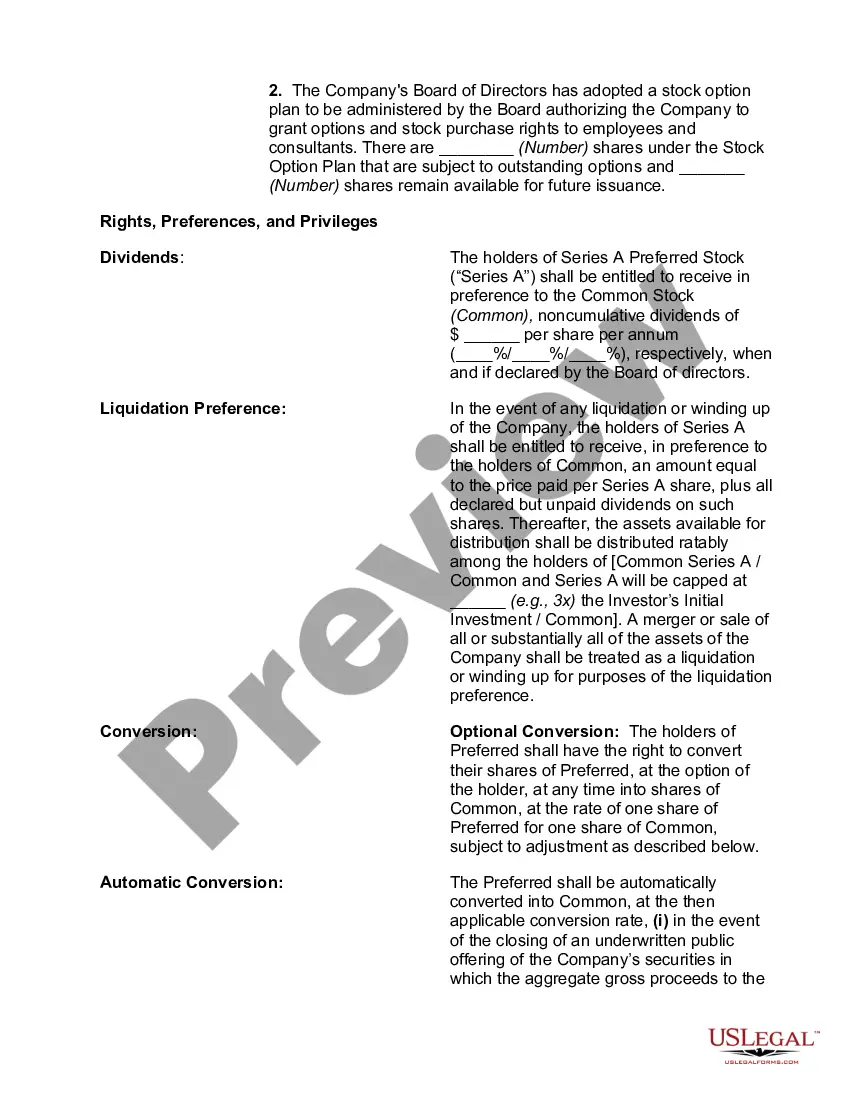
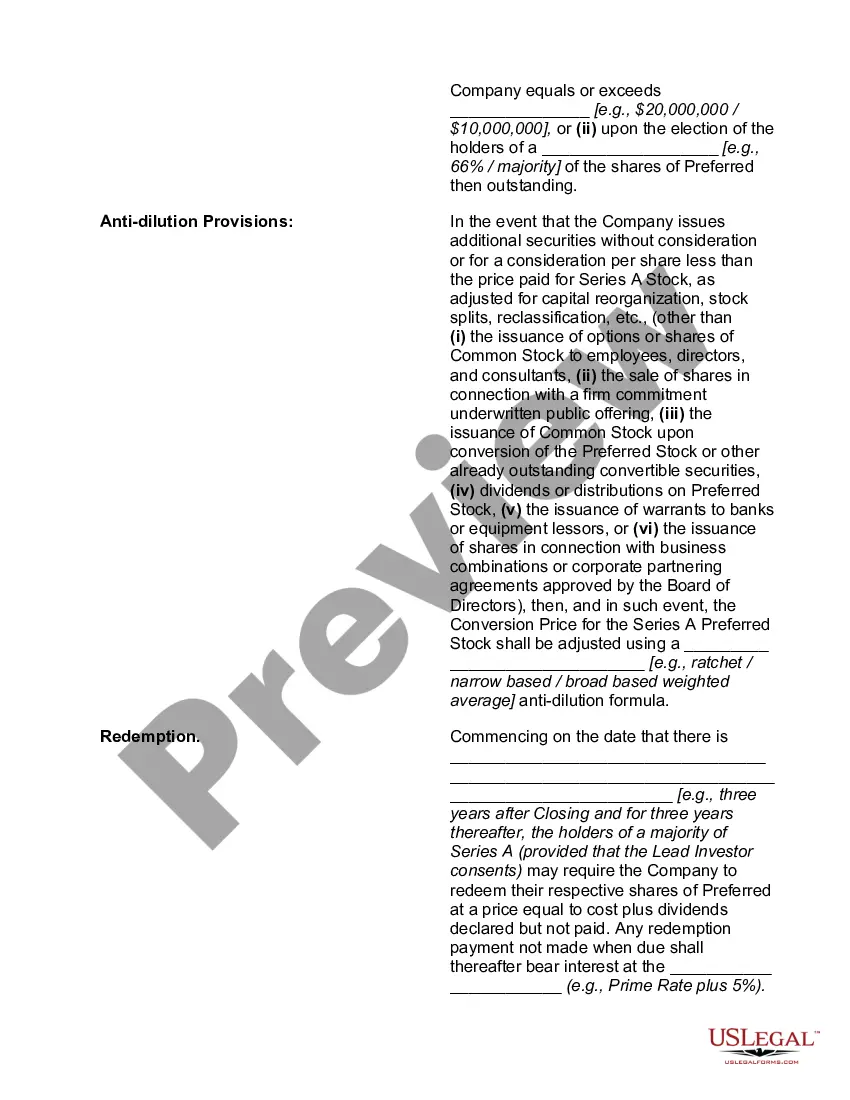
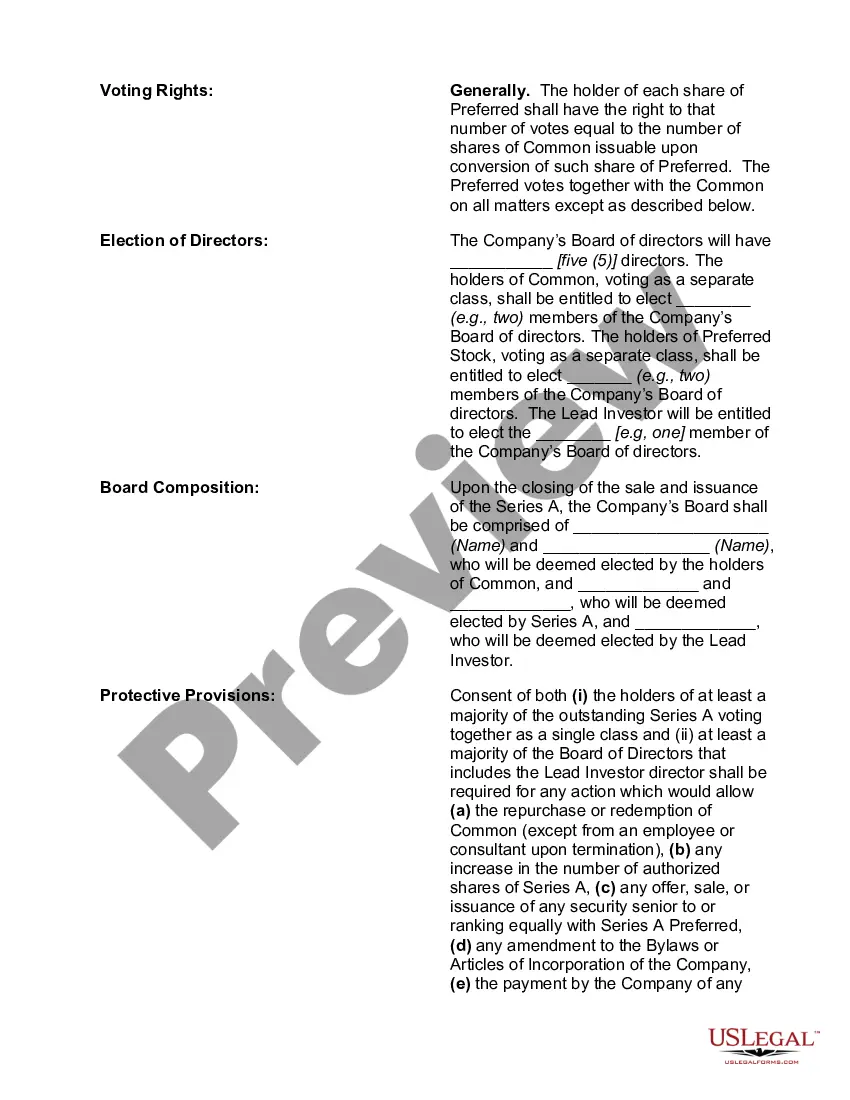
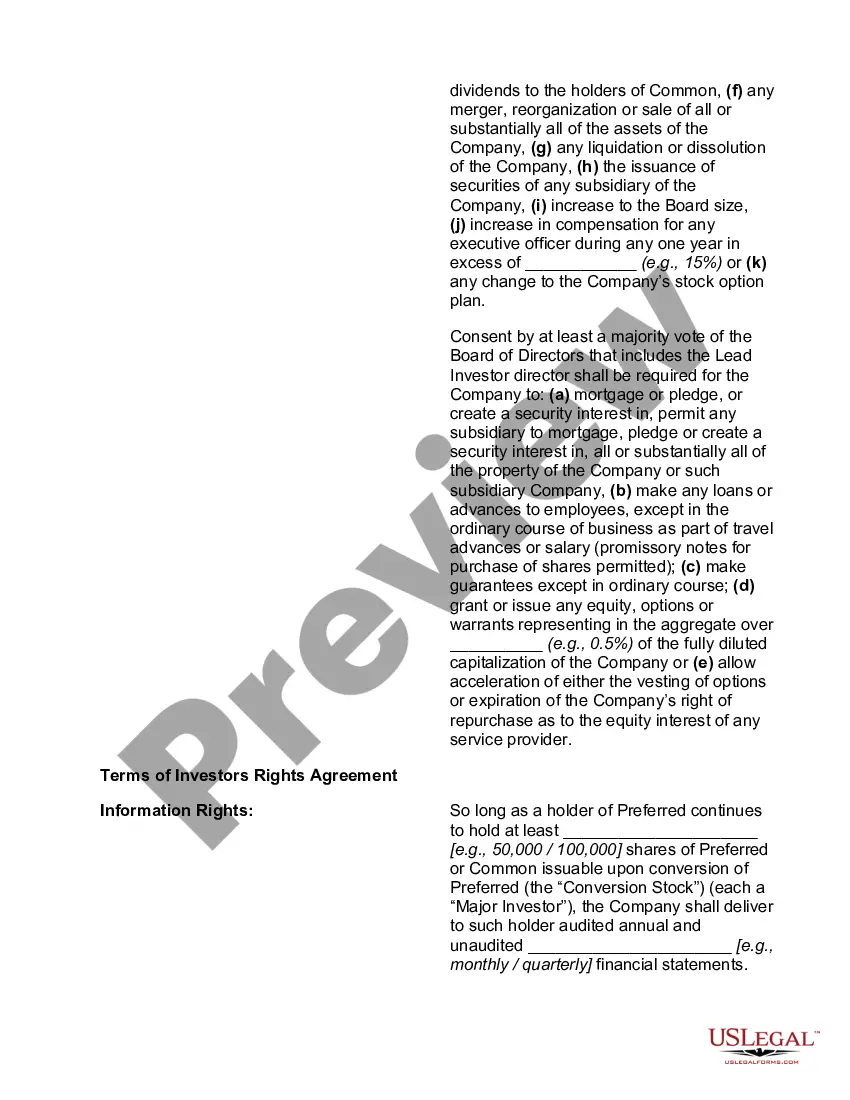
Get your form ready online
Our built-in tools help you complete, sign, share, and store your documents in one place.
Make edits, fill in missing information, and update formatting in US Legal Forms—just like you would in MS Word.
Download a copy, print it, send it by email, or mail it via USPS—whatever works best for your next step.
Sign and collect signatures with our SignNow integration. Send to multiple recipients, set reminders, and more. Go Premium to unlock E-Sign.
If this form requires notarization, complete it online through a secure video call—no need to meet a notary in person or wait for an appointment.
We protect your documents and personal data by following strict security and privacy standards.

Make edits, fill in missing information, and update formatting in US Legal Forms—just like you would in MS Word.

Download a copy, print it, send it by email, or mail it via USPS—whatever works best for your next step.

Sign and collect signatures with our SignNow integration. Send to multiple recipients, set reminders, and more. Go Premium to unlock E-Sign.

If this form requires notarization, complete it online through a secure video call—no need to meet a notary in person or wait for an appointment.

We protect your documents and personal data by following strict security and privacy standards.
Looking for another form?





Form popularity
FAQ
The angles of a right triangle can be calculated using the law of sines, or by knowing the lengths of the sides and the value of one angle and applying the formula SOH CAH TOA. If the value of a second angle is known, the third angle can be found by adding the two known angles and subtracting that value from 180.
So a 4.5 centimeters it denoted with lowercase a and the angle B. The side opposite now if labeledMoreSo a 4.5 centimeters it denoted with lowercase a and the angle B. The side opposite now if labeled lowercase B and the angle C the side opposite is labeled lowercase C.
It's defined as: SOH: Sin(θ) = Opposite / Hypotenuse. CAH: Cos(θ) = Adjacent / Hypotenuse. TOA: Tan(θ) = Opposite / Adjacent.
How to use SOHCAHTOA to find the unknown angles of right angled triangles Label the sides of the right-angled triangle that we have information about. Choose the trig ratio we need. Substitute the values from the triangle into the function. Using inverse trig functions, work out the missing angle θ.
Okay all right. So knowing that let's go back to our lovely triangle and let's go ahead. And uhMoreOkay all right. So knowing that let's go back to our lovely triangle and let's go ahead. And uh obviously identify here's the angle. Okay and we said okay what's the opposite.
Protractors Place the midpoint of the protractor on the vertex of the angle. Line up one side of the angle with the zero line of the protractor. Read the degrees where the other side crosses the number scale.
Angle Definition in Maths In Plane Geometry, a figure which is formed by two rays or lines that shares a common endpoint is called an angle. The word “angle” is derived from the Latin word “angulus”, which means “corner”. The two rays are called the sides of an angle, and the common endpoint is called the vertex.
