Partnering Angel Investor With Ai In Arizona
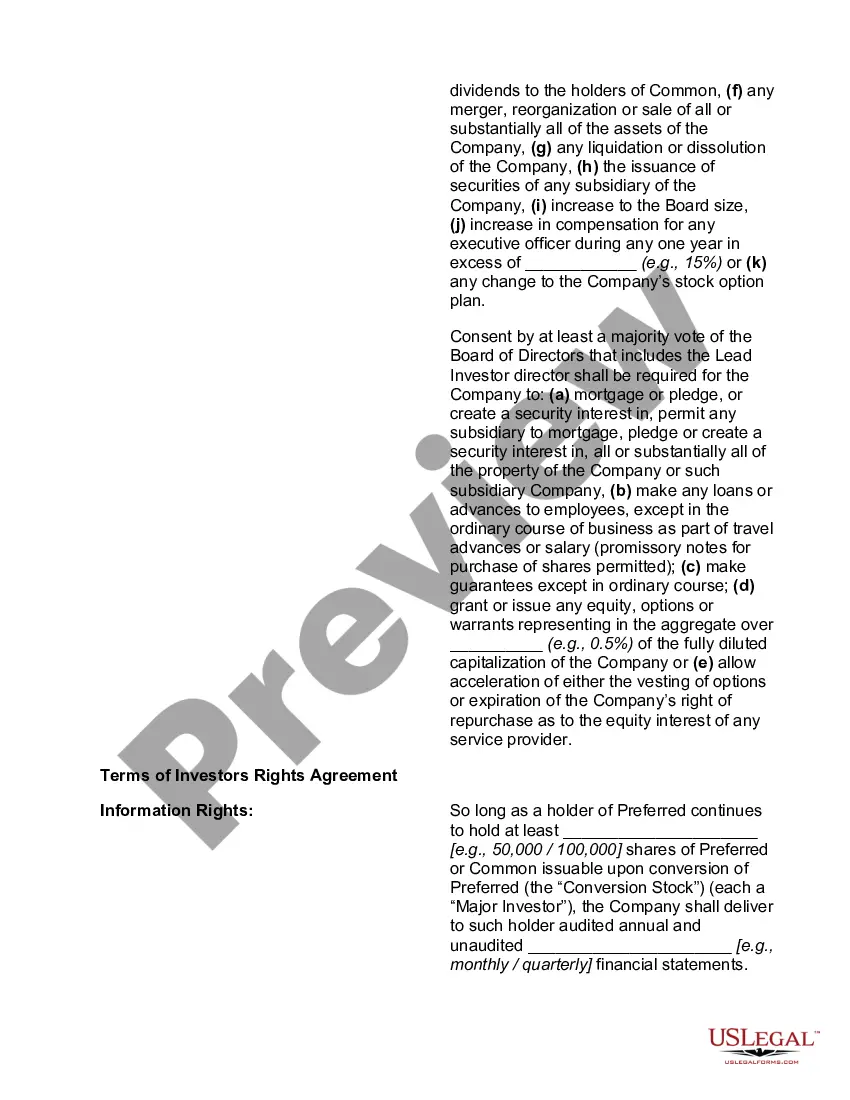
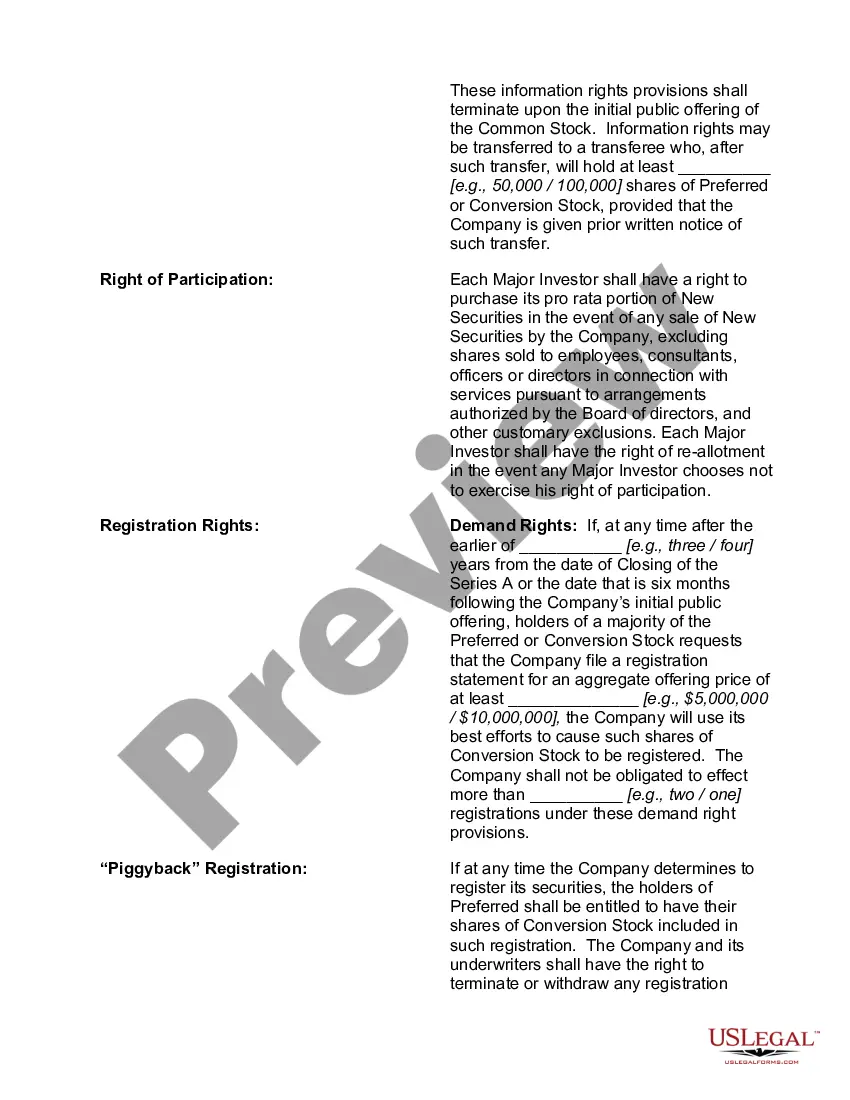
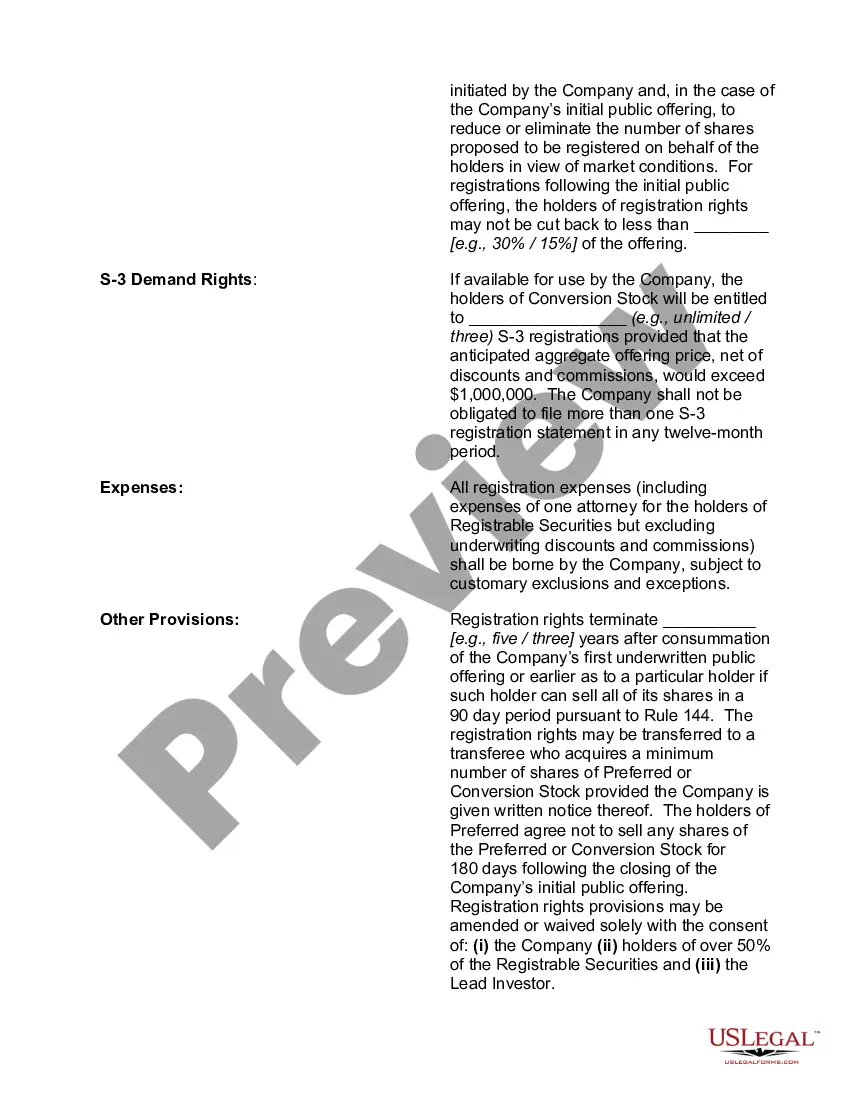
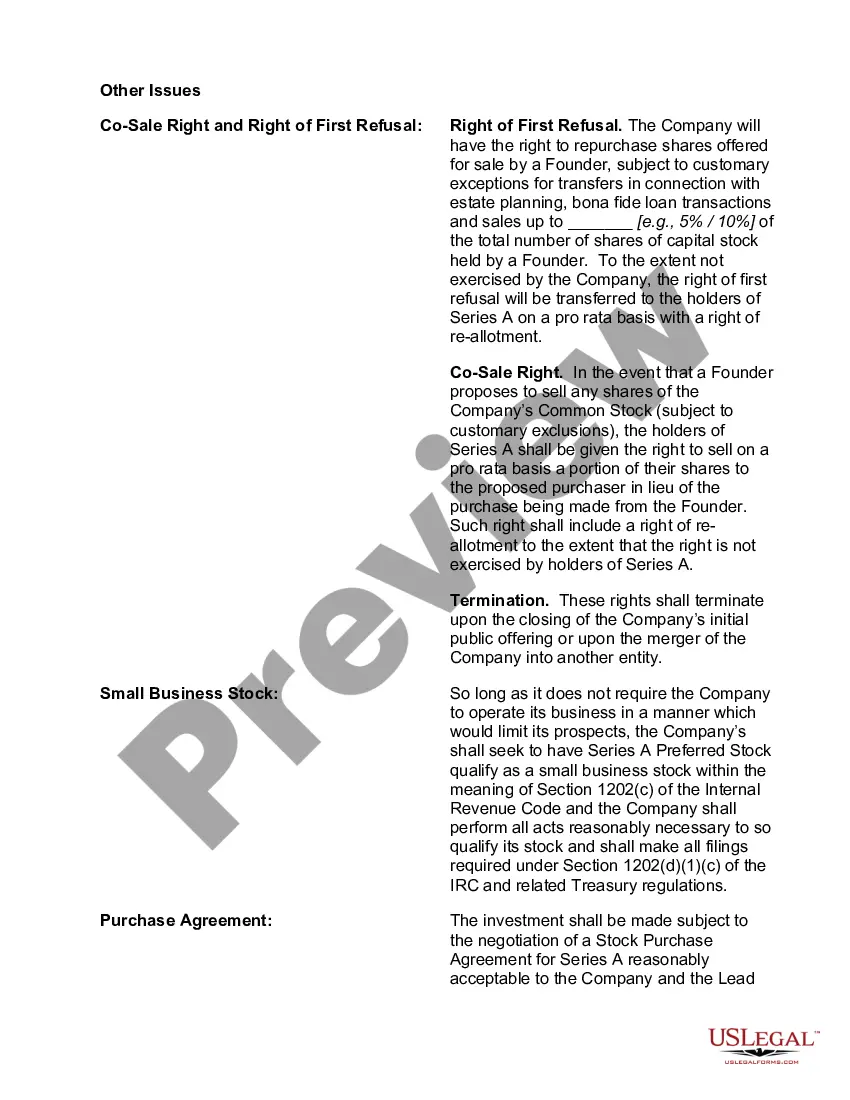
Description
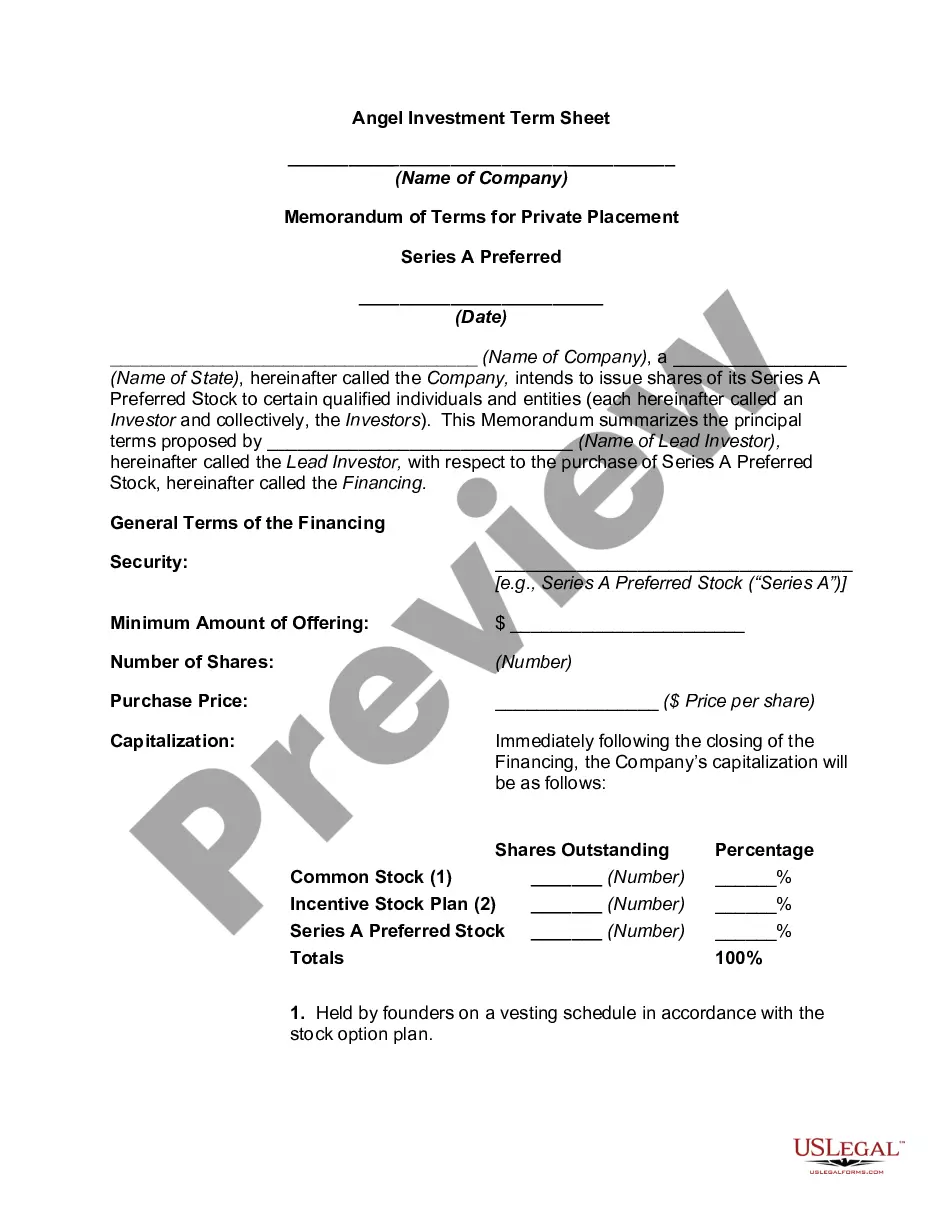
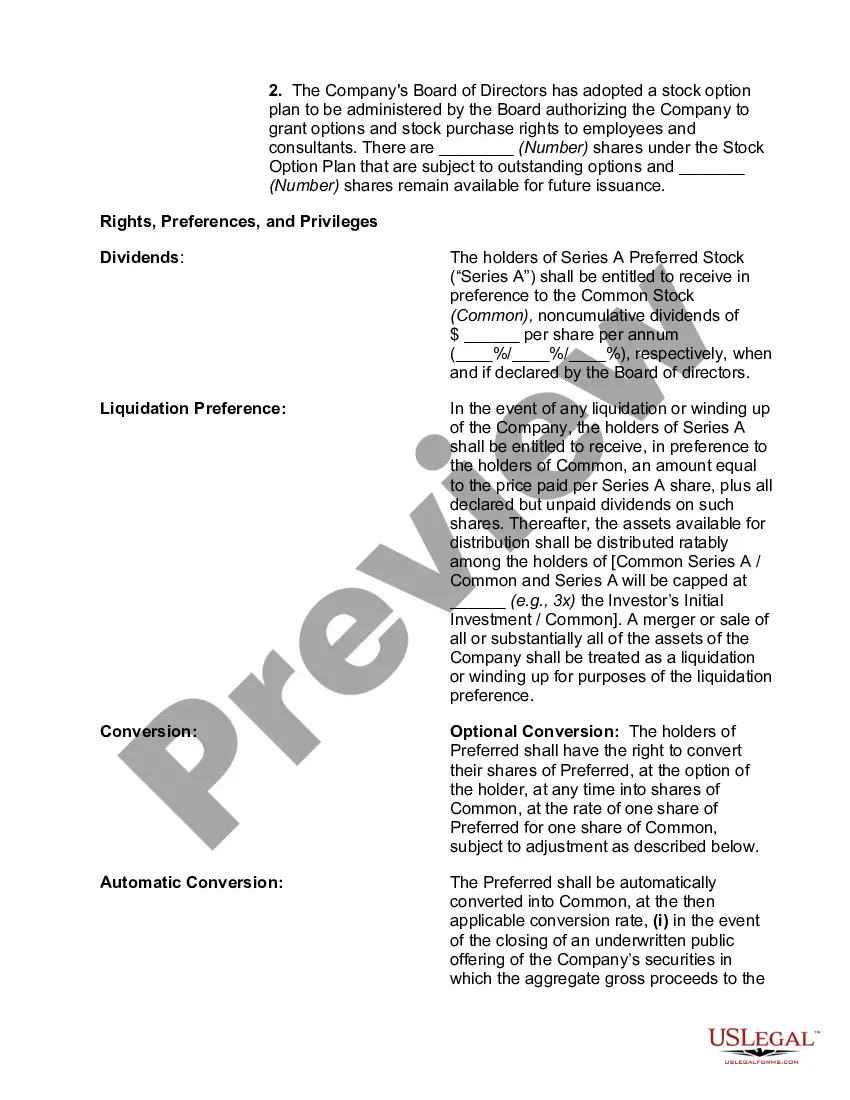
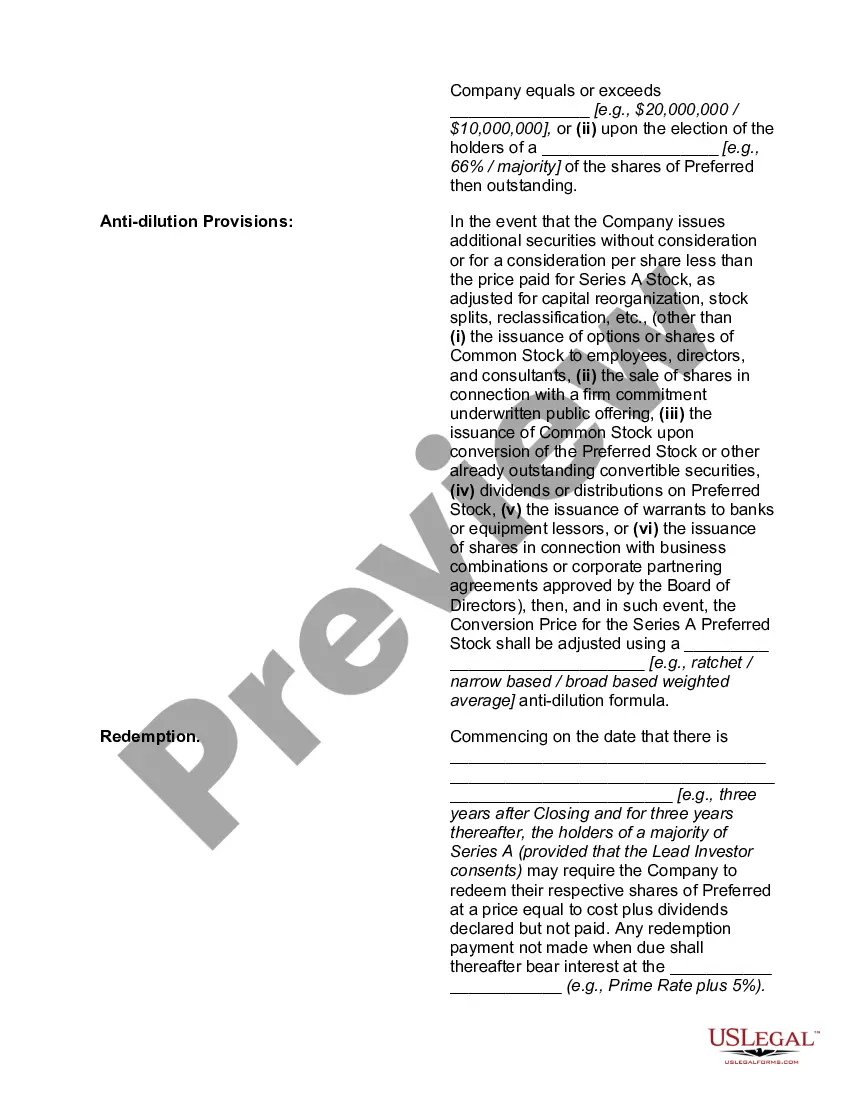
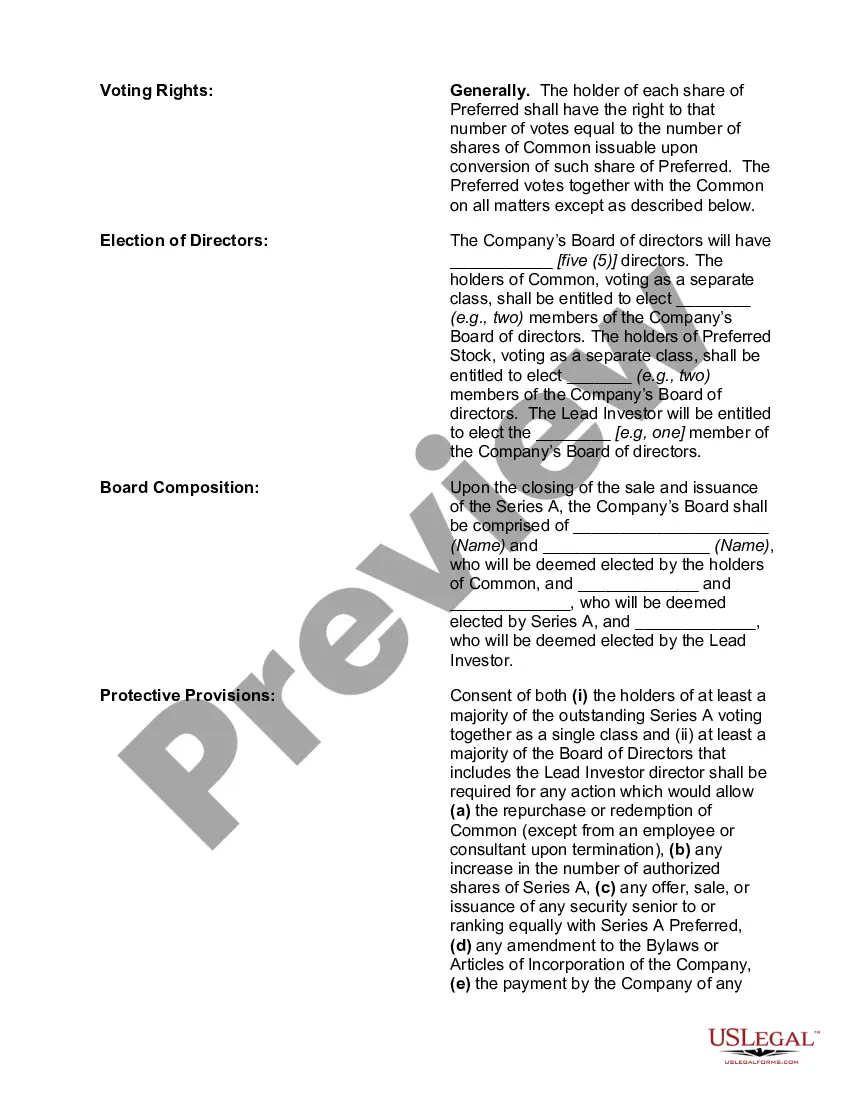
Get your form ready online
Our built-in tools help you complete, sign, share, and store your documents in one place.
Make edits, fill in missing information, and update formatting in US Legal Forms—just like you would in MS Word.
Download a copy, print it, send it by email, or mail it via USPS—whatever works best for your next step.
Sign and collect signatures with our SignNow integration. Send to multiple recipients, set reminders, and more. Go Premium to unlock E-Sign.
If this form requires notarization, complete it online through a secure video call—no need to meet a notary in person or wait for an appointment.
We protect your documents and personal data by following strict security and privacy standards.

Make edits, fill in missing information, and update formatting in US Legal Forms—just like you would in MS Word.

Download a copy, print it, send it by email, or mail it via USPS—whatever works best for your next step.

Sign and collect signatures with our SignNow integration. Send to multiple recipients, set reminders, and more. Go Premium to unlock E-Sign.

If this form requires notarization, complete it online through a secure video call—no need to meet a notary in person or wait for an appointment.

We protect your documents and personal data by following strict security and privacy standards.
Looking for another form?



Form popularity
FAQ
How to find angel investors Get involved with angel groups and angel investment networks. Attract interest to your business on social media. Attend networking events. Compete in startup events and pitch competitions. Talk with fellow founders. Engage with an incubator or accelerator. Participate in local startup ecosystems.
Some angel investors choose to invest through LLCs rather than as individuals. Generally, passively investing through an LLC rather than as an individual offers no tax advantages.
Different LLCs can have very different fundraising needs, and there are many different options and types of investors for raising capital that an LLC's members can consider. You can consult with a legal or financial advisor for more context on what types of funding might be most appropriate for your LLC.
THE FIRST REQUIREMENT FOR BEING AN ANGEL INVESTOR IS YOU HAVE TO BE AN ACCREDITED INVESTOR. The Securities and Exchange Commission (SEC) first developed these accredited investor rules back in 1933 to protect potential investors.
The tax laws that govern non-profits (such as pension funds) that often invest in VC funds make it difficult for those funds to invest in LLCs. Professional investors also generally want to see you giving stock options to employees which is much easier to do with a C-corporation (more about that below).
Angel investors typically seek a 10%-30% equity stake in a company. This percentage is negotiated based on your startup's valuation, the funding amount and the perceived risk. It's essential to strike a balance that reflects your company's current value and future potential.
An effective proposal should include an investment title, executive summary, project details, marketing and sales strategies, operational logistics, and detailed financial projections including an exit strategy.
Mention why you believe the investor would be interested in your business (eg, shared interests, past investments). Whenever possible, ask for a warm introduction from mutual connections. This increases your credibility. Keep it concise (15-20 minutes) and focus on the most compelling aspects of your business.
Keep your letter brief. The first paragraph should establish your credibility within the industry as well as the other members of your team as assets that can aid in your success. Your second paragraph should lay out your plan to use the funding and what each investors can provide to the business.
How to write a proposal letter Introduce yourself and provide background information. State your purpose for the proposal. Define your goals and objectives. Highlight what sets you apart. Briefly discuss the budget and how funds will be used. Finish with a call to action and request a follow-up.