Angel Term Form Withdrawal In Alameda
Description

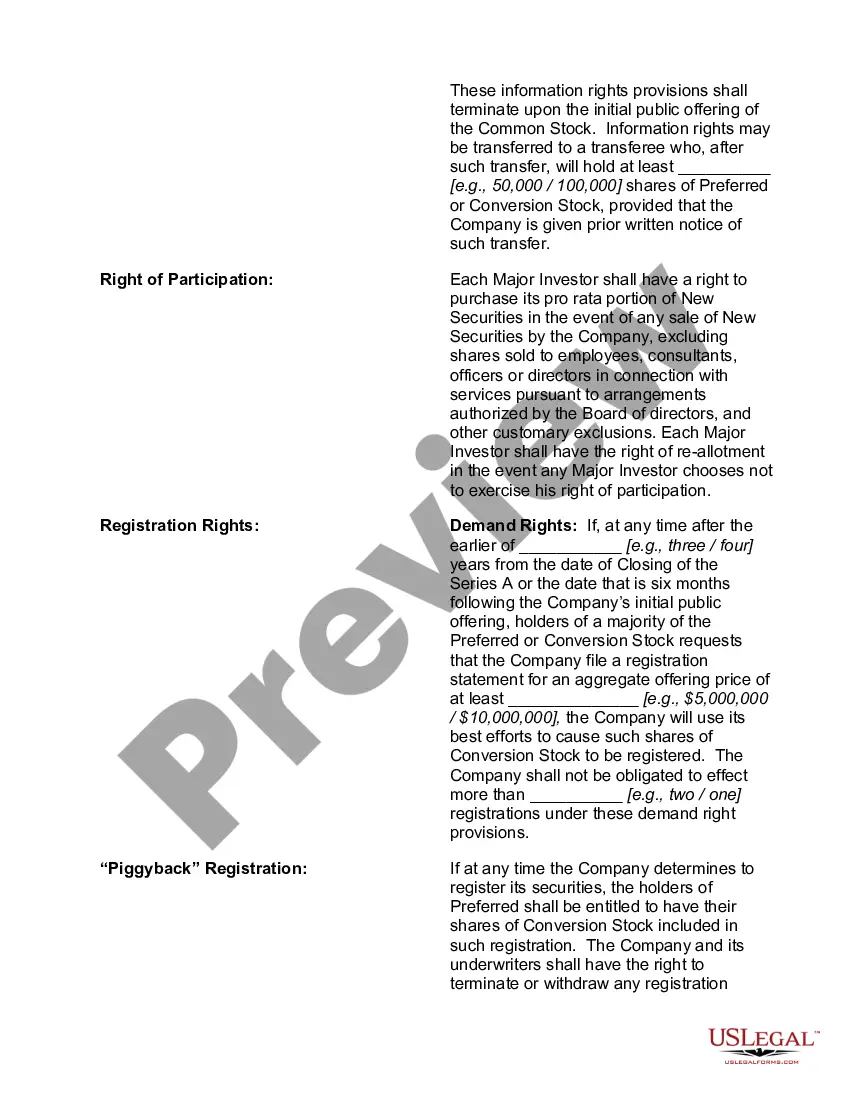
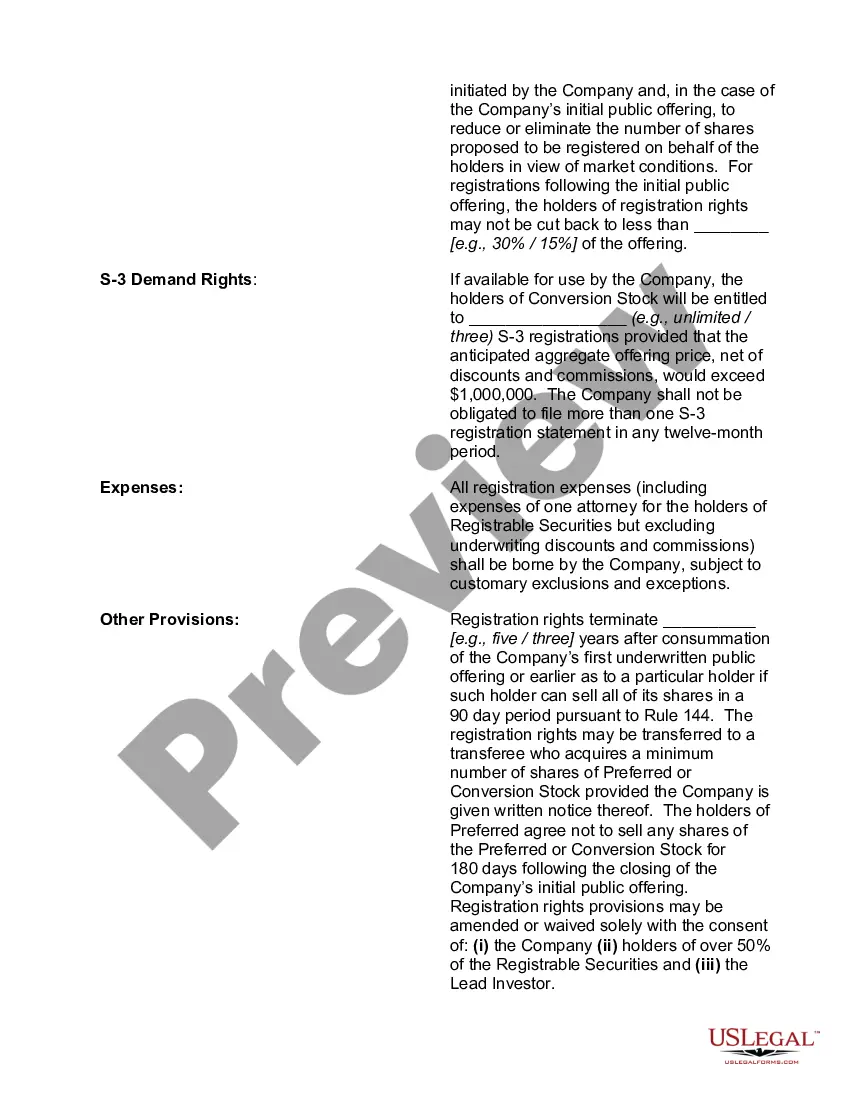
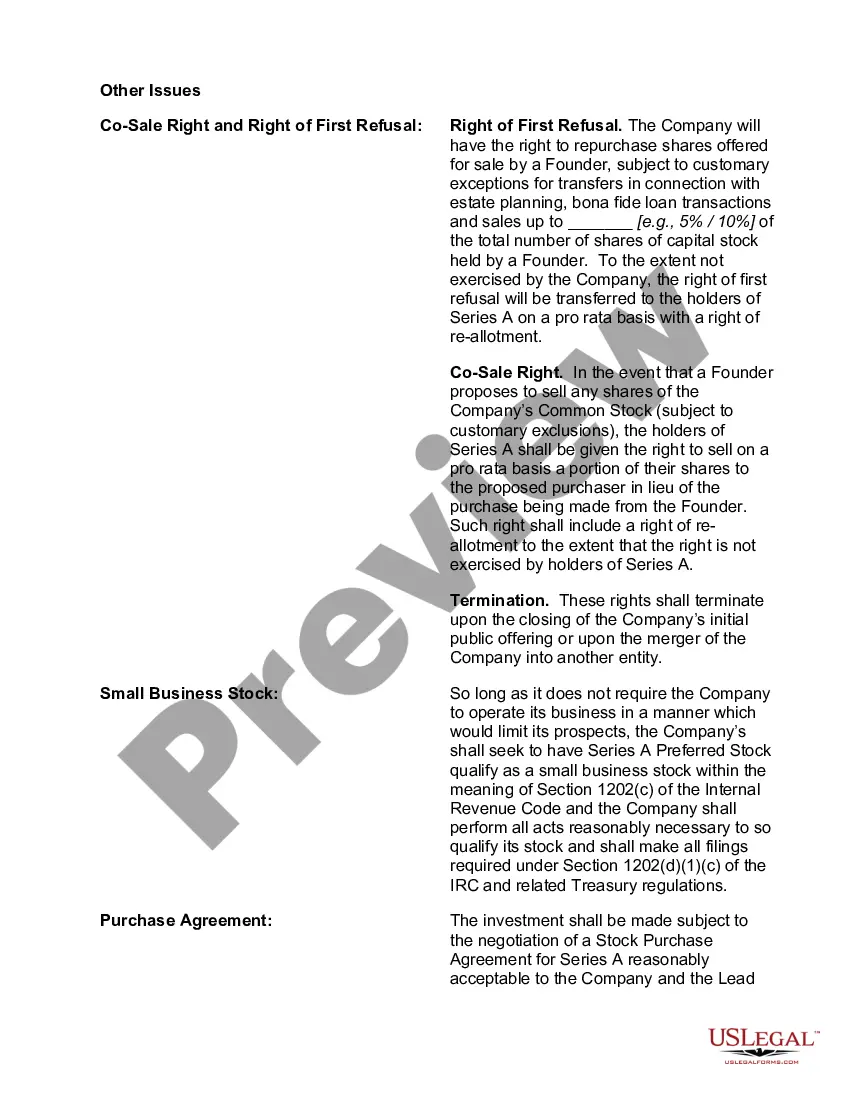
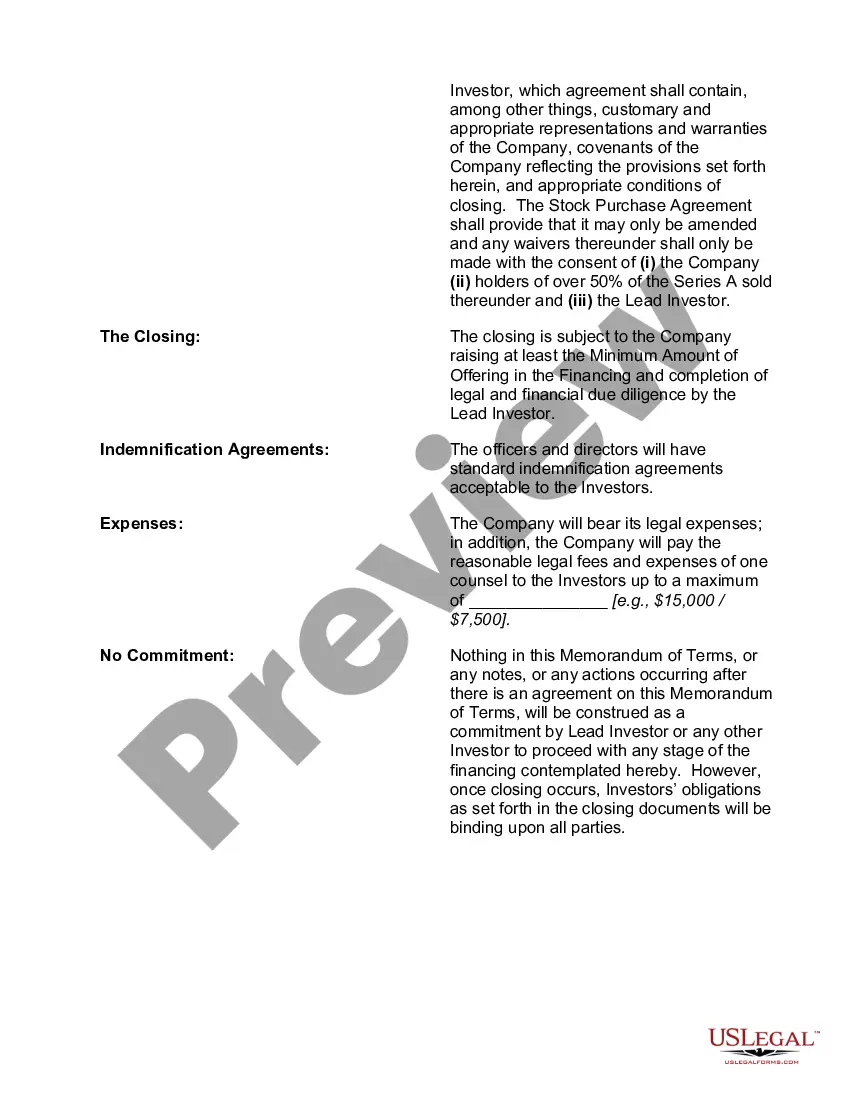
Get your form ready online
Our built-in tools help you complete, sign, share, and store your documents in one place.
Make edits, fill in missing information, and update formatting in US Legal Forms—just like you would in MS Word.
Download a copy, print it, send it by email, or mail it via USPS—whatever works best for your next step.
Sign and collect signatures with our SignNow integration. Send to multiple recipients, set reminders, and more. Go Premium to unlock E-Sign.
If this form requires notarization, complete it online through a secure video call—no need to meet a notary in person or wait for an appointment.
We protect your documents and personal data by following strict security and privacy standards.

Make edits, fill in missing information, and update formatting in US Legal Forms—just like you would in MS Word.

Download a copy, print it, send it by email, or mail it via USPS—whatever works best for your next step.

Sign and collect signatures with our SignNow integration. Send to multiple recipients, set reminders, and more. Go Premium to unlock E-Sign.

If this form requires notarization, complete it online through a secure video call—no need to meet a notary in person or wait for an appointment.

We protect your documents and personal data by following strict security and privacy standards.
Looking for another form?





Form popularity
FAQ
Are owners required to register rental units? Yes. Section 6-58.55 of the Alameda Municipal Code requires that landlords provide an initial registration statement for each rental unit, including landlords of units that are subsidized through the Housing Choice Voucher (Section 8) program.
All units in California are covered by the rent-ceiling limitations of State of California rent control except: Affordable housing units, BMR units, project-based subsidized housing and Section 8 voucher units. Dorms constructed and maintained by a university and occupied by enrolled students.
Within the city of Alameda, short-term rentals are legal but hosts must register with the city and collect a 14% transient occupancy tax. There are a few licensed Airbnb listings operating in compliance with city rules.
No, under California law, landlords cannot raise rent by 20% in a single year for most properties. The Tenant Protection Act (AB 1482) limits annual rent increases to 5% plus the local Consumer Price Index (CPI) or 10%, whichever is lower.
Under state law, landlords cannot raise rent for most rental units by more than 5% plus the Consumer Price Index or 10%, whichever is lower. For 2023, the allowable rent increase under state law is 10% . Renters in unincorporated areas of Alameda County are entitled to a mediation hearing for rent increases.
The “Ellis Act” is a state law which says that landlords have the unconditional right to evict tenants to “go out of business.” For an Ellis eviction, the landlord must remove all of the units in the building from the rental market, i.e., the landlord must evict all the tenants and cannot single out one tenant (for ...
Are owners required to register rental units? Yes. Section 6-58.55 of the Alameda Municipal Code requires that landlords provide an initial registration statement for each rental unit, including landlords of units that are subsidized through the Housing Choice Voucher (Section 8) program.
