Appointment Resolutions Within 24 Hours In Washington
Description
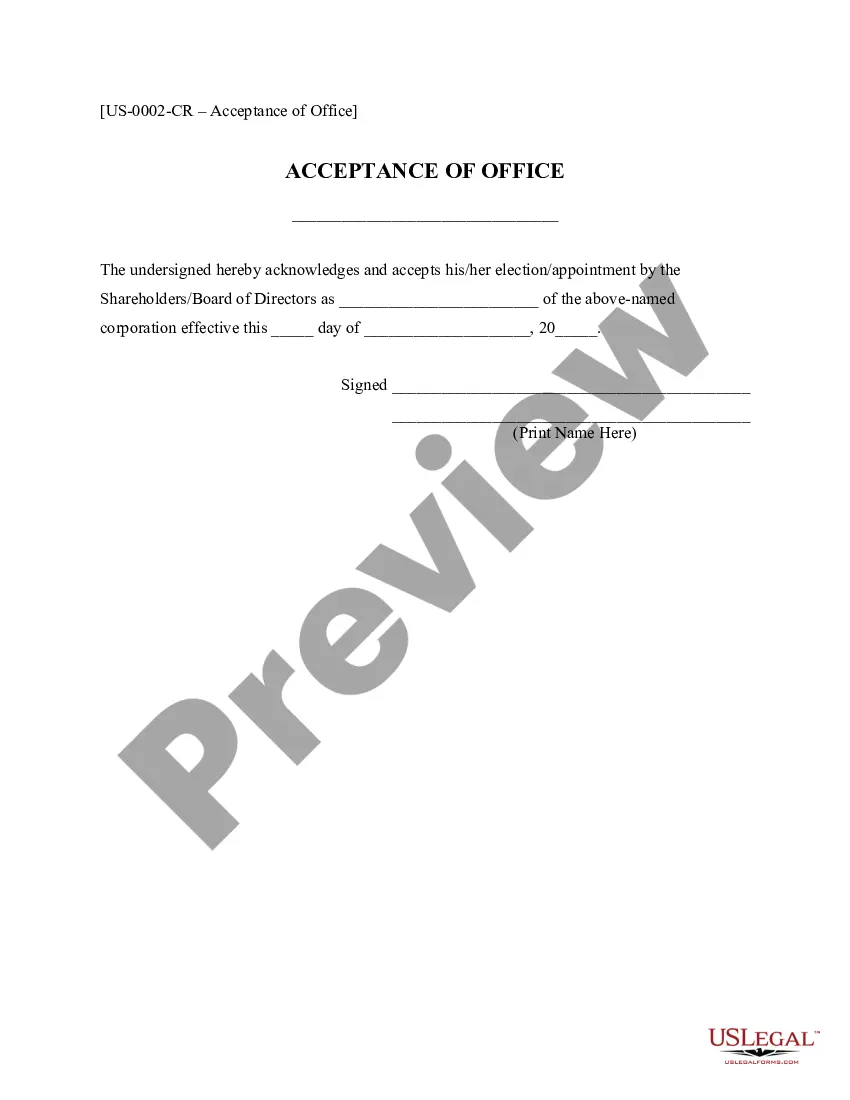

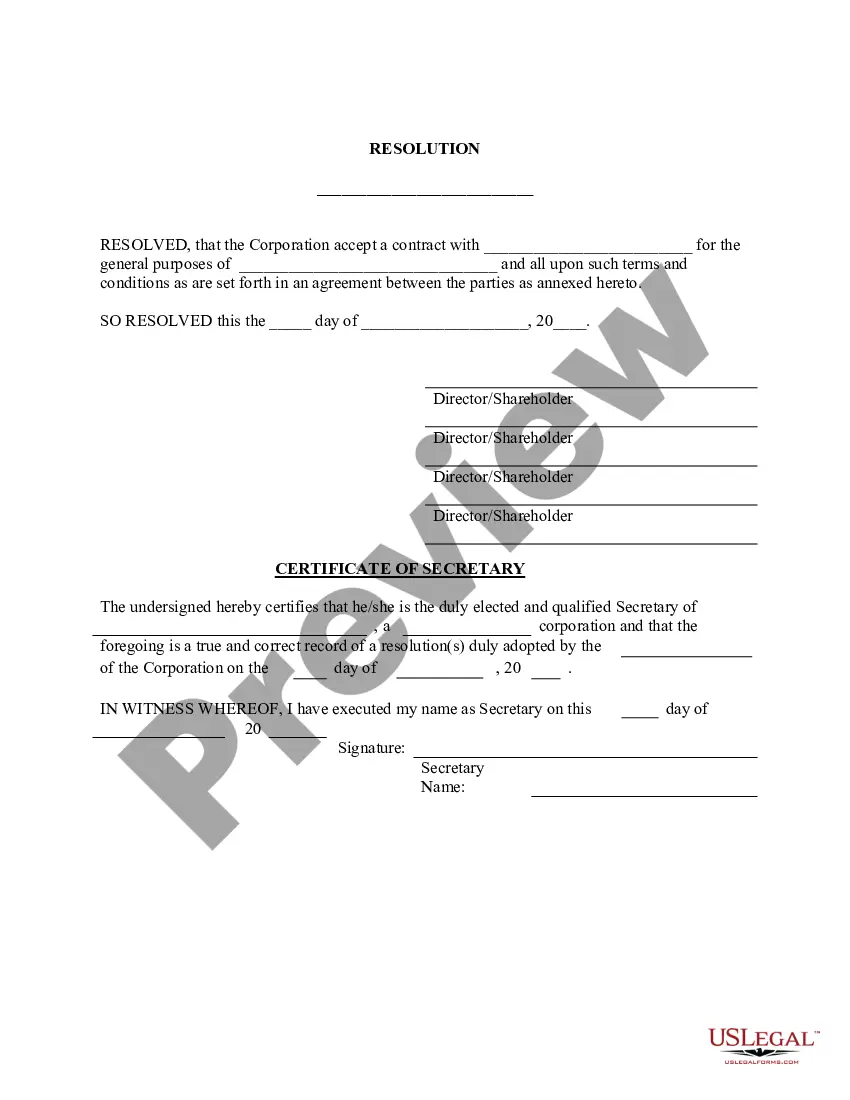
Get your form ready online
Our built-in tools help you complete, sign, share, and store your documents in one place.
Make edits, fill in missing information, and update formatting in US Legal Forms—just like you would in MS Word.
Download a copy, print it, send it by email, or mail it via USPS—whatever works best for your next step.
Sign and collect signatures with our SignNow integration. Send to multiple recipients, set reminders, and more. Go Premium to unlock E-Sign.
If this form requires notarization, complete it online through a secure video call—no need to meet a notary in person or wait for an appointment.
We protect your documents and personal data by following strict security and privacy standards.

Make edits, fill in missing information, and update formatting in US Legal Forms—just like you would in MS Word.

Download a copy, print it, send it by email, or mail it via USPS—whatever works best for your next step.

Sign and collect signatures with our SignNow integration. Send to multiple recipients, set reminders, and more. Go Premium to unlock E-Sign.

If this form requires notarization, complete it online through a secure video call—no need to meet a notary in person or wait for an appointment.

We protect your documents and personal data by following strict security and privacy standards.
Looking for another form?










Form popularity
FAQ
Often, an agency cannot provide a full response within five business days of receipt of the request. Within five business days an agency may respond by acknowledging receipt of the request and providing “a reasonable estimate of the time the agency…will require to respond to the request” (RCW 42.56. 520(1)(c)).
Meetings must: Be noticed in advance; Include only business described in the agenda; Take place within agency boundaries; Be completely accessible by the public. Notice and agenda for regular meeting must be: Posted 72 hours in advance; Posted in an accessible location; Mailed to persons who request notice.
Open meeting laws, also called sunshine laws, require that, with notable exceptions, most meetings of federal and state government agencies and regulatory bodies be open to the public, along with their decisions and records.
California. Both Acts provide that it is a misdemeanor for a member of a state or legislative body to attend a meeting in violation of any provision of the Act, where the member intends to deprive the public of information to which the member knows or has reason to know the public is entitled.
The PRA requires state and local government agencies adopt an agency-specific PRA policy; that policy must facilitate public access to public records, while at same time “prevent interference with other essential functions of the agency” (RCW 42.56. 100 and 42.56. 040).
All meetings of the governing body of a public agency shall be open and public and all persons shall be permitted to attend any meeting of the governing body of a public agency, except as otherwise provided in this chapter.
For the Attorney General of a State address the envelop: The Honorable/(Full name)/Attorney General of (Name of State)/(Address). The salutation of the letter should read: Dear Attorney General (last name).
We want to hear from you! Share your concerns with us and learn how to access OAG services by emailing oagcommunity@dc. Are you a victim of a scam? File a consumer complaint here.
Protects the public by upholding the Consumer Protection Act and enforcing laws against anti-competitive business practices. Proposes legislation to further protect families and children and provide clear, just and enforceable laws.

