Approval For Appointment Letter In Utah
Description
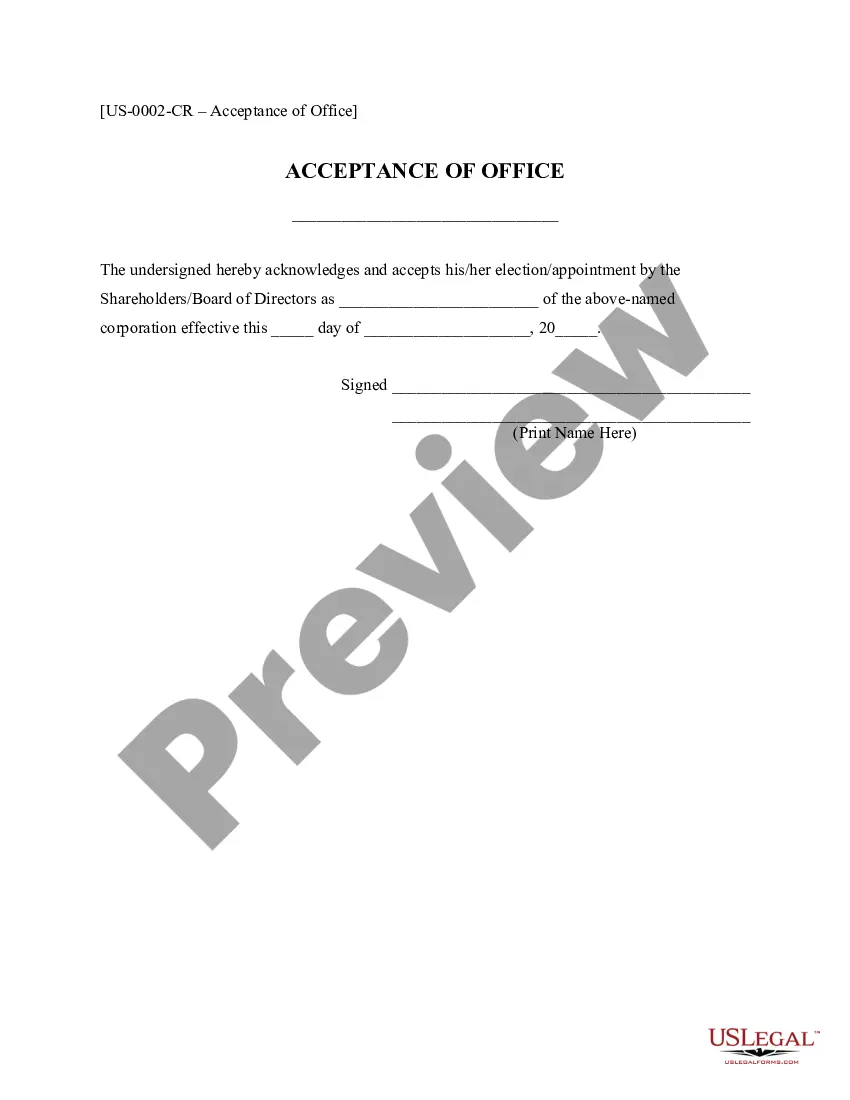

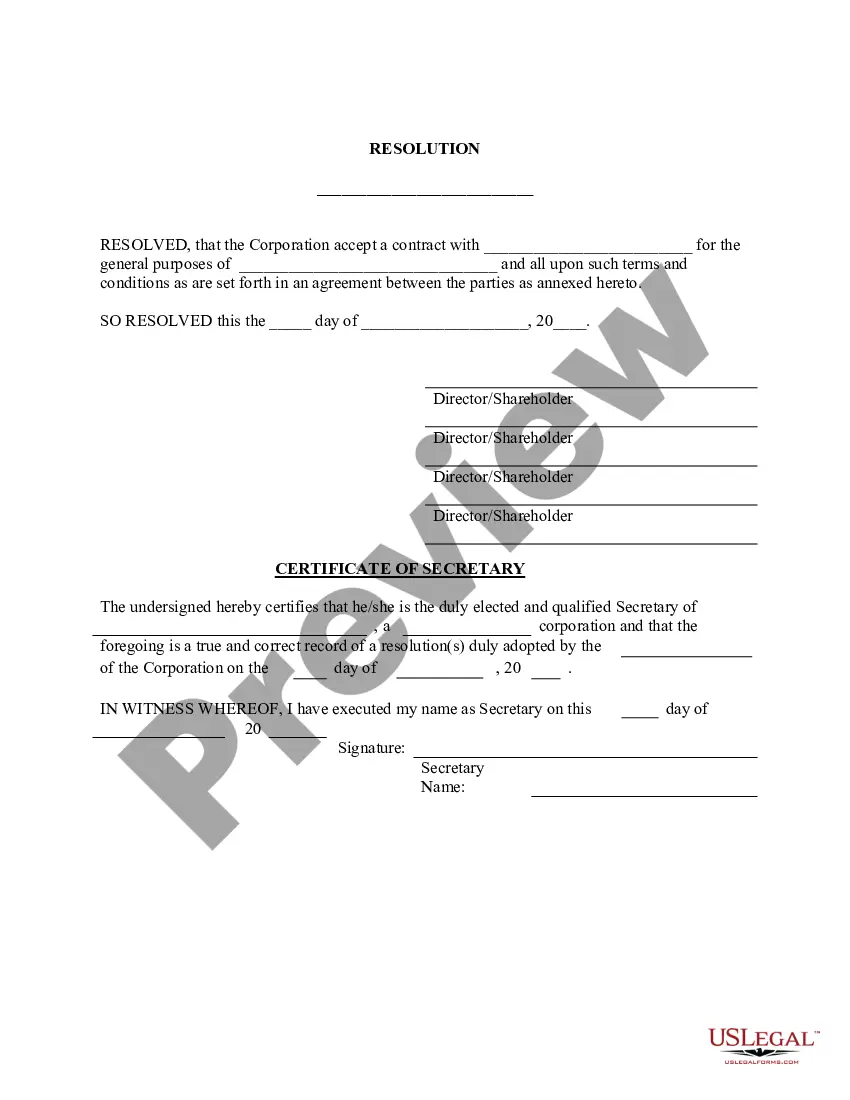
Get your form ready online
Our built-in tools help you complete, sign, share, and store your documents in one place.
Make edits, fill in missing information, and update formatting in US Legal Forms—just like you would in MS Word.
Download a copy, print it, send it by email, or mail it via USPS—whatever works best for your next step.
Sign and collect signatures with our SignNow integration. Send to multiple recipients, set reminders, and more. Go Premium to unlock E-Sign.
If this form requires notarization, complete it online through a secure video call—no need to meet a notary in person or wait for an appointment.
We protect your documents and personal data by following strict security and privacy standards.

Make edits, fill in missing information, and update formatting in US Legal Forms—just like you would in MS Word.

Download a copy, print it, send it by email, or mail it via USPS—whatever works best for your next step.

Sign and collect signatures with our SignNow integration. Send to multiple recipients, set reminders, and more. Go Premium to unlock E-Sign.

If this form requires notarization, complete it online through a secure video call—no need to meet a notary in person or wait for an appointment.

We protect your documents and personal data by following strict security and privacy standards.
Looking for another form?

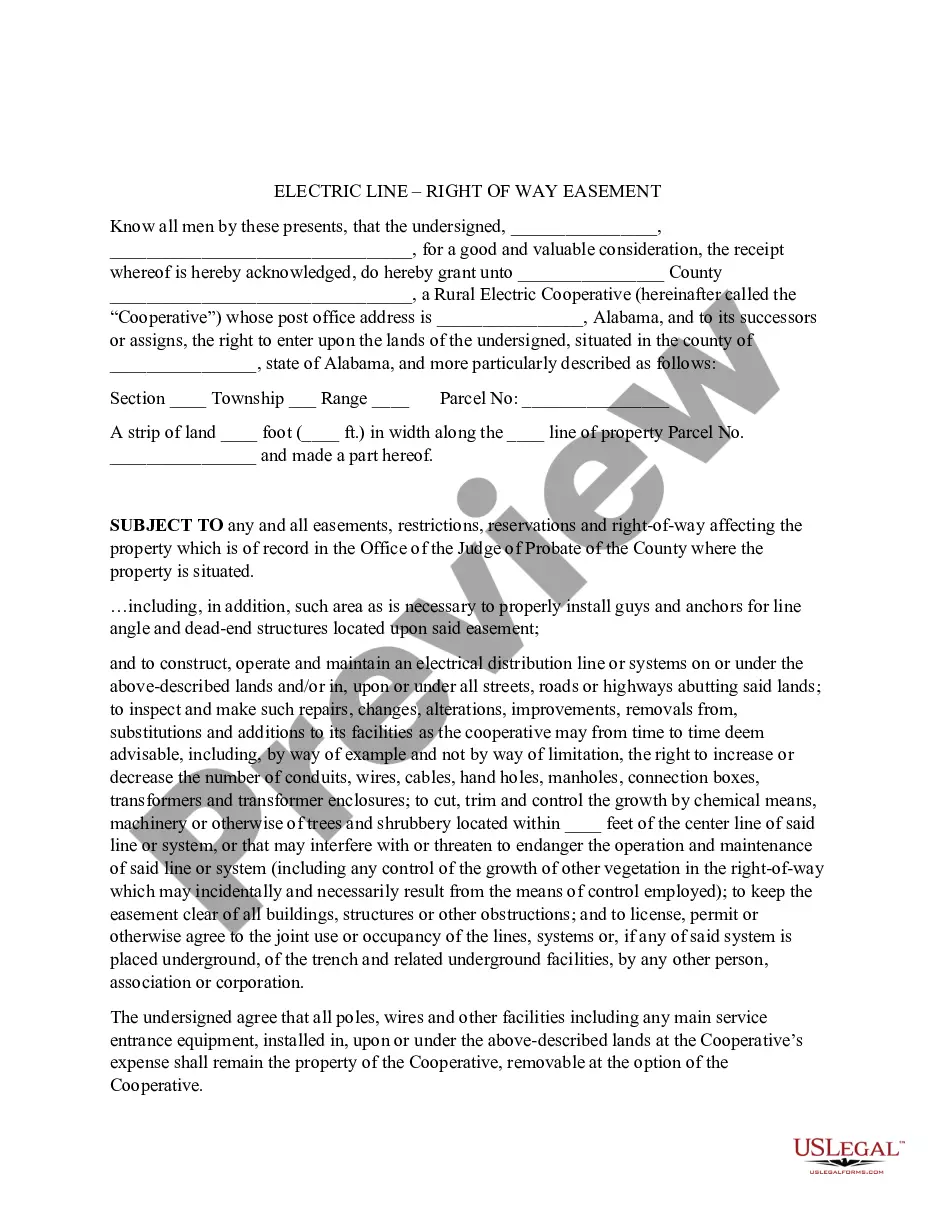



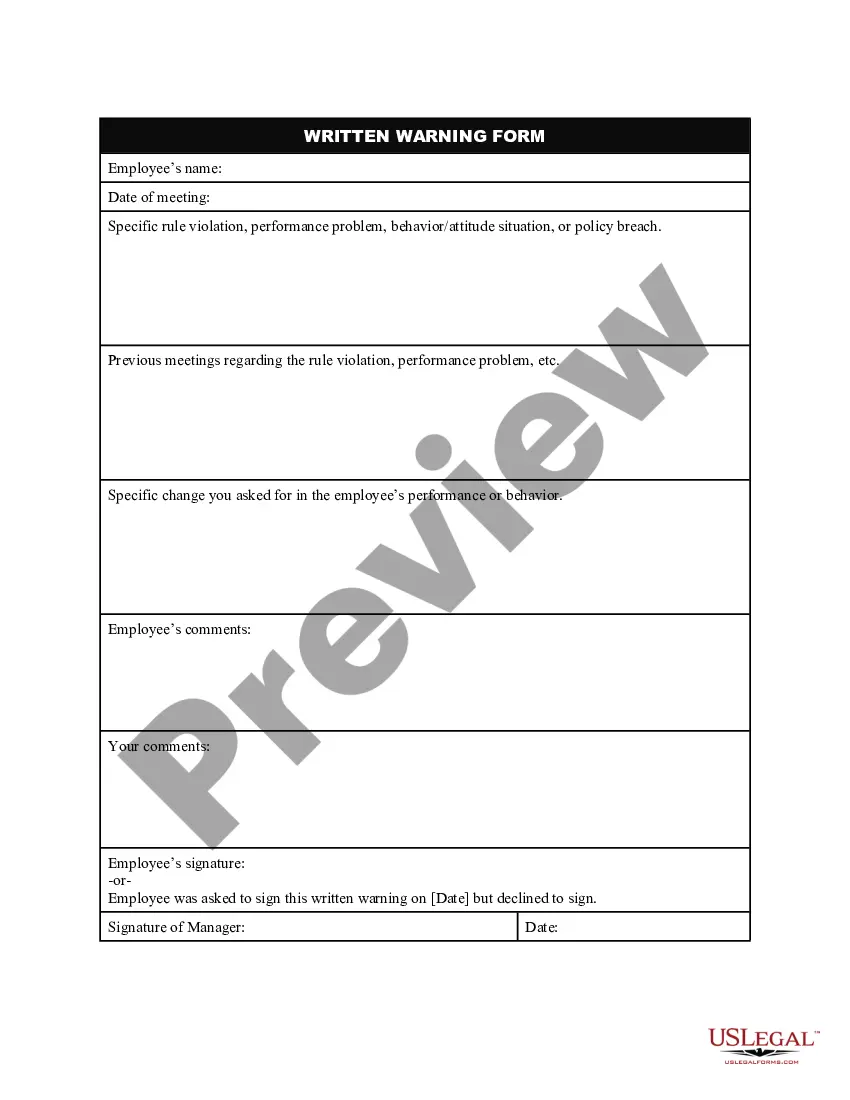



Form popularity
FAQ
For more information, call us at 801.530. 7359.
If the lawyer or LPP for the other party has withdrawn from the case, you must file and serve on that party a Notice to Appear Personally or to Appoint Counsel or Licensed Paralegal Practitioner. This notice tells the other party that there will be no action in the case for at least 21 days.
If you think the draft order correctly says what was ordered, you can sign in the "Approved as to Form" section and either file the signed document with the court, or return it to the other party. Even if you refuse to approve it as to form, the other party can still file the proposed order.
Rule 11 was designed to highlight the importance of constitutional rights by requiring the judge in district court to discuss these rights with the defendant before accepting his plea. In other words, Rule 11 was created to help the defendant understand the basic consequences of the decision to plead guilty.
If you want to file a motion, the process is generally something like this: You write your motion. You file your motion with the court clerk. The court clerk inserts the date and time your motion will be heard by the judge. You “serve” (mail) your motion to the other side.
Instead of answering, the defendant may file one of the motions described in Utah Rule of Civil Procedure 12. If the judge grants the motion, the judge's order will direct the parties what to do next. If the judge denies the motion, the defendant must file an answer within 14 days after the judge's order.
Some states use “ward of the state” synonymously with “ward of the court”, usually referring to a foster child in the custody of a public child welfare agency. In other states, however, “ward of the state” refers to individuals who are or were incarcerated. Incarceration does not make one independent.
Ward: A ward is a child who is placed in the legal custody of the State or other agency, institution, or entity, consistent with applicable Federal, State, or local law.

