Appointment Resolutions Form In Riverside
Description

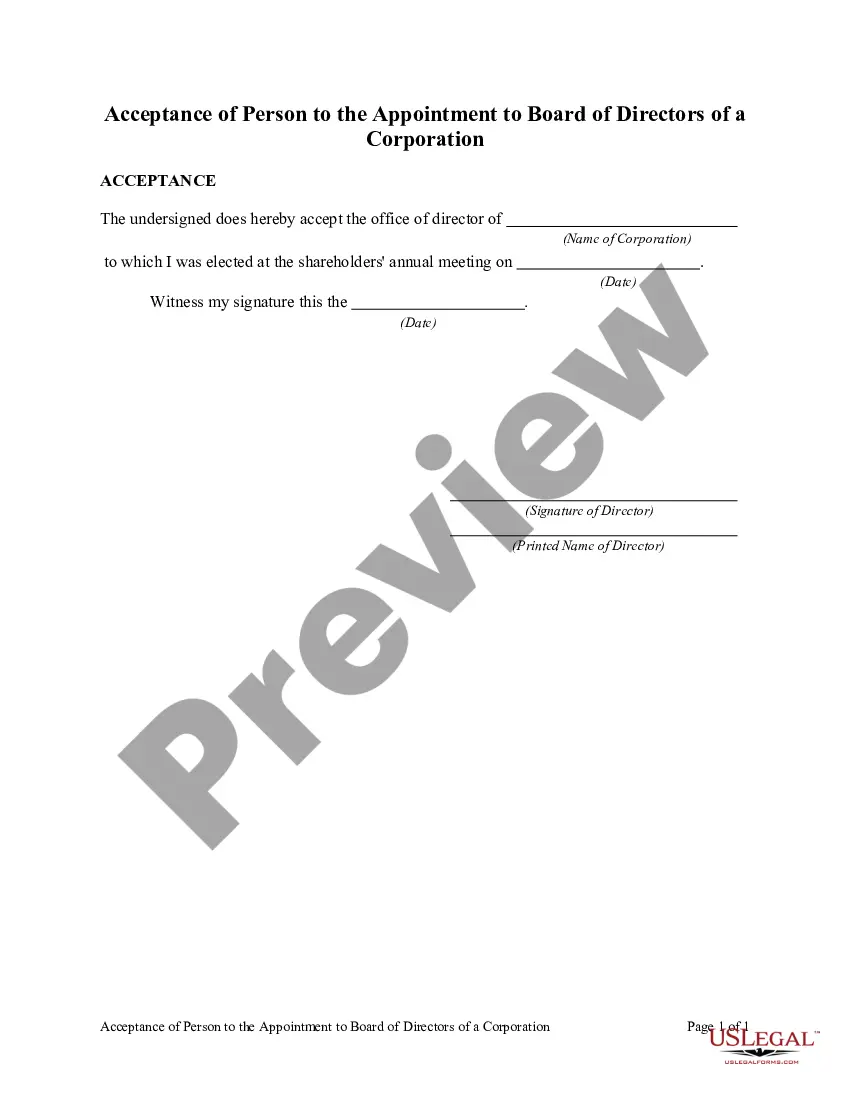
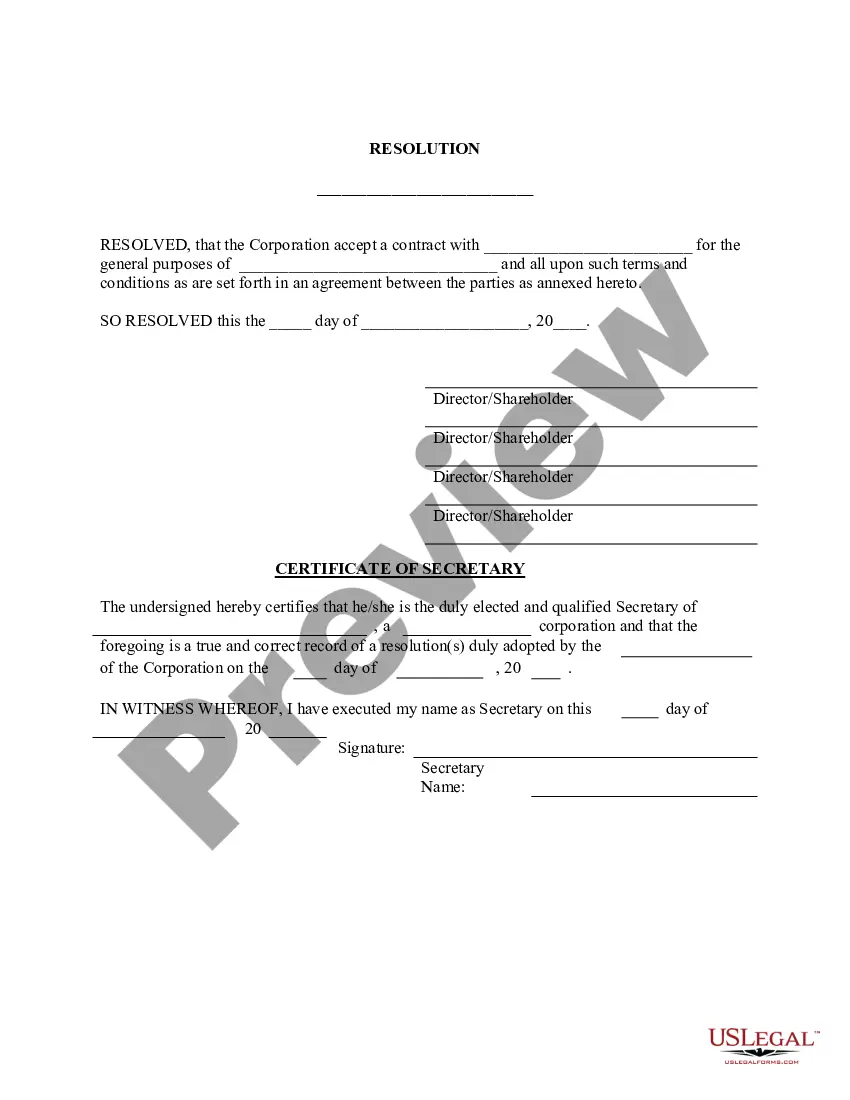
Get your form ready online
Our built-in tools help you complete, sign, share, and store your documents in one place.
Make edits, fill in missing information, and update formatting in US Legal Forms—just like you would in MS Word.
Download a copy, print it, send it by email, or mail it via USPS—whatever works best for your next step.
Sign and collect signatures with our SignNow integration. Send to multiple recipients, set reminders, and more. Go Premium to unlock E-Sign.
If this form requires notarization, complete it online through a secure video call—no need to meet a notary in person or wait for an appointment.
We protect your documents and personal data by following strict security and privacy standards.

Make edits, fill in missing information, and update formatting in US Legal Forms—just like you would in MS Word.

Download a copy, print it, send it by email, or mail it via USPS—whatever works best for your next step.

Sign and collect signatures with our SignNow integration. Send to multiple recipients, set reminders, and more. Go Premium to unlock E-Sign.

If this form requires notarization, complete it online through a secure video call—no need to meet a notary in person or wait for an appointment.

We protect your documents and personal data by following strict security and privacy standards.
Looking for another form?
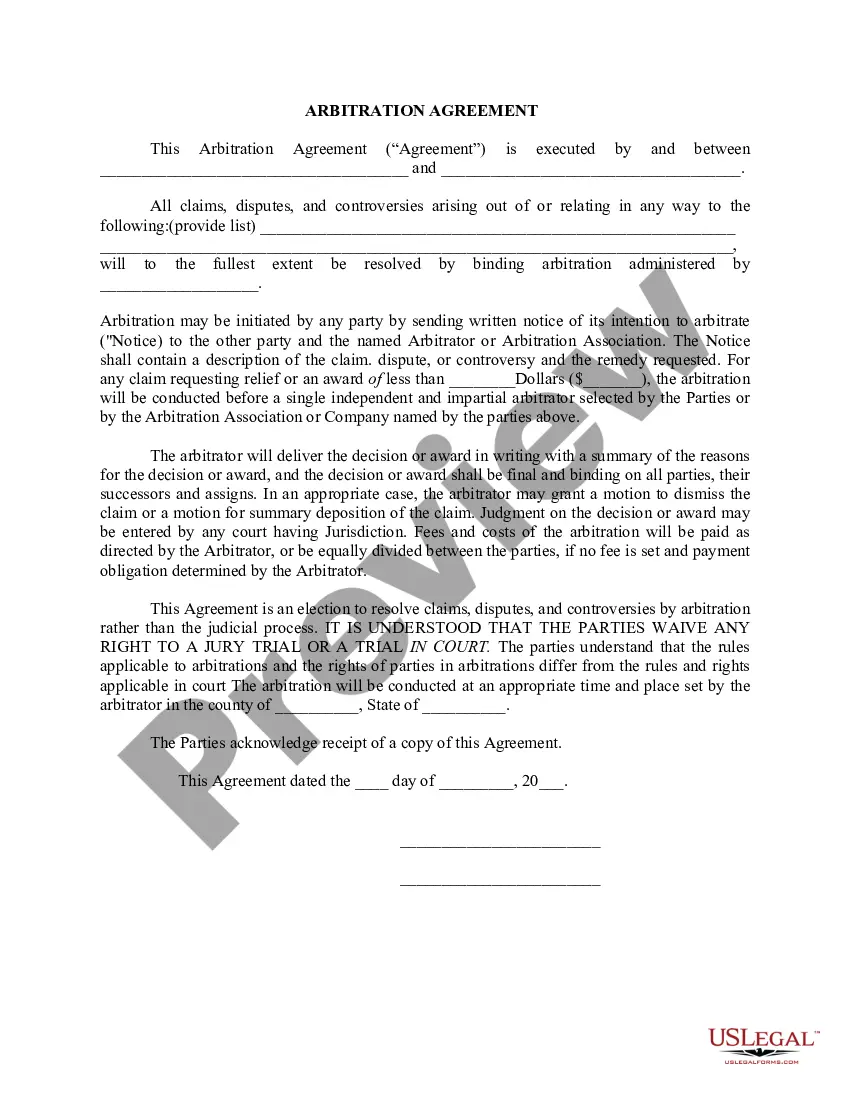


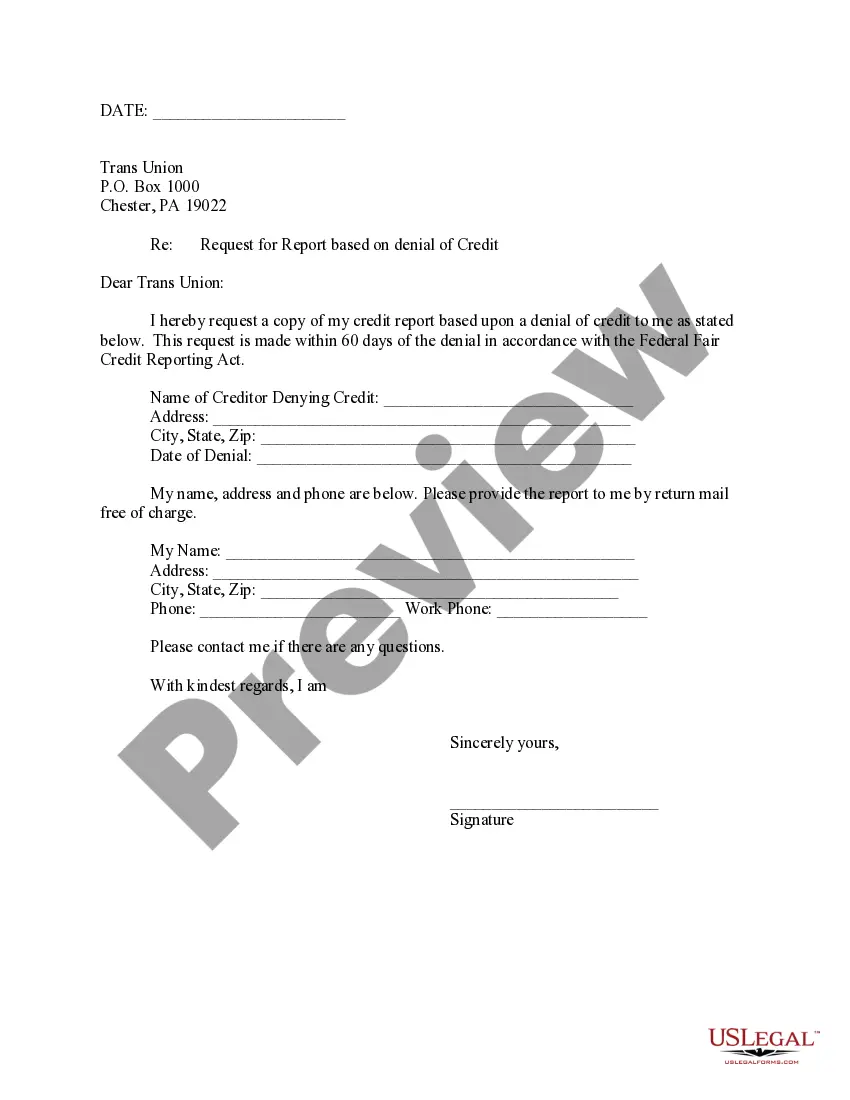



Form popularity
FAQ
The court calendar lists the cases to be heard during a scheduled session of court. It is the calendar in the courthouse which lists the cases and hearings to be held by a court on a particular day, week or month. It is also called a docket, trial schedule or trial list.
You may request an extension online, by mail, or through the Court's automated telephone system at 951-222-0384. You may request an extension online through ePay-it. Extensions beyond 90 days must be written to the court for review by a judicial officer.
For an online search, visit the Riverside Superior Court Website and, under online services, select search records to access the public access web portal. Researchers can also use the public access terminals at courthouse locations to perform court record searches.
It is called a "walk-on" or "add-on" and you must go to the clerk's office as soon as the court opens. If you are late, the clerk will not put it on calendar.
Calendar call is a pre-trial meeting that is held by a judge with the attorneys of both the parties in a case to schedule a date for trial or hearing, and to arrange some other pre-trial details.
It is called a "walk-on" or "add-on" and you must go to the clerk's office as soon as the court opens. If you are late, the clerk will not put it on calendar.
Name Change In order to get a court order changing your name or a child's name, you must file a petition in the Superior Court in the county where you live. You can then use the court order to change the birth certificate, passport, social security card, driver's license, and other documents.
It may affect your business prospects, especially if you rely on your name for marketing purposes. There are also legal consequences that can make it problematic. All of your bank accounts and credit cards will be in your original name, which means you will have a lot of paperwork to fill out.
Court order In most cases, you must file a petition with your local court to change your name. To do so, you may need to file paperwork and appear before a judge to complete the process. Find your local government website and contact your circuit court to get information about how you can legally change your name.
In California, you can ask for a court order to change your legal name. To do this, you file a petition with the court and publish a notice in a newspaper. Then, you'll either have a court date (a hearing) where a judge will make a decision, or the judge may make a decision without a hearing.

