Acceptance For Appointment Letter In Michigan
Description
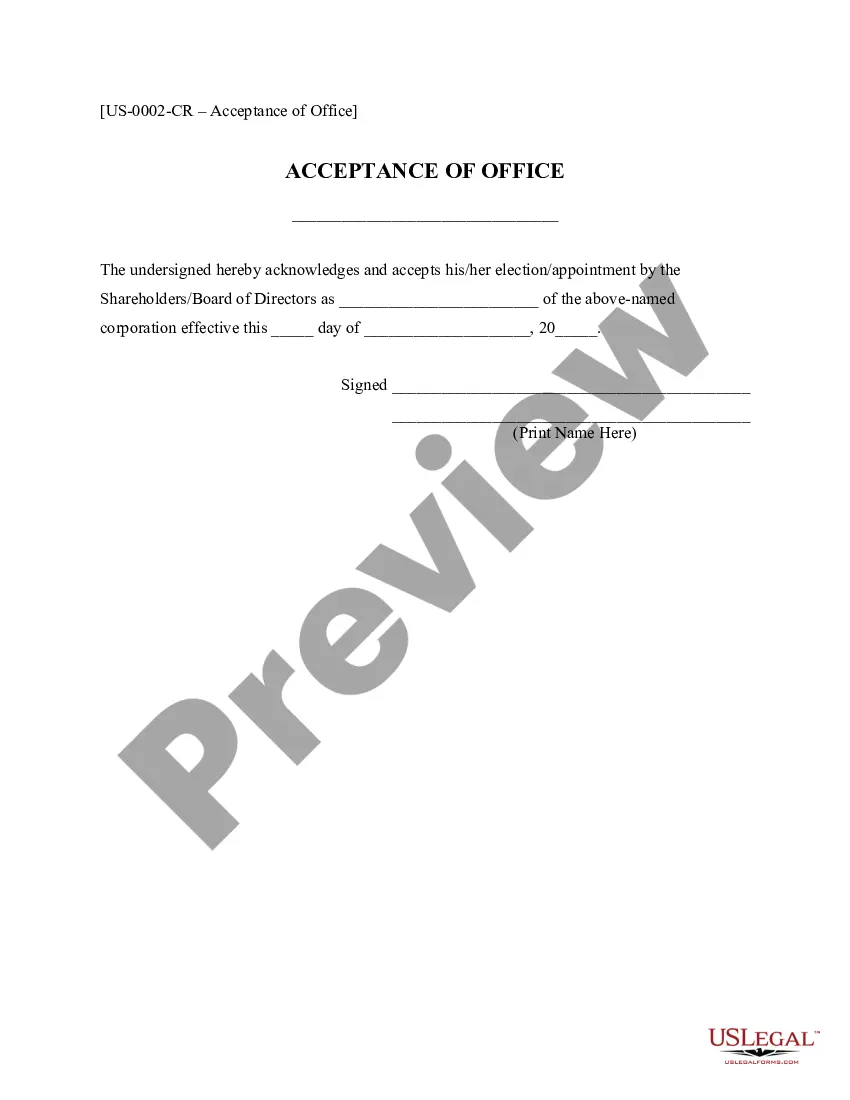

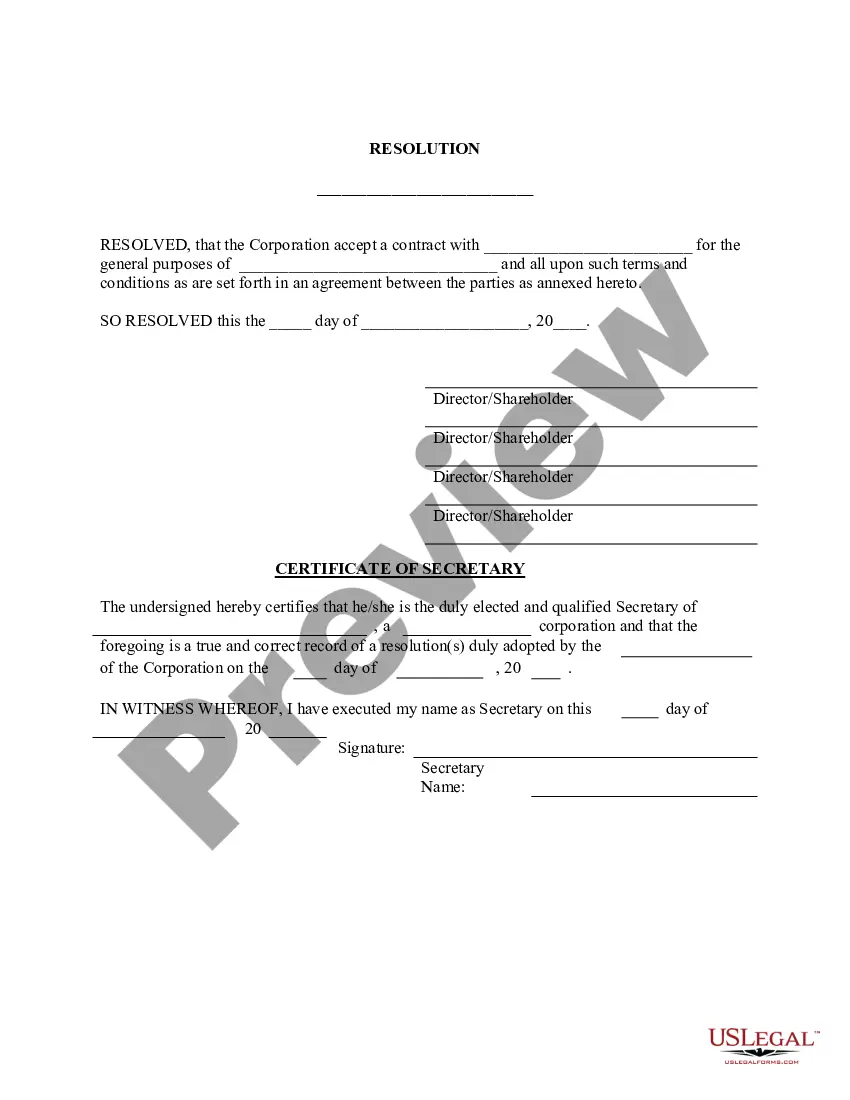
Get your form ready online
Our built-in tools help you complete, sign, share, and store your documents in one place.
Make edits, fill in missing information, and update formatting in US Legal Forms—just like you would in MS Word.
Download a copy, print it, send it by email, or mail it via USPS—whatever works best for your next step.
Sign and collect signatures with our SignNow integration. Send to multiple recipients, set reminders, and more. Go Premium to unlock E-Sign.
If this form requires notarization, complete it online through a secure video call—no need to meet a notary in person or wait for an appointment.
We protect your documents and personal data by following strict security and privacy standards.

Make edits, fill in missing information, and update formatting in US Legal Forms—just like you would in MS Word.

Download a copy, print it, send it by email, or mail it via USPS—whatever works best for your next step.

Sign and collect signatures with our SignNow integration. Send to multiple recipients, set reminders, and more. Go Premium to unlock E-Sign.

If this form requires notarization, complete it online through a secure video call—no need to meet a notary in person or wait for an appointment.

We protect your documents and personal data by following strict security and privacy standards.
Looking for another form?










Form popularity
FAQ
A person named in the decedent's will as personal representative. A surviving spouse if he or she is beneficiary under the will. Other beneficiaries under the will. The surviving spouse if he or she is not a beneficiary under the will.
The process includes filing a petition with the court, followed by a hearing typically scheduled within three days. If the court determines that emergency guardianship is necessary, a temporary guardian is appointed immediately to manage healthcare, finances, and living arrangements.
(g) That, if the estate is not settled within 1 year after the personal representative's appointment, within 28 days after the anniversary of the appointment, the personal representative must file with the court and send to each interested person a notice that the estate remains under administration and must specify ...
Steps to Become a Personal Representative of an Estate Understand Your Priority for Appointment. Determine the Proper Probate Court. Research the County's Filing Requirements. File the Petition for Administration. Notice of Petition to Administer Estate. File a Bond. Attend the Probate Hearing.
A personal representative may be formally appointed by a Probate Judge after a petition is filed in the Probate Court. The petition can be filed by an interested person to the decedent's estate. When the petition is filed, unless waivers and consents from all interested persons are attached, a hearing will be held.
In order to get a Letter of Authority, you must open a Probate Estate and petition the Probate Court to become the Estate's Personal Representative. Once the court appoints you as the Personal Representative, you will be issued your Letter of Authority.
If you want to be the personal representative, complete the Application for Informal Probate and/ or Appointment of Personal Representative form. File the form, the decedent's will (if there is one), and a certified copy of the death certificate with the county probate court where the decedent lived.
A personal representative is under a duty to settle and distribute the decedent's estate in ance with the terms of a probated and effective will and this act, and as expeditiously and efficiently as is consistent with the best interests of the estate.
First, file an application with the probate court to serve as the “personal representative” of the estate. (This is what most people think of as the “executor”). Once your application is approved, you may act for the estate. Usually, the court will give you a “Letters Testamentary.”
For example, the personal representative has the power to acquire or dispose of an asset and sell, mortgage, or lease any real or personal property of the estate.
