Debt To Income Ratio In Wake
Description
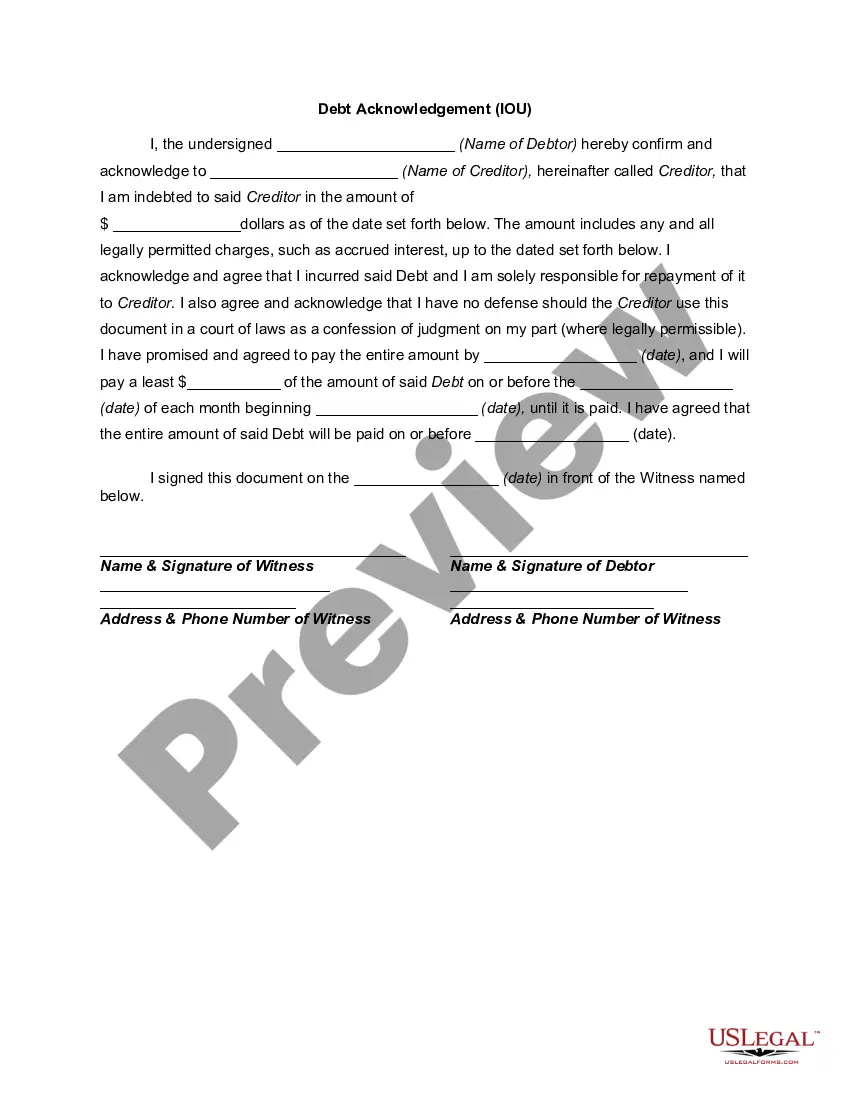
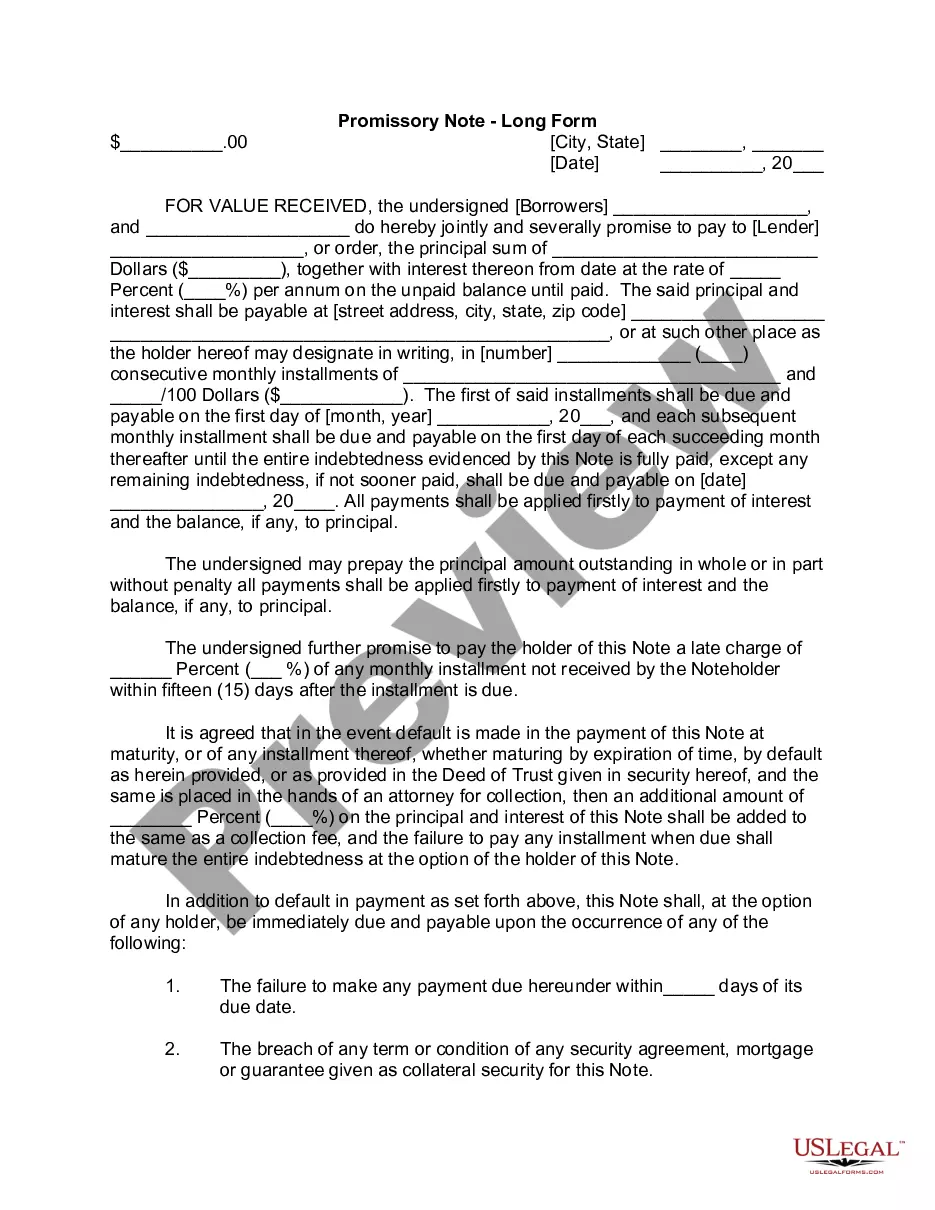
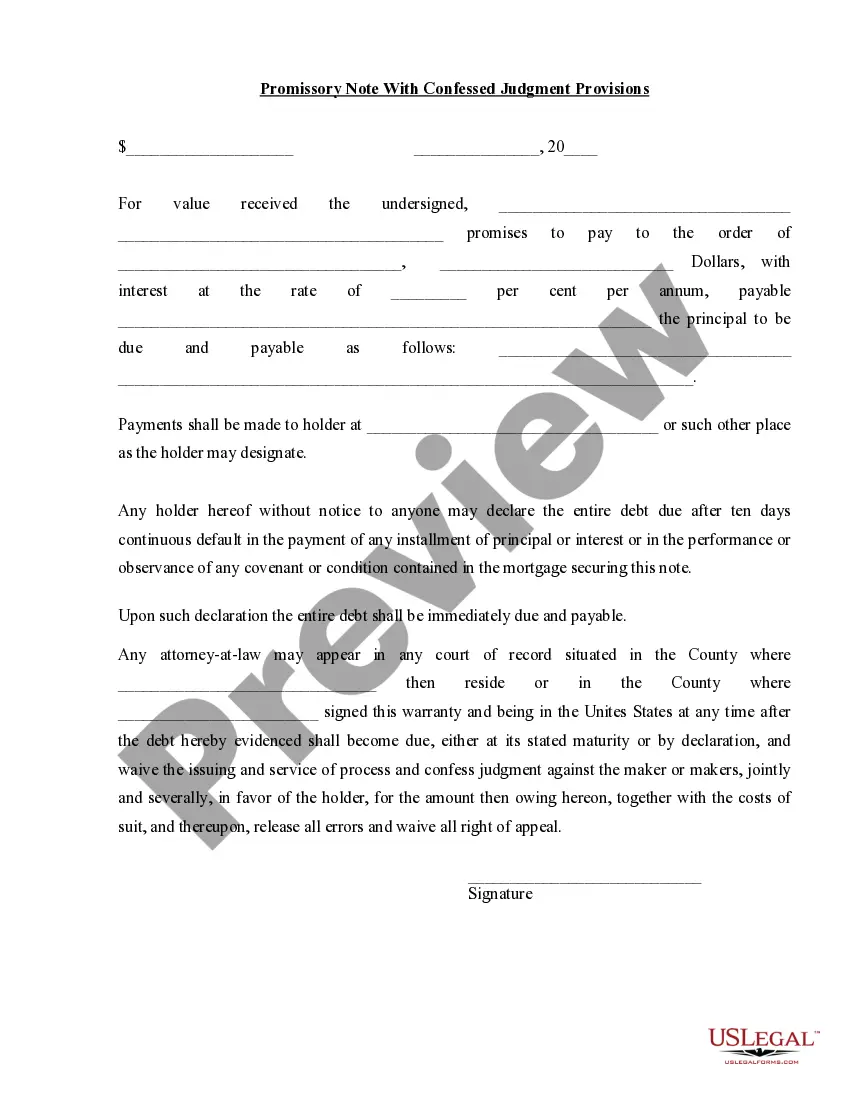
Get your form ready online
Our built-in tools help you complete, sign, share, and store your documents in one place.
Make edits, fill in missing information, and update formatting in US Legal Forms—just like you would in MS Word.
Download a copy, print it, send it by email, or mail it via USPS—whatever works best for your next step.
Sign and collect signatures with our SignNow integration. Send to multiple recipients, set reminders, and more. Go Premium to unlock E-Sign.
If this form requires notarization, complete it online through a secure video call—no need to meet a notary in person or wait for an appointment.
We protect your documents and personal data by following strict security and privacy standards.

Make edits, fill in missing information, and update formatting in US Legal Forms—just like you would in MS Word.

Download a copy, print it, send it by email, or mail it via USPS—whatever works best for your next step.

Sign and collect signatures with our SignNow integration. Send to multiple recipients, set reminders, and more. Go Premium to unlock E-Sign.

If this form requires notarization, complete it online through a secure video call—no need to meet a notary in person or wait for an appointment.

We protect your documents and personal data by following strict security and privacy standards.
Looking for another form?








Form popularity
FAQ
These are some examples of payments included in debt-to-income: Monthly mortgage payments (or rent) Monthly expense for real estate taxes. Monthly expense for home owner's insurance. Monthly car payments. Monthly student loan payments. Minimum monthly credit card payments. Monthly time share payments.
What is the maximum debt-to-income ratio to buy a house using an FHA loan? Backed by the federal government, Federal Housing Administration loans offer financing assistance to homebuyers with lower credit scores or smaller down payments. Most borrowers need a DTI of 43% or less to qualify for an FHA loan.
Lenders will want you to have a debt-to-income ratio of 43% to 50% at most, although some will require this to be even lower. To find your debt-to-income ratio, add up all your monthly debt payments and other financial obligations, including your mortgage, loans and leases, as well as any child support or alimony.
Borrowers with credit scores below 680 may have a more difficult time qualifying for a HELOC. It's important to note that lenders also consider a borrower's credit history in addition to their score. A history of late payments or negative credit events can make it harder for borrowers to qualify for a HELOC.
However, if your DTI is higher than 43%, it might be particularly important to work on reducing it before you try to acquire a mortgage loan such as a home equity loan or home equity line of credit (HELOC).
USDA loans typically have a maximum DTI limit of 41% for automatic approvals. Manual underwriting may allow for DTIs up to 44% or higher with strong compensating factors. Both front-end and back-end DTI ratios are considered in USDA loan applications.
What is the maximum debt-to-income ratio to buy a house using an FHA loan? Backed by the federal government, Federal Housing Administration loans offer financing assistance to homebuyers with lower credit scores or smaller down payments. Most borrowers need a DTI of 43% or less to qualify for an FHA loan.
These are some examples of payments included in debt-to-income: Monthly mortgage payments (or rent) Monthly expense for real estate taxes. Monthly expense for home owner's insurance. Monthly car payments. Monthly student loan payments. Minimum monthly credit card payments. Monthly time share payments.

