I Debt To You In Utah
Description
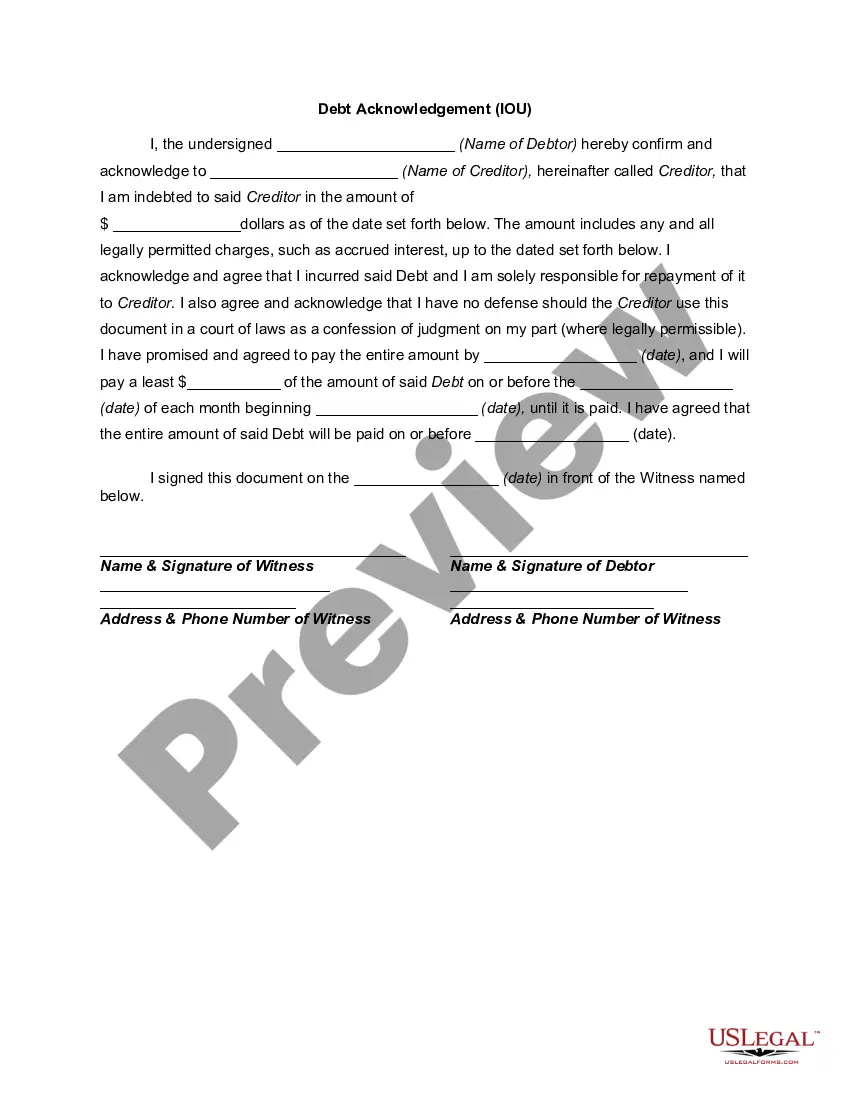
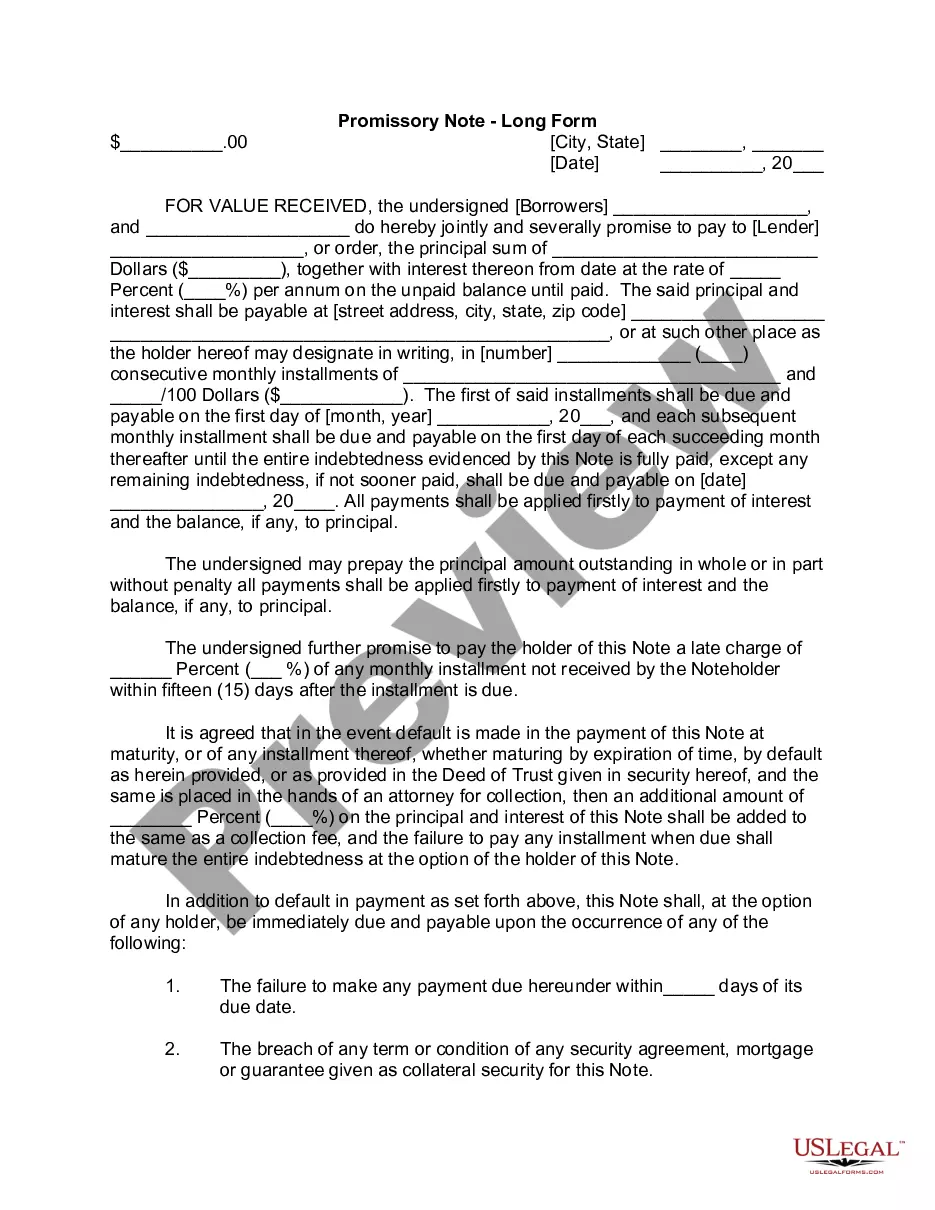
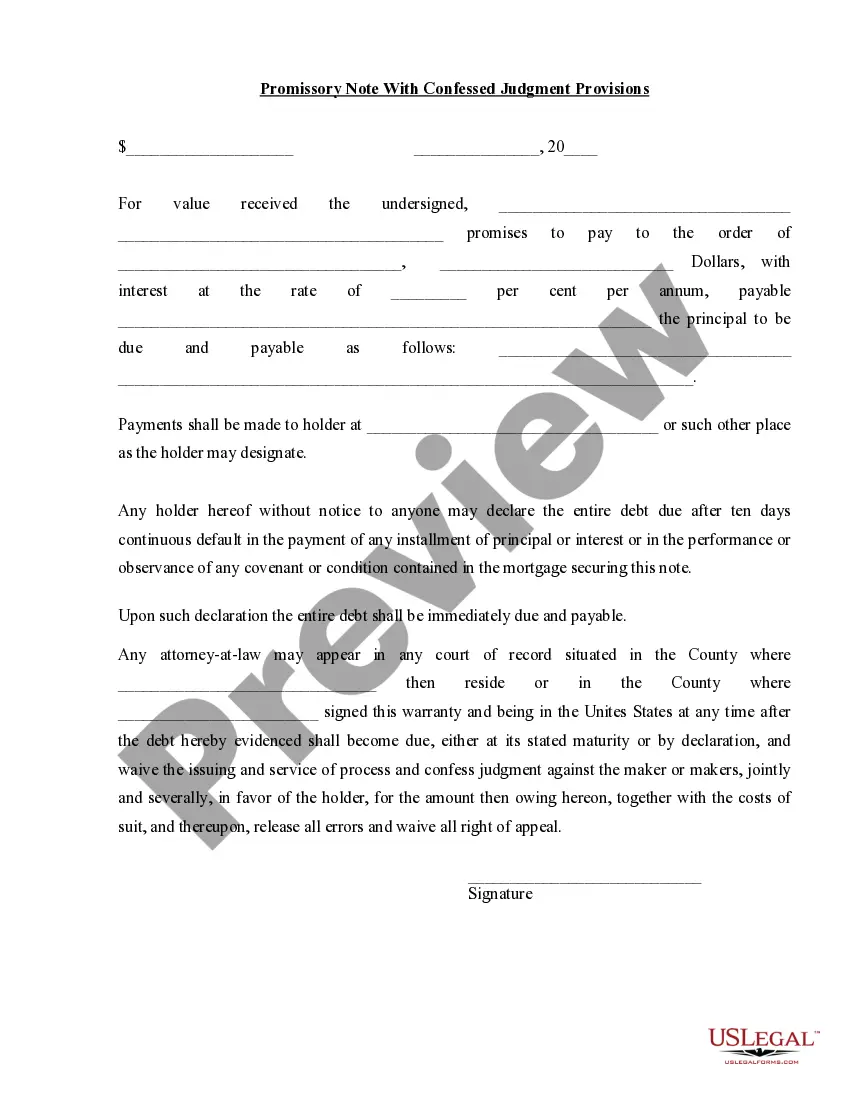
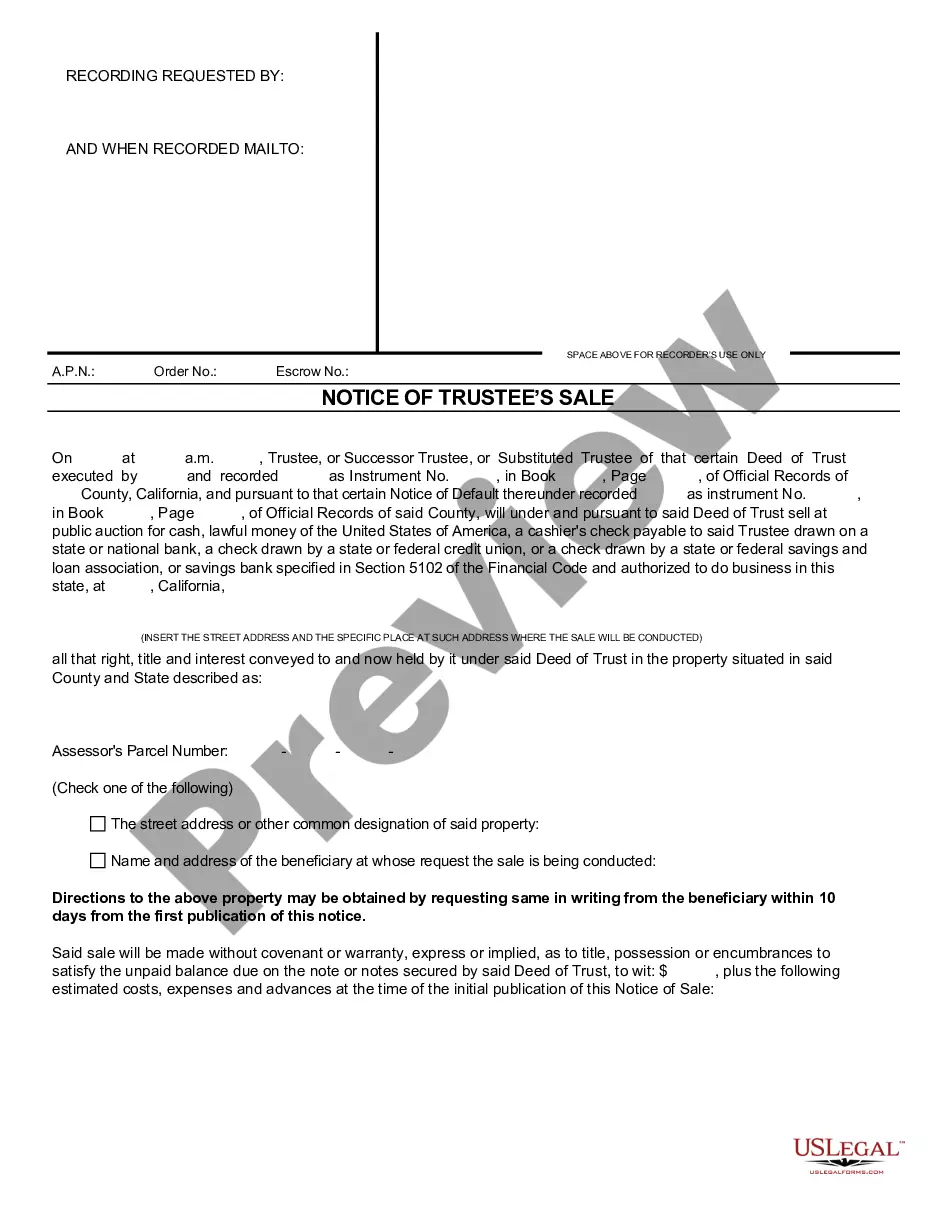
Get your form ready online
Our built-in tools help you complete, sign, share, and store your documents in one place.
Make edits, fill in missing information, and update formatting in US Legal Forms—just like you would in MS Word.
Download a copy, print it, send it by email, or mail it via USPS—whatever works best for your next step.
Sign and collect signatures with our SignNow integration. Send to multiple recipients, set reminders, and more. Go Premium to unlock E-Sign.
If this form requires notarization, complete it online through a secure video call—no need to meet a notary in person or wait for an appointment.
We protect your documents and personal data by following strict security and privacy standards.

Make edits, fill in missing information, and update formatting in US Legal Forms—just like you would in MS Word.

Download a copy, print it, send it by email, or mail it via USPS—whatever works best for your next step.

Sign and collect signatures with our SignNow integration. Send to multiple recipients, set reminders, and more. Go Premium to unlock E-Sign.

If this form requires notarization, complete it online through a secure video call—no need to meet a notary in person or wait for an appointment.

We protect your documents and personal data by following strict security and privacy standards.
Looking for another form?





Form popularity
FAQ
Generally, when you are served, you are considered to be on notice that the plaintiff has filed a lawsuit against you. Being on notice of the lawsuit triggers your responsibility to respond to the lawsuit within a certain time period or risk the plaintiff winning by default because you did not answer.
You can attempt to negotiate a settlement. Unfortunately, you cannot force the creditor to settle; however, if you may an offer they accept then it will settle. If you can settle the case quickly and well before the response deadline then you may not have to file a response.
If a judgment in a lawsuit is entered against you, the creditor has several ways to collect the judgment. One option is garnishment. There are two kinds of writs of garnishment: Writs of Continuing Garnishment - used to garnish earnings (wages)
Settling is always better than going to court. A court-ordered judgment is SERIOUSLY life-affecting. Your wages could be garnished and the judgment will forever be on your record. You may even find the court case in various places on the internet.
In Utah, for most debts, a creditor has six years to take legal action on that unpaid debt. After the statute of limitations expires, a creditor or debt collector can no longer sue you for the debt.
Debt collection is the most common type of civil legal action in Utah, and one-third of all Utah debt collection cases are filed against people experiencing medical debt.
The phrase in question is: “Please cease and desist all calls and contact with me, immediately.” These 11 words, when used correctly, can provide significant protection against aggressive debt collection practices.
What to Include in a Debt Verification Letter Details about the original creditor. The original loan agreement that proves your obligation to repay. Documentation showing the age of the debt and the original delinquency date. A comprehensive itemization including dates for added fees and interest.

