I Debt To You In Texas
Description
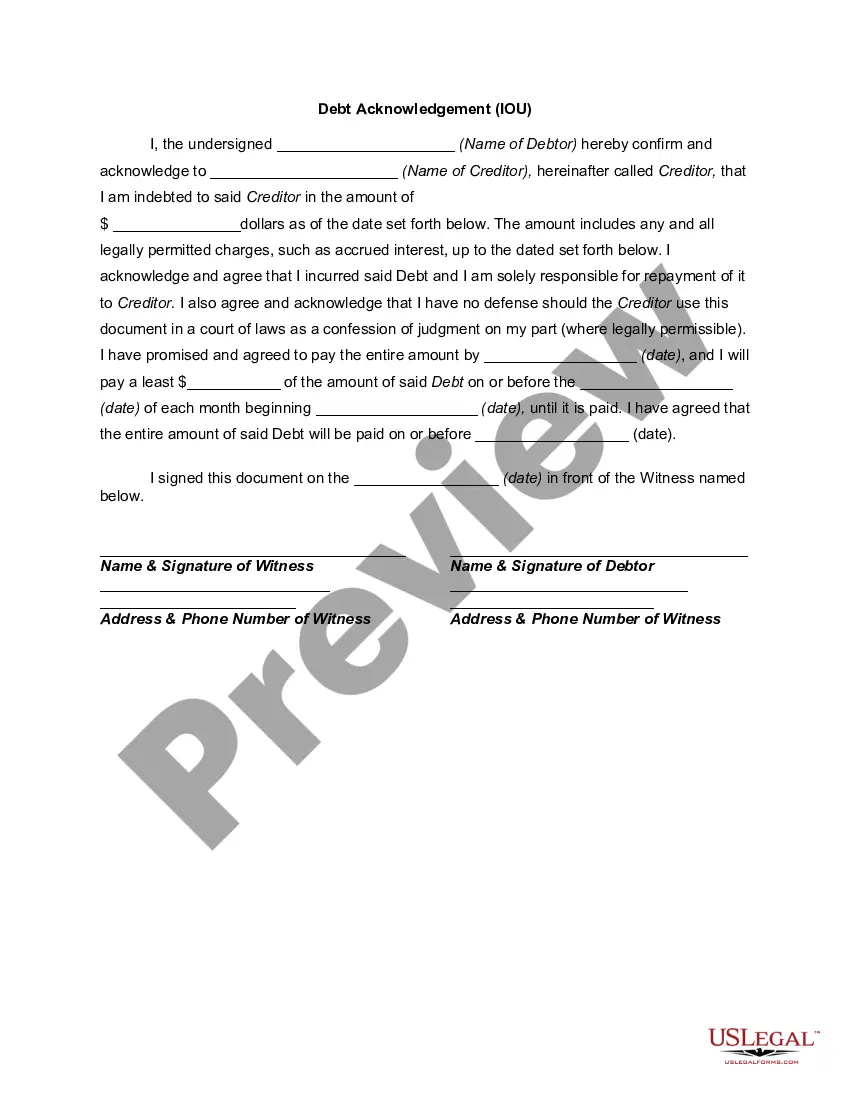
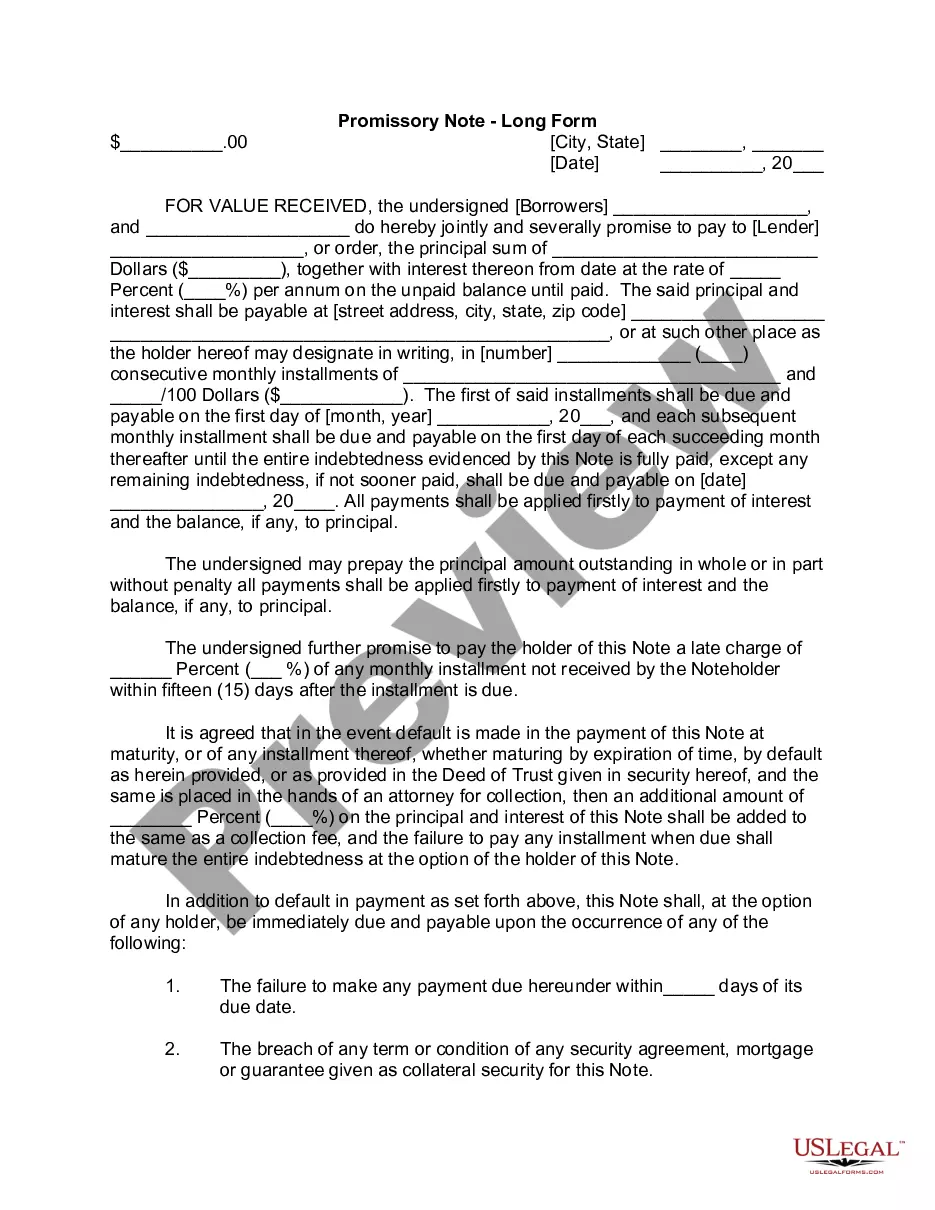
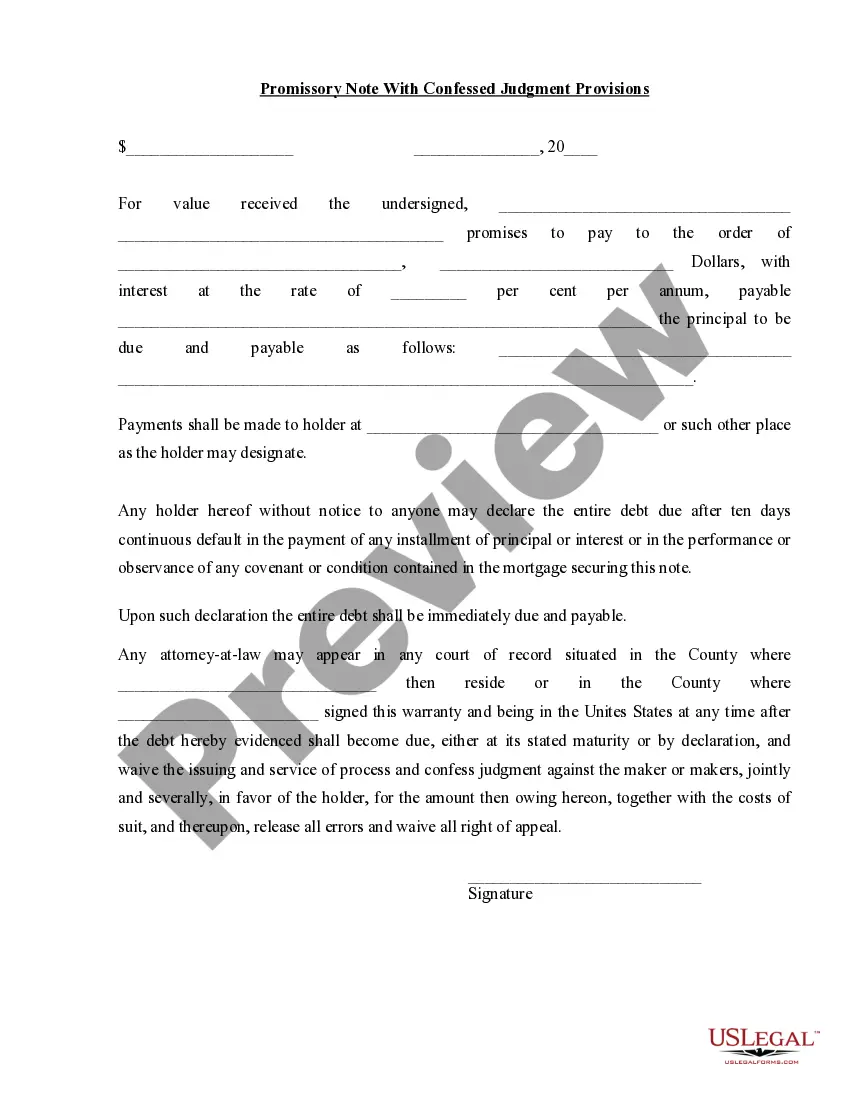
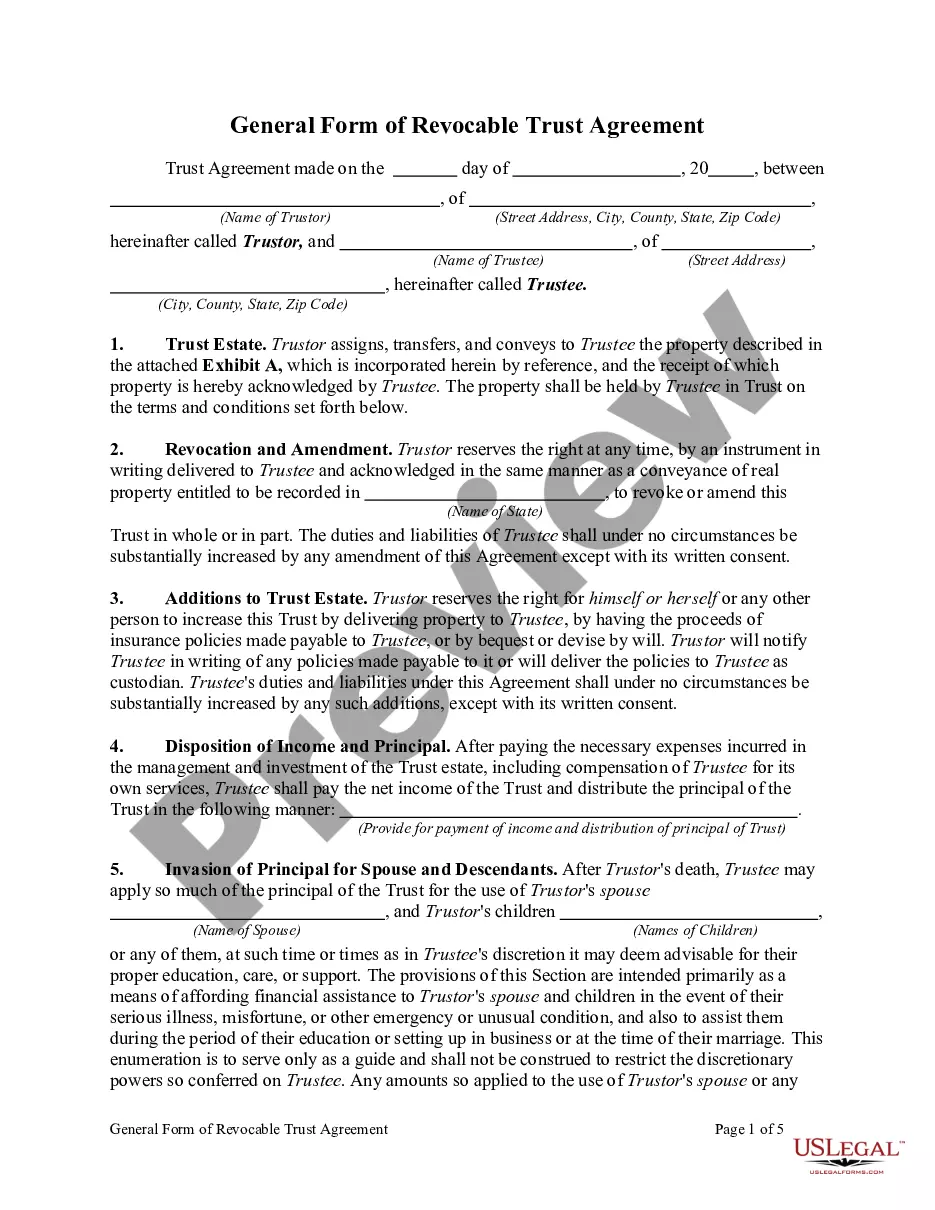
Get your form ready online
Our built-in tools help you complete, sign, share, and store your documents in one place.
Make edits, fill in missing information, and update formatting in US Legal Forms—just like you would in MS Word.
Download a copy, print it, send it by email, or mail it via USPS—whatever works best for your next step.
Sign and collect signatures with our SignNow integration. Send to multiple recipients, set reminders, and more. Go Premium to unlock E-Sign.
If this form requires notarization, complete it online through a secure video call—no need to meet a notary in person or wait for an appointment.
We protect your documents and personal data by following strict security and privacy standards.

Make edits, fill in missing information, and update formatting in US Legal Forms—just like you would in MS Word.

Download a copy, print it, send it by email, or mail it via USPS—whatever works best for your next step.

Sign and collect signatures with our SignNow integration. Send to multiple recipients, set reminders, and more. Go Premium to unlock E-Sign.

If this form requires notarization, complete it online through a secure video call—no need to meet a notary in person or wait for an appointment.

We protect your documents and personal data by following strict security and privacy standards.
Looking for another form?







Form popularity
FAQ
Debt collectors can contact people via e-mail, text, and social media. These rules went into effect on November 30, 2021. The rules put some restrictions on these kinds of messages from debt collectors, including: They must identify themselves as debt collectors when trying to send a message or add someone as a friend.
There are two types of debt you could inherit from your parents: loans you co-signed for them and medical debt (in certain states). Over half of U.S. states have filial responsibility laws, which say adult children may be responsible for their parents' care expenses if they can't support themselves.
For instance, if a debt was incurred during the marriage, the surviving spouse might be responsible for it. However, if the debt was incurred before the marriage or is classified as separate property, it's typically only the deceased's estate that is liable for repayment.
Exemptions in Probate Certain property is protected against creditor claims. The heirs may be able to keep these possessions even if the deceased had unpaid debts. Note that exemption laws only protect against unsecured claims like credit cards and medical debts.
Dear debt collector, I am responding to your contact about collecting a debt. You contacted me by phone/mail, on date and identified the debt as any information they gave you about the debt. I do not have any responsibility for the debt you're trying to collect.
Specifically, the rule states that a debt collector cannot: Make more than seven calls within a seven-day period to a consumer regarding a specific debt. Call a consumer within seven days after having a telephone conversation about that debt.
Your answer should include the court name, case name, case number, and your affirmative defenses. Print three copies of your answer. File one with the clerk's office and mail (or “serve”) one to the plaintiff or plaintiff's attorney.
You would respond to the court with a general denial of all of the allegations regarding you owing the debt and the actual amount of the debt. What you do is copy the heading on the top of the complaint and then under that you title your document Answer.
The statute of limitations on debt in Texas is four years.
Texas Laws on Community Debt In many community property jurisdictions, debts incurred during the marriage are presumed to be the joint responsibility of both spouses.

