Using Debt To Pay Off Debt In Santa Clara
Description
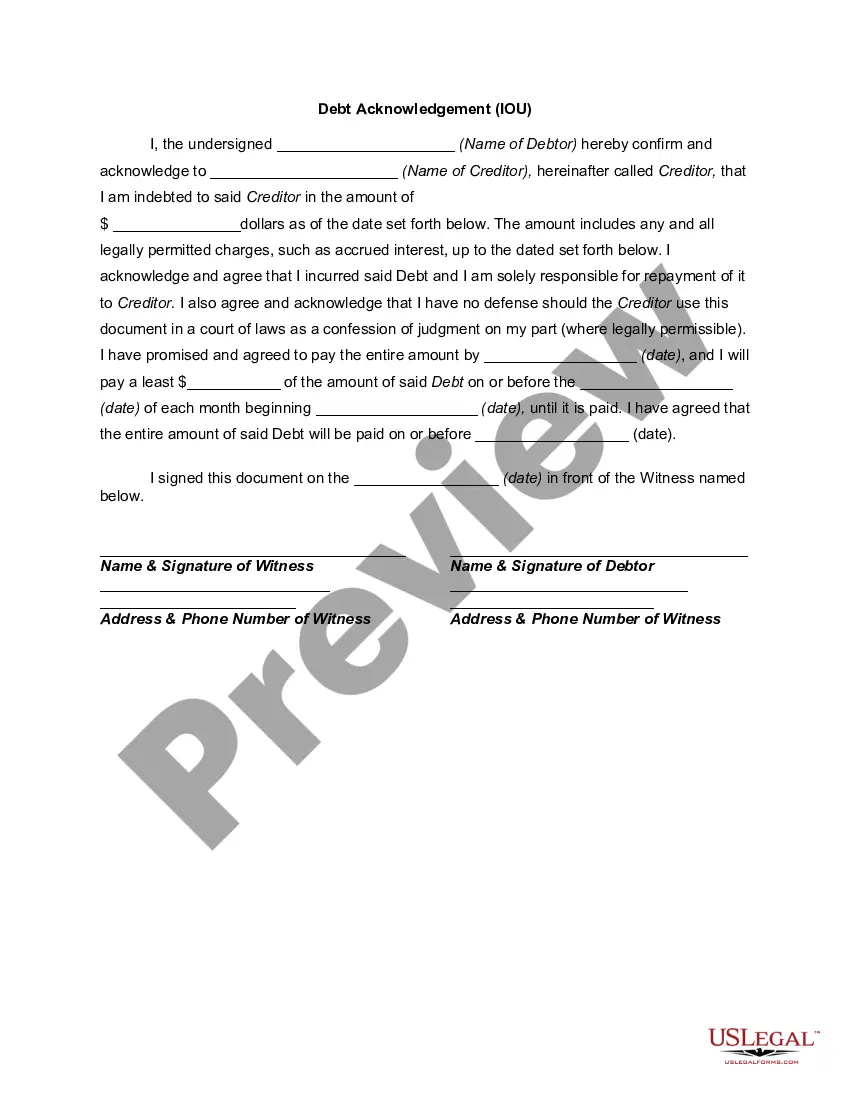
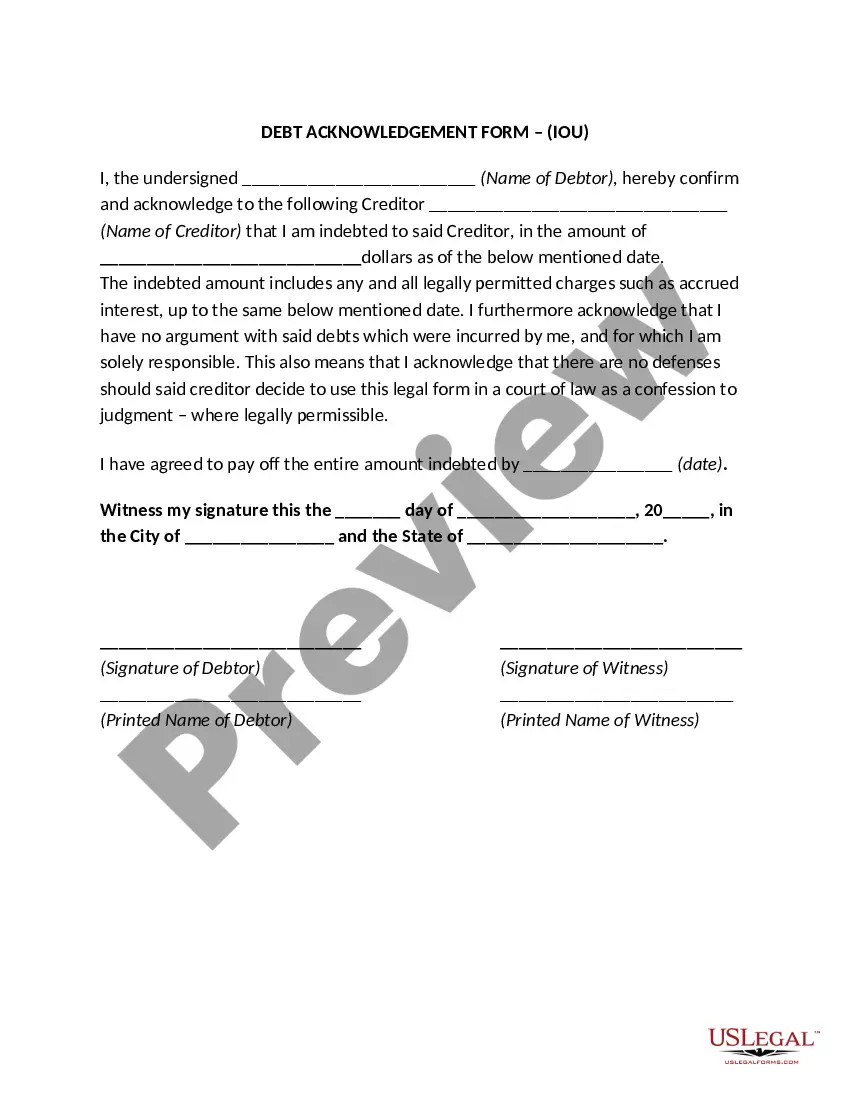
Get your form ready online
Our built-in tools help you complete, sign, share, and store your documents in one place.
Make edits, fill in missing information, and update formatting in US Legal Forms—just like you would in MS Word.
Download a copy, print it, send it by email, or mail it via USPS—whatever works best for your next step.
Sign and collect signatures with our SignNow integration. Send to multiple recipients, set reminders, and more. Go Premium to unlock E-Sign.
If this form requires notarization, complete it online through a secure video call—no need to meet a notary in person or wait for an appointment.
We protect your documents and personal data by following strict security and privacy standards.

Make edits, fill in missing information, and update formatting in US Legal Forms—just like you would in MS Word.

Download a copy, print it, send it by email, or mail it via USPS—whatever works best for your next step.

Sign and collect signatures with our SignNow integration. Send to multiple recipients, set reminders, and more. Go Premium to unlock E-Sign.

If this form requires notarization, complete it online through a secure video call—no need to meet a notary in person or wait for an appointment.

We protect your documents and personal data by following strict security and privacy standards.
Looking for another form?

Form popularity
FAQ
National Debt Relief might be a reasonable option if you're in serious financial trouble and can't keep up with payments, but you should be cautious. Missing payments to let accounts go into default can damage your credit score and create long-term financial challenges.
The Best Ways to Pay Off Debt Debt consolidation, the debt snowball method and the debt avalanche method are some of the best ways to tackle debt, especially if you have high-interest credit card balances. Here's what you need to know about how each strategy works and when to consider it.
California debt relief is usually a debt settlement program that helps people living in the state of California to negotiate and settle their unsecured debts for less than the full amount owed.
Here's a step-by-step guide that outlines the actions a business should take before moving forward with a collection agency. Contact the Debtor. Send a Demand Letter. Consider Negotiation. Hire a Collection Agency. Provide Documentation. Monitor Progress. Consider Legal Action.
When you have a debt that goes into collections, it appears as a negative item on your credit report and can stick around for a while. In the United States, ing to the Fair Credit Reporting Act (FCRA), a collection account can remain on your credit report for up to 7 years from the date of the first delinquency.
They could file a judgment against you and if you don't show up in court they can get a default judgment that can allow them to start garnishing your wages or place a lien on your house. They eventually give up and sell your debt to another debt collector who will start all over again trying to collect the debt.
They could file a judgment against you and if you don't show up in court they can get a default judgment that can allow them to start garnishing your wages or place a lien on your house. They eventually give up and sell your debt to another debt collector who will start all over again trying to collect the debt.
Speaking generally, $20K in debt is not very much in the grand scheme of things. Your first house will likely put you well over $100K in debt, after all. $20K is more like a car loan, which should be quite manageable.
Here are strategies and tips for getting out of debt faster. Add Up All Your Debt. Adjust Your Budget. Use a Debt Repayment Strategy. Look for Additional Income. Consider Credit Counseling. Consider Consolidating Your Debt. Don't Forget About Debt in Collections. Stay Accountable.