I Debt To You In San Bernardino
Description
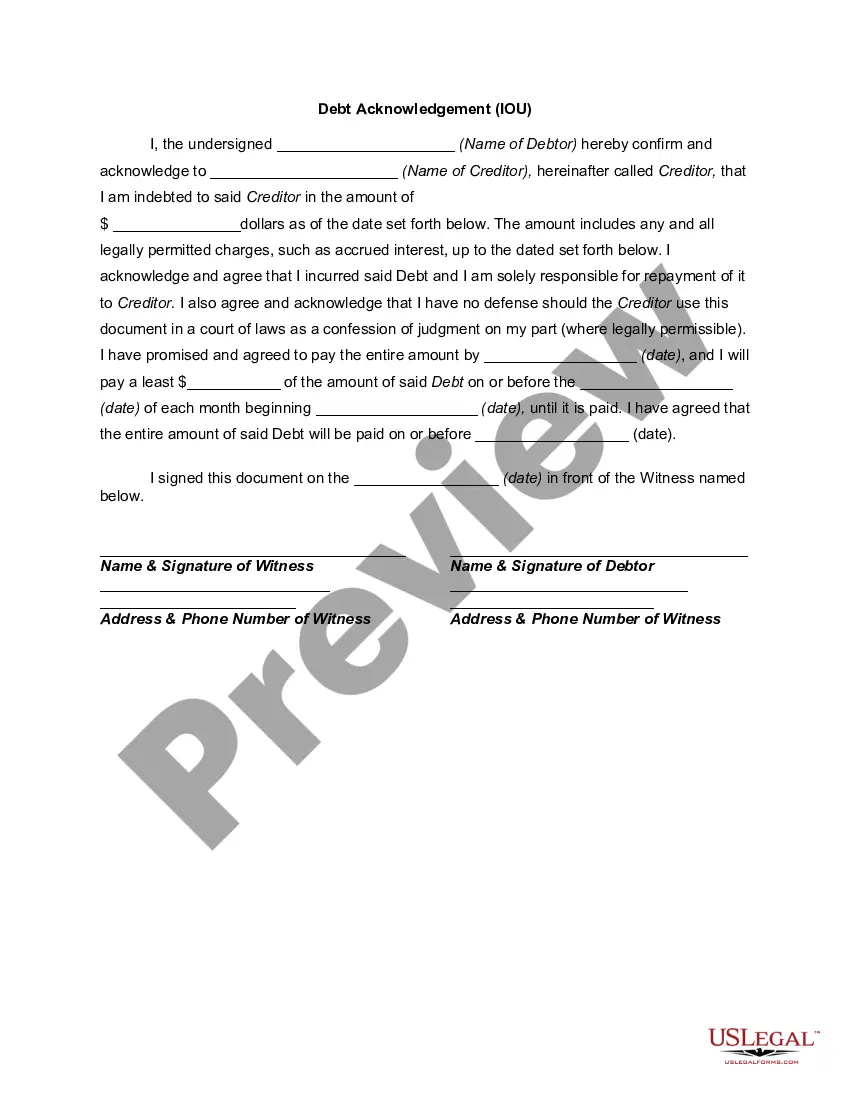
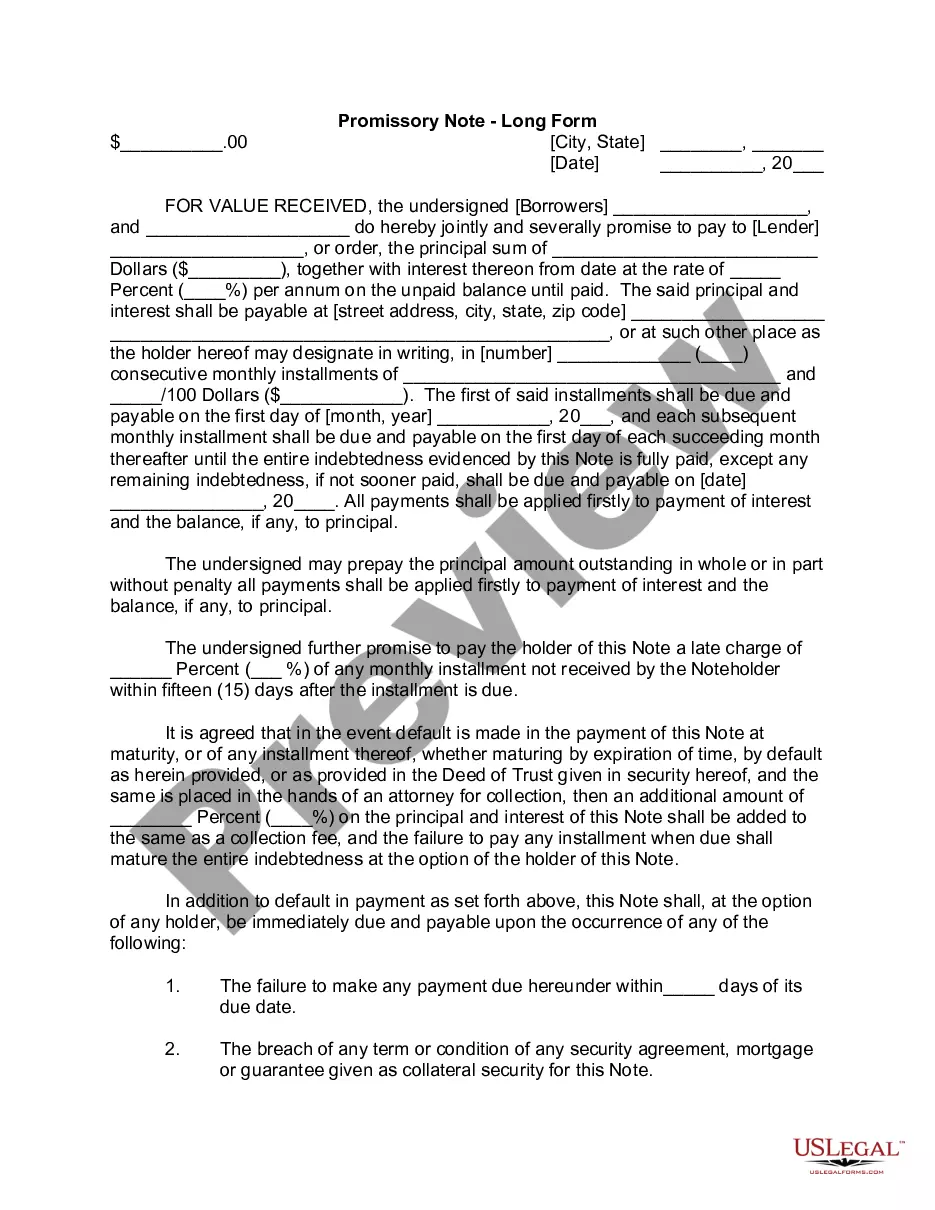
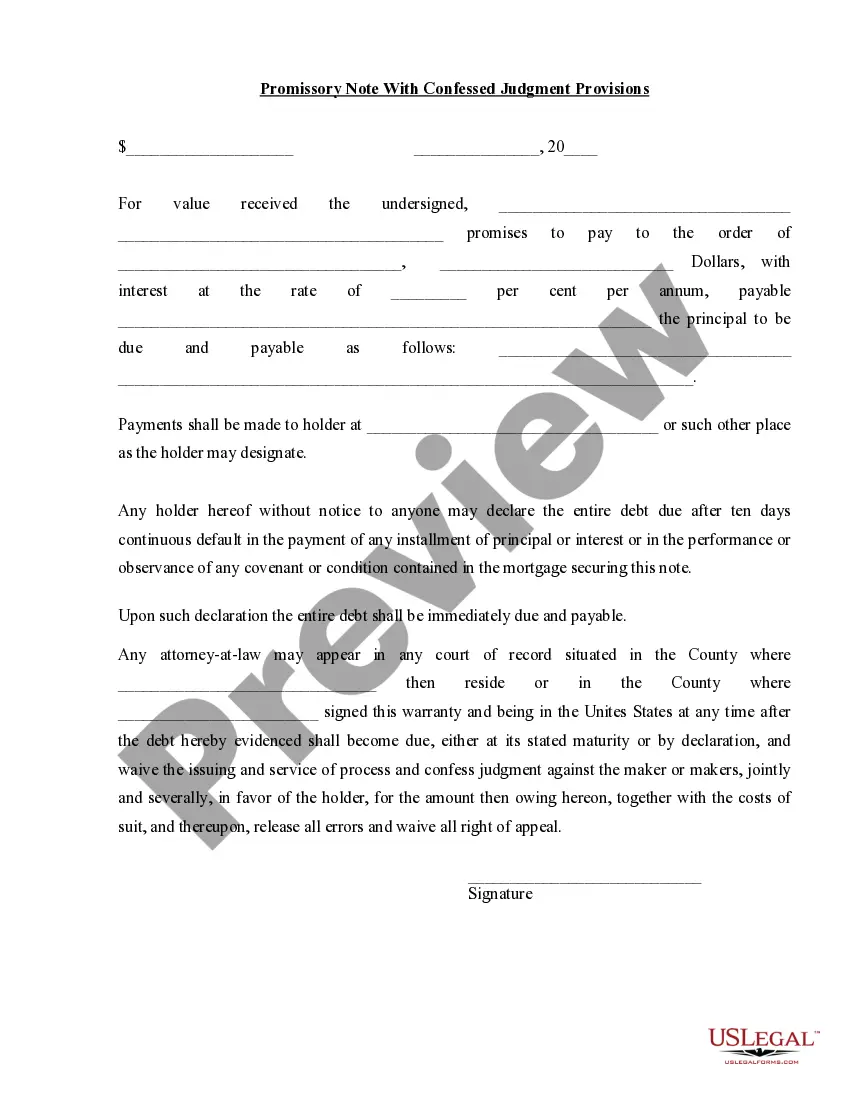
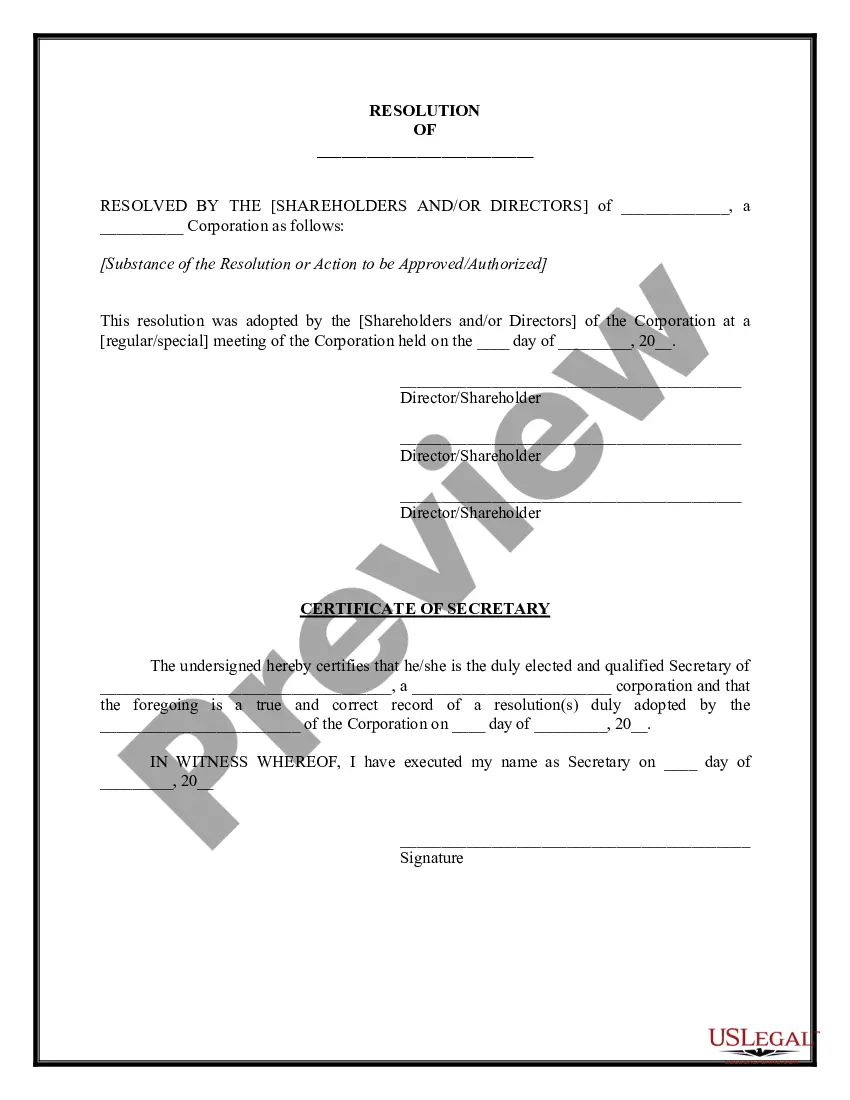
Get your form ready online
Our built-in tools help you complete, sign, share, and store your documents in one place.
Make edits, fill in missing information, and update formatting in US Legal Forms—just like you would in MS Word.
Download a copy, print it, send it by email, or mail it via USPS—whatever works best for your next step.
Sign and collect signatures with our SignNow integration. Send to multiple recipients, set reminders, and more. Go Premium to unlock E-Sign.
If this form requires notarization, complete it online through a secure video call—no need to meet a notary in person or wait for an appointment.
We protect your documents and personal data by following strict security and privacy standards.

Make edits, fill in missing information, and update formatting in US Legal Forms—just like you would in MS Word.

Download a copy, print it, send it by email, or mail it via USPS—whatever works best for your next step.

Sign and collect signatures with our SignNow integration. Send to multiple recipients, set reminders, and more. Go Premium to unlock E-Sign.

If this form requires notarization, complete it online through a secure video call—no need to meet a notary in person or wait for an appointment.

We protect your documents and personal data by following strict security and privacy standards.
Looking for another form?





Form popularity
FAQ
Yes, credit card debt can be forgiven even after it has gone to collections, though the process typically requires demonstrating financial hardship and negotiating with collectors.
If you get a summons notifying you that a debt collector is suing you, don't ignore it. If you do, the collector may be able to get a default judgment against you (that is, the court enters judgment in the collector's favor because you didn't respond to defend yourself) and garnish your wages and bank account.
Debt collectors may not be able to sue you to collect on old (time-barred) debts, but they may still try to collect on those debts. In California, there is generally a four-year limit for filing a lawsuit to collect a debt based on a written agreement.
Credit card debt can be forgiven through a variety of methods, including debt settlement negotiations with the lender, debt management programs, and in some cases, bankruptcy. In the case of bankruptcy, discharge of unsecured debt such as credit card debt is possible under Chapter 7.
In California, there is generally a four-year limit for filing a lawsuit to collect a debt based on a written agreement.
Credit card debt can be forgiven through a variety of methods, including debt settlement negotiations with the lender, debt management programs, and in some cases, bankruptcy. In the case of bankruptcy, discharge of unsecured debt such as credit card debt is possible under Chapter 7.
When it comes to credit card debt relief, it's important to dispel a common misconception: There are no government-sponsored programs specifically designed to eliminate credit card debt. So, you should be wary of any offers claiming to represent such government initiatives, as they may be misleading or fraudulent.
Some costs are easy to add, and you can use the form Memorandum of Costs After Judgment, Acknowledgment of Credit, and Declaration of Accrued Interest. For costs not described on this form, you have to make a formal noticed motion. Sometimes, the court will allow you to add attorney's fees.
Write the name and last known address of the judgment debtor in the space provided. You may also include any known aliases used by the judgment debtor. Fill in the last 4 digits of the judgment debtor's driver license number and state where it was issued, if you know them.
A request for ex parte relief must be in writing and include all of the following: (1) An application containing the case caption and stating the relief requested; (2) A declaration in support of the application making the required factual showing; > > Read More..

