You And I With Chords In Salt Lake
Description
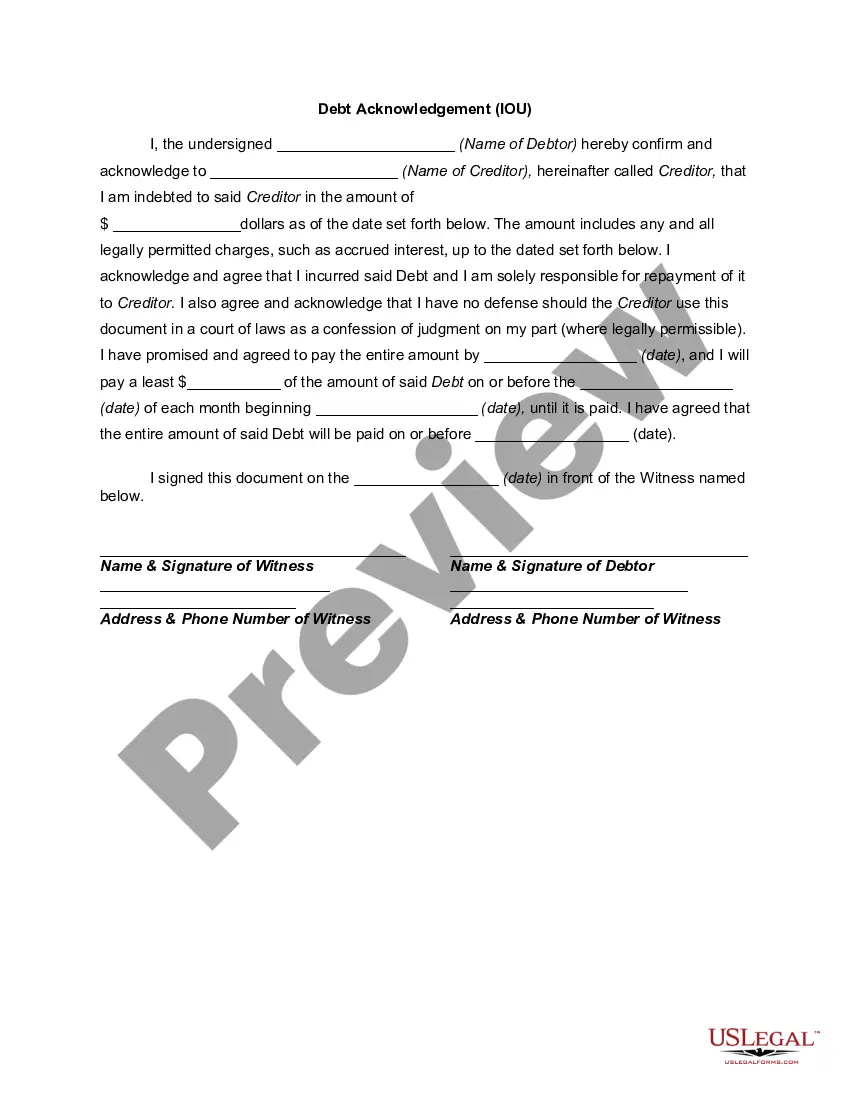
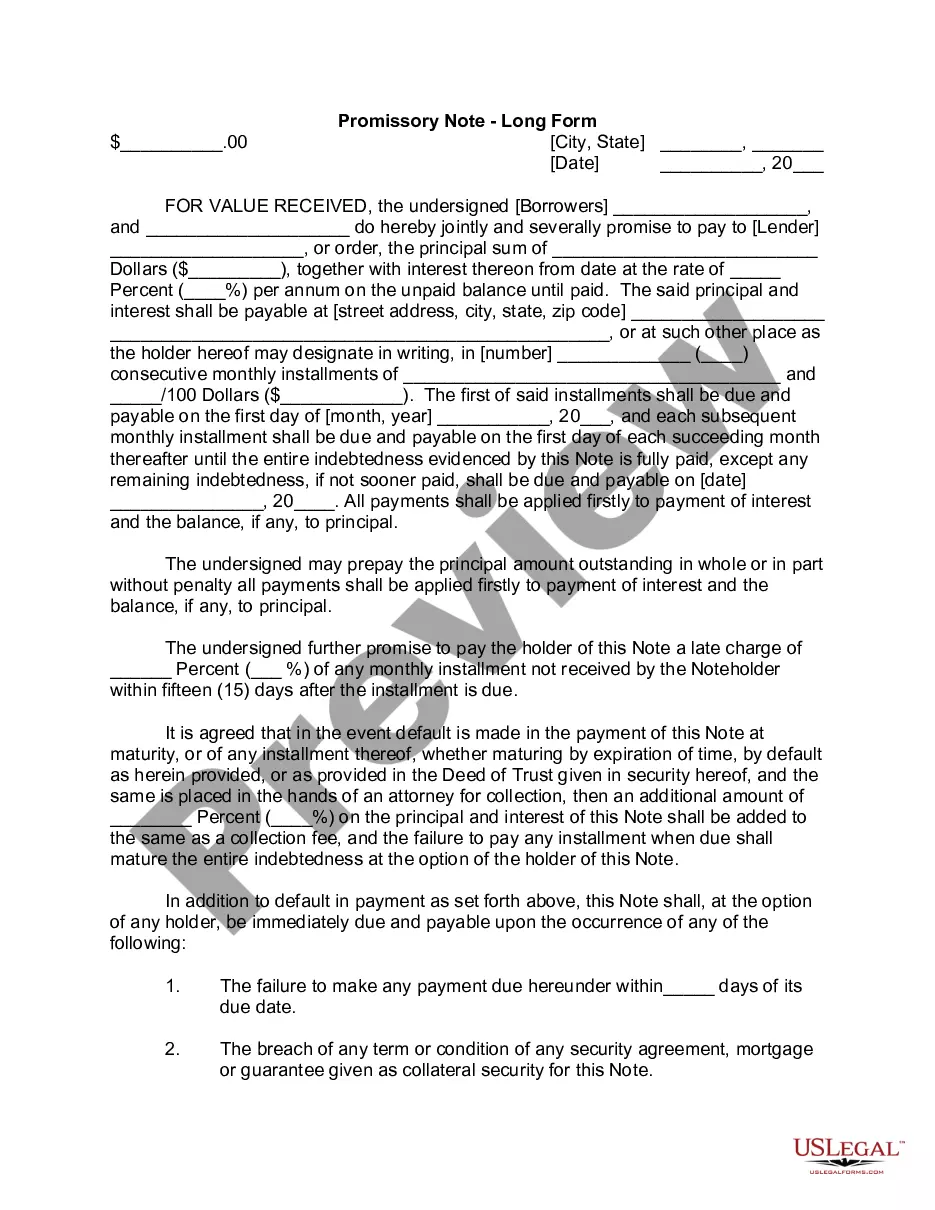
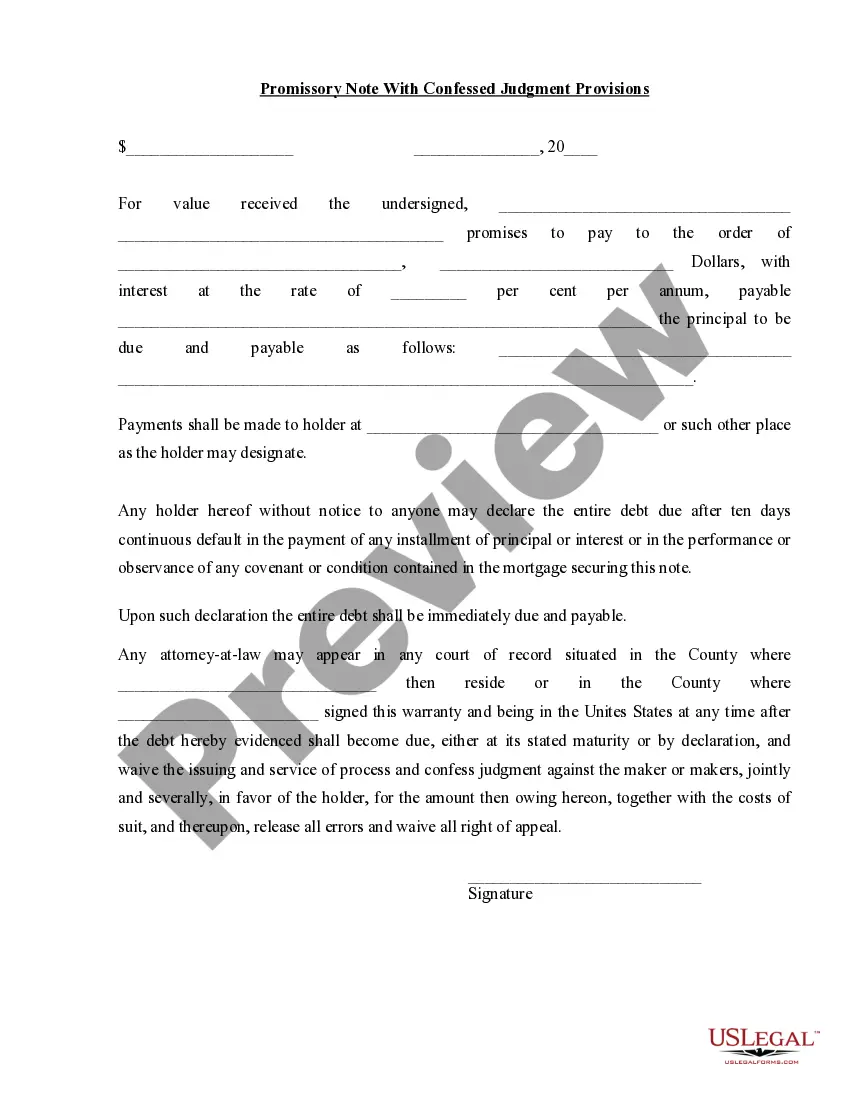
Get your form ready online
Our built-in tools help you complete, sign, share, and store your documents in one place.
Make edits, fill in missing information, and update formatting in US Legal Forms—just like you would in MS Word.
Download a copy, print it, send it by email, or mail it via USPS—whatever works best for your next step.
Sign and collect signatures with our SignNow integration. Send to multiple recipients, set reminders, and more. Go Premium to unlock E-Sign.
If this form requires notarization, complete it online through a secure video call—no need to meet a notary in person or wait for an appointment.
We protect your documents and personal data by following strict security and privacy standards.

Make edits, fill in missing information, and update formatting in US Legal Forms—just like you would in MS Word.

Download a copy, print it, send it by email, or mail it via USPS—whatever works best for your next step.

Sign and collect signatures with our SignNow integration. Send to multiple recipients, set reminders, and more. Go Premium to unlock E-Sign.

If this form requires notarization, complete it online through a secure video call—no need to meet a notary in person or wait for an appointment.

We protect your documents and personal data by following strict security and privacy standards.
Looking for another form?







Form popularity
FAQ
Types of partnerships: Liability & tax considerations In Utah, partnerships are generally taxed as pass-through entities, meaning the profit and losses from the businesses pass directly into the partners' personal incomes. Utah does require a yearly partnership return from each partnership within the state.
Filing Requirements A partnership or other entity treated as a partnership for federal tax purposes with any partners or members who are businesses, trusts, estates or nonresident individuals is required to file a TC-65.
Ing to Utah Instructions for Form TC-40, you must file a Utah income tax return if: You were a resident or part year resident of Utah that must file a federal return. You were a nonresident or part-year resident with Utah source income and are required to file a federal return.
File your Utah taxes at tap.utah. If filing on paper, mail your return to the address on page 1. TC-40 page 3, TC-40A, TC-40B, TC-40S, and TC-40W (all that apply). An explanation for any equitable adjustment entered on TC-40A, Part 2, code 79.
Ing to Utah Instructions for Form TC-40, you must file a Utah income tax return if: You were a resident or part year resident of Utah that must file a federal return. You were a nonresident or part-year resident with Utah source income and are required to file a federal return.
While there are numerous chords that can be played in various positions on the guitar, there are three essential chords that every beginner should know to help start them on the path to playing some of their favorite songs. The G, C, and D chords figure prominently into some of the most popular songs.
It. Down next we can make an a minor chord which is 037. A would be0 in this case 1 2 3 4 5 6 7. AndMoreIt. Down next we can make an a minor chord which is 037. A would be0 in this case 1 2 3 4 5 6 7. And we could take the A. And pull it up an octave this is called the first inversion.
Typically, the three chords used are the chords on the tonic, subdominant, and dominant (scale degrees I, IV and V): in the key of C, these would be the C, F and G chords. Sometimes the V7 chord is used instead of V, for greater tension.
G, C and D are some of the most commonly used chords in popular music and are used in literally thousands of songs (we'll list some of the most well-known later). Also, they're not too difficult to learn and they sound really good together (hence their popularity).
So here's the verse. G C E minor C and then you just repeat. That E minor and C that's part one ofMoreSo here's the verse. G C E minor C and then you just repeat. That E minor and C that's part one of two part two of two is the chorus.

