I Debt To You In Salt Lake
Description
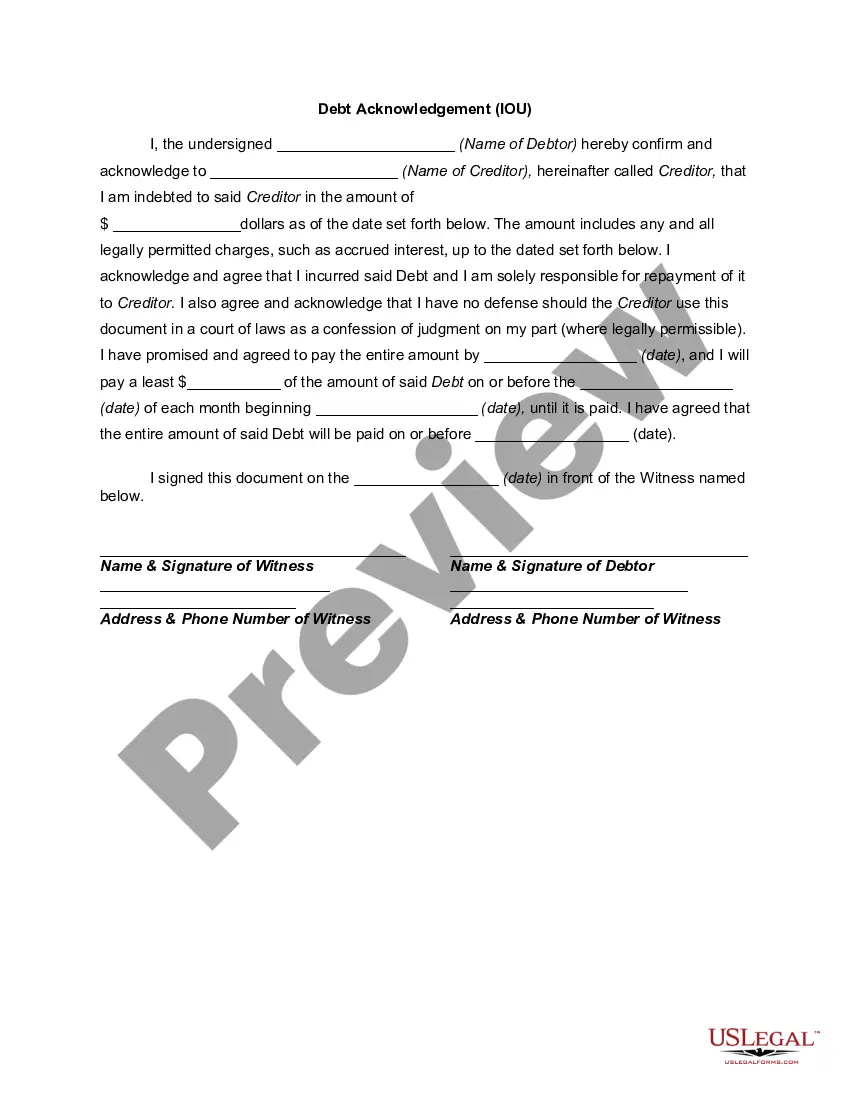
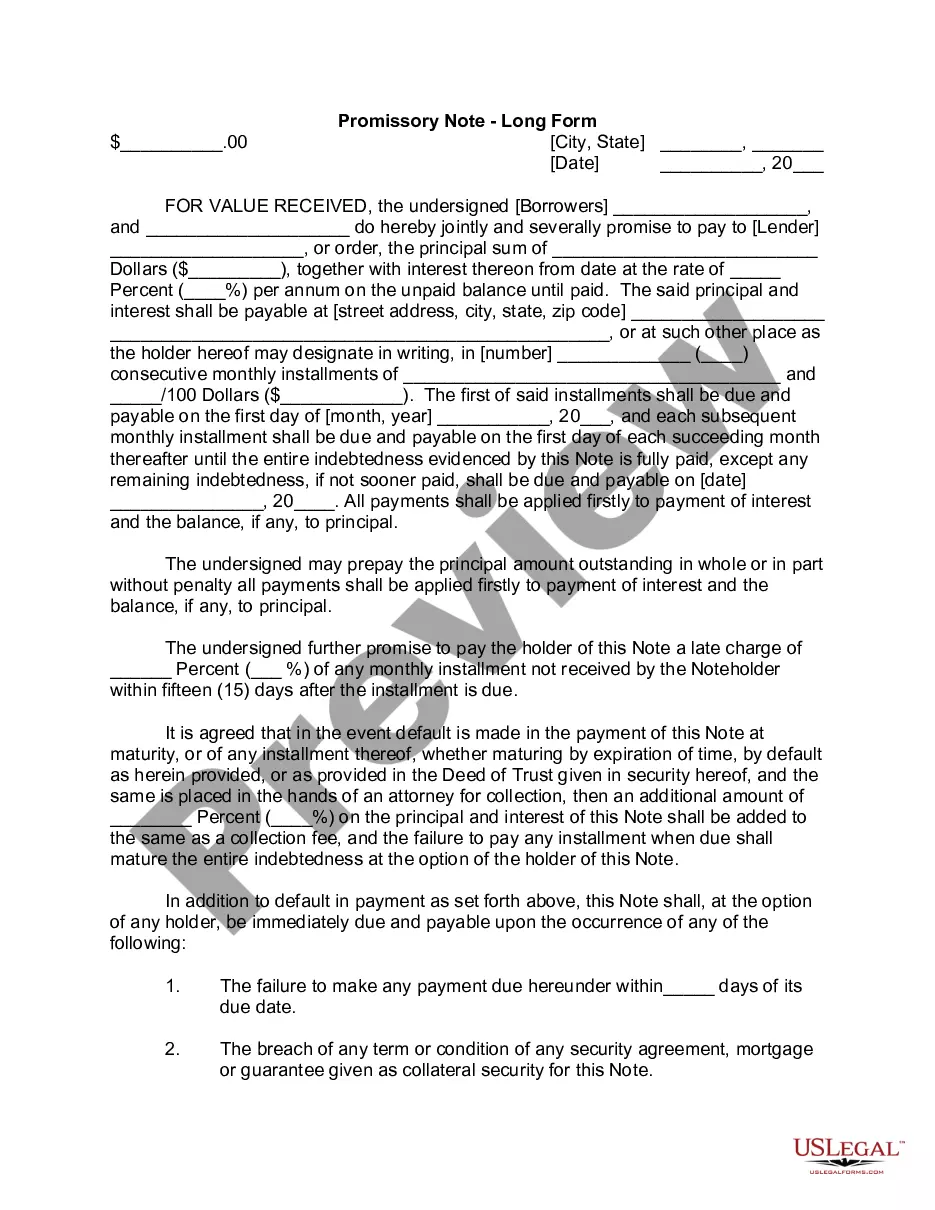
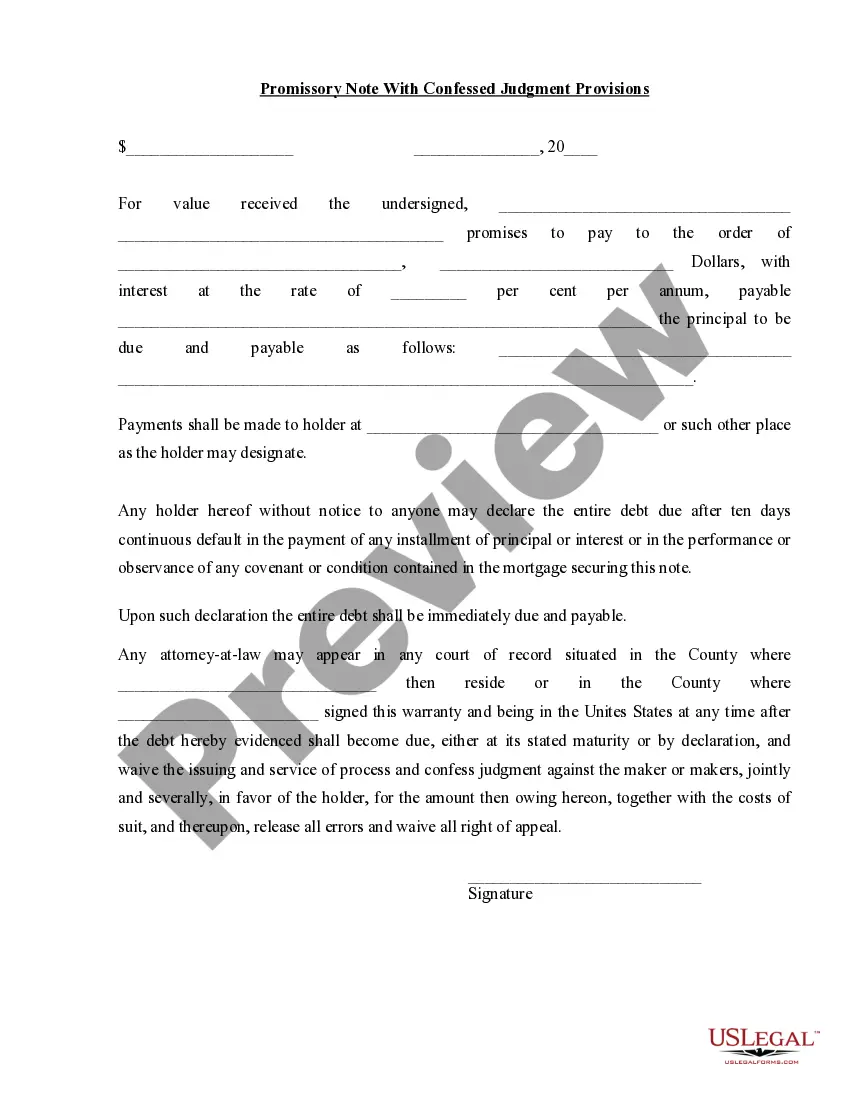
Get your form ready online
Our built-in tools help you complete, sign, share, and store your documents in one place.
Make edits, fill in missing information, and update formatting in US Legal Forms—just like you would in MS Word.
Download a copy, print it, send it by email, or mail it via USPS—whatever works best for your next step.
Sign and collect signatures with our SignNow integration. Send to multiple recipients, set reminders, and more. Go Premium to unlock E-Sign.
If this form requires notarization, complete it online through a secure video call—no need to meet a notary in person or wait for an appointment.
We protect your documents and personal data by following strict security and privacy standards.

Make edits, fill in missing information, and update formatting in US Legal Forms—just like you would in MS Word.

Download a copy, print it, send it by email, or mail it via USPS—whatever works best for your next step.

Sign and collect signatures with our SignNow integration. Send to multiple recipients, set reminders, and more. Go Premium to unlock E-Sign.

If this form requires notarization, complete it online through a secure video call—no need to meet a notary in person or wait for an appointment.

We protect your documents and personal data by following strict security and privacy standards.
Looking for another form?
Form popularity
FAQ
The decision to sue often depends on the debt's size (usually a minimum of $1,000), age, and original agreements. Debt collection practices for unpaid credit card balances frequently lead to court cases. If sued and found liable, you may face additional costs through interest and fees.
While smaller debts are less likely to result in legal action, there are no guarantees. In many cases, though, debt collectors will prioritize larger debts, as they offer a higher return on the time and legal fees associated with a lawsuit.
In Utah, for most debts, a creditor has six years to take legal action on that unpaid debt. After the statute of limitations expires, a creditor or debt collector can no longer sue you for the debt.
For most debt collection agencies, suing for very small amounts is not economically viable. While specific thresholds vary among agencies and jurisdictions, certain principles generally apply. Typically, agencies may set a minimum threshold, often around $500 to $1,000, below which they are unlikely to sue.
Typical consumer debts include credit card balances, personal loans, and retail accounts. Credit card companies and utility providers often handle a high volume of diverse accounts. They might assign smaller debts, even those under $50, to agencies if the cumulative volume justifies it.
Some collectors want 75%–80% of what you owe. Others will take 50%, while others might settle for one-third or less. So, it makes sense to start low with your first offer and see what happens. And be aware that some collectors won't accept anything less than the total debt amount.
The phrase in question is: “Please cease and desist all calls and contact with me, immediately.” These 11 words, when used correctly, can provide significant protection against aggressive debt collection practices.
What Percentage Should I Offer to Settle Debt? Some collectors want 75%–80% of what you owe. Others will take 50%, while others might settle for one-third or less. So, it makes sense to start low with your first offer and see what happens.
Specifically, the rule states that a debt collector cannot: Make more than seven calls within a seven-day period to a consumer regarding a specific debt. Call a consumer within seven days after having a telephone conversation about that debt.
A debt collector starts a debt collection case by filing a complaint with the court. A copy of the complaint and a document called a summons must be served on the debtor by one of the methods described in Utah Rule of Civil Procedure 4.

