Debt To Income Ratio In Riverside
Description
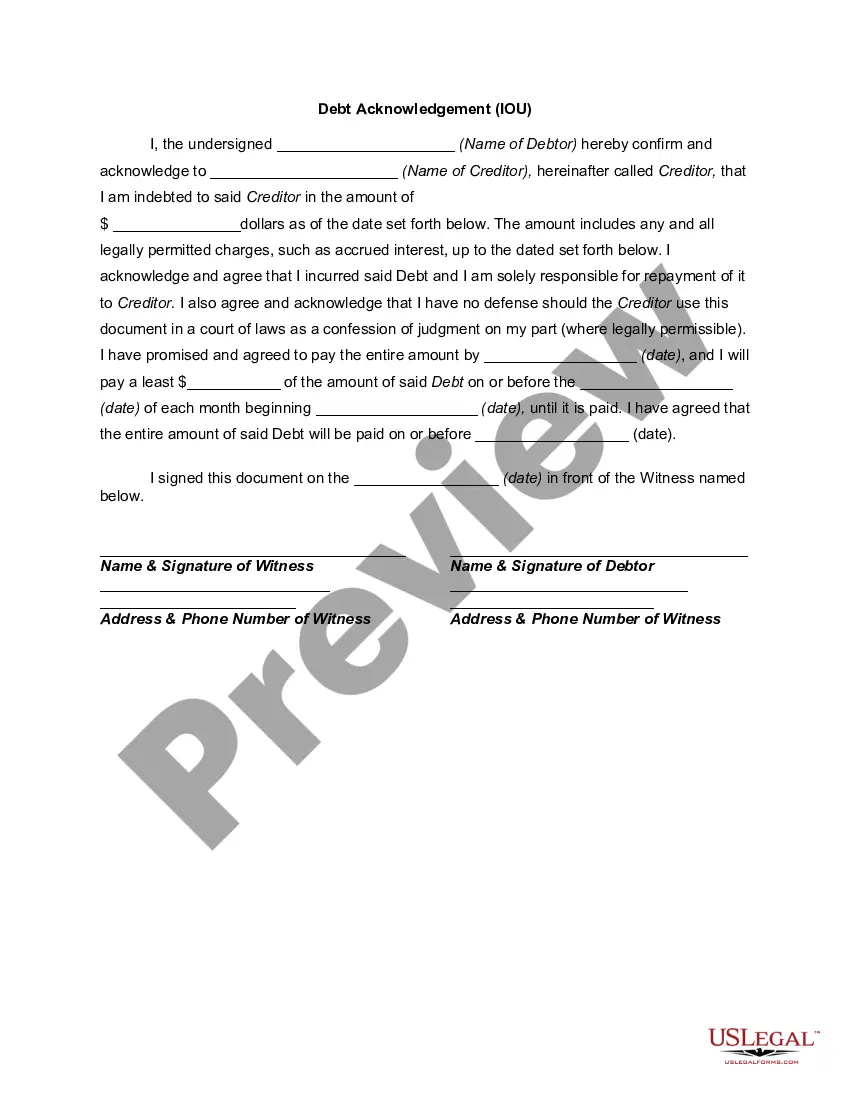
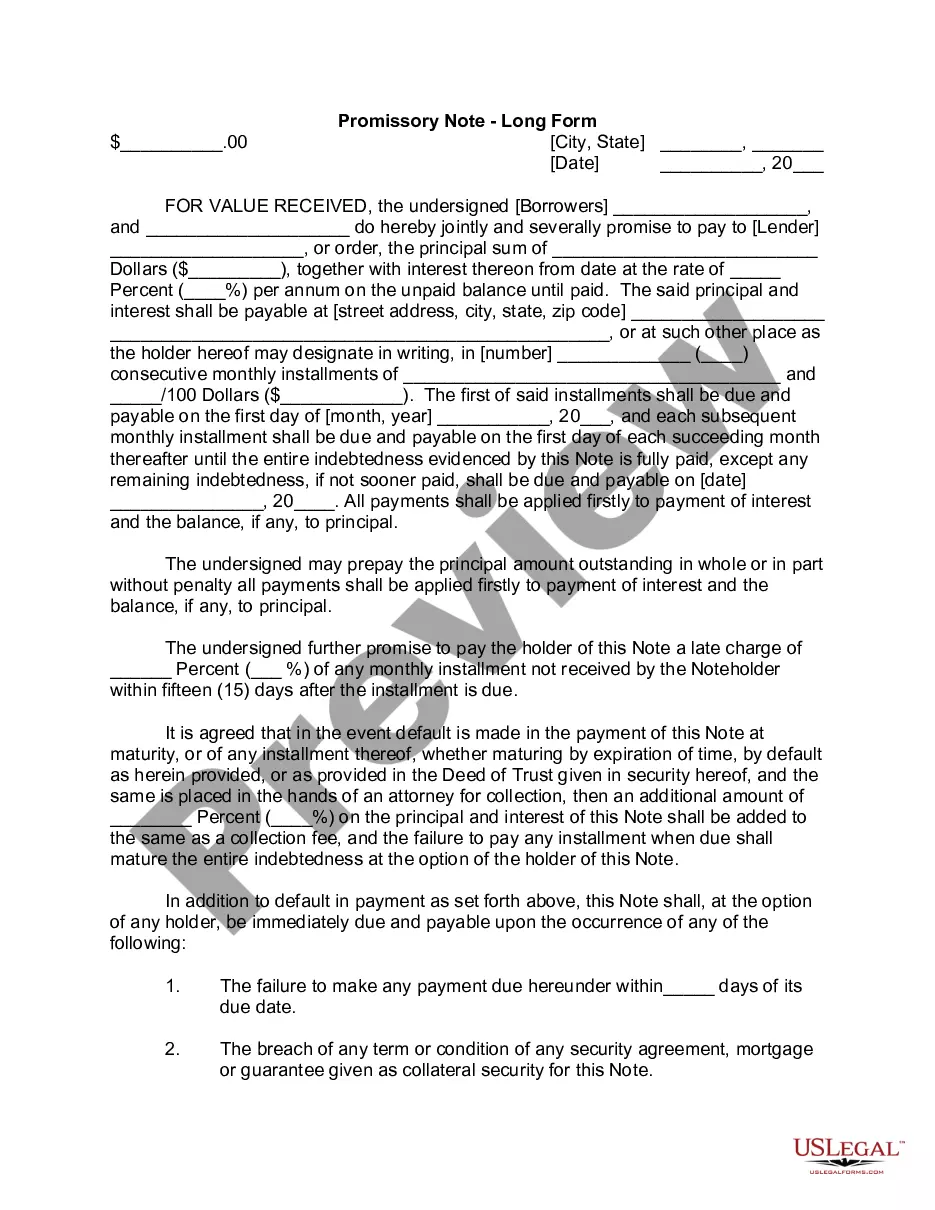
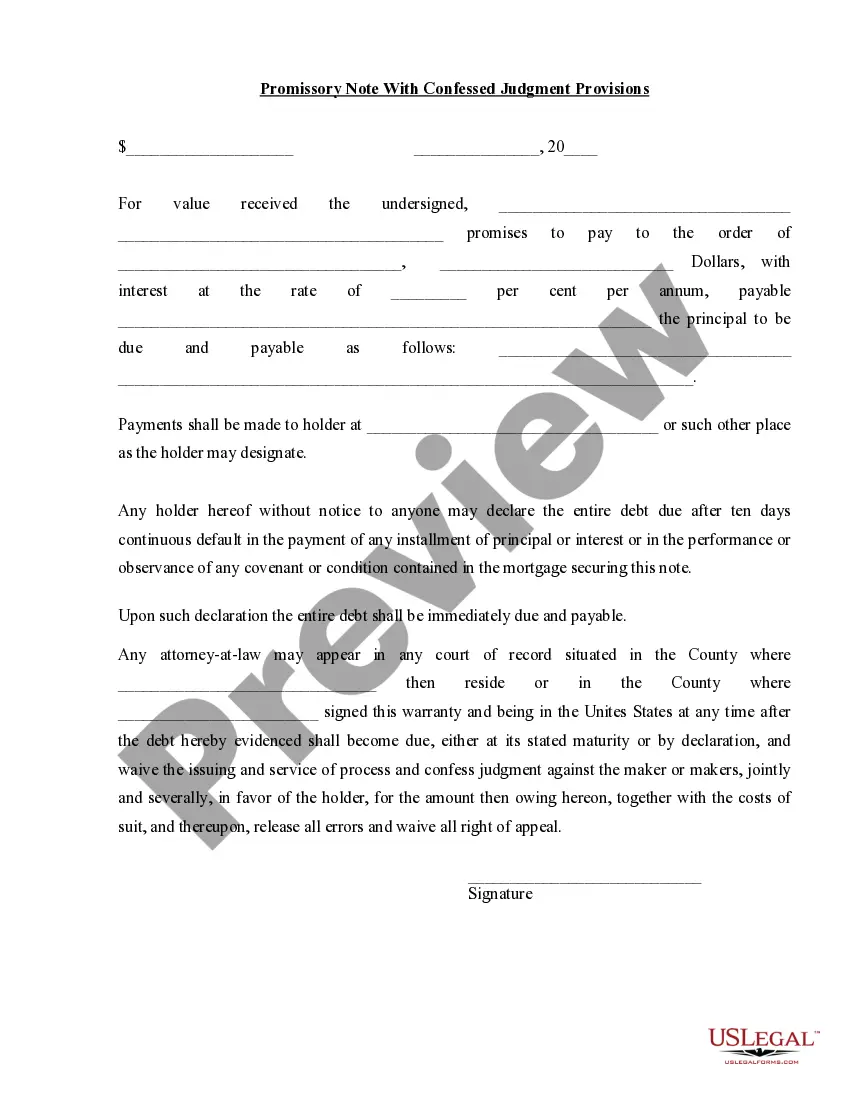
Get your form ready online
Our built-in tools help you complete, sign, share, and store your documents in one place.
Make edits, fill in missing information, and update formatting in US Legal Forms—just like you would in MS Word.
Download a copy, print it, send it by email, or mail it via USPS—whatever works best for your next step.
Sign and collect signatures with our SignNow integration. Send to multiple recipients, set reminders, and more. Go Premium to unlock E-Sign.
If this form requires notarization, complete it online through a secure video call—no need to meet a notary in person or wait for an appointment.
We protect your documents and personal data by following strict security and privacy standards.

Make edits, fill in missing information, and update formatting in US Legal Forms—just like you would in MS Word.

Download a copy, print it, send it by email, or mail it via USPS—whatever works best for your next step.

Sign and collect signatures with our SignNow integration. Send to multiple recipients, set reminders, and more. Go Premium to unlock E-Sign.

If this form requires notarization, complete it online through a secure video call—no need to meet a notary in person or wait for an appointment.

We protect your documents and personal data by following strict security and privacy standards.
Looking for another form?

Form popularity
FAQ
Debt-to-income ratio of 36% or less With a DTI ratio of 36% or less, you probably have a healthy amount of income each month to put towards investments or savings. Most lenders will see you as a safe bet to afford monthly payments for a new loan or line of credit.
The debt ratio, or total debt-to-total assets, is calculated by dividing a company's total debt by its total assets. It is also called the debt-to-assets ratio. It is a leverage ratio that defines how much debt a company carries compared to the value of the assets it owns.
A general rule of thumb is to keep your overall debt-to-income ratio at or below 43%. This is seen as a wise target because it's the maximum debt-to-income ratio at which you're eligible for a Qualified Mortgage —a type of home loan designed to be stable and borrower-friendly.
Total debt-to-total assets may be reported as a decimal or a percentage. For example, ABC's . 30 total debt-to-total assets may also be communicated as 30%. This means that 30% of ABC's assets are financed through debt.
Less than 36%. This is the ideal debt to income ratio that lenders are looking for. A DTI ratio below 36% means you can likely take on new debt. 36% to 42%.
Debt-to-Assets Ratio = Total Debt / Total Assets. Debt-to-Equity Ratio = Total Debt / Total Equity. Debt-to-Capital Ratio = Total Debt / (Total Debt + Total Equity)
Calculate the Debt Ratio: Debt Ratio = Total Debt / Total Assets.
That means the debt ratio is 0.75, which is highly risky. It indicates for every four assets; there are three liabilities. The startup is highly leveraged, and there is a minimal chance that the bank would award the business the loan based solely on this information.