Formulario Reconocimiento Deuda In Pennsylvania
Description
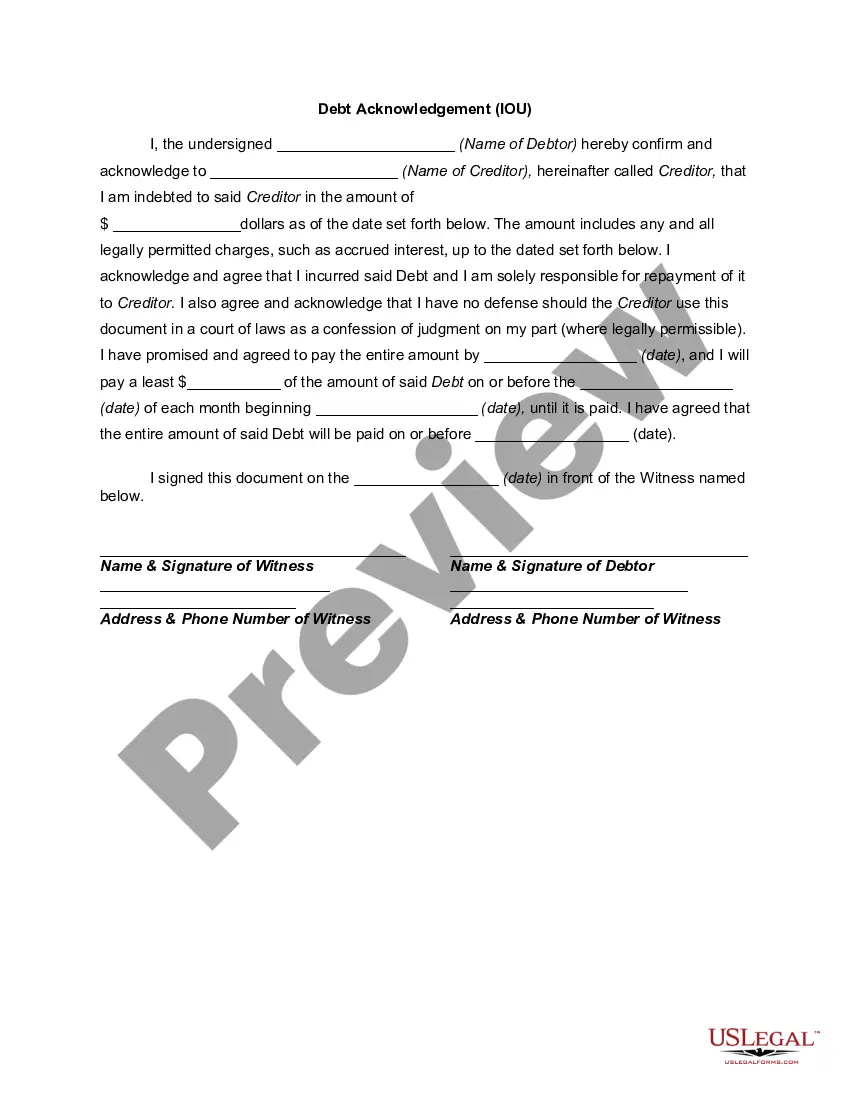
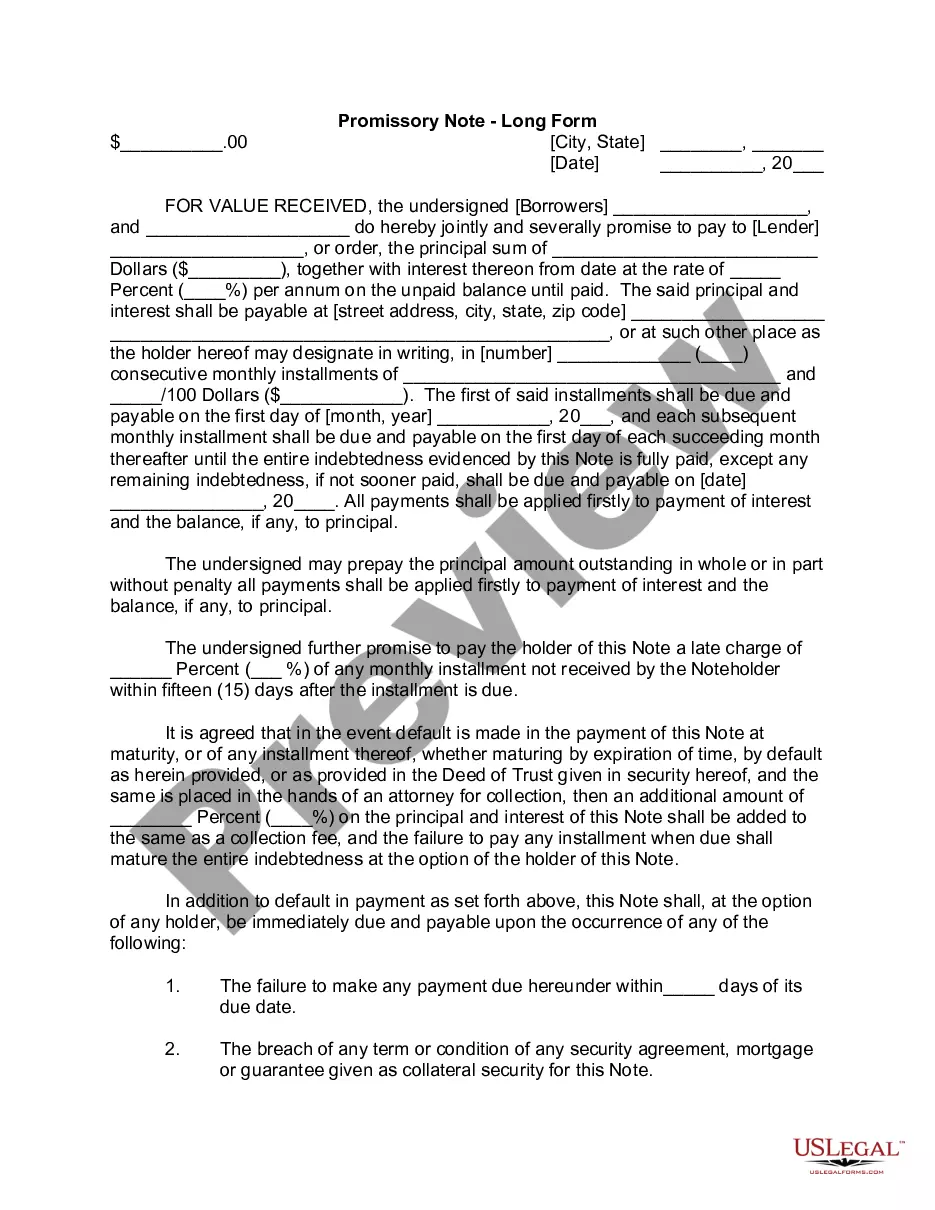
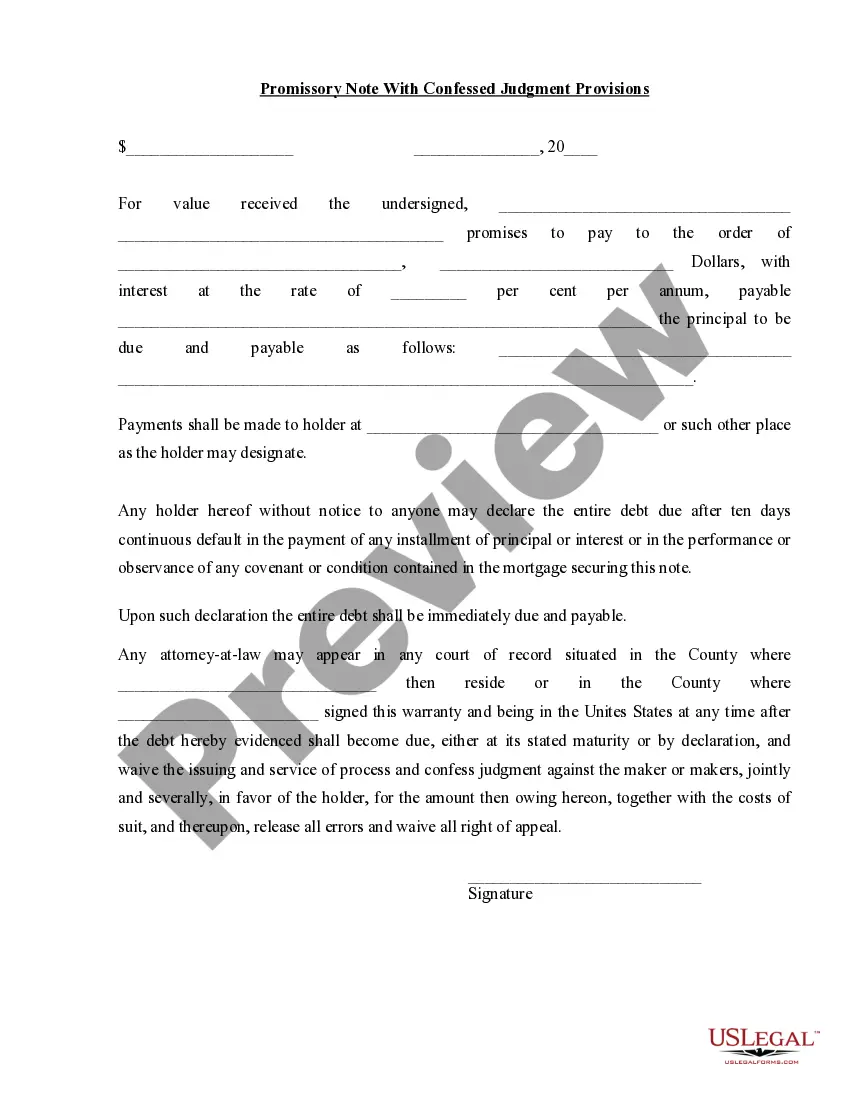
Get your form ready online
Our built-in tools help you complete, sign, share, and store your documents in one place.
Make edits, fill in missing information, and update formatting in US Legal Forms—just like you would in MS Word.
Download a copy, print it, send it by email, or mail it via USPS—whatever works best for your next step.
Sign and collect signatures with our SignNow integration. Send to multiple recipients, set reminders, and more. Go Premium to unlock E-Sign.
If this form requires notarization, complete it online through a secure video call—no need to meet a notary in person or wait for an appointment.
We protect your documents and personal data by following strict security and privacy standards.

Make edits, fill in missing information, and update formatting in US Legal Forms—just like you would in MS Word.

Download a copy, print it, send it by email, or mail it via USPS—whatever works best for your next step.

Sign and collect signatures with our SignNow integration. Send to multiple recipients, set reminders, and more. Go Premium to unlock E-Sign.

If this form requires notarization, complete it online through a secure video call—no need to meet a notary in person or wait for an appointment.

We protect your documents and personal data by following strict security and privacy standards.
Looking for another form?









Form popularity
FAQ
Yes. State law requires Pennsylvania residents with earned income, wages and/or net profits, to file an annual local earned income tax return and supply income and withholding documentation, such as a W-2. Even if you have employer withholding or are not expecting a refund, you must file an annual tax return.
Filing Requirements – Partnership A partnership must file a PA-20S/PA-65 Information Return to report the income, deductions, gains, losses etc. from their operations. The partnership passes through any profits (losses) to the resident and nonresident partners.
Pennsylvania is very tax-friendly towards retirees. Some of the retirement tax benefits of Pennsylvania include: Retirement income is not taxable: Payments from retirement accounts like 401(k)s and IRAs are tax exempt. PA also does not tax income from pensions for residents aged 60 and over.
Form PA-100 (Pennsylvania Enterprise Registration Form) is used by Pennsylvania businesses to register for certain tax accounts with the Pennsylvania Department of Revenue and the Pennsylvania Department of Labor and Industry. New businesses file PA-100 to set up state tax accounts.
The Board of Appeals can be reached by calling 717-783-3664. Forms can be downloaded from the Board's Online Petition Center or obtained by calling 1-888-PATAXES (728-2937). If there are technical issues with the filing of an online petition, an email can be sent to ra-rapswebtechnicalcontact@pa.
Every resident, part-year resident or nonresident individual must file a Pennsylvania Income Tax Return (PA-40) when he or she realizes income generating $1 or more in tax, even if no tax is due (e.g., when an employee receives compensation where tax is withheld).
Electronic filing mandate Pennsylvania law requires tax preparers who file 11 or more Corporate Tax Returns (RCT-101) or PA S Corporation/Partnership Information Return (PA-20S/PA-65) for the same tax year to file the returns electronically. For more information, refer to the Pennsylvania DOR website.
Individuals running for the office of tax collector, for the first time, must include a report of criminal history record from the PA State Police (in ance with 18 Pa. C.S. Ch. 91) when filing their nomination petition with the county board of elections.
To apply and file your rebate application online, visit mypath.pa.
Pennsylvania renters and homeowners 65 and older, widows and widowers 50 and older, and people with disabilities who are 18 and older and have an annual income below $45,000. How much will my rebate be? The program provides a rebate ranging from $380 to $1000.

