I Debt With You In Orange
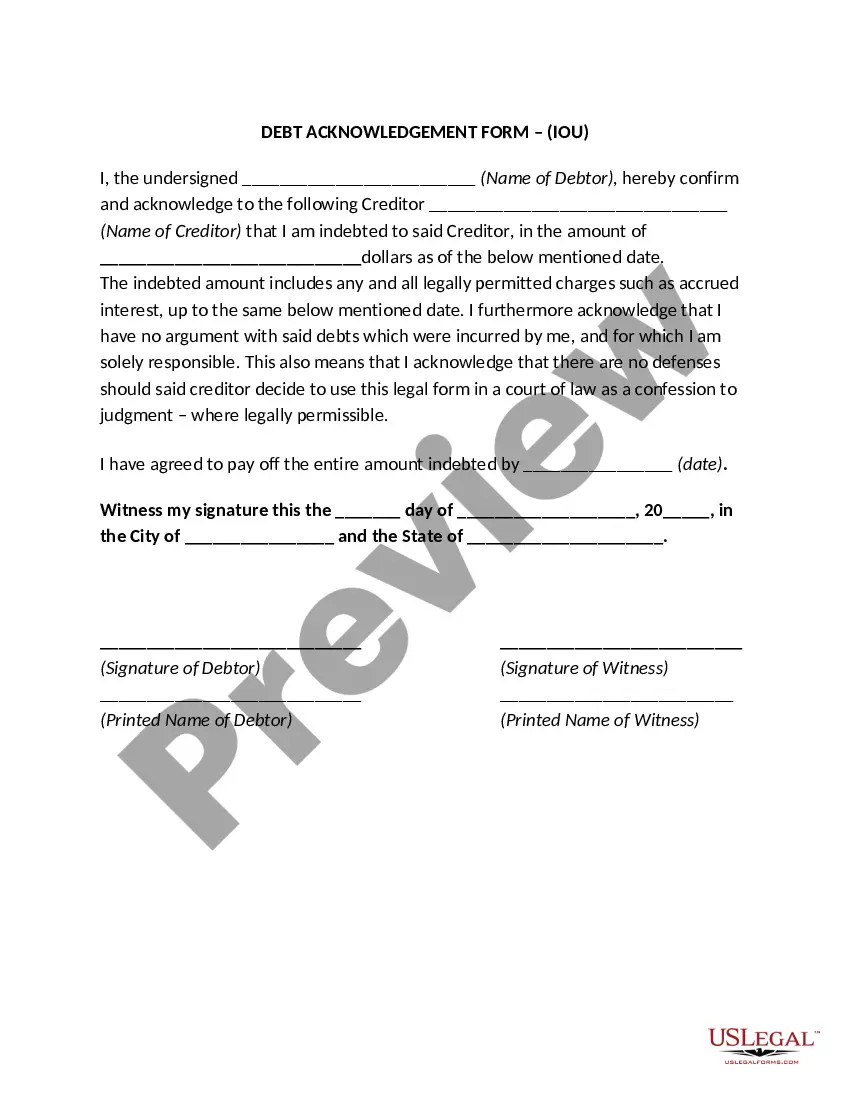
Description
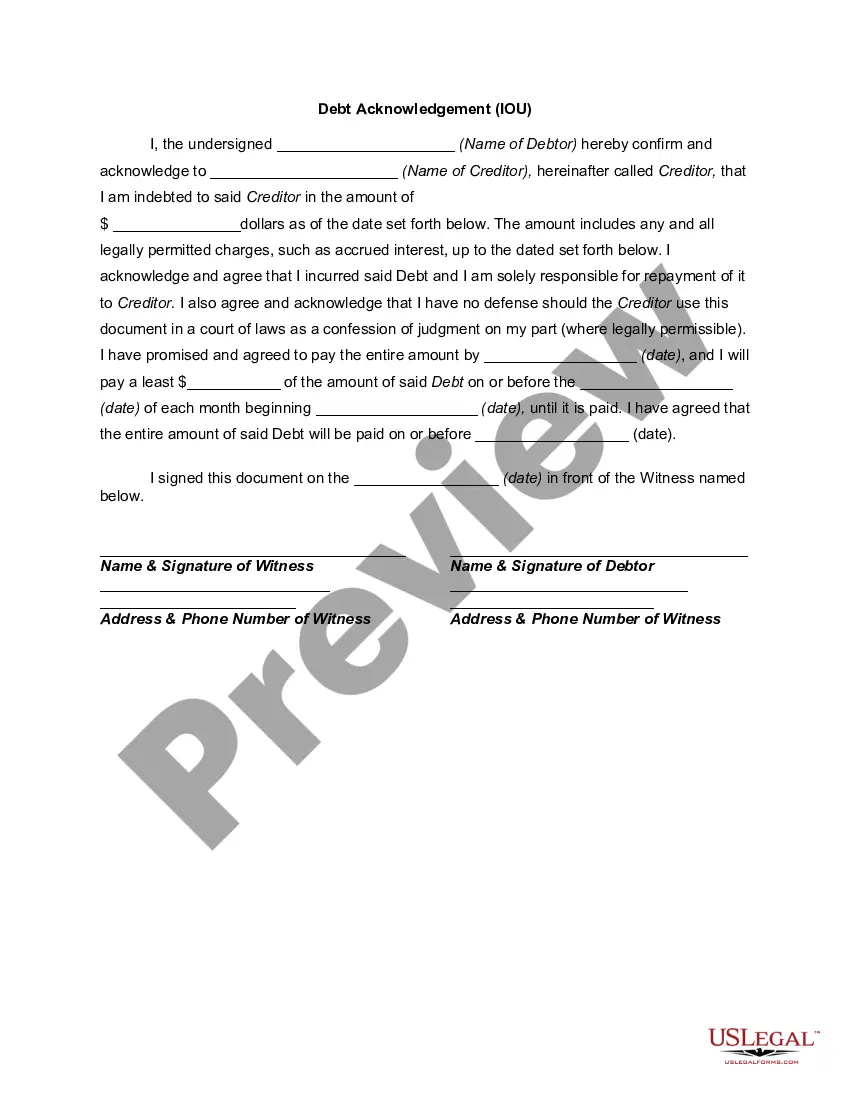
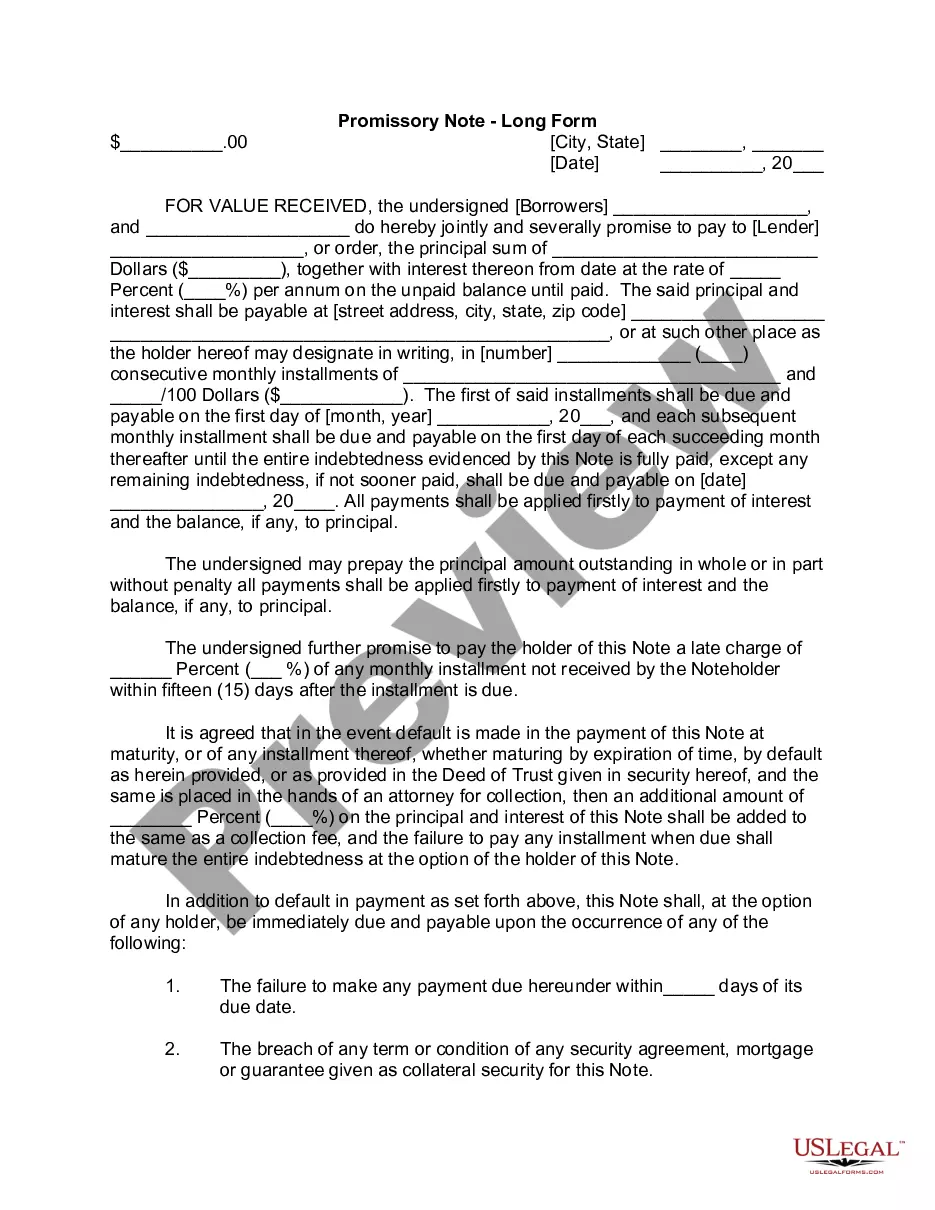
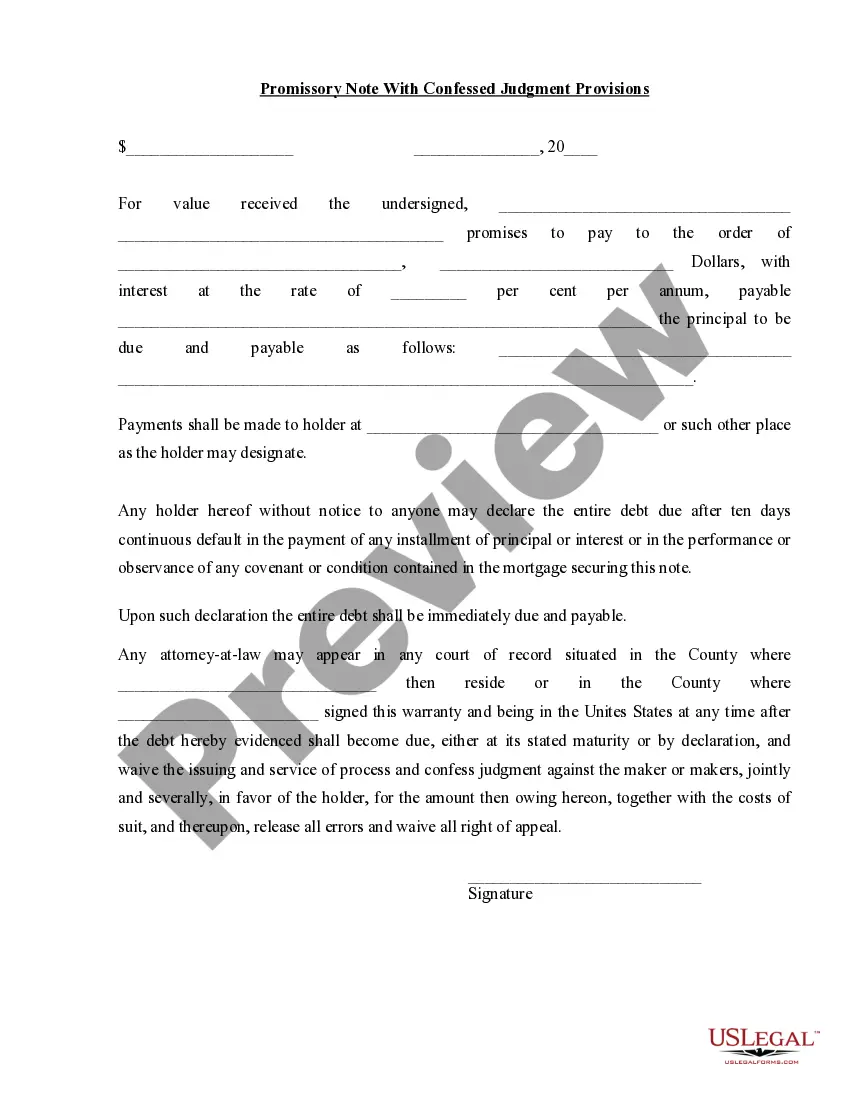
Get your form ready online
Our built-in tools help you complete, sign, share, and store your documents in one place.
Make edits, fill in missing information, and update formatting in US Legal Forms—just like you would in MS Word.
Download a copy, print it, send it by email, or mail it via USPS—whatever works best for your next step.
Sign and collect signatures with our SignNow integration. Send to multiple recipients, set reminders, and more. Go Premium to unlock E-Sign.
If this form requires notarization, complete it online through a secure video call—no need to meet a notary in person or wait for an appointment.
We protect your documents and personal data by following strict security and privacy standards.

Make edits, fill in missing information, and update formatting in US Legal Forms—just like you would in MS Word.

Download a copy, print it, send it by email, or mail it via USPS—whatever works best for your next step.

Sign and collect signatures with our SignNow integration. Send to multiple recipients, set reminders, and more. Go Premium to unlock E-Sign.

If this form requires notarization, complete it online through a secure video call—no need to meet a notary in person or wait for an appointment.

We protect your documents and personal data by following strict security and privacy standards.
Looking for another form?



Form popularity
FAQ
If you say that you are indebted to someone for something, you mean that you are very grateful to them for something.
It's important to respond to (or answer) the lawsuit. You do this by filing official paperwork with the court. Be sure to address every point in the complaint, raise any defenses you have, and file the paperwork within the time frame provided.
A debt collector cannot lie or use deceptive practices to collect a debt. They cannot falsely claim to be attorneys or government representatives, misrepresent the amount you owe, falsely claim you've committed a crime or threaten legal action they cannot or do not intend to take.
The correct phrase to use is ``I'm in debt to you.'' This means that you owe something to someone, usually gratitude or a favour, because they have helped you in some way.
3 Answers 3 As noted at oxforddictionaries, to be in someone's debt means to owe something to someone. I am forever in your debt, and can never repay you. The issue you are confronting is whether the word debt (standing alone) refers to something owed or owing.
: very thankful for something that someone has done for one.
If you have unpaid past-due debt, your original creditor will typically contact you first. For example, if you have an old student loan you stopped paying, your lender will attempt to contact you to bring the account current. If those attempts are unsuccessful, the creditor may send the debt to a collection agency.
Here's a step-by-step guide that outlines the actions a business should take before moving forward with a collection agency. Contact the Debtor. Send a Demand Letter. Consider Negotiation. Hire a Collection Agency. Provide Documentation. Monitor Progress. Consider Legal Action.
The only thing you should ever say to debt collectors is ``what is your address''. Get it and then hang up. Write them a letter saying that any form of contact other than mail is inconvenient for you. Also state that you have no knowledge of the debt, and ask them to verify it with the original creditor.
More than seven times within seven consecutive calendar days “call frequency prong”; or. Within a period of seven consecutive calendar days after having had a telephone conversation with the person in connection with the collection of such debt “conversation frequency prong”.