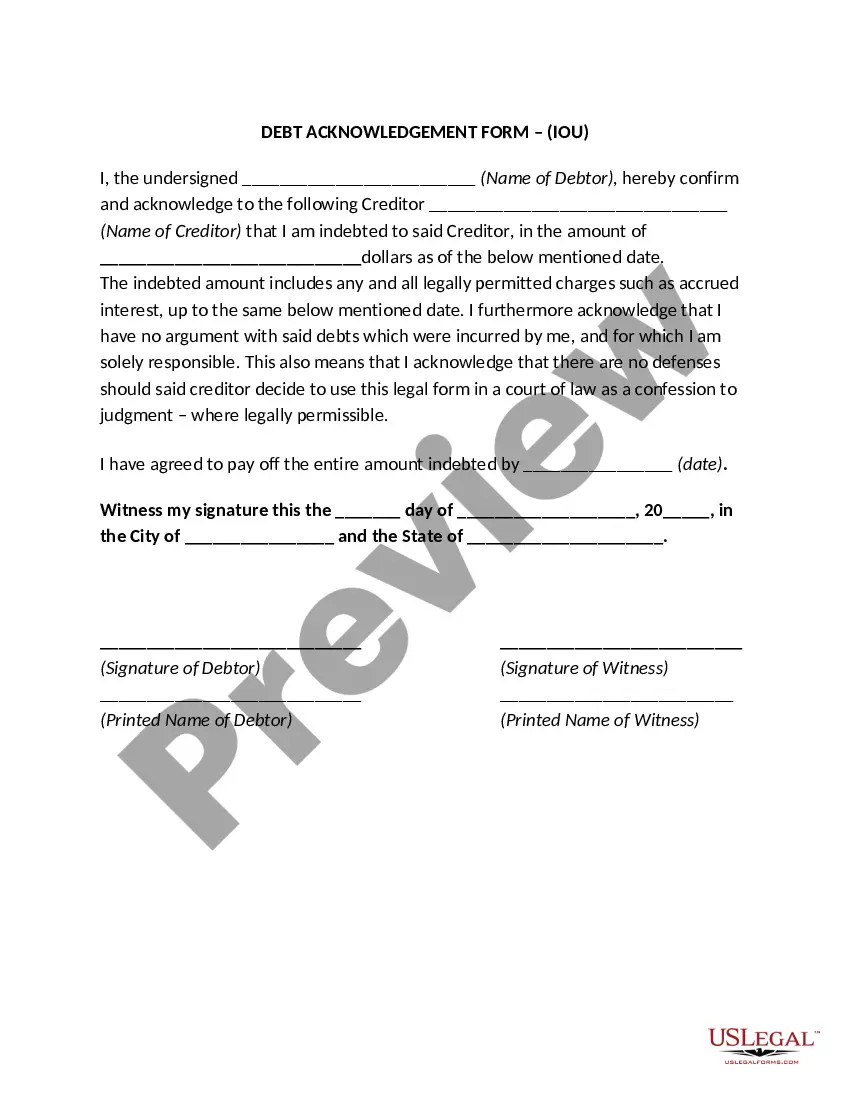
You And I With Chords In North Carolina
Description
Get your form ready online
Our built-in tools help you complete, sign, share, and store your documents in one place.
Make edits, fill in missing information, and update formatting in US Legal Forms—just like you would in MS Word.
Download a copy, print it, send it by email, or mail it via USPS—whatever works best for your next step.
Sign and collect signatures with our SignNow integration. Send to multiple recipients, set reminders, and more. Go Premium to unlock E-Sign.
If this form requires notarization, complete it online through a secure video call—no need to meet a notary in person or wait for an appointment.
We protect your documents and personal data by following strict security and privacy standards.

Make edits, fill in missing information, and update formatting in US Legal Forms—just like you would in MS Word.

Download a copy, print it, send it by email, or mail it via USPS—whatever works best for your next step.

Sign and collect signatures with our SignNow integration. Send to multiple recipients, set reminders, and more. Go Premium to unlock E-Sign.

If this form requires notarization, complete it online through a secure video call—no need to meet a notary in person or wait for an appointment.

We protect your documents and personal data by following strict security and privacy standards.
Looking for another form?






Form popularity
FAQ
Most songs begin, and almost all of them end, on the tonic chord of the key (IOW, if the song is in C, the last chord will be a C major; if the song is in B minor, the last chord will be B minor, etc). So if you want to figure out what key it's in, try to play along with the first and last chords of the song.
And that hiyee still sounds great with the cord. But if you hit the high G it really takes it to theMoreAnd that hiyee still sounds great with the cord. But if you hit the high G it really takes it to the next. Level. Now you could just simplify that to a straight a minor.
The best way to start identifying the guitar chords of a song is by focusing on the bass notes and the overall harmony. Start by listening carefully to the bassline, as it often hints at the root notes of the chords. Then, hum along to the melody while testing out simple chords like major and minor ones.
G, C and D are some of the most commonly used chords in popular music and are used in literally thousands of songs (we'll list some of the most well-known later).
The majority of songs will use the same chords and/or chord progression as the intro in the accompaniment. The best way to figure out the chords themselves is to listen for the lowest note, work out what it is, and then listen for the intervals above to fill in the rest of the chord.
Finding chords for your melody, steps to follow: Try to transpose the melody to a scale you know well. Try to find your bass notes first. Start with the root note (of the scale). Many progressions start or end with the root note (tonic). After finding a fitting bass progression, build chords on it.
N.C. Occasionally you'll see the chord symbol N.C. The symbol N.C. means “No Chord.” That means there is no specific group of notes being played at the same time.
Finding chords for your melody, steps to follow: Try to transpose the melody to a scale you know well. Try to find your bass notes first. Start with the root note (of the scale). Many progressions start or end with the root note (tonic). After finding a fitting bass progression, build chords on it.
G, C and D are some of the most commonly used chords in popular music and are used in literally thousands of songs (we'll list some of the most well-known later). Also, they're not too difficult to learn and they sound really good together (hence their popularity).
And you want to keep the second and first strings open as well. So that's b sus4. Those are ourMoreAnd you want to keep the second and first strings open as well. So that's b sus4. Those are our three chords a sus2 e major and b sus. Four. So that's the main chord progression.