Using Debt To Pay Off Debt In Nevada
Description
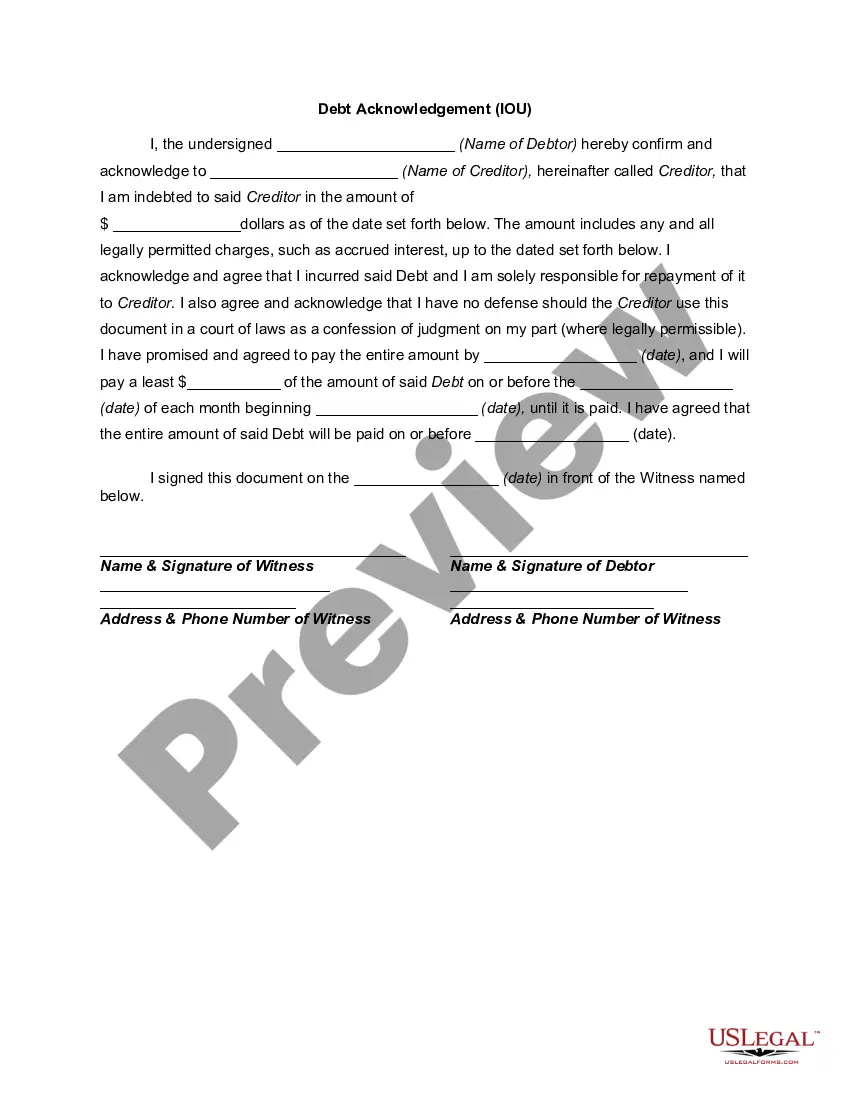
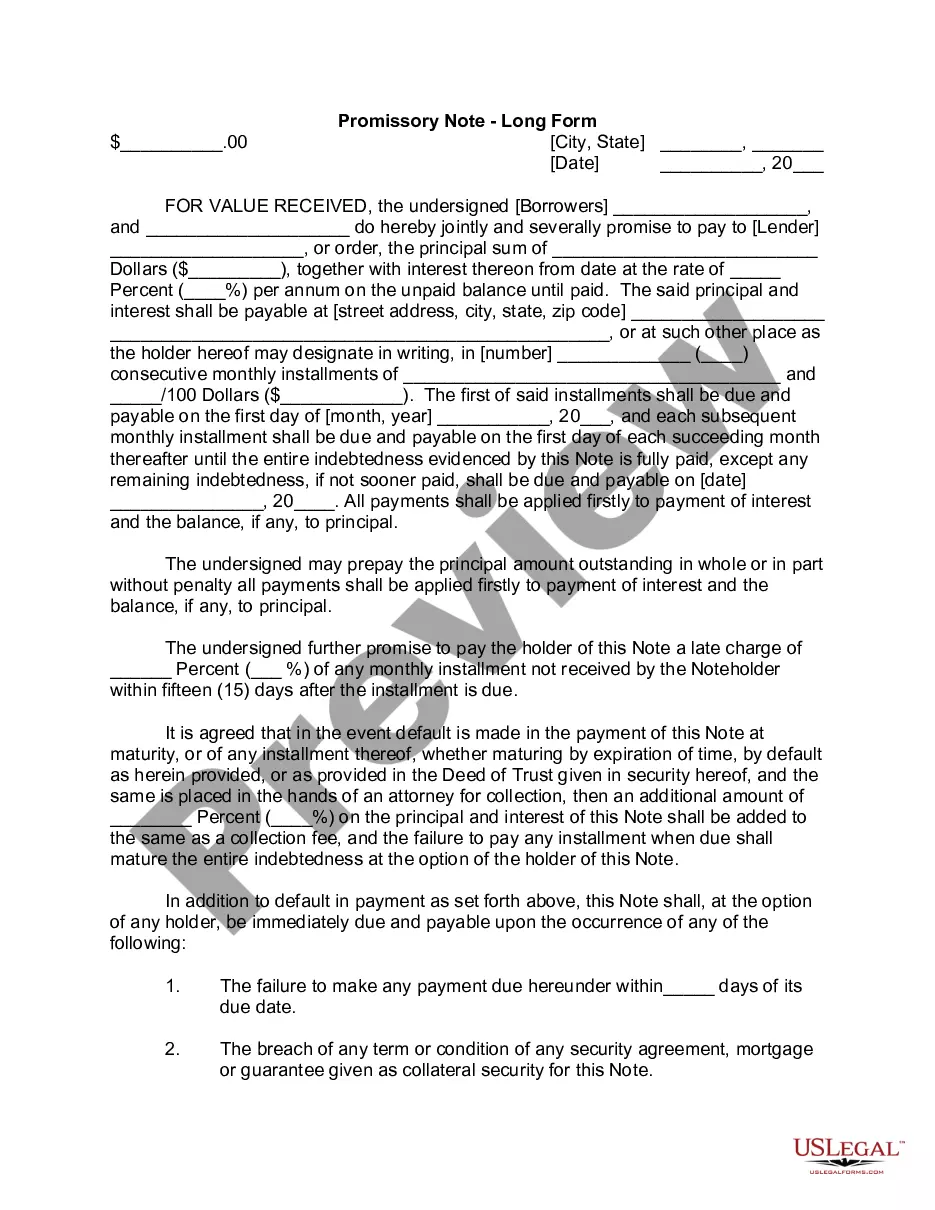
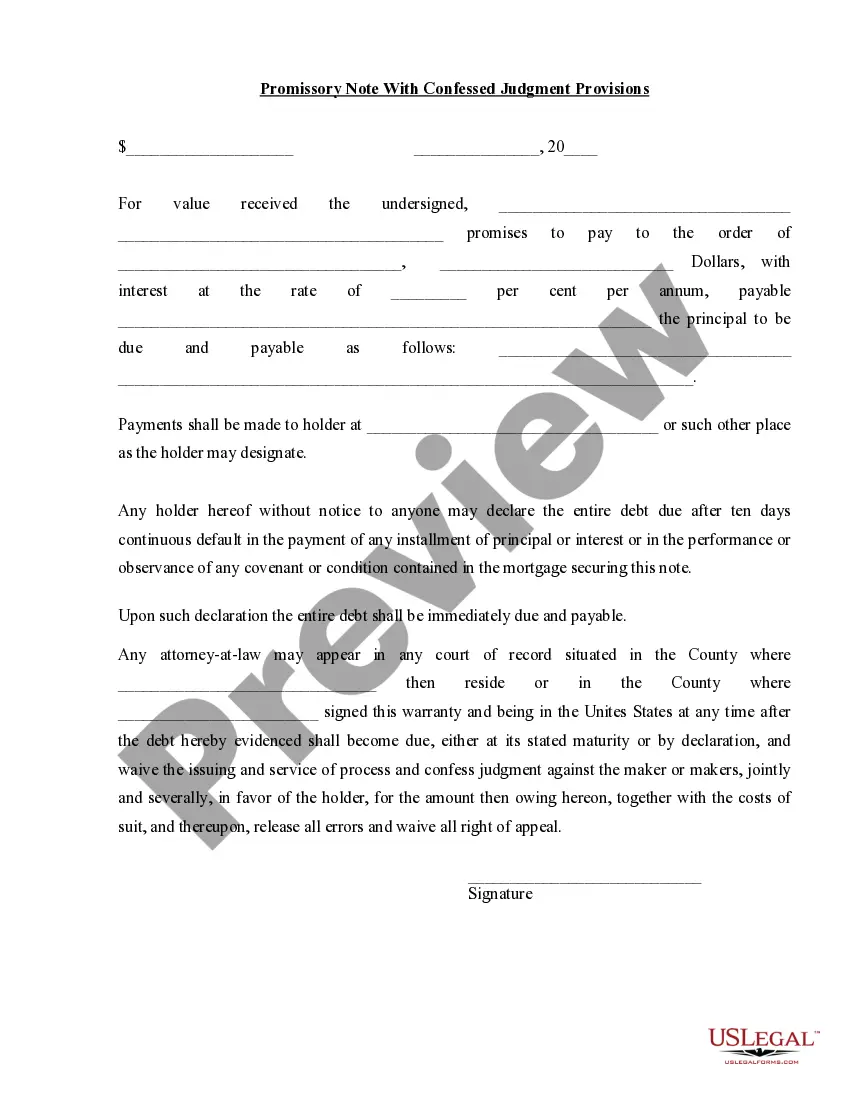
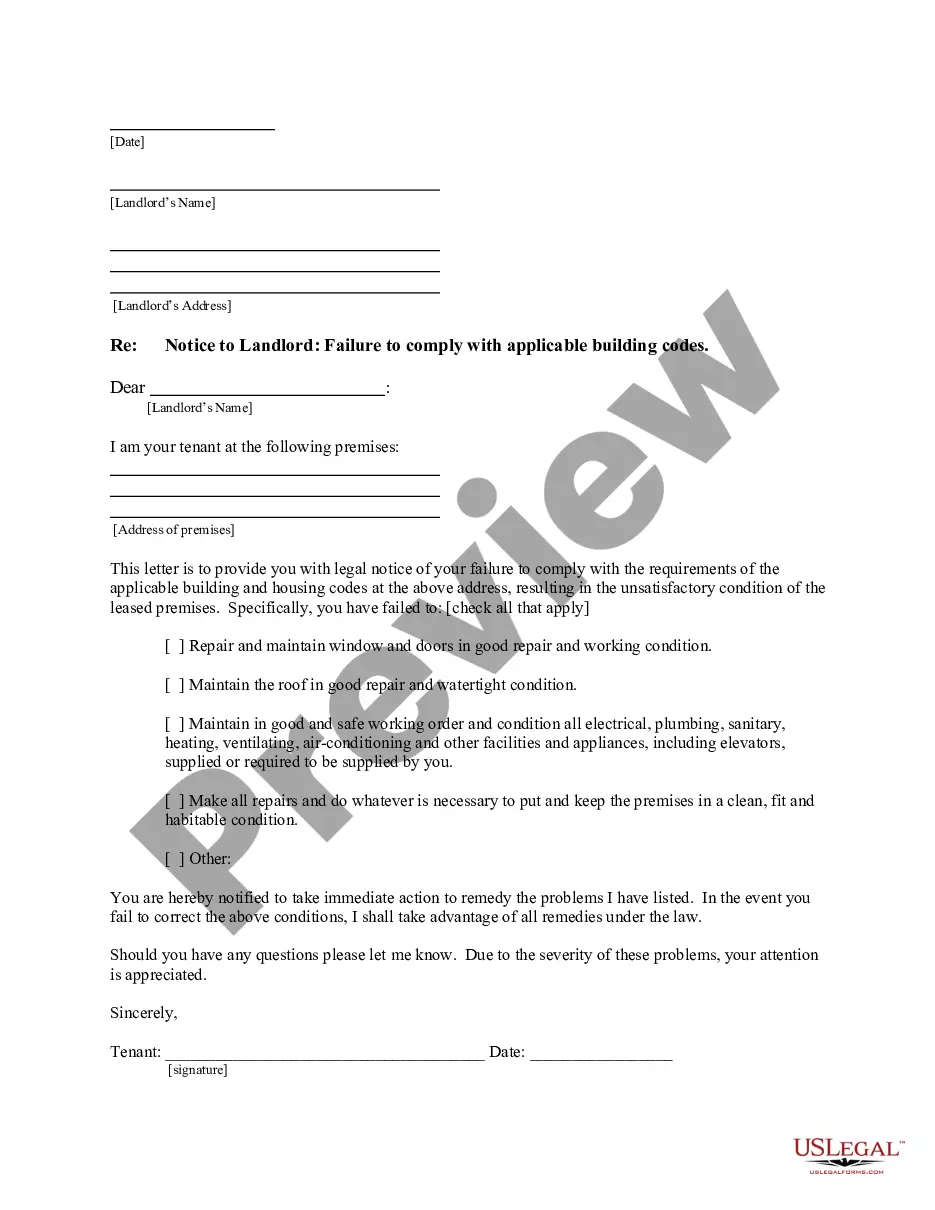
Get your form ready online
Our built-in tools help you complete, sign, share, and store your documents in one place.
Make edits, fill in missing information, and update formatting in US Legal Forms—just like you would in MS Word.
Download a copy, print it, send it by email, or mail it via USPS—whatever works best for your next step.
Sign and collect signatures with our SignNow integration. Send to multiple recipients, set reminders, and more. Go Premium to unlock E-Sign.
If this form requires notarization, complete it online through a secure video call—no need to meet a notary in person or wait for an appointment.
We protect your documents and personal data by following strict security and privacy standards.

Make edits, fill in missing information, and update formatting in US Legal Forms—just like you would in MS Word.

Download a copy, print it, send it by email, or mail it via USPS—whatever works best for your next step.

Sign and collect signatures with our SignNow integration. Send to multiple recipients, set reminders, and more. Go Premium to unlock E-Sign.

If this form requires notarization, complete it online through a secure video call—no need to meet a notary in person or wait for an appointment.

We protect your documents and personal data by following strict security and privacy standards.
Looking for another form?







Form popularity
FAQ
This legal time limit, which varies by state, sets a deadline for creditors to sue you for unpaid debts. In most states, the statute of limitations for collecting on credit card debt is between three and 10 years, but a few states allow for longer periods, extending up to 15 years.
Debt collectors may not threaten arrest or legal action that is not legitimately being considered. Debt collectors may not use abusive or profane language when attempting to collect a debt; they may not pretend to be lawyers or police officers and they can't submit false information to credit reporting agencies.
Oral Contracts: If the debt is based on a verbal agreement, the statute of limitations is 4 years. Open-Ended Accounts: Debts from open-ended accounts, like credit cards, also have a 4-year statute of limitations. Promissory Notes: For promissory notes, such as mortgages, the statute of limitations is 6 years.
Oral Contracts: If the debt is based on a verbal agreement, the statute of limitations is 4 years. Open-Ended Accounts: Debts from open-ended accounts, like credit cards, also have a 4-year statute of limitations.
Depending on the type of probate, creditors have 60 or 90 days in which to respond to a Notice to Creditors. After receiving the response from the claimant, the estate's executor or administrator has 15 days to allow or reject each claim.
Debt collectors cannot harass or abuse you. They cannot swear, threaten to illegally harm you or your property, threaten you with illegal actions, or falsely threaten you with actions they do not intend to take. They also cannot make repeated calls over a short period to annoy or harass you.
Nevada does not have a state-sponsored debt relief program. However, there are accredited organizations and programs available to help residents tackle their debt.
The phrase in question is: “Please cease and desist all calls and contact with me, immediately.” These 11 words, when used correctly, can provide significant protection against aggressive debt collection practices.
The Fair Debt Collections Practices Act regulates debt collection agencies, seeking to stop abusive collection practices and promote fair collection practices. Consumers are granted rights, including a legal way to dispute and validate debts.

