Debt To Income Ratio In Minnesota
Description
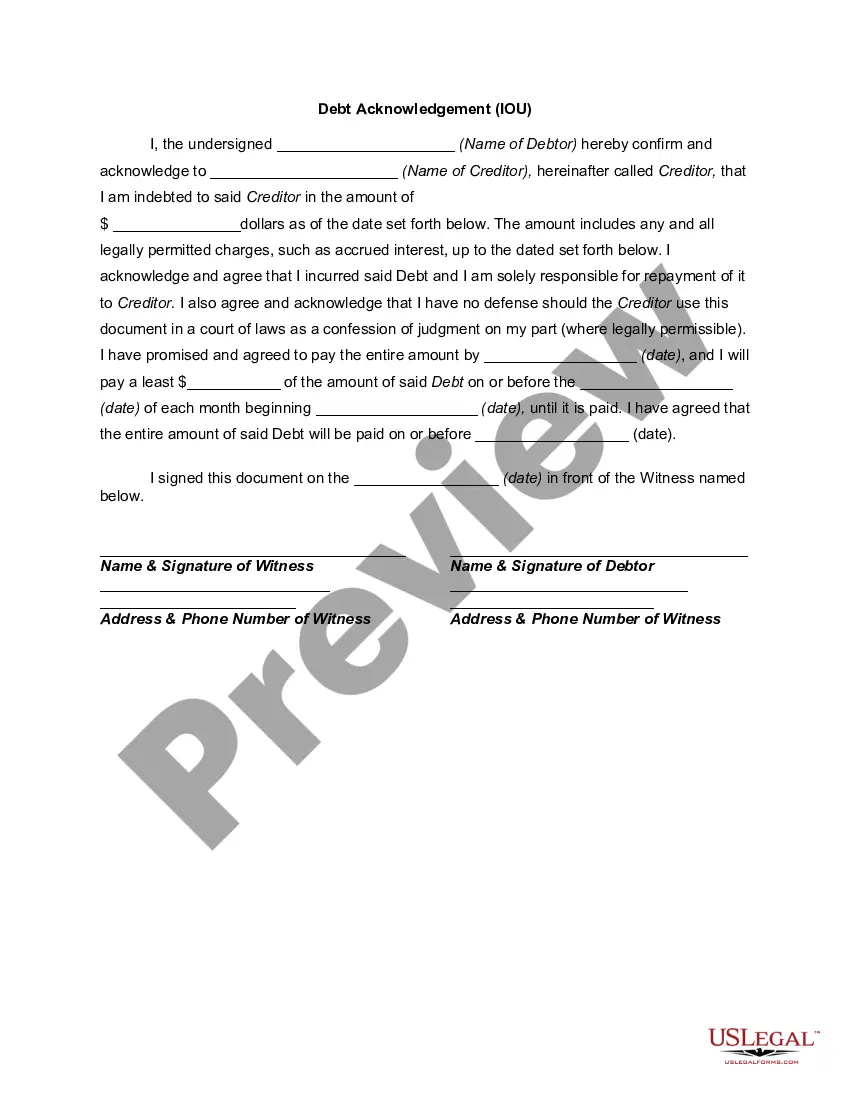
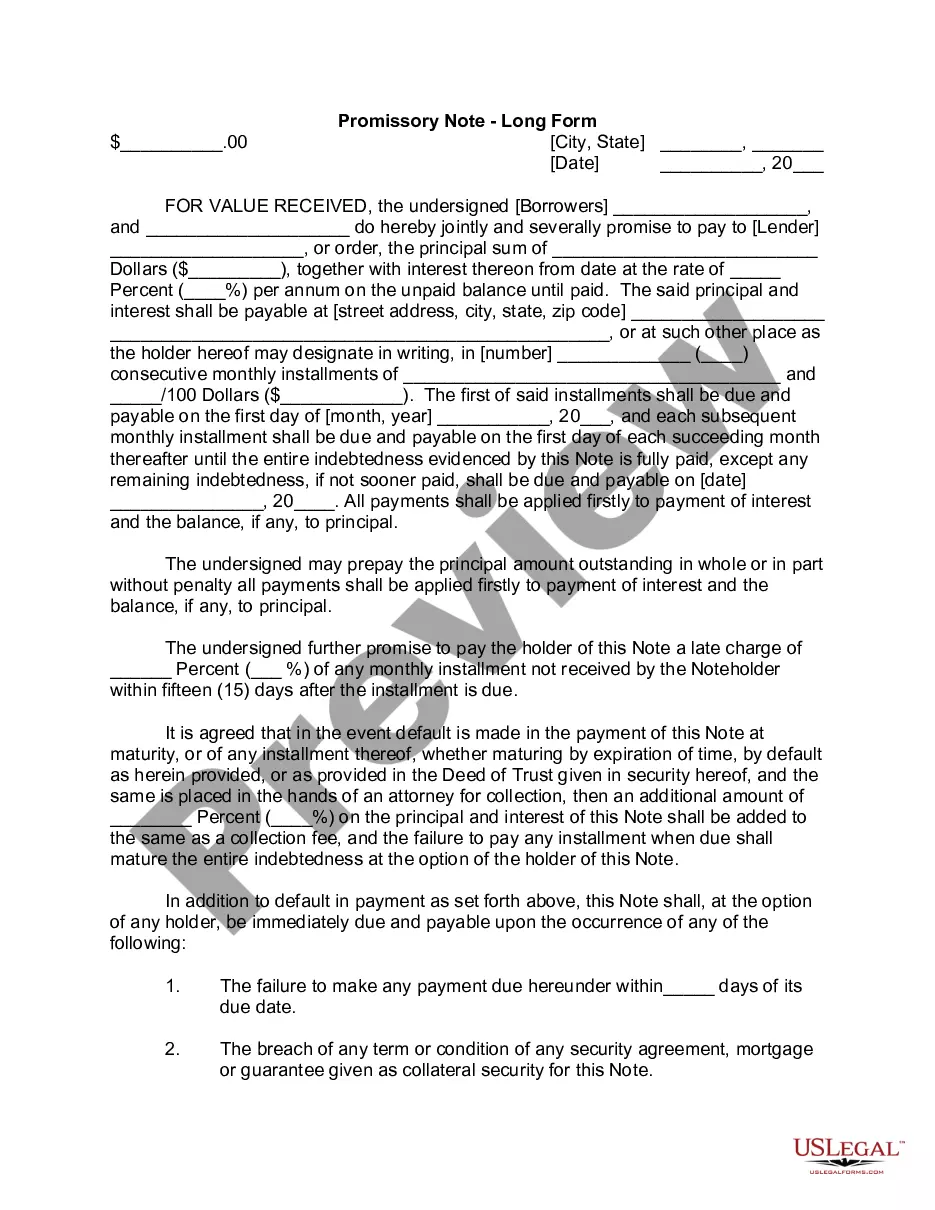
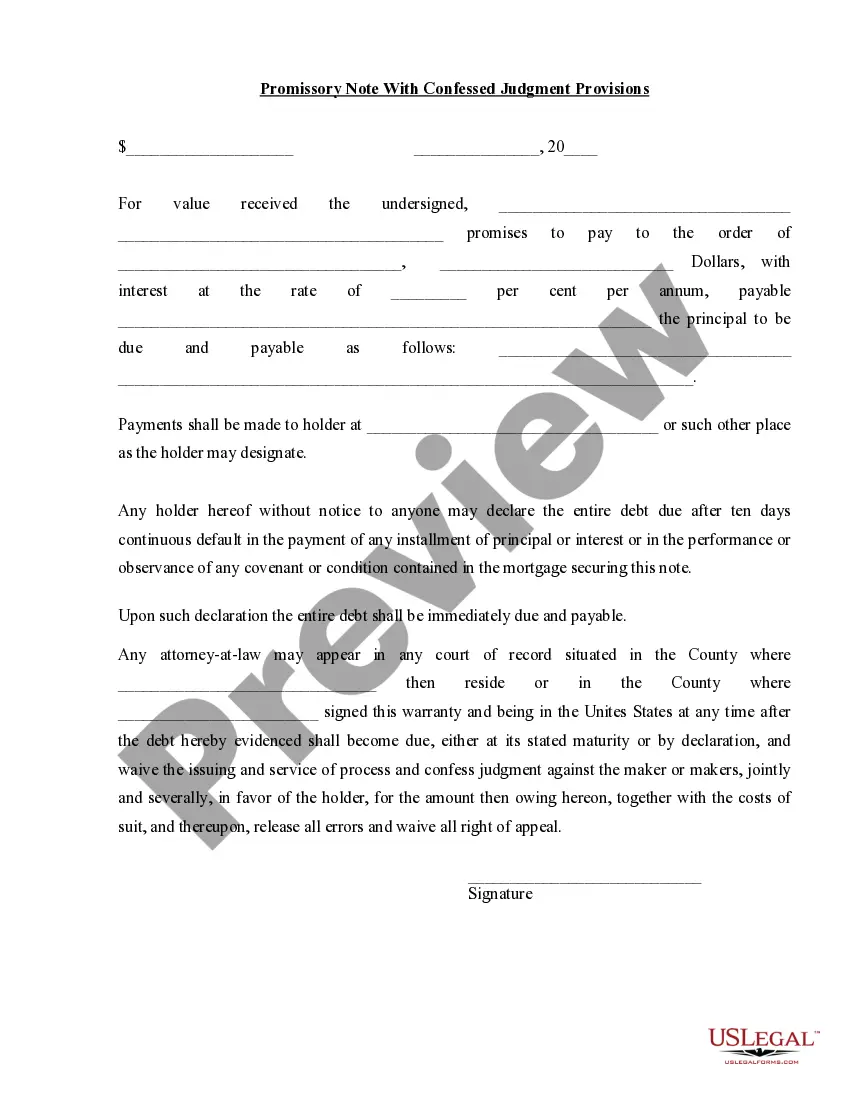
Get your form ready online
Our built-in tools help you complete, sign, share, and store your documents in one place.
Make edits, fill in missing information, and update formatting in US Legal Forms—just like you would in MS Word.
Download a copy, print it, send it by email, or mail it via USPS—whatever works best for your next step.
Sign and collect signatures with our SignNow integration. Send to multiple recipients, set reminders, and more. Go Premium to unlock E-Sign.
If this form requires notarization, complete it online through a secure video call—no need to meet a notary in person or wait for an appointment.
We protect your documents and personal data by following strict security and privacy standards.

Make edits, fill in missing information, and update formatting in US Legal Forms—just like you would in MS Word.

Download a copy, print it, send it by email, or mail it via USPS—whatever works best for your next step.

Sign and collect signatures with our SignNow integration. Send to multiple recipients, set reminders, and more. Go Premium to unlock E-Sign.

If this form requires notarization, complete it online through a secure video call—no need to meet a notary in person or wait for an appointment.

We protect your documents and personal data by following strict security and privacy standards.
Looking for another form?










Form popularity
FAQ
Debt-to-income ratio is your monthly debt obligations compared to your gross monthly income (before taxes), expressed as a percentage. A good debt-to-income ratio is less than or equal to 36%. Any debt-to-income ratio above 43% is considered to be too much debt.
Taking control of your debt-to-income ratio can help your business and its chances of getting funding at good rates. Ideally, you should aim to have a debt-to-income ratio no higher than 36%.
Household debt-to-income ratio in the U.S. Q1 2024, by state The highest household debt-to-income ratio was recorded in Hawaii at 2.2, and the lowest in the District of Columbia at 0.52 percent, respectively.
A 0.5 D/E ratio is good in the sense that the company has more equity than debt financing. This suggests lower risk for creditors and investors. However, it might also indicate the company is missing out on potential growth opportunities that debt financing can provide.
Reduce Your Debt For those with multiple high-interest payments, debt consolidation for a high debt-to-income ratio might be one solution. By consolidating debt into one lower-interest loan, monthly payments become more manageable, which helps reduce DTI over time.
Debt-to-income ratio is your monthly debt obligations compared to your gross monthly income (before taxes), expressed as a percentage. A good debt-to-income ratio is less than or equal to 36%. Any debt-to-income ratio above 43% is considered to be too much debt.
The debt ratio, or total debt-to-total assets, is calculated by dividing a company's total debt by its total assets. It is also called the debt-to-assets ratio. It is a leverage ratio that defines how much debt a company carries compared to the value of the assets it owns.
Focus on high-interest debts first: Pay off credit card balances or personal loans with the highest interest rates. Reducing these debts lowers your monthly obligations and improves your DTI ratio. Use windfalls wisely: Apply any unexpected windfalls, such as tax refunds or bonuses, directly to your debt.
A company's debt ratio can be calculated by dividing total debt by total assets.

