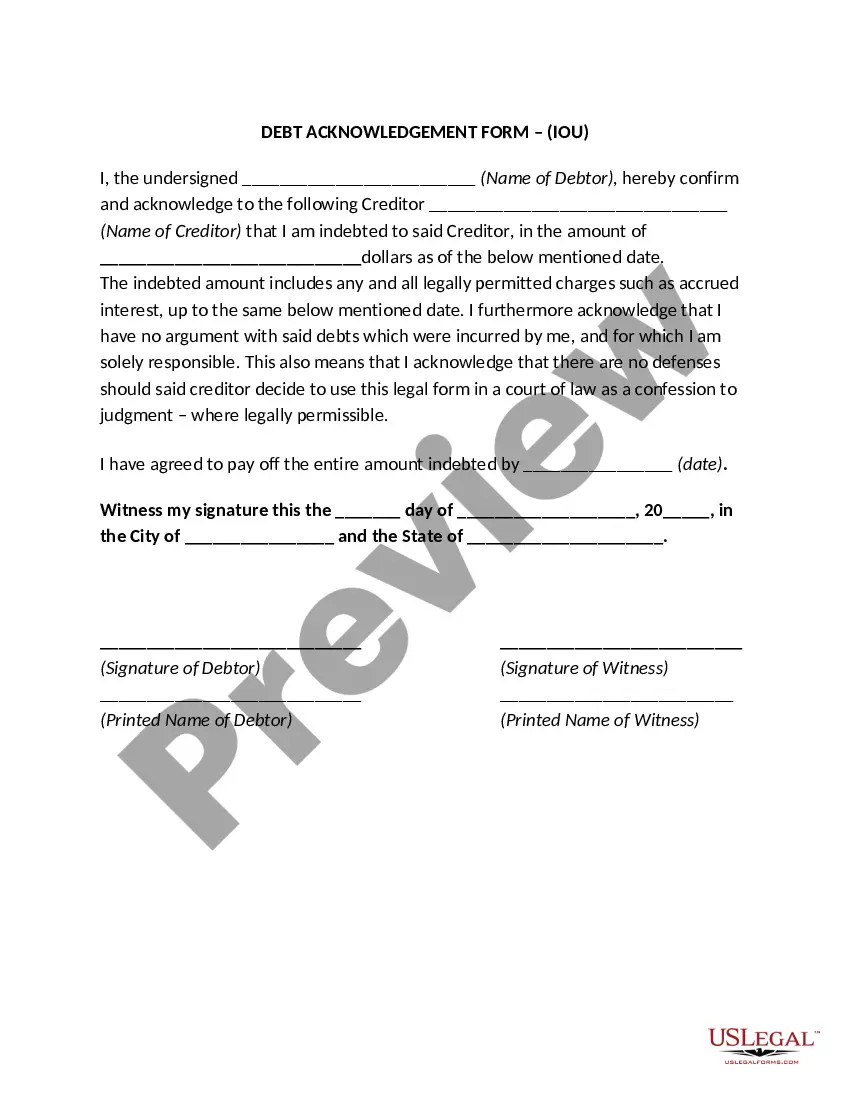
You And I Without You In Michigan
Description
Get your form ready online
Our built-in tools help you complete, sign, share, and store your documents in one place.
Make edits, fill in missing information, and update formatting in US Legal Forms—just like you would in MS Word.
Download a copy, print it, send it by email, or mail it via USPS—whatever works best for your next step.
Sign and collect signatures with our SignNow integration. Send to multiple recipients, set reminders, and more. Go Premium to unlock E-Sign.
If this form requires notarization, complete it online through a secure video call—no need to meet a notary in person or wait for an appointment.
We protect your documents and personal data by following strict security and privacy standards.

Make edits, fill in missing information, and update formatting in US Legal Forms—just like you would in MS Word.

Download a copy, print it, send it by email, or mail it via USPS—whatever works best for your next step.

Sign and collect signatures with our SignNow integration. Send to multiple recipients, set reminders, and more. Go Premium to unlock E-Sign.

If this form requires notarization, complete it online through a secure video call—no need to meet a notary in person or wait for an appointment.

We protect your documents and personal data by following strict security and privacy standards.
Looking for another form?







Form popularity
FAQ
After you pass the knowledge test, you will qualify for a Temporary Instruction Permit (TIP). A TIP lets you practice driving for up to 180 days with a licensed adult who is 21 years old or older. It costs $25. Before you get a TIP, you must pass a vision test and show certain documents.
These restrictions might be sent automatically from SOS following a conviction (for example, a first-offense Impaired Driving conviction typically results in a 90-day license restriction), or they might have to be requested/earned following a driver's license appeal hearing at DAAD.
Before 2008, Michigan was one of a handful of states that issued driver's licenses to undocumented immigrants. The legislature passed a law banning the practice following an opinion issued by former Attorney General Mike Cox, a Republican.
So, to get a hardship license in the first place, motorists often have to prove to the court or DMV that they need to drive to: maintain employment. get to school (or get kids to school) attend alcohol or drug treatment.
Present at least two documents Life, health, auto or home insurance policy □ Federal, state or local government documents, such as receipts, licenses or assessments □ Michigan title and registration (Registration must show current residential address.)
The most important parts will be the substance abuse evaluation and any subsequent following of that recommendation along with the daily alcohol testing. Neither is required, but the substance abuse evaluation is expected, and daily alcohol testing is usually the cherry on top of receiving the hardship license.
Suppose an individual loses their implied consent hearing with the Secretary of State or fails to request a hearing within 14 days. In that case, they can file a Petition for a Hardship License in the circuit court in the county where they were arrested. The Hardship Petition has precise and complex requirements.
Someone can request a hardship license from a circuit court judge if their driver's license is suspended due to a first implied consent violation. Suppose an individual loses their implied consent hearing with the Secretary of State or fails to request a hearing within 14 days.
The main reason to file separately is if the lower income partner qualifies for certain income related programs like income capped student loan payments or financial aid.
And while there's no penalty for the Married Filing Separately tax status, filing separately usually results in even higher taxes than filing jointly. For example, one of the big disadvantages of Married Filing Separately is that there are many credits that neither spouse can claim when filing separately.