I Debt To You In Maryland
Description
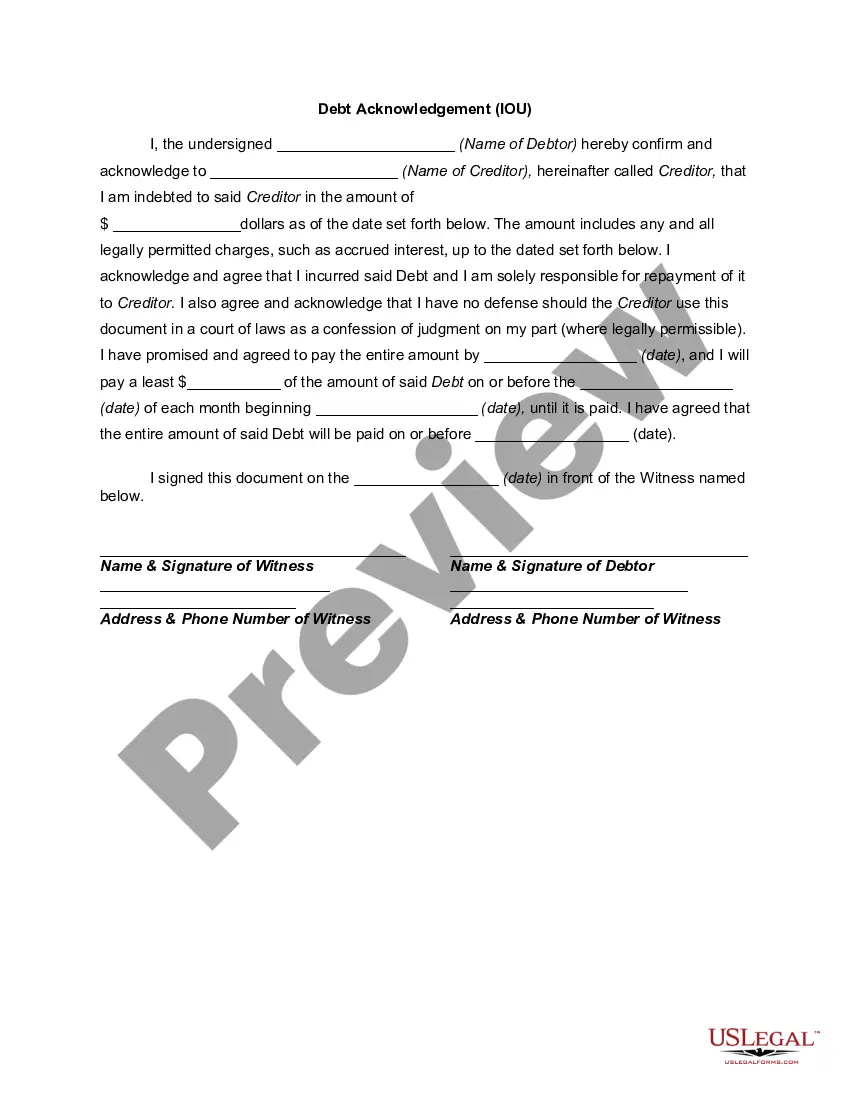
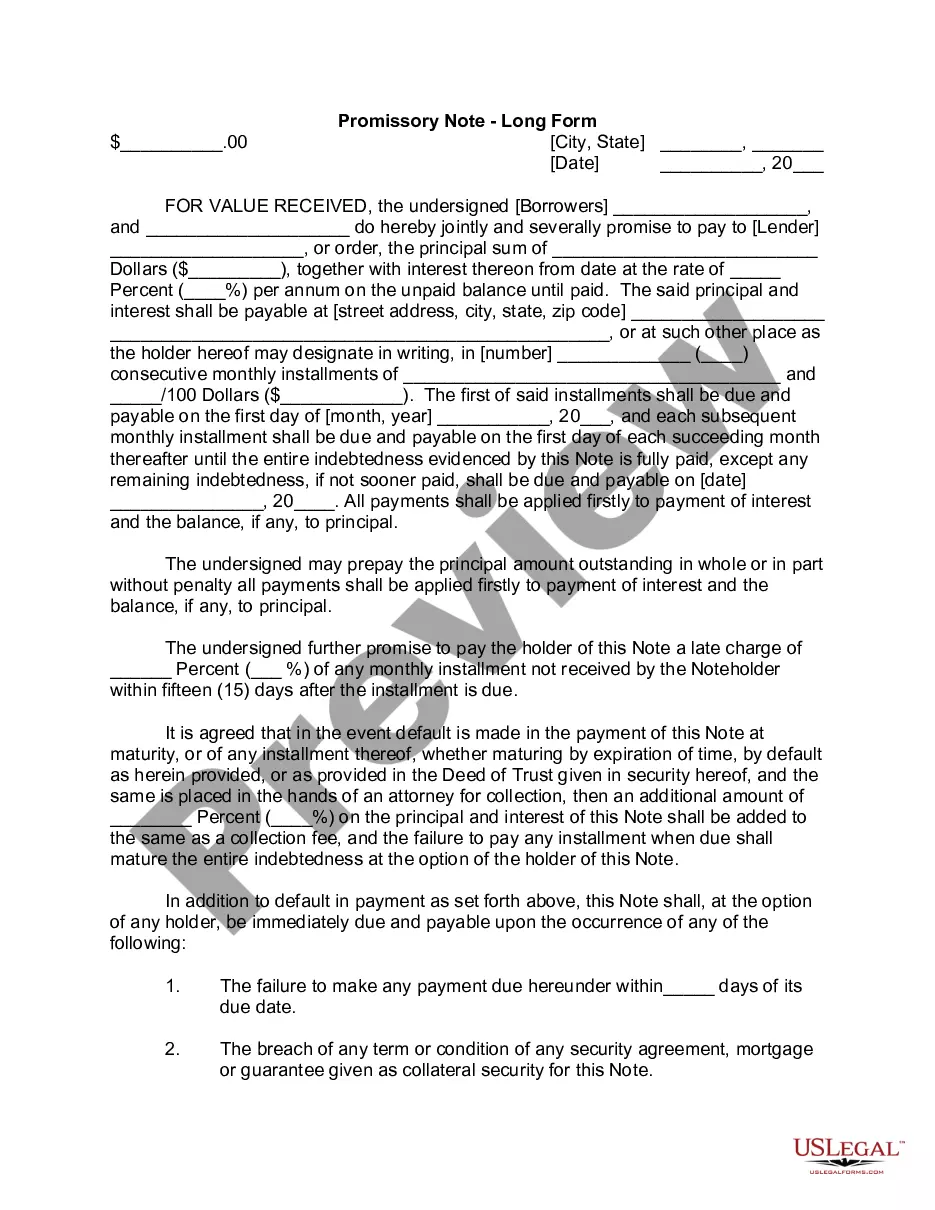
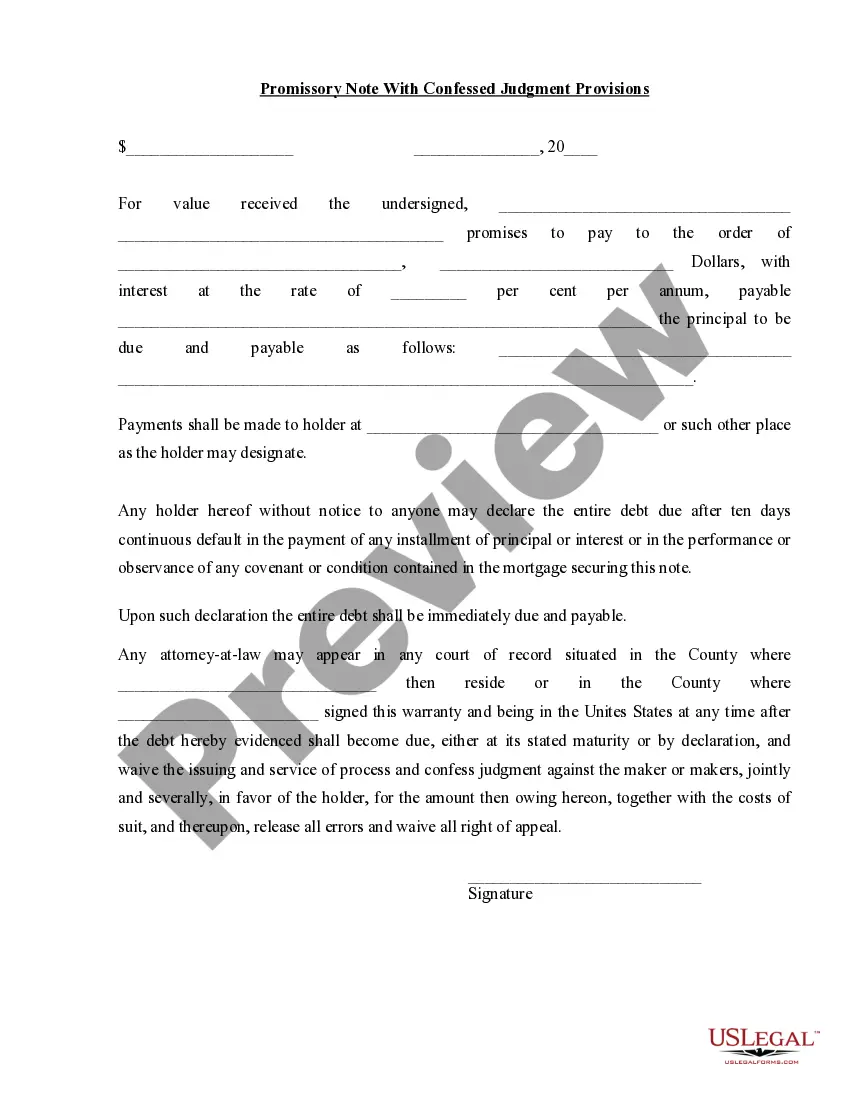
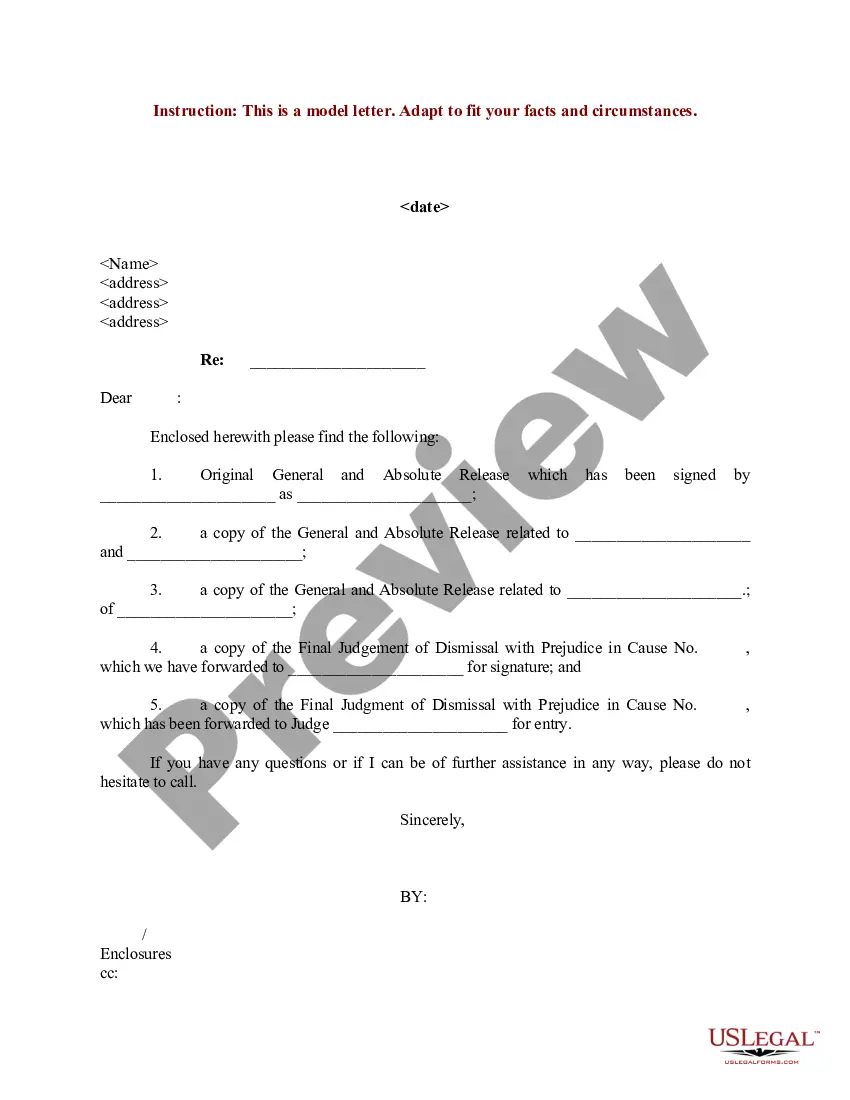
Get your form ready online
Our built-in tools help you complete, sign, share, and store your documents in one place.
Make edits, fill in missing information, and update formatting in US Legal Forms—just like you would in MS Word.
Download a copy, print it, send it by email, or mail it via USPS—whatever works best for your next step.
Sign and collect signatures with our SignNow integration. Send to multiple recipients, set reminders, and more. Go Premium to unlock E-Sign.
If this form requires notarization, complete it online through a secure video call—no need to meet a notary in person or wait for an appointment.
We protect your documents and personal data by following strict security and privacy standards.

Make edits, fill in missing information, and update formatting in US Legal Forms—just like you would in MS Word.

Download a copy, print it, send it by email, or mail it via USPS—whatever works best for your next step.

Sign and collect signatures with our SignNow integration. Send to multiple recipients, set reminders, and more. Go Premium to unlock E-Sign.

If this form requires notarization, complete it online through a secure video call—no need to meet a notary in person or wait for an appointment.

We protect your documents and personal data by following strict security and privacy standards.
Looking for another form?





Form popularity
FAQ
Under Maryland law, neither spouse is directly liable for the debts of the other. You are only liable for cards in your own name. How to separate your assets from your spouse's assets is much more complicated. To begin with, you should consult with an attorney to address this issue.
This legal time limit, which varies by state, sets a deadline for creditors to sue you for unpaid debts. In most states, the statute of limitations for collecting on credit card debt is between three and 10 years, but a few states allow for longer periods, extending up to 15 years.
Specifically, the rule states that a debt collector cannot: Make more than seven calls within a seven-day period to a consumer regarding a specific debt. Call a consumer within seven days after having a telephone conversation about that debt.
If the unsecured creditors don't file a claim within the estate within 6 months of the date of death, they are barred from collecting the debt.
Statute of Limitations in Maryland The statute of limitations allows a creditor three years to collect on debts.
Time Limits on Collection The statute of limitations gives creditors 3 years to file a lawsuit against you for the debt you owe. If the case is brought to court and the judge rules in favor of the creditor, they then have only 12 years to collect the settlement.
(h) (1) Except as provided in paragraph (2) of this subsection, a spouse or another individual may not be held liable for the debt owed on a hospital bill of an individual who is at least 18 years old. (iii) Not required as a condition of providing any emergency or nonemergency health care services.
No, you aren't legally responsible for your partner's debt unless you guarantee it or if it is a joint credit card account. Debt entirely in the name of your spouse, you are not responsible for.

