You And I With Chords In Los Angeles
Description
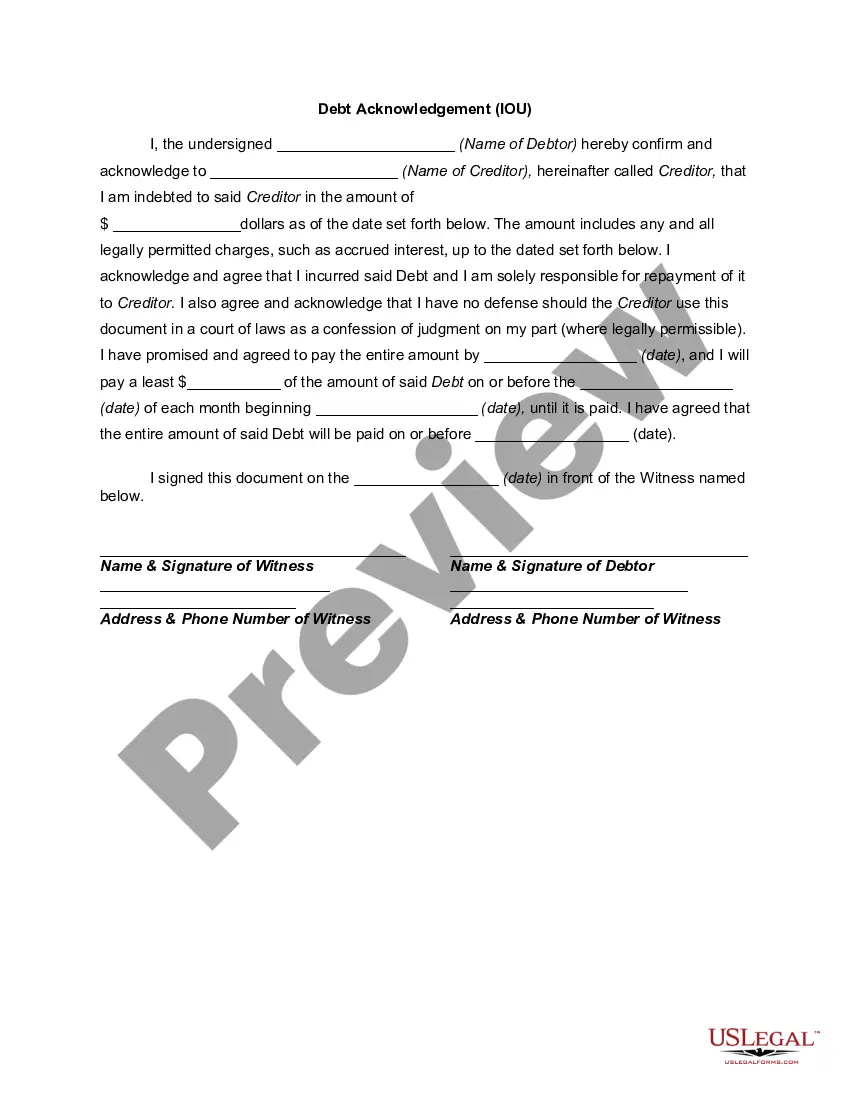
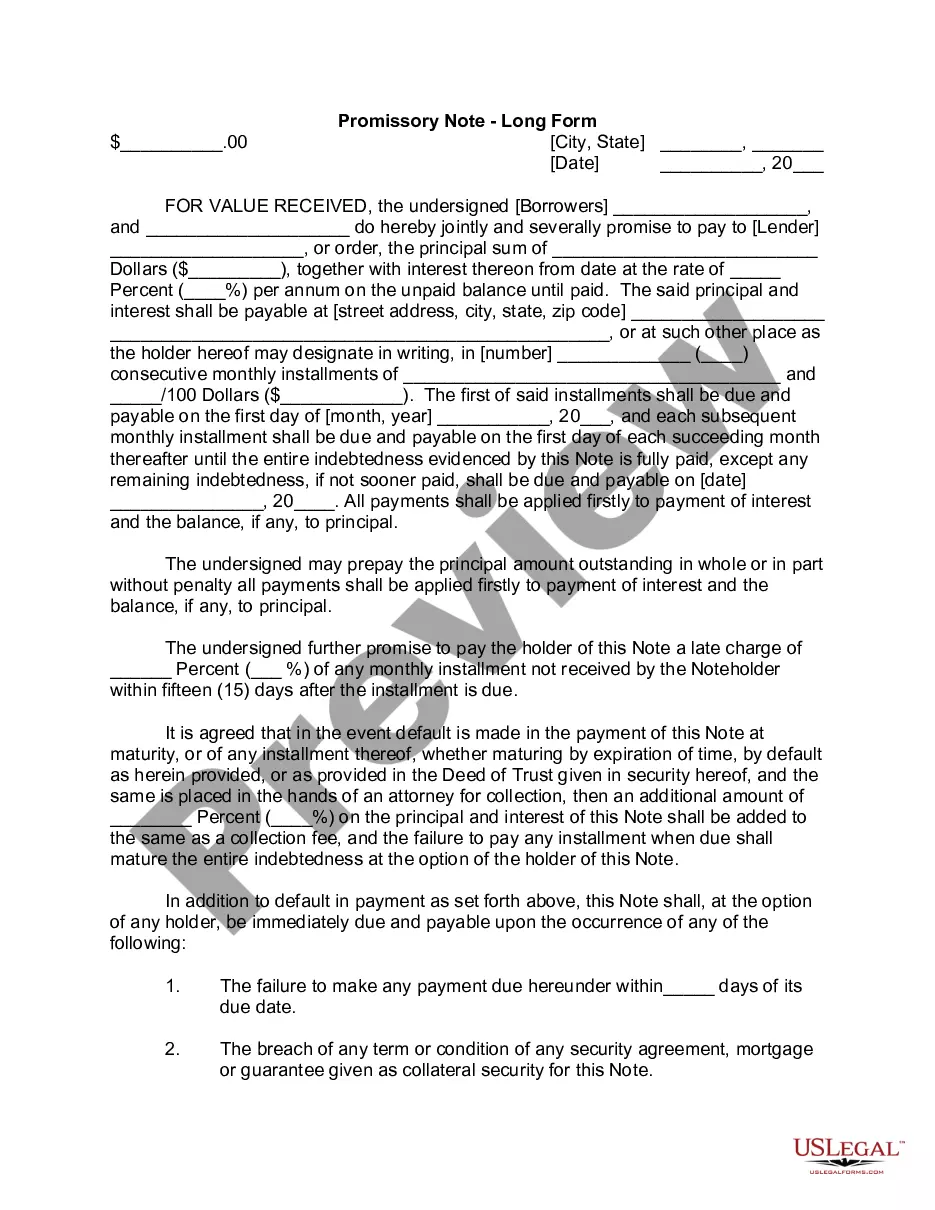
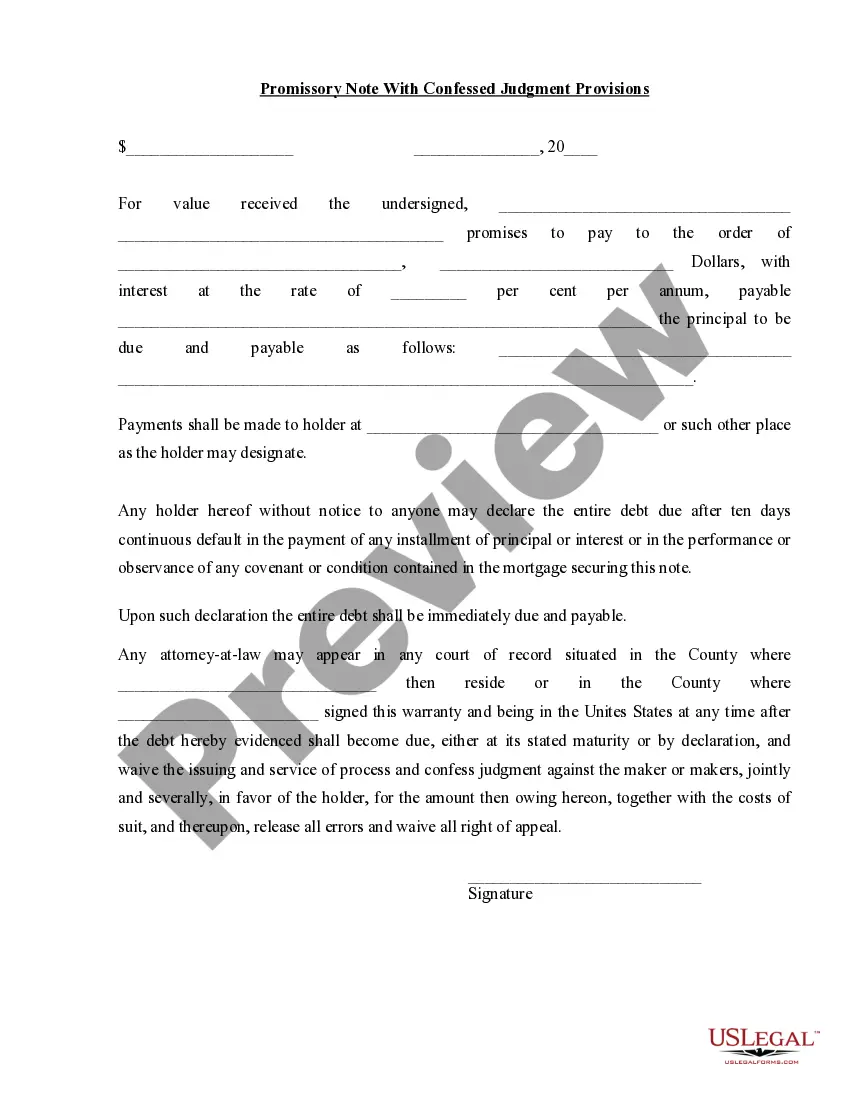
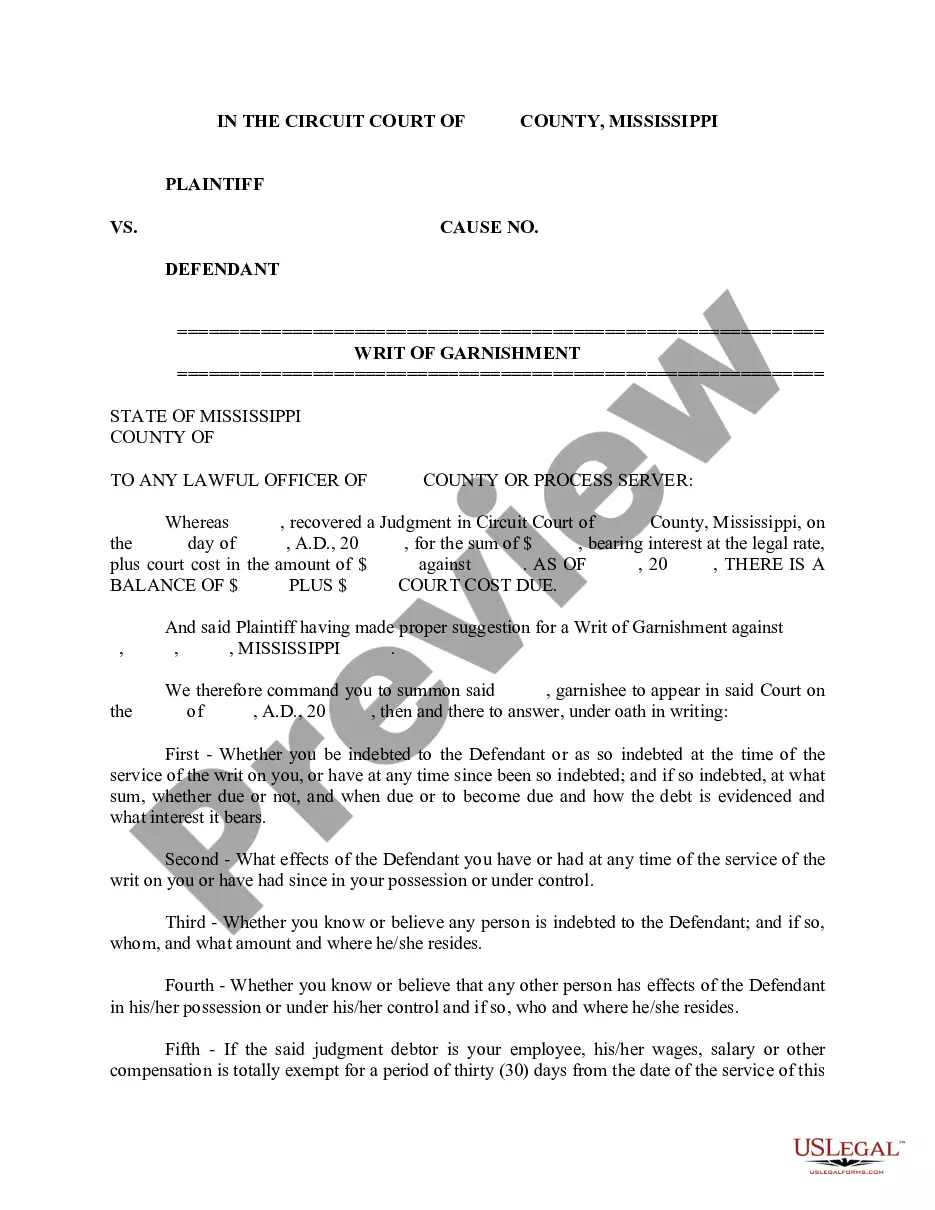
Get your form ready online
Our built-in tools help you complete, sign, share, and store your documents in one place.
Make edits, fill in missing information, and update formatting in US Legal Forms—just like you would in MS Word.
Download a copy, print it, send it by email, or mail it via USPS—whatever works best for your next step.
Sign and collect signatures with our SignNow integration. Send to multiple recipients, set reminders, and more. Go Premium to unlock E-Sign.
If this form requires notarization, complete it online through a secure video call—no need to meet a notary in person or wait for an appointment.
We protect your documents and personal data by following strict security and privacy standards.

Make edits, fill in missing information, and update formatting in US Legal Forms—just like you would in MS Word.

Download a copy, print it, send it by email, or mail it via USPS—whatever works best for your next step.

Sign and collect signatures with our SignNow integration. Send to multiple recipients, set reminders, and more. Go Premium to unlock E-Sign.

If this form requires notarization, complete it online through a secure video call—no need to meet a notary in person or wait for an appointment.

We protect your documents and personal data by following strict security and privacy standards.
Looking for another form?









Form popularity
FAQ
In this chapter, we see that la (^6) is commonly harmonized by two chords: vi or IV6.
The I, IV, and V chords are the three most used chords in each major key. Aloud you would call them, “The one, four, and five chords.” The I chord is built on the first note of the key. The IV chord is built on the fourth note of the key.
The five chord is Major. The six chord is minor. And then the seventh chord is a little bit weird.MoreThe five chord is Major. The six chord is minor. And then the seventh chord is a little bit weird. And different and we don't use it that often but it is a diminished chord.
Composition. A majority of the composition shifts back and forth between the key of E and its relative minor C♯m. It also changes keys altogether just before the solo, to F. The final chord is a D major.
It's identical to verse number two we're going to have the exact same chord progression withMoreIt's identical to verse number two we're going to have the exact same chord progression with George's arpeggio line underneath of it. After that we're going to jump into the guitar solo.
And then you have two choices. Here. I Like A over B. So just an a major chord. On top of B. YouMoreAnd then you have two choices. Here. I Like A over B. So just an a major chord. On top of B. You could also do B7. Like this which is a and D sharp or E flat above B in the left.
The scale determines which chords are in the key, and you can determine which chords are in the scale by making triads of the notes. In other words, for every note in the scale, add the third and fifth notes after it, and you will have your chords.
I just played it the same the whole way through apart from the intro in the outro.MoreI just played it the same the whole way through apart from the intro in the outro.
The 4 piano chords that unlock hundreds of popular songs are C major (C-E-G), G major (G-B-D), F major (F-A-C), and A minor (A-C-E). These chords form the foundation of many songs because they are the I, V, IV, and vi chords in the key of C major.

