Debt To Income Ratio In Georgia
Description
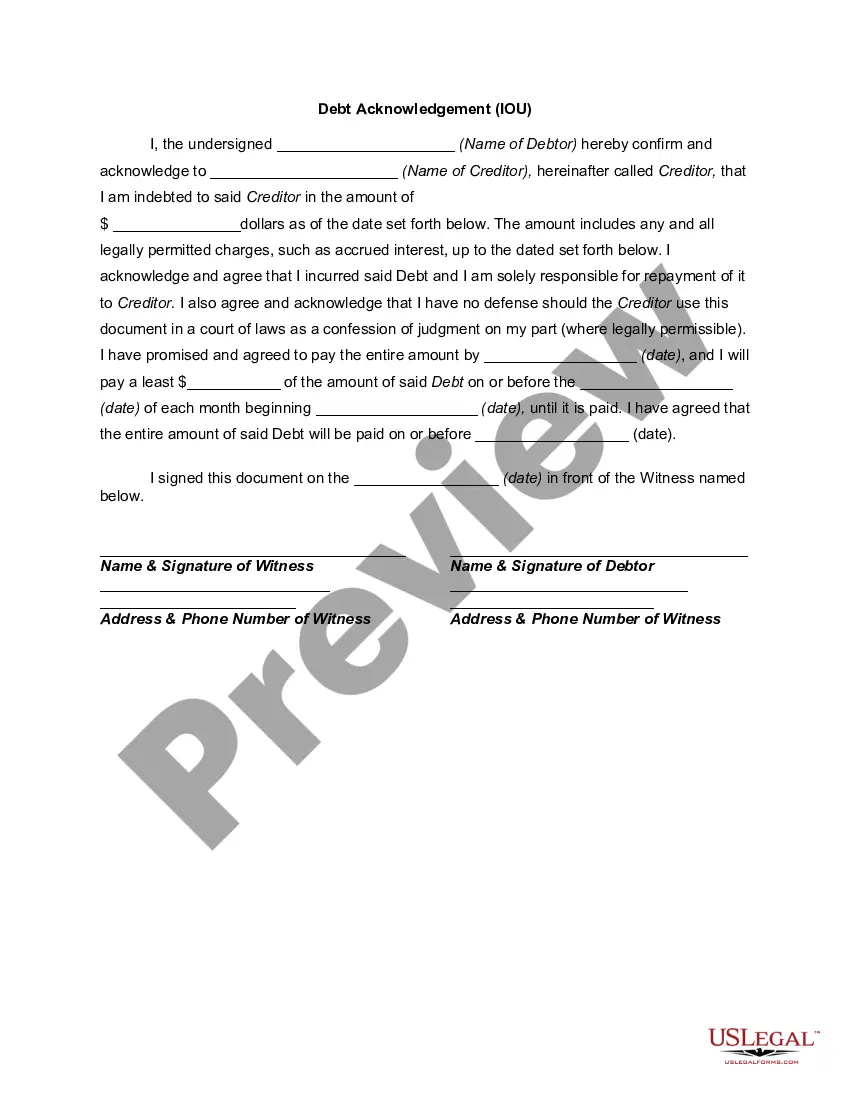
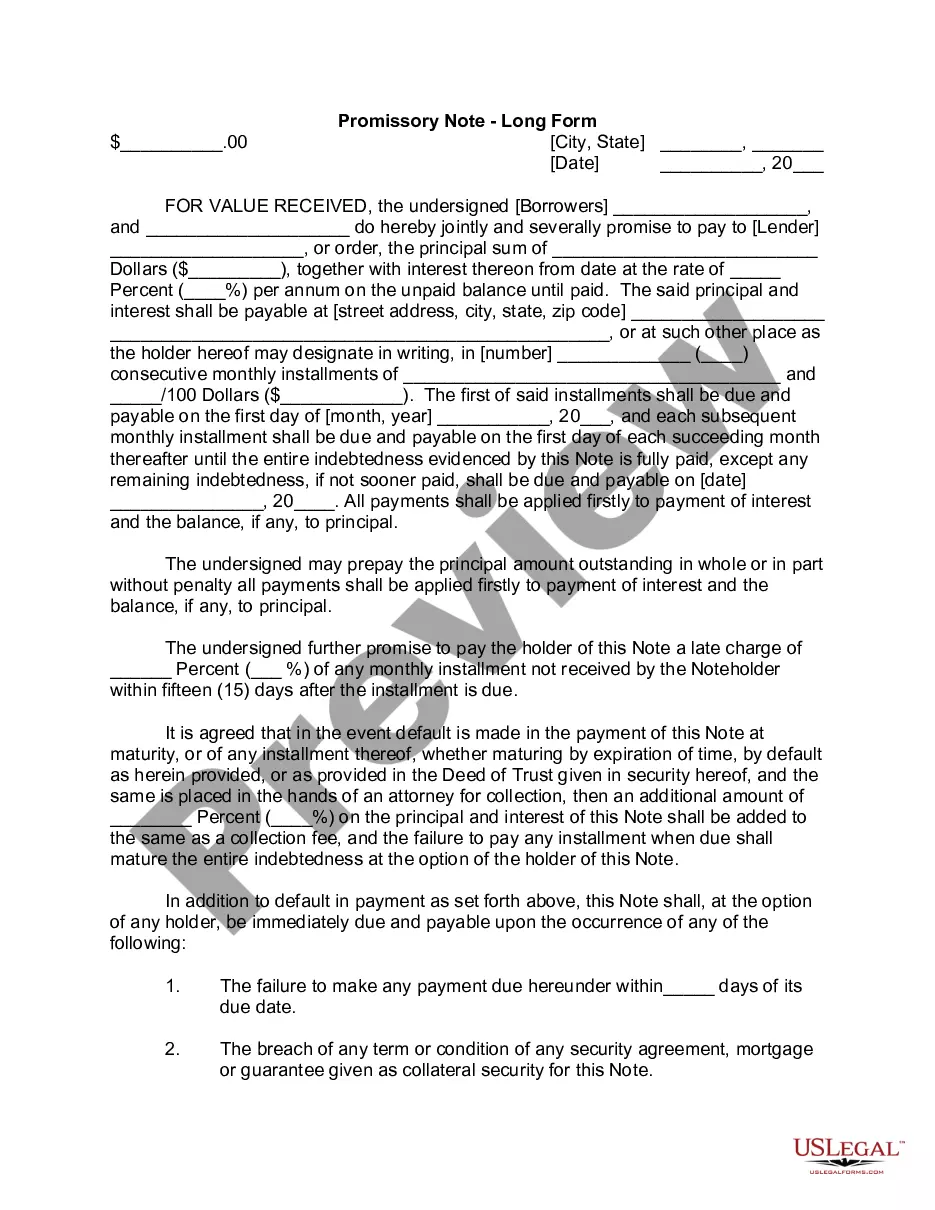
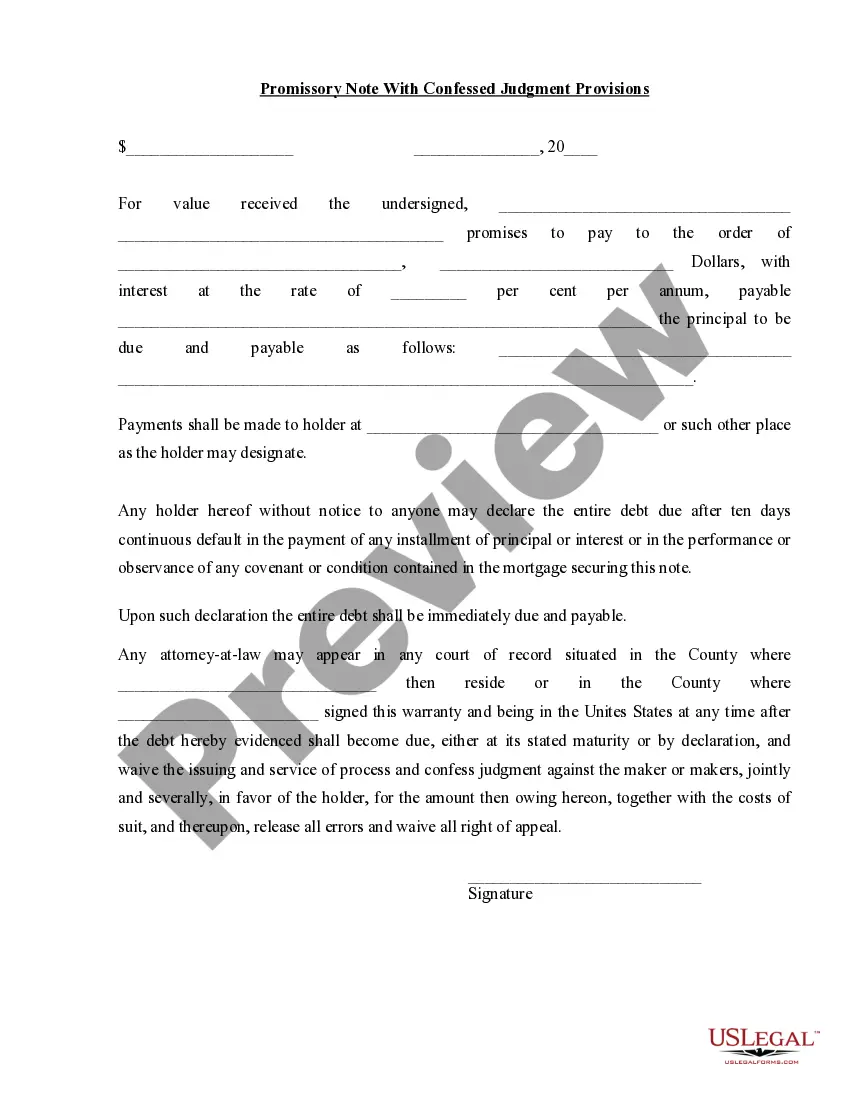
Get your form ready online
Our built-in tools help you complete, sign, share, and store your documents in one place.
Make edits, fill in missing information, and update formatting in US Legal Forms—just like you would in MS Word.
Download a copy, print it, send it by email, or mail it via USPS—whatever works best for your next step.
Sign and collect signatures with our SignNow integration. Send to multiple recipients, set reminders, and more. Go Premium to unlock E-Sign.
If this form requires notarization, complete it online through a secure video call—no need to meet a notary in person or wait for an appointment.
We protect your documents and personal data by following strict security and privacy standards.

Make edits, fill in missing information, and update formatting in US Legal Forms—just like you would in MS Word.

Download a copy, print it, send it by email, or mail it via USPS—whatever works best for your next step.

Sign and collect signatures with our SignNow integration. Send to multiple recipients, set reminders, and more. Go Premium to unlock E-Sign.

If this form requires notarization, complete it online through a secure video call—no need to meet a notary in person or wait for an appointment.

We protect your documents and personal data by following strict security and privacy standards.
Looking for another form?









Form popularity
FAQ
Your particular ratio in addition to your overall monthly income and debt, and credit rating are weighed when you apply for a new credit account. Standards and guidelines vary, most lenders like to see a DTI below 35─36% but some mortgage lenders allow up to 43─45% DTI, with some FHA-insured loans allowing a 50% DTI.
To calculate the debt ratio, divide total liabilities by total assets. These numbers can be found on a company's balance sheet in its financial statements.
To calculate your DTI, add up all of your monthly debt payments, then divide by your monthly income. Here's how to calculate your DTI. Total your regular monthly payments for such expenses as credit cards, student loans, personal loans, alimony or child support – anything that shows up on a credit report.
The debt-to-income ratio should ideally be lower than 30%. The ratio higher than 36% to 40 % is seen as excessive. A large portion of the income of the household is committed to meet these obligations and may affect their ability to meet regular expenses and savings.
These are some examples of payments included in debt-to-income: Monthly mortgage payments (or rent) Monthly expense for real estate taxes. Monthly expense for home owner's insurance. Monthly car payments. Monthly student loan payments. Minimum monthly credit card payments. Monthly time share payments.
Focus on high-interest debts first: Pay off credit card balances or personal loans with the highest interest rates. Reducing these debts lowers your monthly obligations and improves your DTI ratio. Use windfalls wisely: Apply any unexpected windfalls, such as tax refunds or bonuses, directly to your debt.
What Is a Good Debt-to-Income Ratio? As a general guideline, 43% is the highest DTI ratio a borrower can have and still get qualified for a mortgage. Ideally, lenders prefer a debt-to-income ratio lower than 36%, with no more than 28%–35% of that debt going toward servicing a mortgage.
The debt ratio, or total debt-to-total assets, is calculated by dividing a company's total debt by its total assets. It is also called the debt-to-assets ratio. It is a leverage ratio that defines how much debt a company carries compared to the value of the assets it owns.
These are some examples of payments included in debt-to-income: Monthly mortgage payments (or rent) Monthly expense for real estate taxes. Monthly expense for home owner's insurance. Monthly car payments. Monthly student loan payments. Minimum monthly credit card payments. Monthly time share payments.

