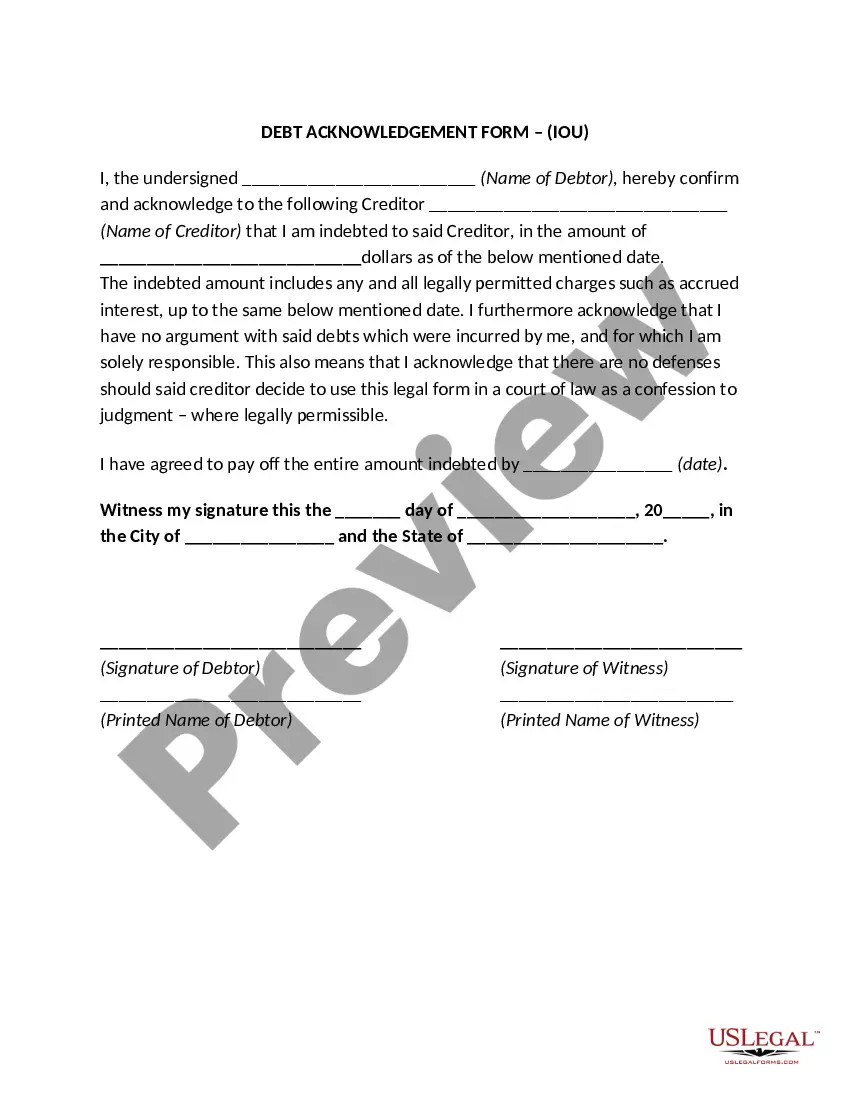
I Debt With You In Arizona
Description
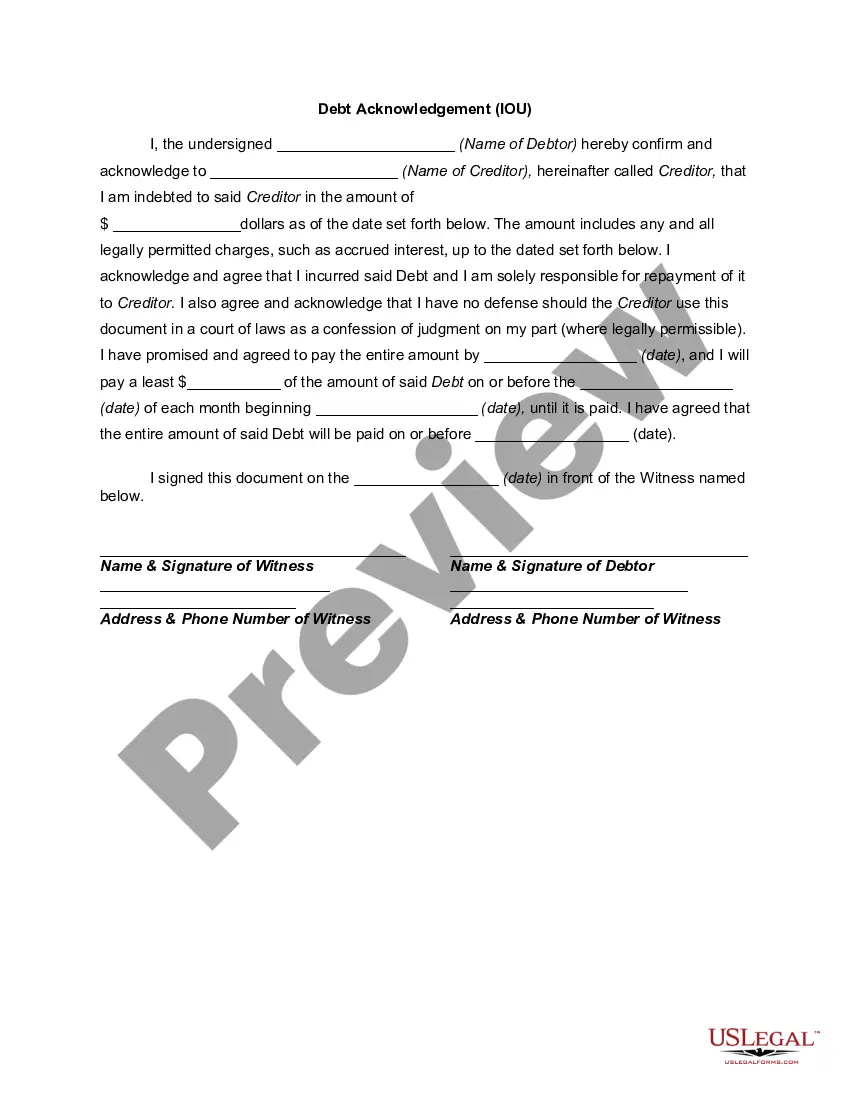
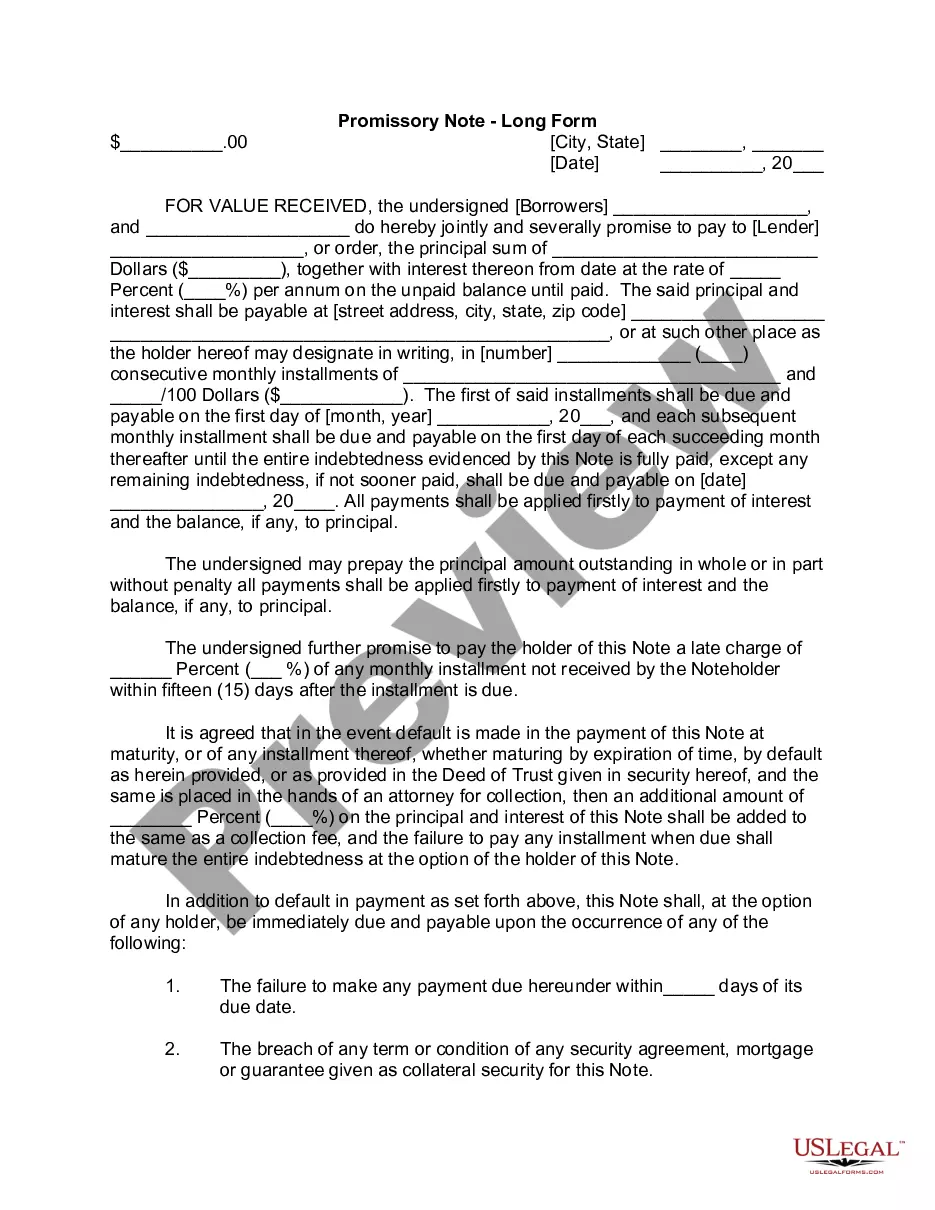
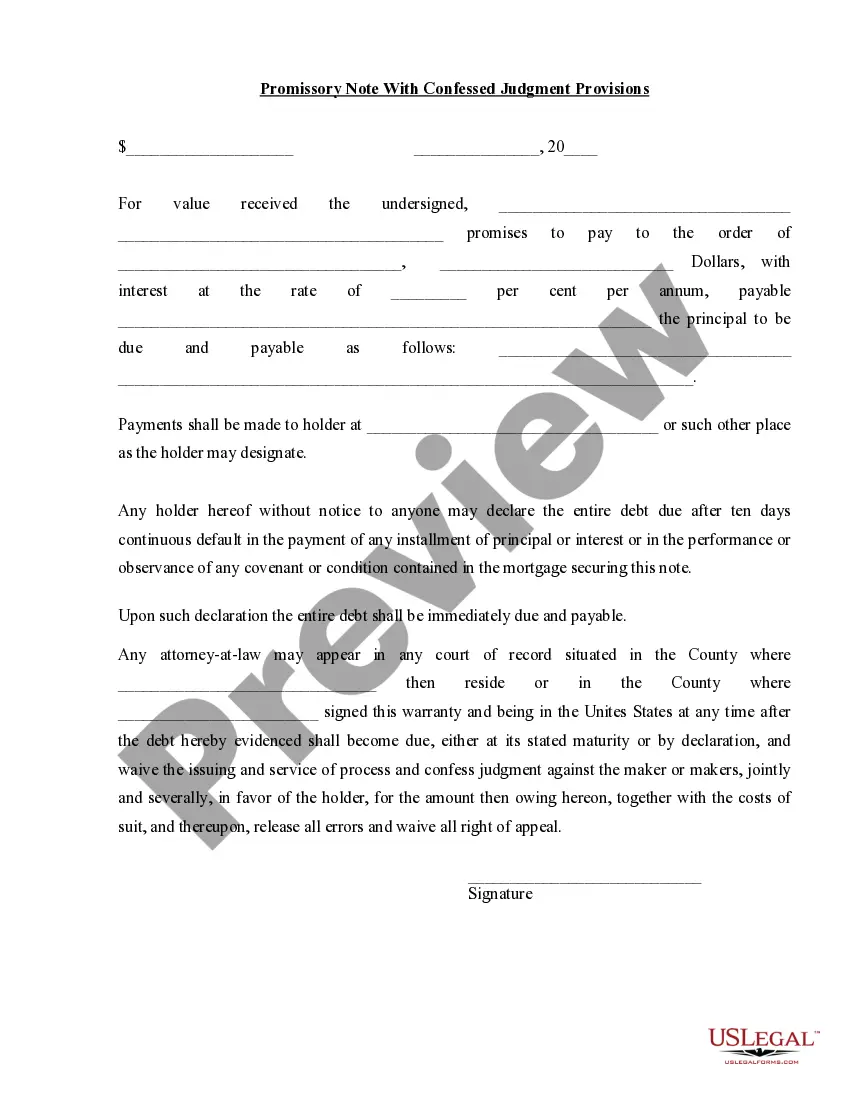
Get your form ready online
Our built-in tools help you complete, sign, share, and store your documents in one place.
Make edits, fill in missing information, and update formatting in US Legal Forms—just like you would in MS Word.
Download a copy, print it, send it by email, or mail it via USPS—whatever works best for your next step.
Sign and collect signatures with our SignNow integration. Send to multiple recipients, set reminders, and more. Go Premium to unlock E-Sign.
If this form requires notarization, complete it online through a secure video call—no need to meet a notary in person or wait for an appointment.
We protect your documents and personal data by following strict security and privacy standards.

Make edits, fill in missing information, and update formatting in US Legal Forms—just like you would in MS Word.

Download a copy, print it, send it by email, or mail it via USPS—whatever works best for your next step.

Sign and collect signatures with our SignNow integration. Send to multiple recipients, set reminders, and more. Go Premium to unlock E-Sign.

If this form requires notarization, complete it online through a secure video call—no need to meet a notary in person or wait for an appointment.

We protect your documents and personal data by following strict security and privacy standards.
Looking for another form?




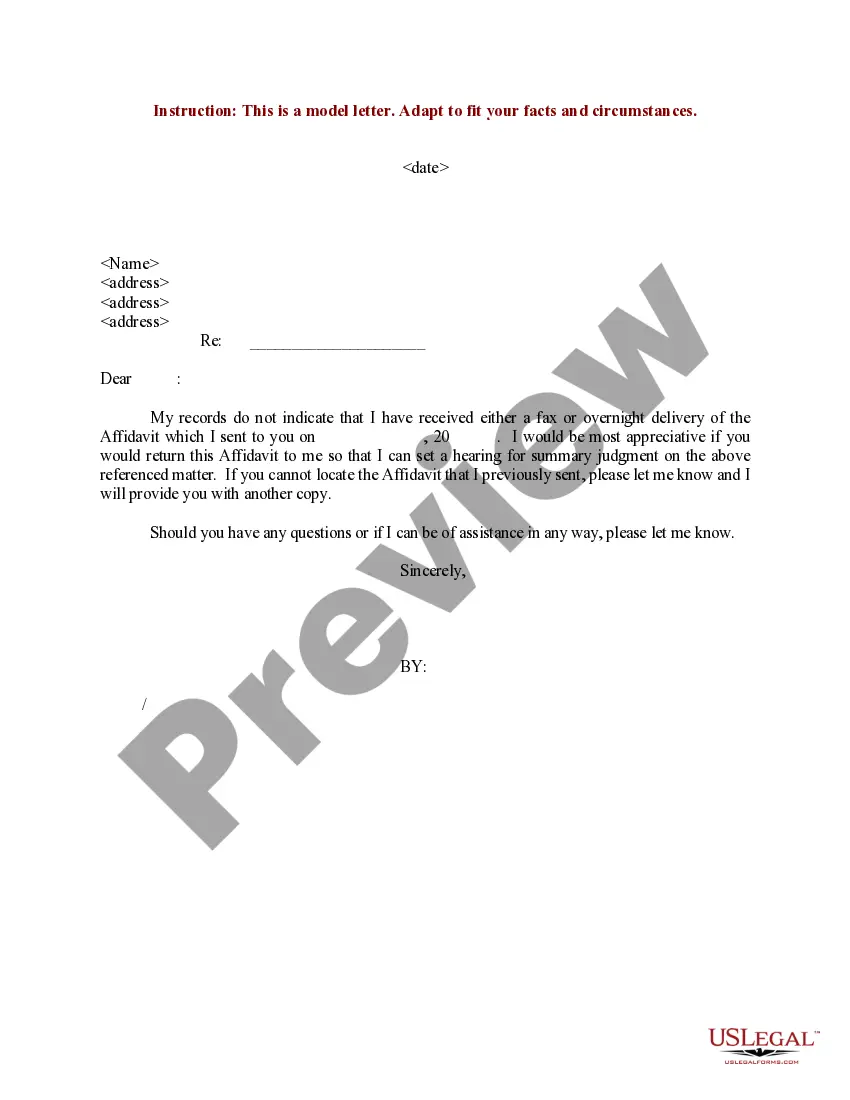



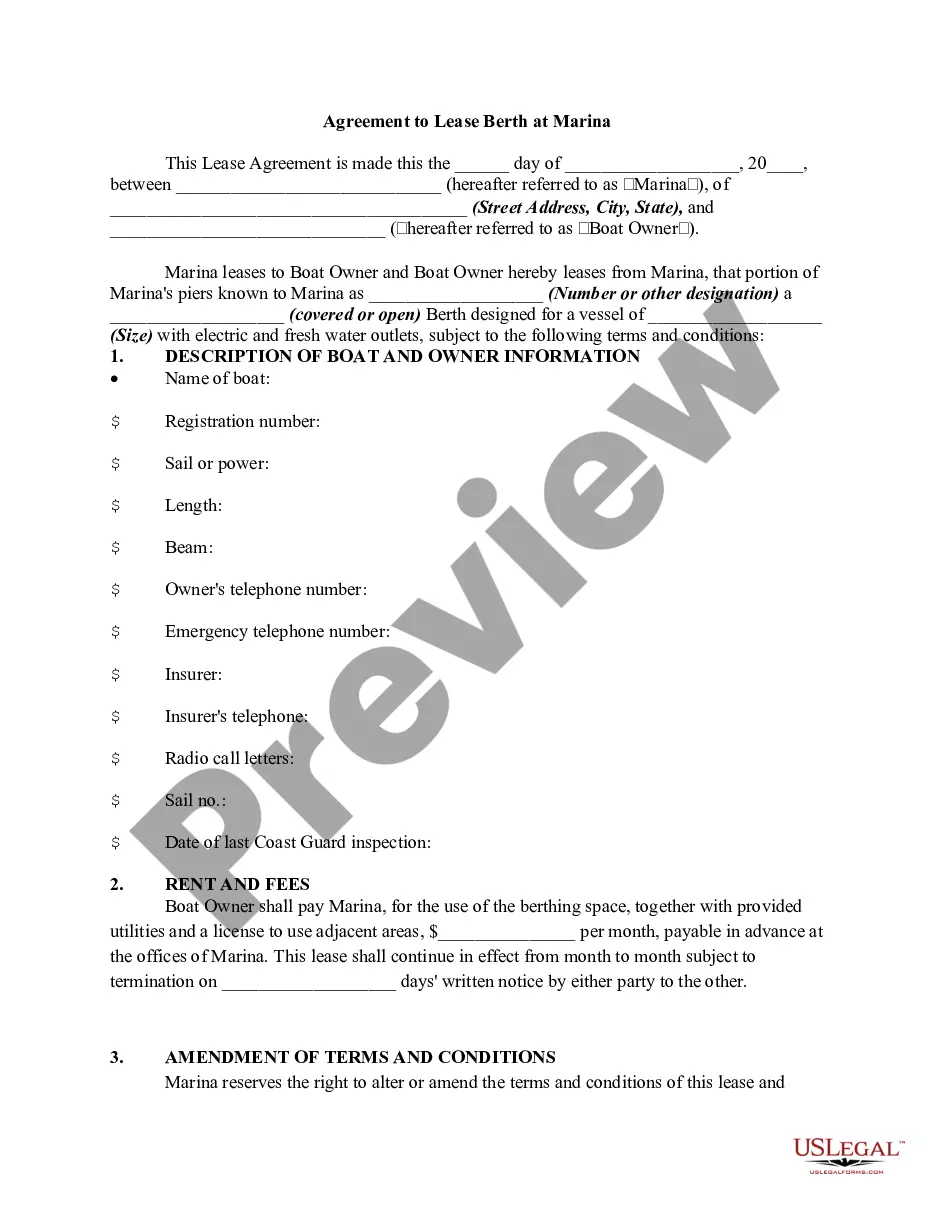

Form popularity
FAQ
In the fiscal year of 2022, the state debt of Arizona was about 12.09 billion U.S. dollars. In the same year, the local government debt was significantly higher, at 30.42 billion U.S. dollars.
Even if a collector violates federal or state law, the debt doesn't disappear. The creditor might still take legal action against you, like filing a lawsuit to collect the debt.
Separate your debt. Apply for credit in your name only. Establish your own credit record. Open an individual savings and checking account. Contribute to your 401K at work. Open an IRA and have deposits made automatically.
No, you aren't legally responsible for your partner's debt unless you guarantee it or if it is a joint credit card account. Debt entirely in the name of your spouse, you are not responsible for.
Arizona is a community property state. This means that all property and debts acquired during the marriage will be split evenly if the couple divorces. Property acquired before the marriage, or through gift or inheritance during the marriage, will be considered separate property.
Here's a step-by-step guide that outlines the actions a business should take before moving forward with a collection agency. Contact the Debtor. Send a Demand Letter. Consider Negotiation. Hire a Collection Agency. Provide Documentation. Monitor Progress. Consider Legal Action.
Similarly, a debt collector must prove the following facts to win their case in court: The debt collection agency owns your debt and has the legal right to sue. You owe the debt. The amount they claim you owe is accurate.
What Methods Can Creditors Legally Use to Collect Debts? Wage Garnishments. The amount that a creditor may garnish from a consumer's wages is limited by state and federal law. Property Liens. Lien Priority. Levies and Assignments. Contempt Orders.
The phrase in question is: “Please cease and desist all calls and contact with me, immediately.” These 11 words, when used correctly, can provide significant protection against aggressive debt collection practices.