Entertainment Contract Form With Guardian Anime In Wake
Description

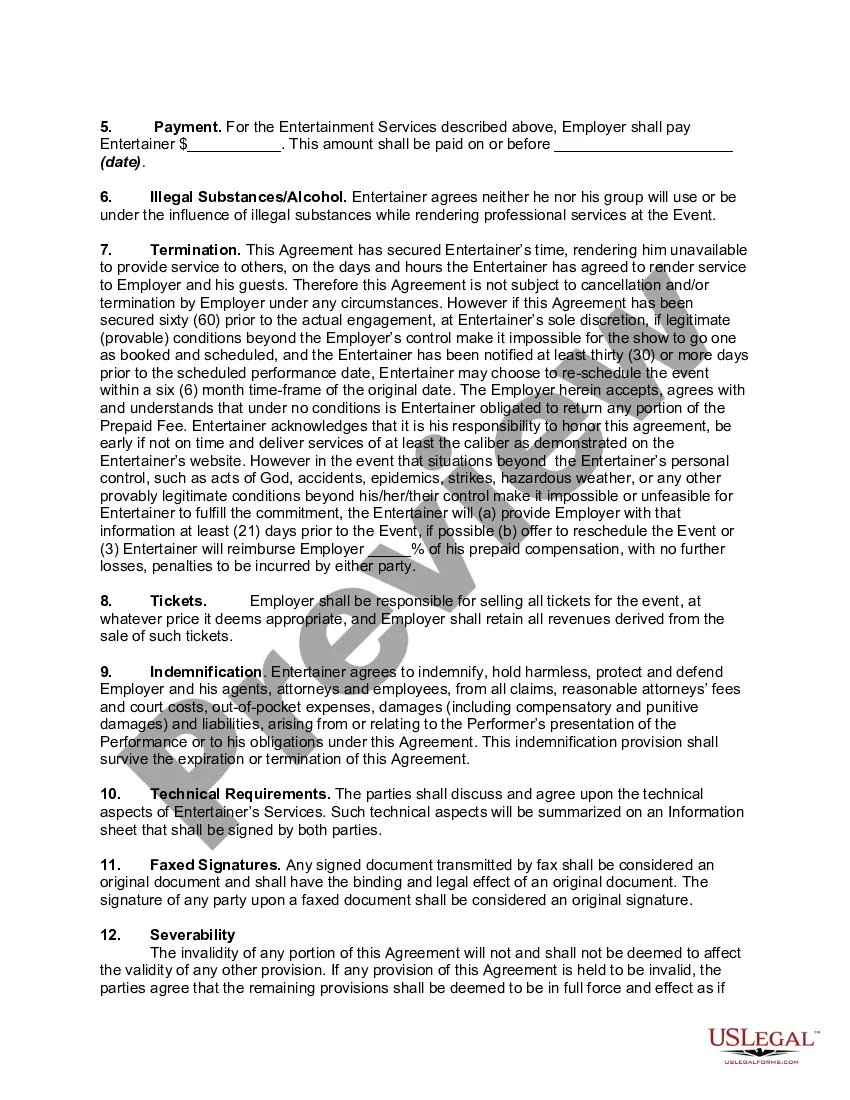
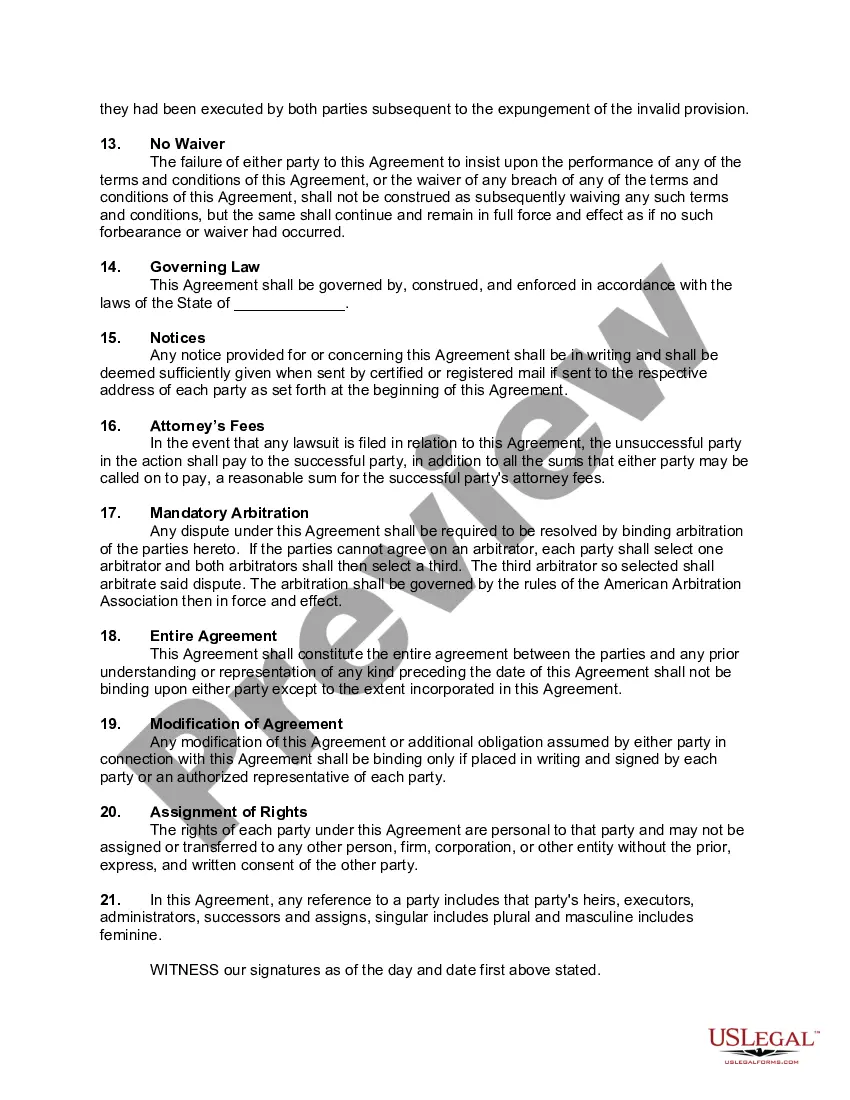

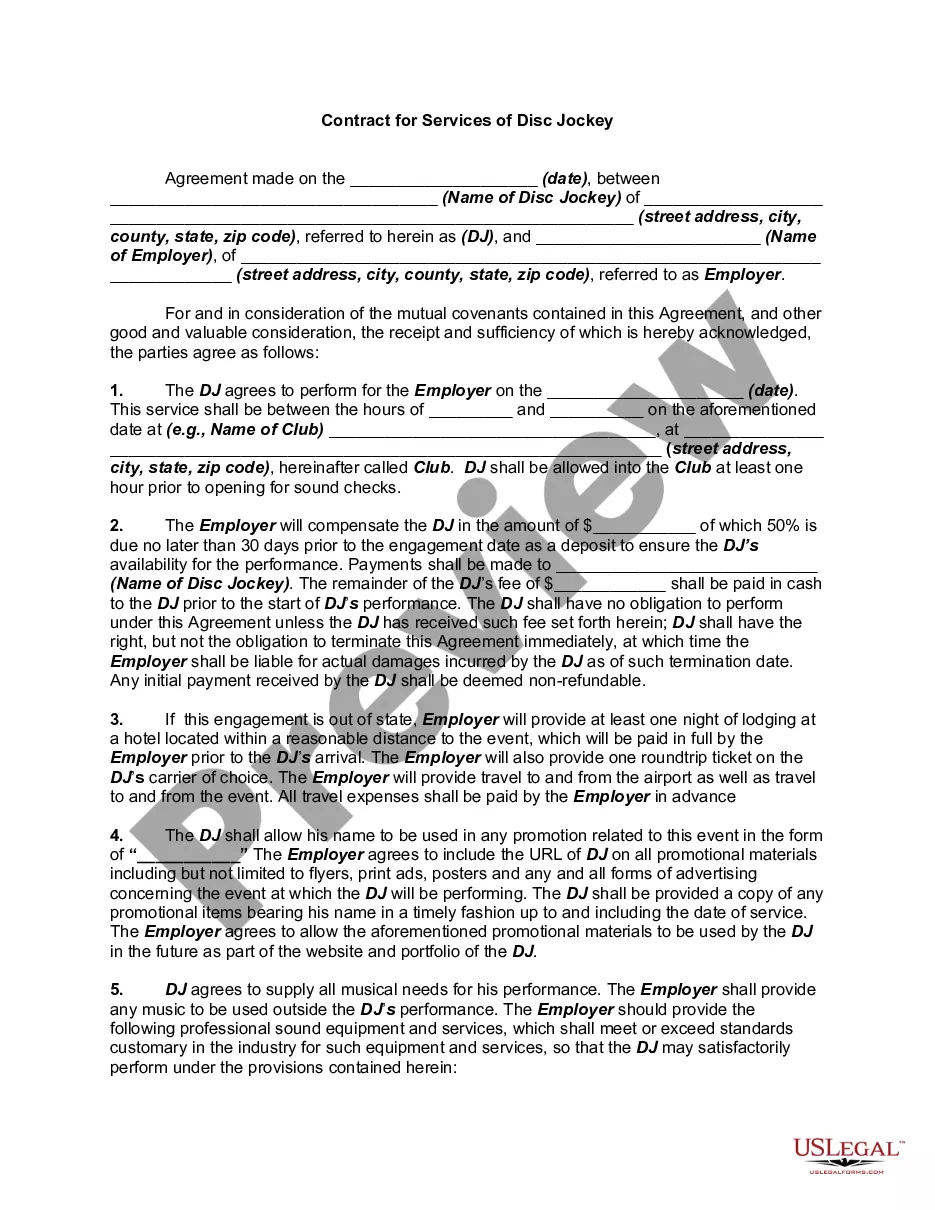
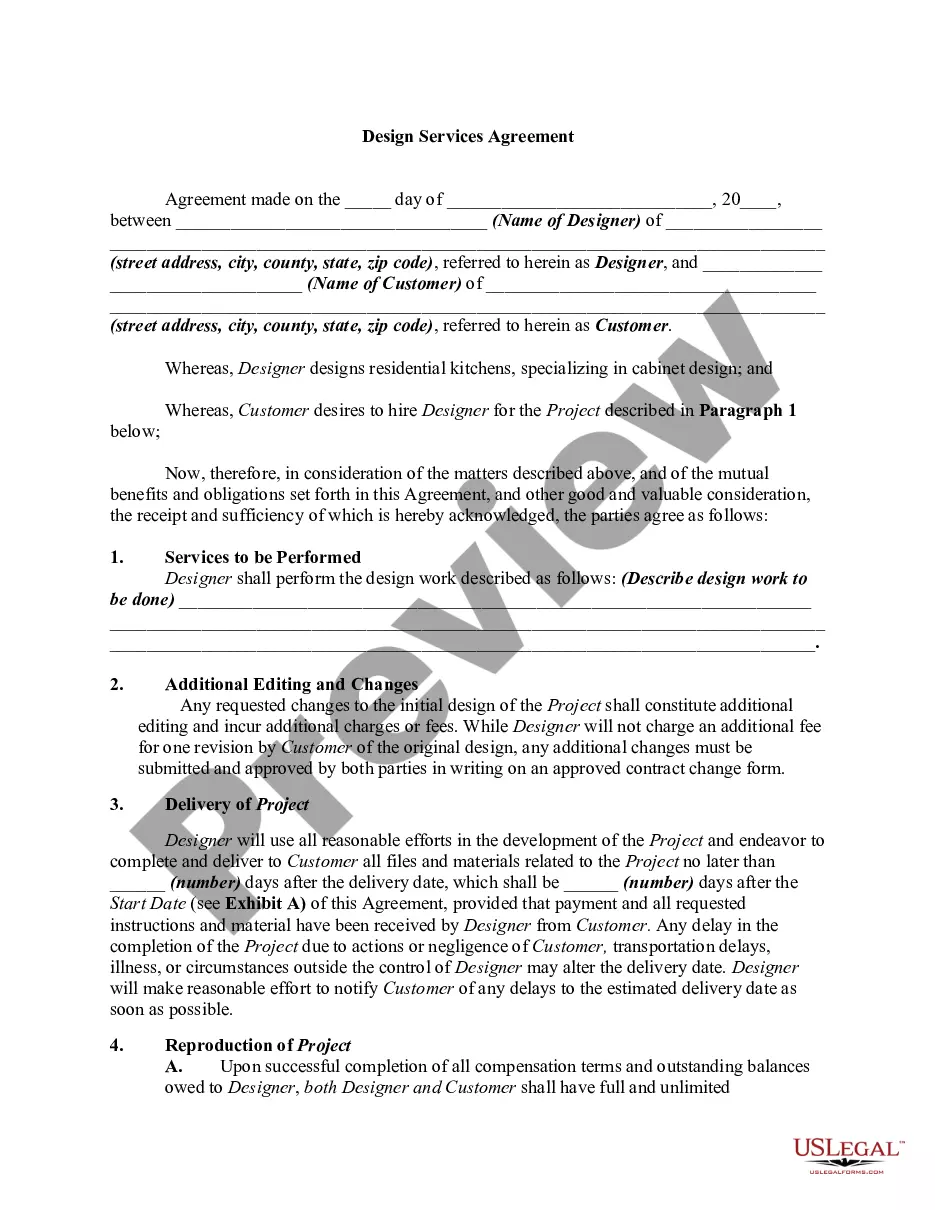
Get your form ready online
Our built-in tools help you complete, sign, share, and store your documents in one place.
Make edits, fill in missing information, and update formatting in US Legal Forms—just like you would in MS Word.
Download a copy, print it, send it by email, or mail it via USPS—whatever works best for your next step.
Sign and collect signatures with our SignNow integration. Send to multiple recipients, set reminders, and more. Go Premium to unlock E-Sign.
If this form requires notarization, complete it online through a secure video call—no need to meet a notary in person or wait for an appointment.
We protect your documents and personal data by following strict security and privacy standards.

Make edits, fill in missing information, and update formatting in US Legal Forms—just like you would in MS Word.

Download a copy, print it, send it by email, or mail it via USPS—whatever works best for your next step.

Sign and collect signatures with our SignNow integration. Send to multiple recipients, set reminders, and more. Go Premium to unlock E-Sign.

If this form requires notarization, complete it online through a secure video call—no need to meet a notary in person or wait for an appointment.

We protect your documents and personal data by following strict security and privacy standards.
Looking for another form?



Form popularity
FAQ
A Performance Agreement is a document that outlines the expectations of both parties in a work relationship. It is a way to ensure that both parties have agreed to the same terms and conditions, and is used to outline performance expectations, roles and responsibilities, timelines, and other pertinent information.
For example, a contract for the sale of a specific piece of property, from which the owner pulls out, may result in a specific performance order requiring the seller to complete the sale to put the buyer in the position they would have enjoyed if the contract had been honored in the first place.
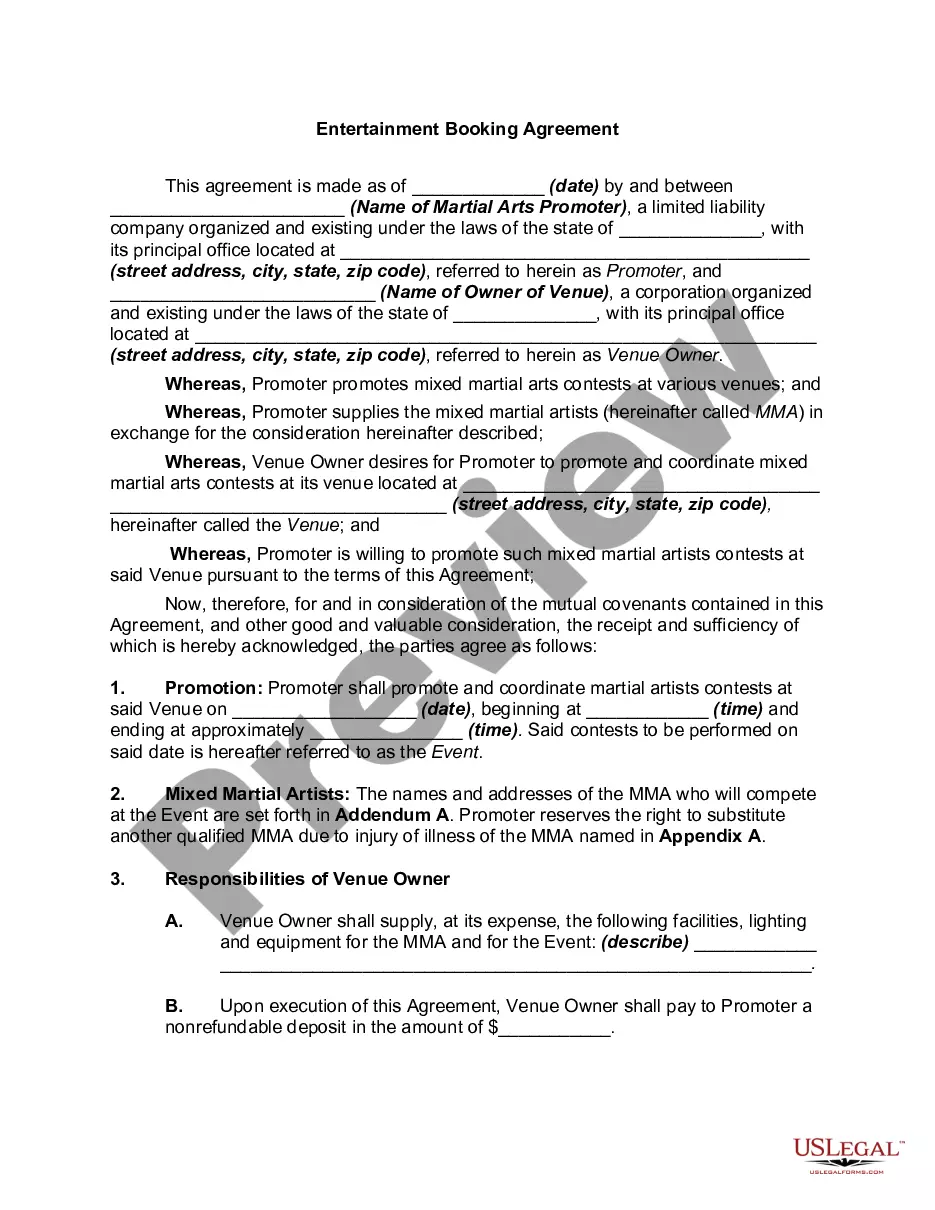
Key elements of an entertainment contract Parties involved. Clearly identify all parties involved in the contract. Scope of work. Detail the specific services or performances expected. Compensation. Duration of contract. Intellectual property rights. Confidentiality. Termination clauses. Indemnity and liability.
In general, contracts with minors are voidable, meaning that the minor can choose to enforce the contract or not. However, there are exceptions, such as contracts for necessities like food, clothing, and shelter, which are enforceable even if they are not in writing.
Timing: The minor must void the contract before reaching the age of majority or within a reasonable period after reaching adulthood. Restitution: If a minor received goods or services, they must return what remains in their possession. Failing to do so may impact their ability to void the contract.
Most contracts can be either written or oral and still be legally enforceable. However, some agreements must be in writing to constitute a binding agreement. Oral contracts are difficult to enforce. They don't include a clear record of the legal requirements of an enforceable contract.
Minors are not able to enter into most contracts unless it is for food, lodging, or necessities. Neither mentally ill nor mentally disabled. The parties must be considered legally mentally competent.
In many cases, minors can't be held to the terms of a contract until they reach the age of majority. In other words, a minor has the right to opt out of a contract, even if the other party is an adult and is bound by the terms.
Protect Your IP Rights: Most entertainment contracts include provisions addressing how the intellectual property rights of the parties will, or will not, be exploited and for how long. Common issues that will arise include, among others, assignments, royalties, distribution rights, and licensing agreements.
