Entertainment Law Events In Ohio
Description

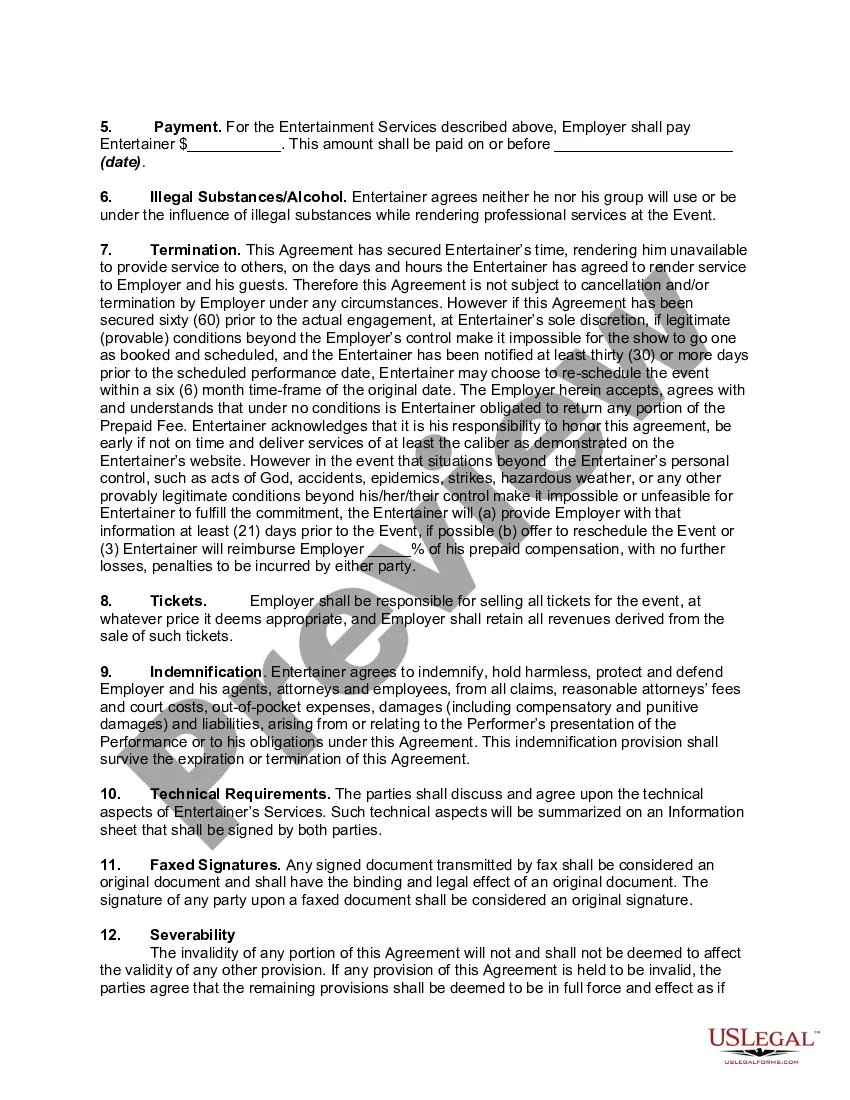
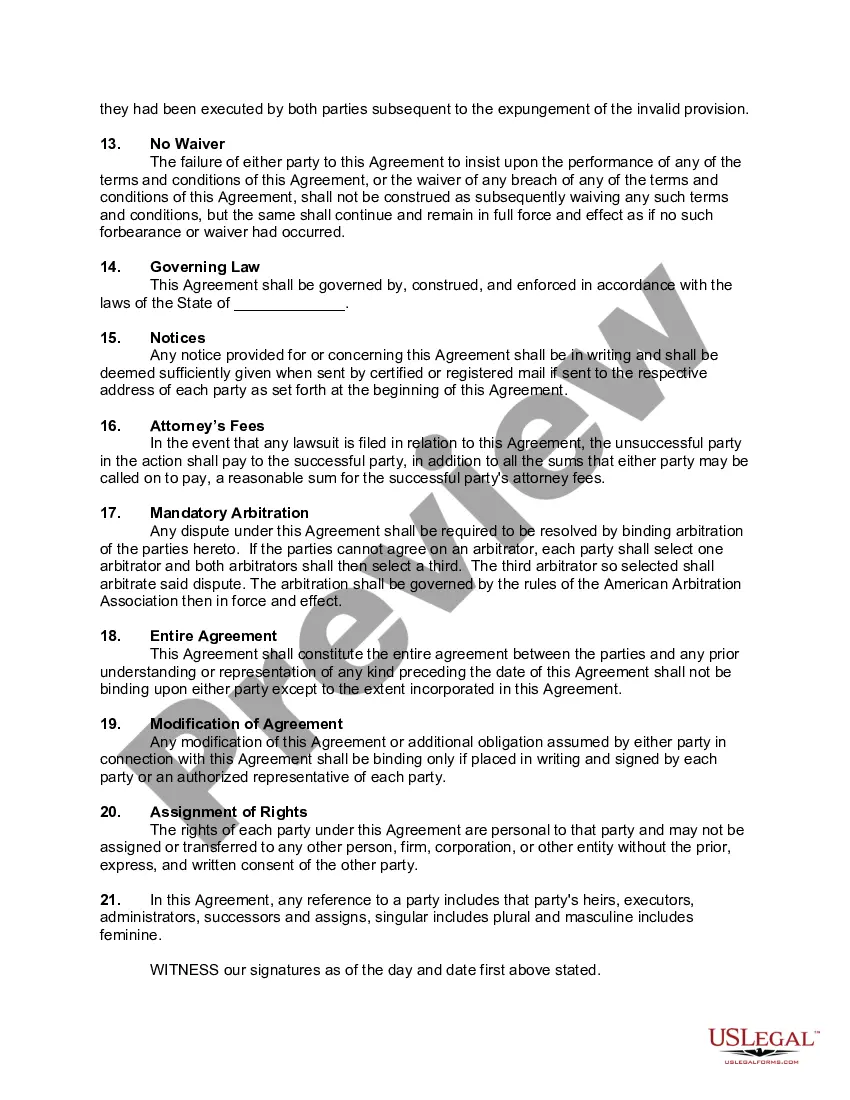

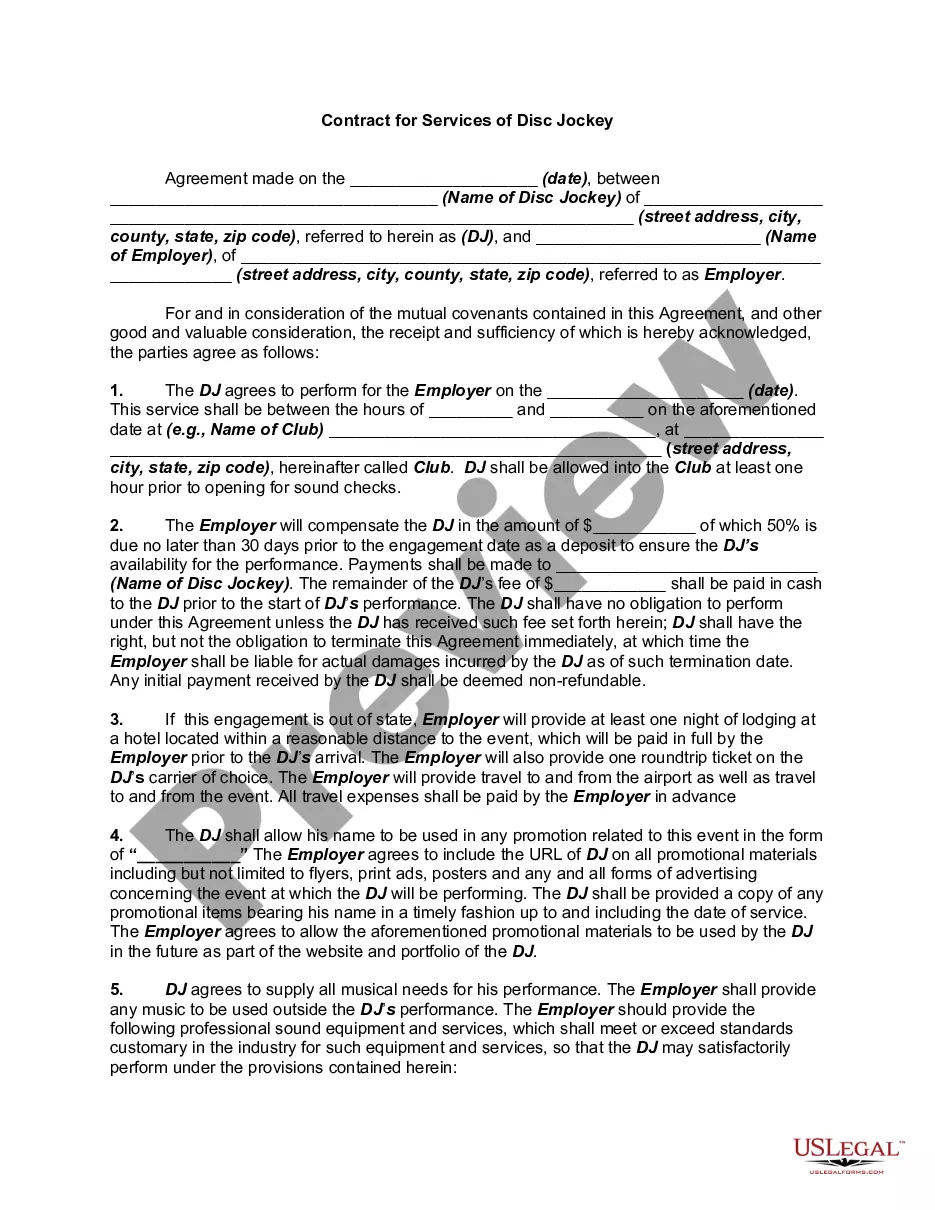

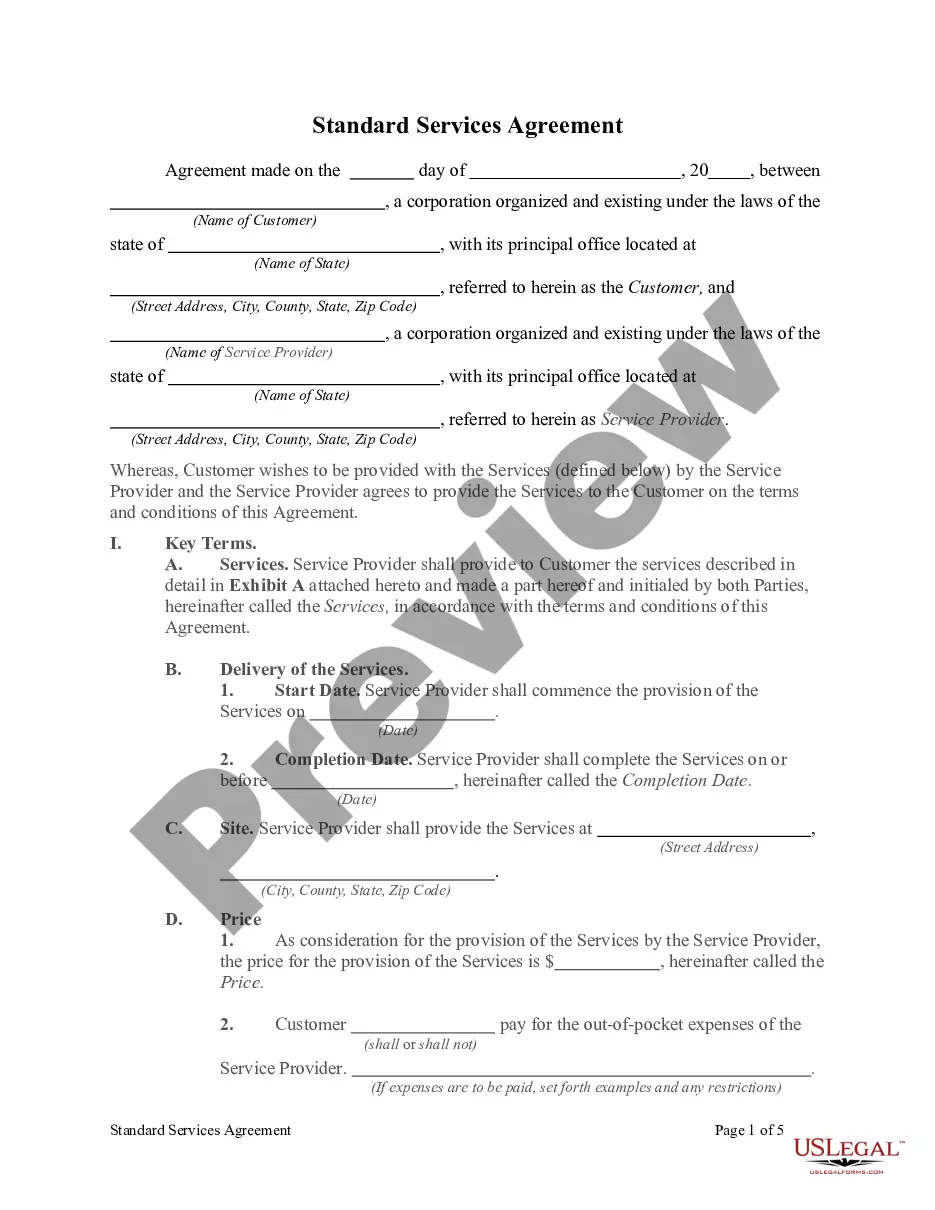
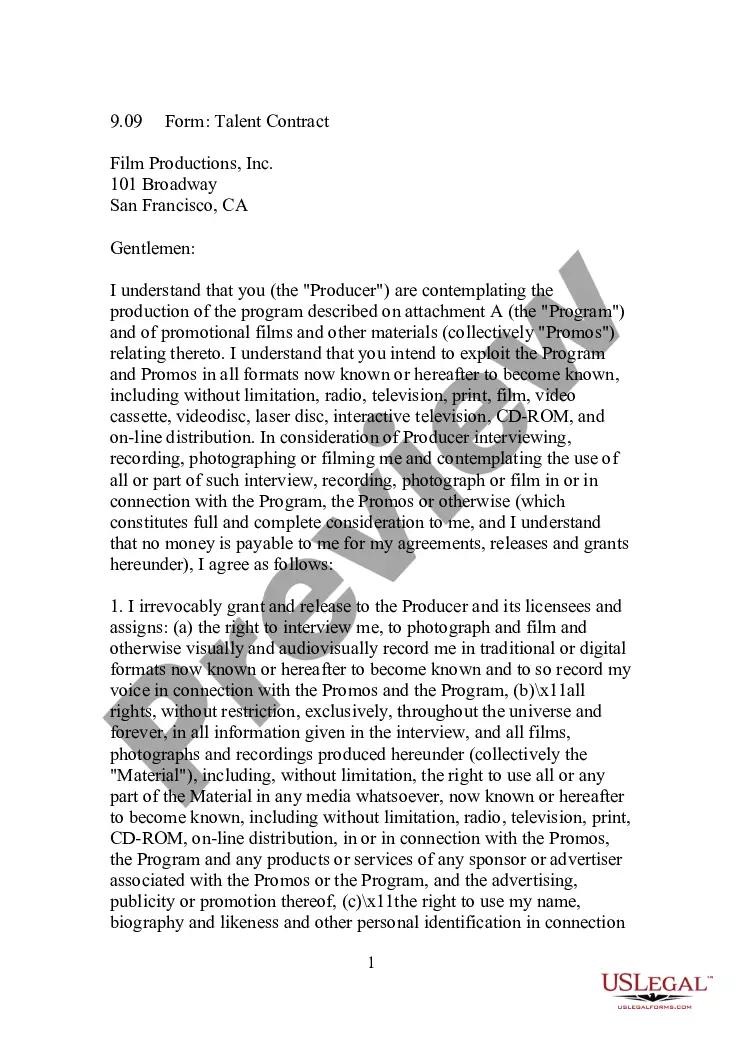
Get your form ready online
Our built-in tools help you complete, sign, share, and store your documents in one place.
Make edits, fill in missing information, and update formatting in US Legal Forms—just like you would in MS Word.
Download a copy, print it, send it by email, or mail it via USPS—whatever works best for your next step.
Sign and collect signatures with our SignNow integration. Send to multiple recipients, set reminders, and more. Go Premium to unlock E-Sign.
If this form requires notarization, complete it online through a secure video call—no need to meet a notary in person or wait for an appointment.
We protect your documents and personal data by following strict security and privacy standards.

Make edits, fill in missing information, and update formatting in US Legal Forms—just like you would in MS Word.

Download a copy, print it, send it by email, or mail it via USPS—whatever works best for your next step.

Sign and collect signatures with our SignNow integration. Send to multiple recipients, set reminders, and more. Go Premium to unlock E-Sign.

If this form requires notarization, complete it online through a secure video call—no need to meet a notary in person or wait for an appointment.

We protect your documents and personal data by following strict security and privacy standards.
Looking for another form?


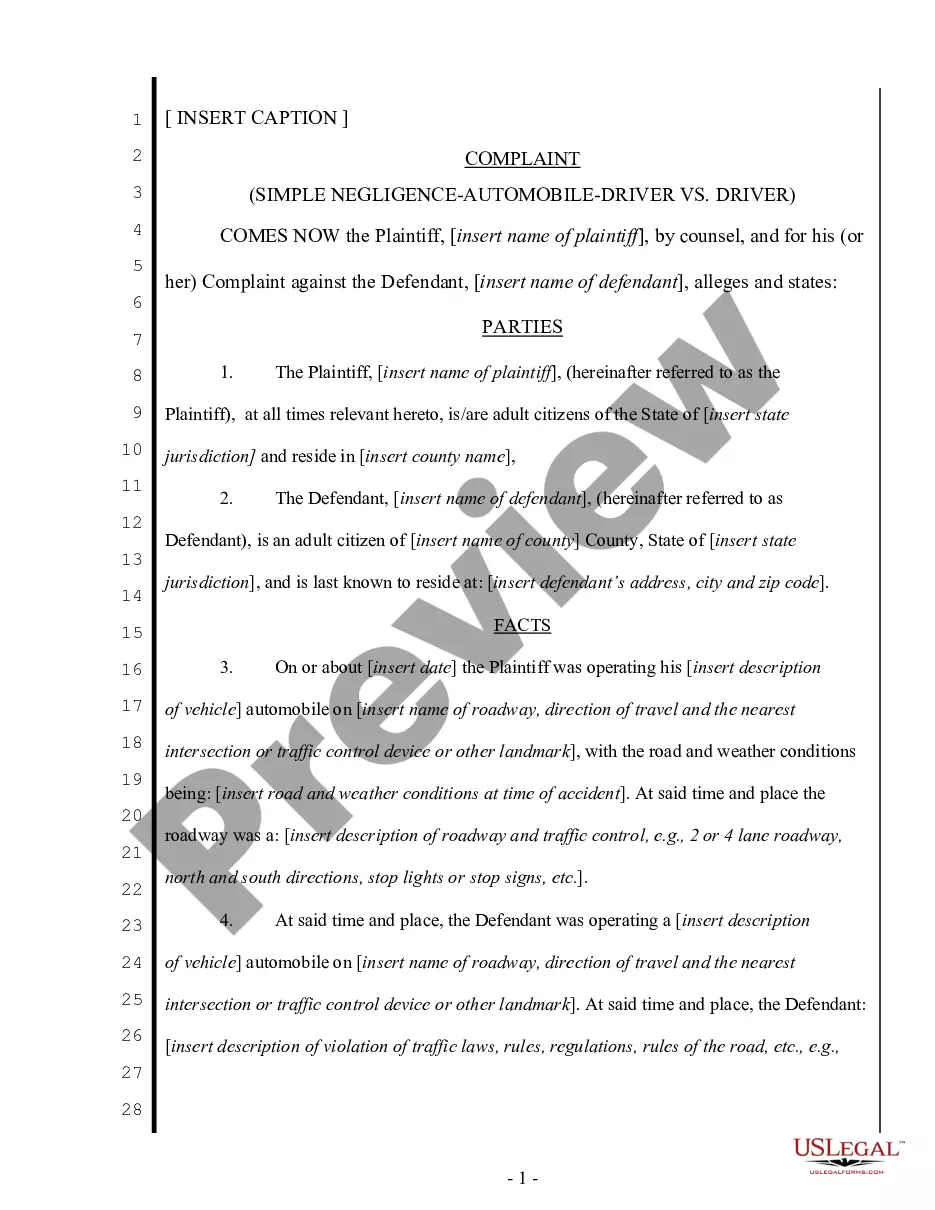
Form popularity
FAQ
Take Courses in Entertainment Law In addition to taking traditional law classes, such as constitutional law, legal writing and civil procedure, you can take courses like music industry law, arts law, taxation and intellectual property law. You can finish law school in three years.
This type of law practice is a subsection of intellectual property, dealing with individuals and companies in the entertainment industry. Legal issues related to trademarks, copyrights, and rights of publicity are at the core of the entertainment law practice.
They advise clients on the legal aspects of various opportunities, such as participating in music festivals, signing with new record labels, or engaging in sponsorship and advertising deals. Deal Making: In the realm of sponsorship and advertising, entertainment attorneys are instrumental in deal-making.
Yes you can get in pretty much no matter what time you show up to the concert as long as you have valid tickets. a lot of ppl sometimes do not care to see opening acts.
(Q) "Place where a person has a reasonable expectation of privacy" means a place where a reasonable person would believe that the person could fully disrobe in private. (R) "Private area" means the genitals, pubic area, buttocks, or female breast below the top of the areola, where nude or covered by an undergarment.
(c) No person, owner or sponsor shall conduct an outdoor concert except during the time period beginning not earlier than p.m. and ending not later than p.m. (Ord. C90-92.
Ohio recognizes four separate invasion of privacy torts: (1) the unwarranted appropriation/exploitation of one's personality; (2) the publicizing of one's private affairs with which the public has no legitimate concern; (3) the wrongful intrusion into one's private activities; and (4) false light invasion of privacy.
(a) No person shall make, continue or cause to be made any excessive noise, as defined in Section 545.13, or any unreasonably loud, disturbing or unnecessary noise of such character or duration as to disturb the peace and quiet of the community or any resident thereof, in particular between the hours of p.m. and ...
Generally, concerts typically span from 1.5 to 3 hours, although certain artists and genres may extend beyond that timeframe. For instance, if a concert commences at PM, it may conclude anywhere between PM and PM, although this is a ballpark estimate.
Summary. An individual who is a party to an in-person, telephone or electronic conversation, or who has the consent of one of the parties to the conversation, can lawfully record it or disclose its contents, unless the person is doing so for the purpose of committing a criminal or tortious act. Ohio Rev. Code § 2933.52 ...