Entertainment Law Events In Oakland
Description

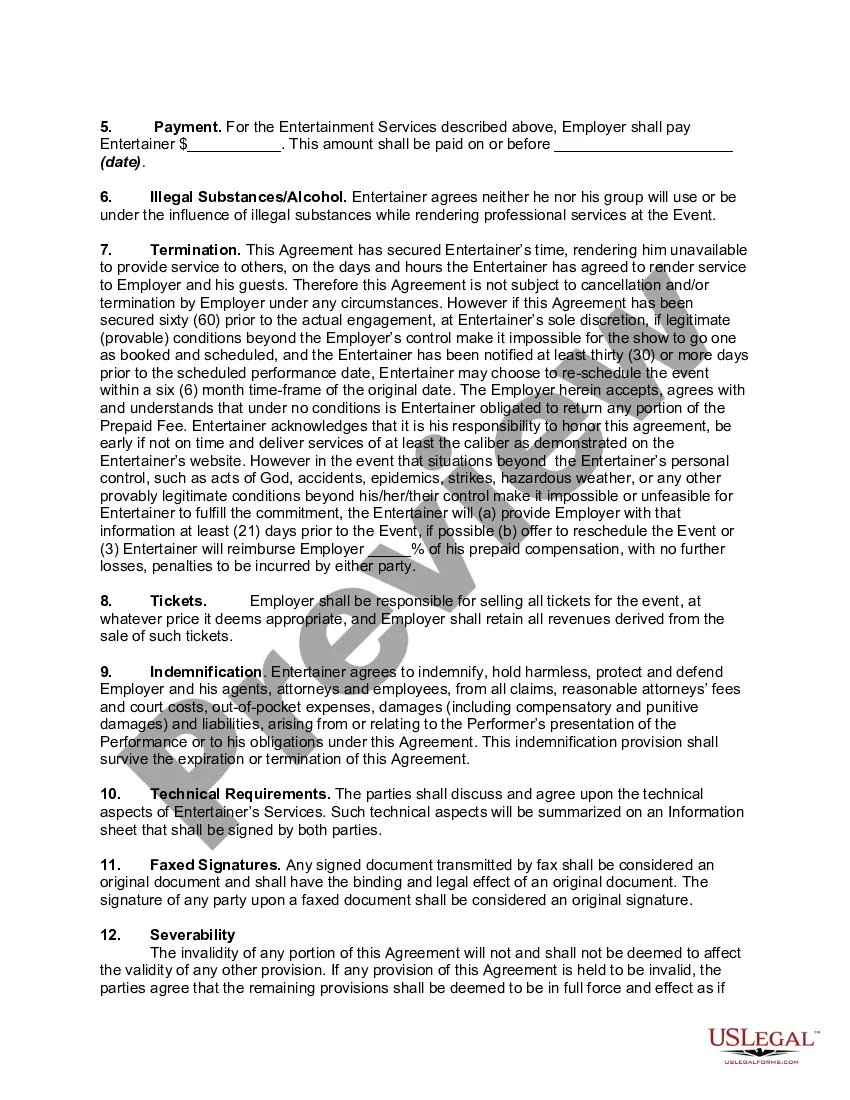


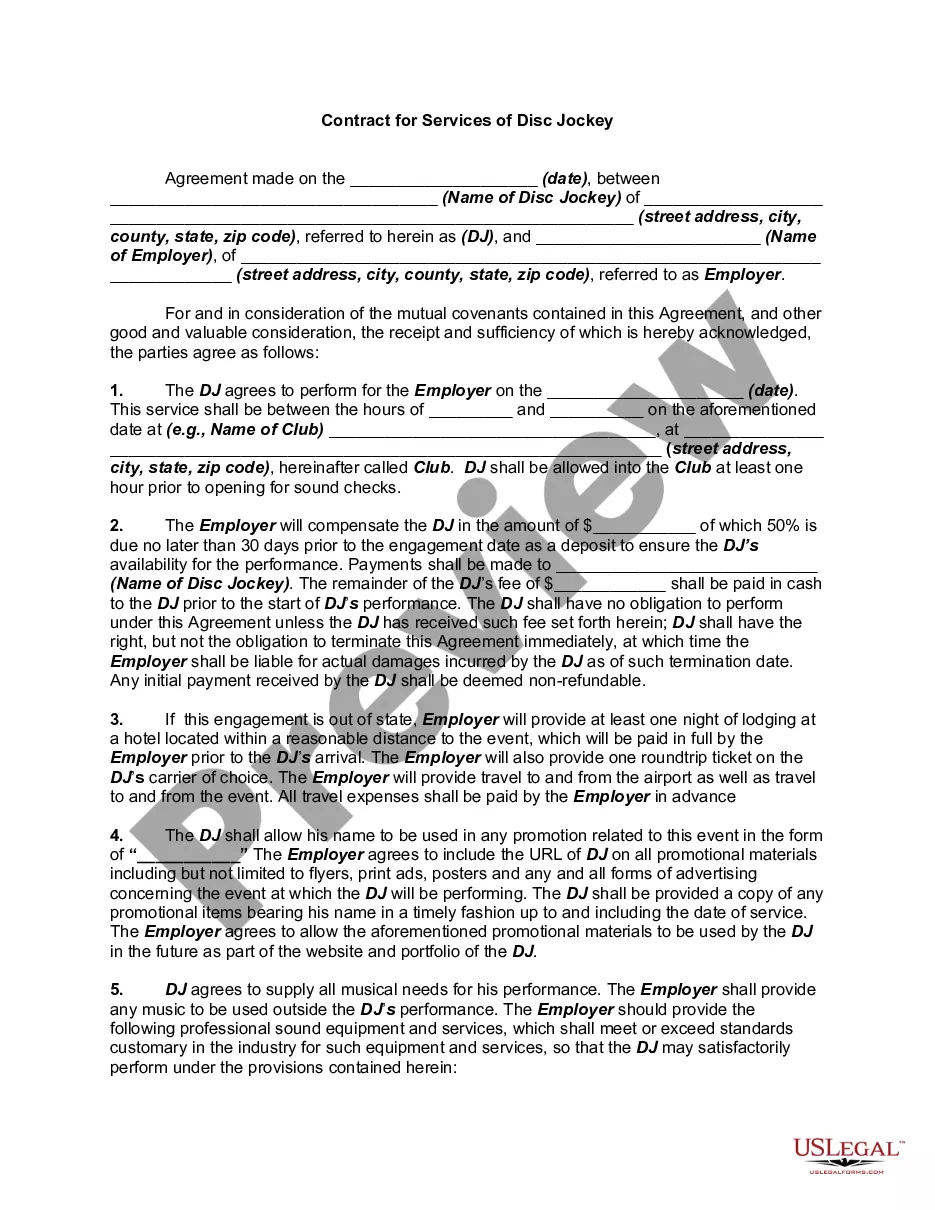

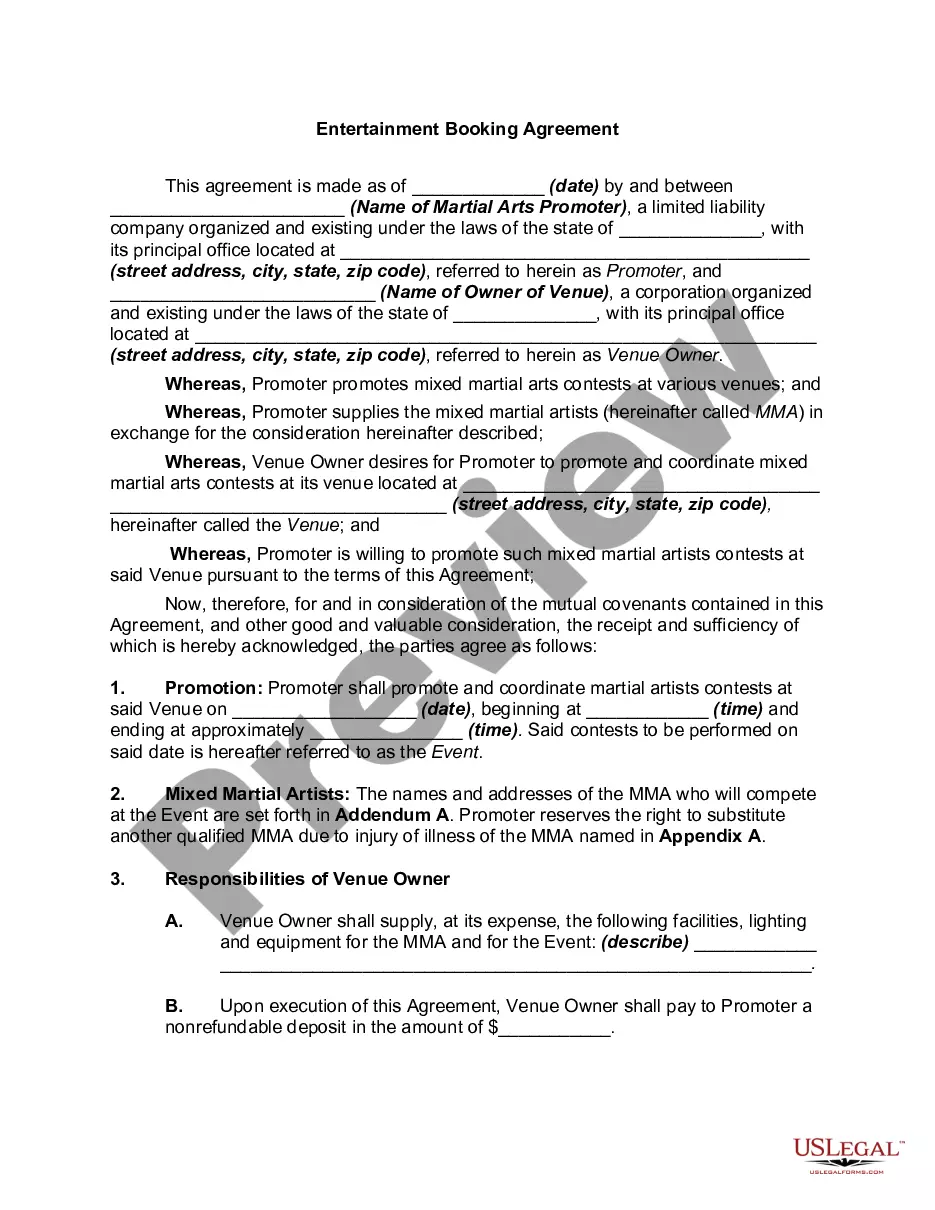
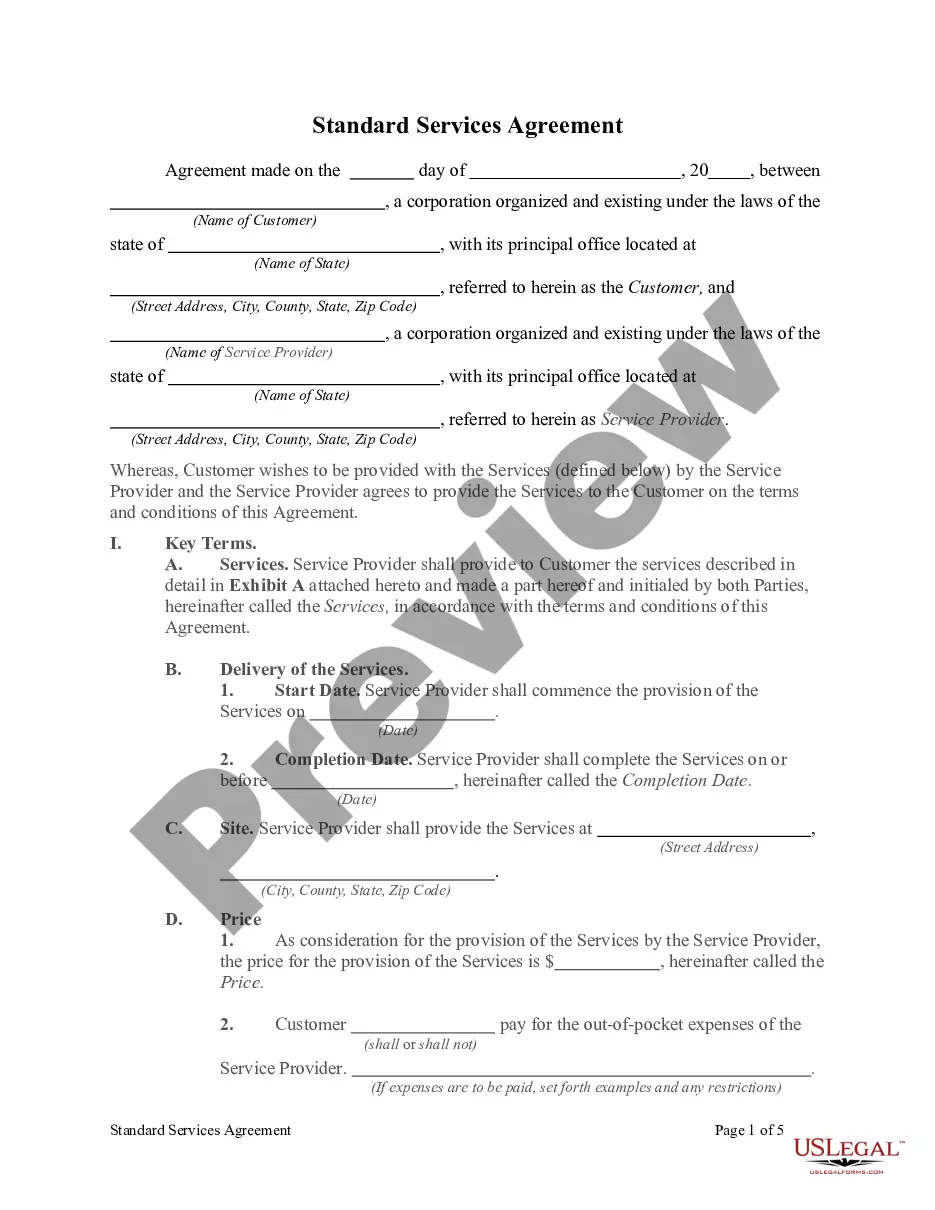
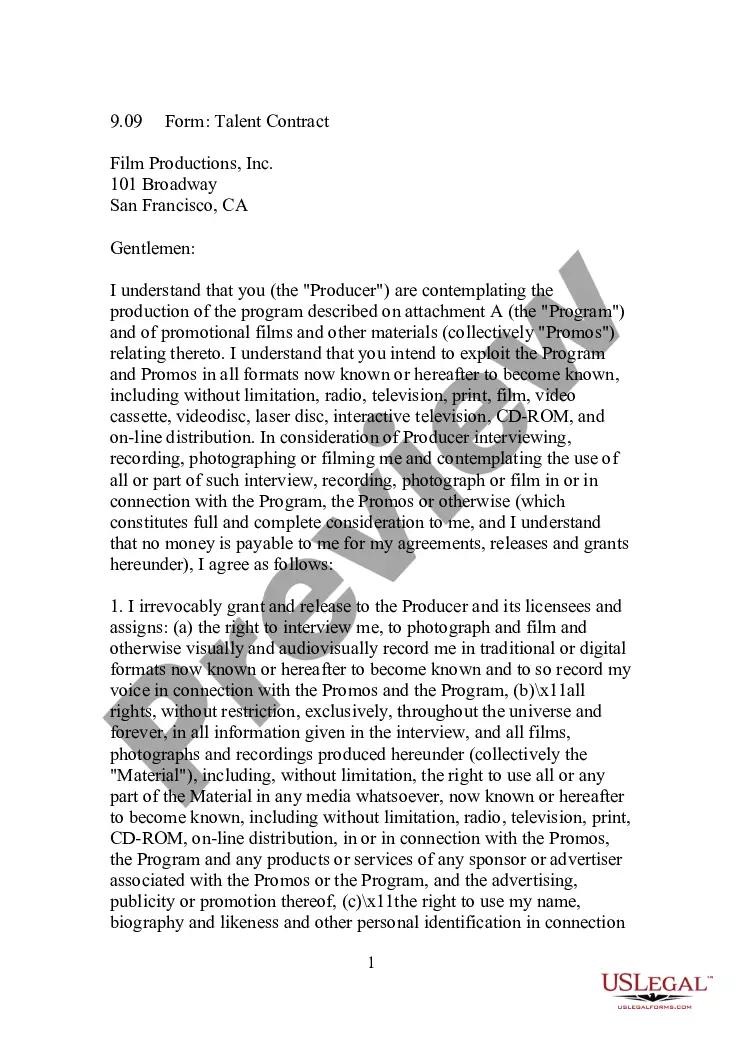
Get your form ready online
Our built-in tools help you complete, sign, share, and store your documents in one place.
Make edits, fill in missing information, and update formatting in US Legal Forms—just like you would in MS Word.
Download a copy, print it, send it by email, or mail it via USPS—whatever works best for your next step.
Sign and collect signatures with our SignNow integration. Send to multiple recipients, set reminders, and more. Go Premium to unlock E-Sign.
If this form requires notarization, complete it online through a secure video call—no need to meet a notary in person or wait for an appointment.
We protect your documents and personal data by following strict security and privacy standards.

Make edits, fill in missing information, and update formatting in US Legal Forms—just like you would in MS Word.

Download a copy, print it, send it by email, or mail it via USPS—whatever works best for your next step.

Sign and collect signatures with our SignNow integration. Send to multiple recipients, set reminders, and more. Go Premium to unlock E-Sign.

If this form requires notarization, complete it online through a secure video call—no need to meet a notary in person or wait for an appointment.

We protect your documents and personal data by following strict security and privacy standards.
Looking for another form?








Form popularity
FAQ
Entertainment law, also referred to as media law, is legal services provided to the entertainment industry. These services in entertainment law overlap with intellectual property law. Intellectual property has many moving parts that include trademarks, copyright, and the "right of publicity".
Indeed, music law covers a range of traditional legal subjects including intellectual property law (copyright law, trademarks, image publicity rights, design rights), competition law, bankruptcy law, contract law, defamation and, for the live events industry, immigration law, health and safety law, and licensing.
Commercial law is an area that covers many aspects of small-business formation and operation, from retail contracts to taxation, employment law, contract law, civil law, commercial transactions, uniform commercial code, and more.
Jarvis & Marilyn E. Phelan, Art and Museum Law (2002): Art law, simply put, is the body of law, involving numerous disciplines, that protects, regulates and facilitates the creation, use and marketing of art.
Entertainment law, also referred to as media law, is legal services provided to the entertainment industry. These services in entertainment law overlap with intellectual property law. Intellectual property has many moving parts that include trademarks, copyright, and the "right of publicity".
This type of law practice is a subsection of intellectual property, dealing with individuals and companies in the entertainment industry. Legal issues related to trademarks, copyrights, and rights of publicity are at the core of the entertainment law practice.
To become a sports lawyer, one must have a Juris Doctor (JD) from an accredited law school and be admitted to the bar of the state in which he or she wishes to practice. In addition, specialized education in sports law is recommended for those who wish to pursue a career in this field.
However, sports law as a specialty is extremely competitive with few spots actually available. If you truly serious about sports law, I would recommend retaking the LSAT and trying for a T14, which will give you a significantly better chance at Big Law, and then in house exit options. Good Luck!!
With the global expansion of sports and the constant development of legal challenges and opportunities within the industry, a career in sports law promises an intellectually-stimulating and rewarding path for legal professionals who are passionate about athletics and the law.
They must have a Juris Doctor degree, and must also pass the bar exam before they can practice law. They often specialize in a specific field of law, such as criminal law, business law or immigration law. Entertainment lawyers focus on the entertainment industry.
