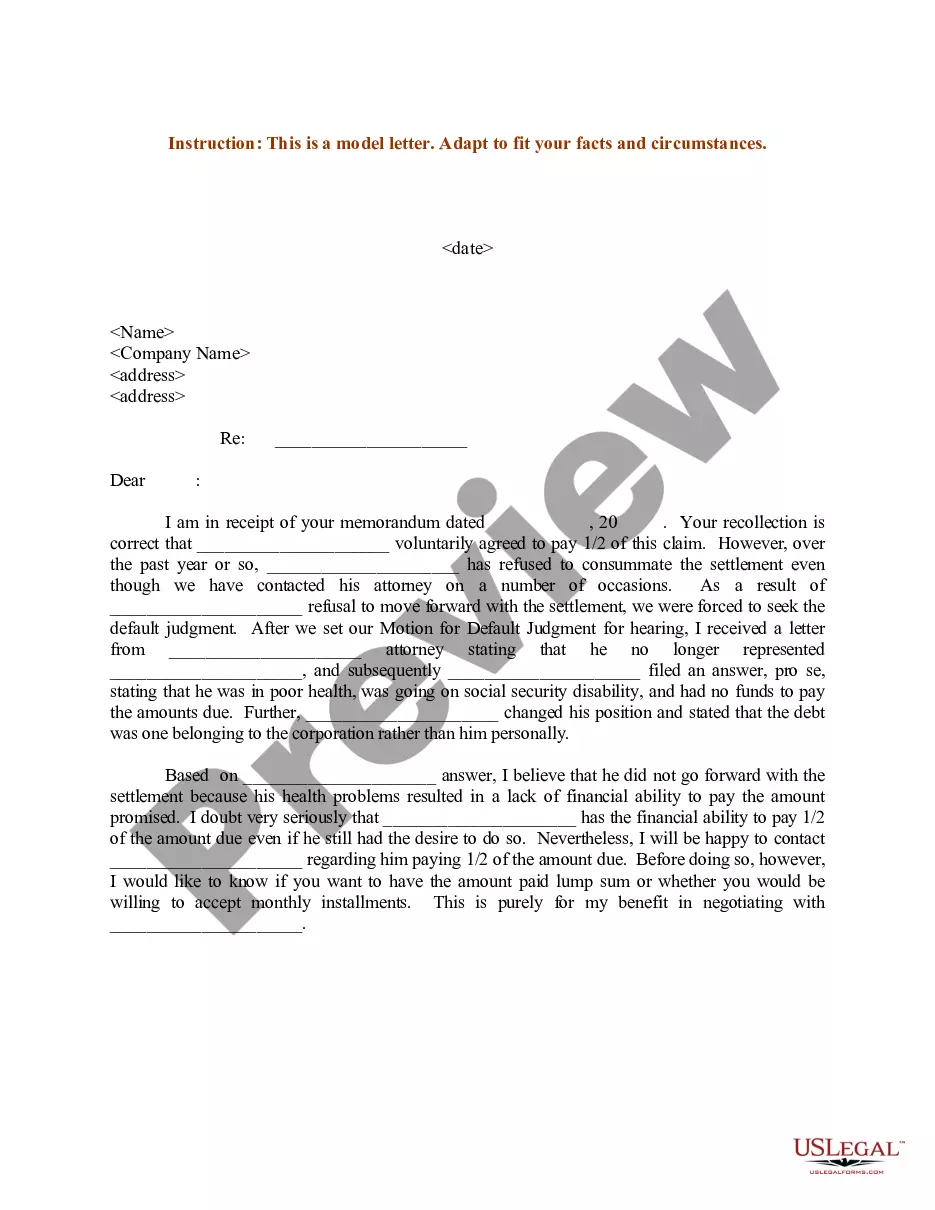
Bail Define In Law In Wayne
Description




Get your form ready online
Our built-in tools help you complete, sign, share, and store your documents in one place.
Make edits, fill in missing information, and update formatting in US Legal Forms—just like you would in MS Word.
Download a copy, print it, send it by email, or mail it via USPS—whatever works best for your next step.
Sign and collect signatures with our SignNow integration. Send to multiple recipients, set reminders, and more. Go Premium to unlock E-Sign.
If this form requires notarization, complete it online through a secure video call—no need to meet a notary in person or wait for an appointment.
We protect your documents and personal data by following strict security and privacy standards.

Make edits, fill in missing information, and update formatting in US Legal Forms—just like you would in MS Word.

Download a copy, print it, send it by email, or mail it via USPS—whatever works best for your next step.

Sign and collect signatures with our SignNow integration. Send to multiple recipients, set reminders, and more. Go Premium to unlock E-Sign.

If this form requires notarization, complete it online through a secure video call—no need to meet a notary in person or wait for an appointment.

We protect your documents and personal data by following strict security and privacy standards.
Looking for another form?



Form popularity
FAQ
It means there is another case with far more nail or a hold. A judge orders one dollar bail so a person receives credit for time in jail on that case.
After a person's arrest, a judge or other court officer will set the amount of bail, along with any other conditions for his or her release from jail.
Failing to post bond has several consequences: Extended Jail Time: You remain in custody until your court date, ranging from weeks to months. Court Appearances: Regular court appearances are required.
The purpose of bail is to make sure that you turn up to court when you are meant to and that you comply with the conditions in your order. Some examples of conditions are: turning up to court. reporting to a police stations on certain days or times.
The primary purpose of bail is to prevent unconvicted suspects from suffering undue imprisonment while awaiting trial and allow defendants to assist their attorneys in preparing their cases. While other benefits exist, these are the foundational roles of bail in the legal system.
Bail is the process by which any person arrested and detained for an offence is released from custody either on the undertaking of a surety or on his own recognizance to appear on a future date.
Bail. In criminal law, bail is the process of releasing a defendant from jail or other governmental custody with conditions set to reasonably assure public safety and court appearance.
What is the purpose of bail? Bail is used to make sure the defendant will come to court. The seriousness of the offense is only one of the factors the judge considers when setting the amount of bail.
The decision to post bail for someone should not be taken lightly. Financially, you risk losing the bail amount or collateral if the defendant fails to appear in court. Legally, the defendant's absence can lead to arrest warrants and additional charges, complicating their legal situation further.