Bail Exonerated Bond For Bail/bond In Santa Clara
Description




Get your form ready online
Our built-in tools help you complete, sign, share, and store your documents in one place.
Make edits, fill in missing information, and update formatting in US Legal Forms—just like you would in MS Word.
Download a copy, print it, send it by email, or mail it via USPS—whatever works best for your next step.
Sign and collect signatures with our SignNow integration. Send to multiple recipients, set reminders, and more. Go Premium to unlock E-Sign.
If this form requires notarization, complete it online through a secure video call—no need to meet a notary in person or wait for an appointment.
We protect your documents and personal data by following strict security and privacy standards.

Make edits, fill in missing information, and update formatting in US Legal Forms—just like you would in MS Word.

Download a copy, print it, send it by email, or mail it via USPS—whatever works best for your next step.

Sign and collect signatures with our SignNow integration. Send to multiple recipients, set reminders, and more. Go Premium to unlock E-Sign.

If this form requires notarization, complete it online through a secure video call—no need to meet a notary in person or wait for an appointment.

We protect your documents and personal data by following strict security and privacy standards.
Looking for another form?



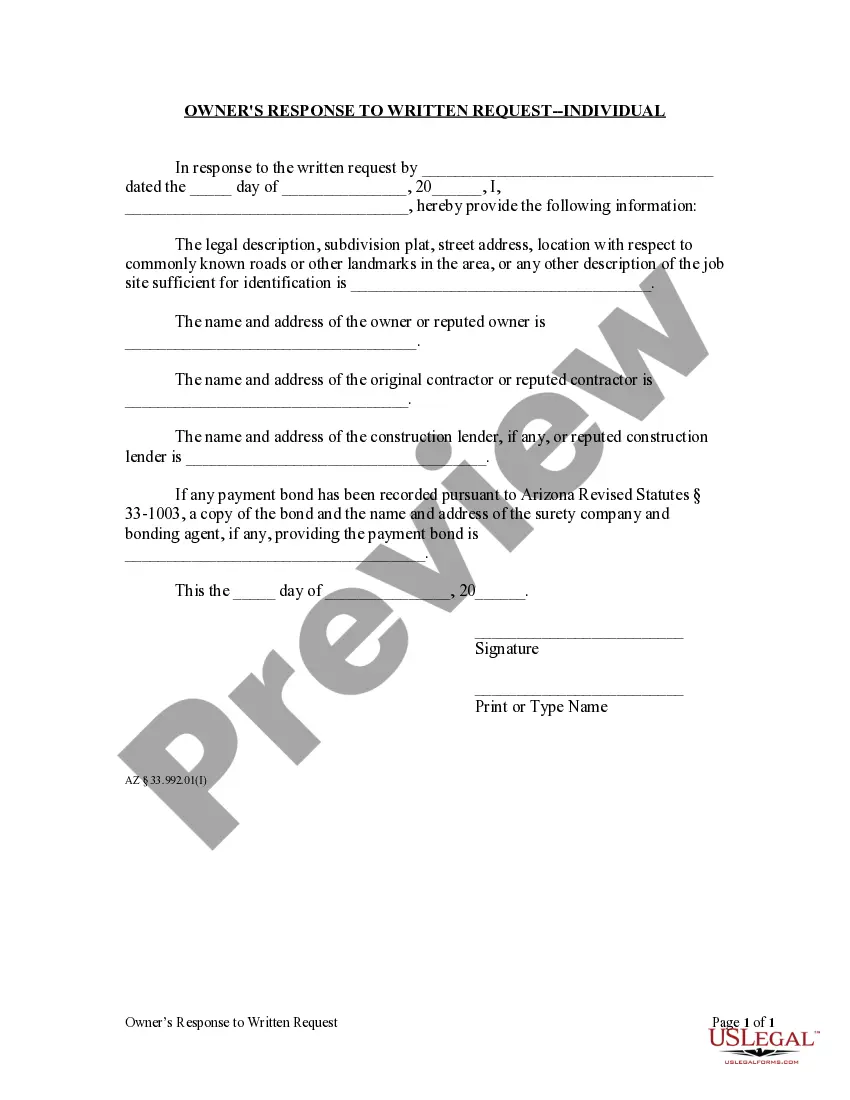

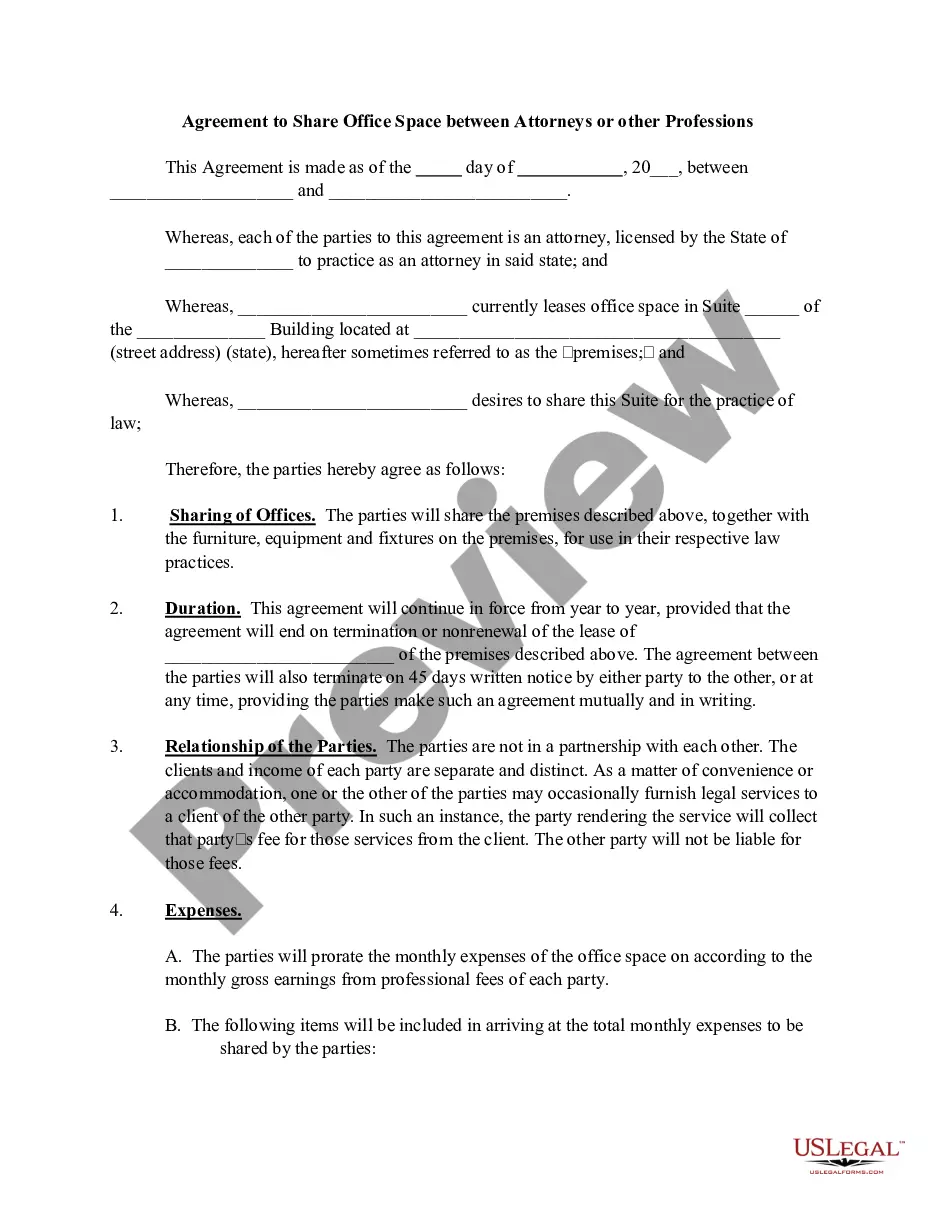


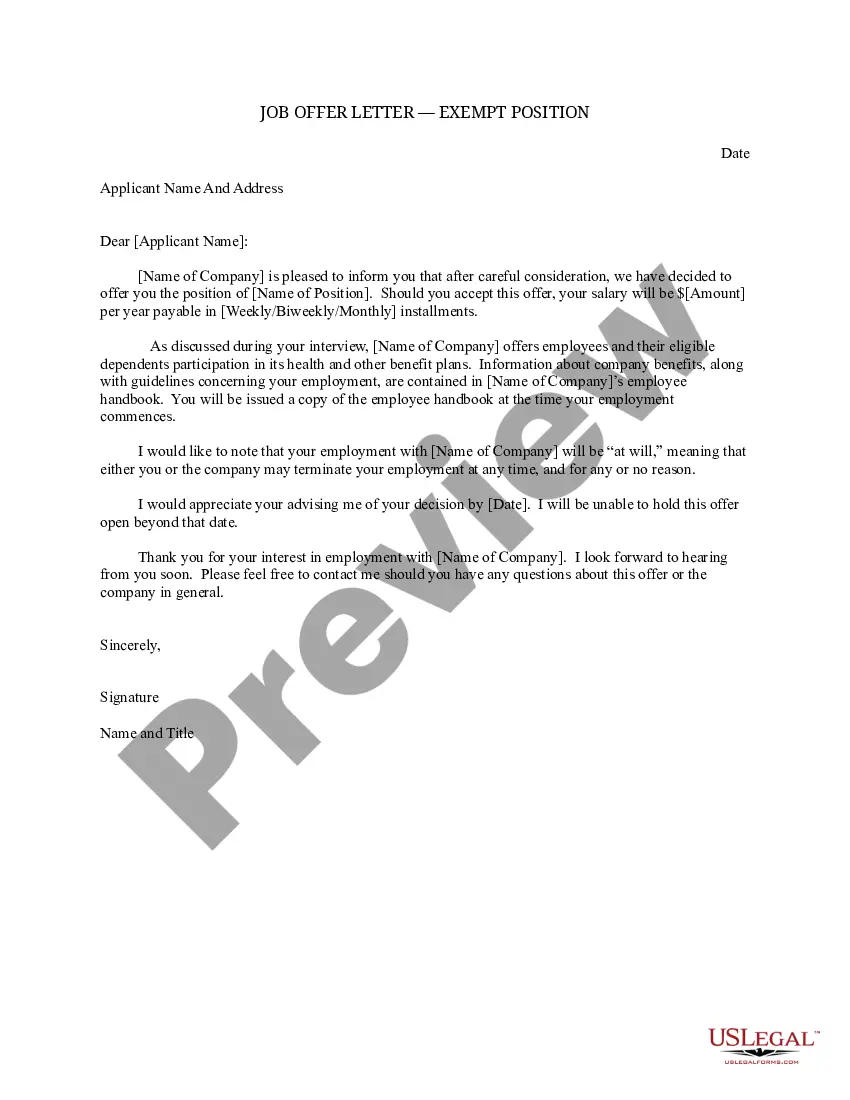
Form popularity
FAQ
A bail bond is exonerated when the legal process/trial has finished. It does not matter whether the defendant is found guilty/innocent or if the case has been dismissed. At this point, the bail bond is discharged. However, any unpaid premium, fees or other amounts charged by the bail service provider are still owed.
The answer is yes. Bail bonds are public record.
Debunking Myths: Jail Time for Unpaid Bail While courts won't jail you for unpaid bail, they might if you fail to attend civil court hearings. Judges could issue a warrant for your arrest for “failure to appear” (FTA).
Visit the Jail's Website: Most county jails have a website. Look for a section labeled “Inmate Search” or “Jail Roster.” Enter the Details: You'll need some information like the defendant's name, booking number, or date of birth. Once entered, this should bring up details about the inmate, including the bond amount.
More videos on YouTube The defendant's flight risk. The defendant's criminal history. The severity of the alleged crime. The defendant's ties to the community. The defendant's employment status and financial resources. The defendant's mental health and substance abuse history. The defendant's family situation.
Before giving us a call, make sure you have the following information handy: The full name of the person who was arrested. Where is the person being held for custody (you should include the name of jail, city, and county) The person's booking number.
The bail bond agent will need you to sign some paperwork in order for you to secure their services. This usually means paying an amount to the agent, usually a percentage of the total bail amount, and signing off on any collateral for the bond.
What Kind of Documentation Do You Need to Get Bonded? Application. The first step to getting bonded is completing the application or questionnaire that your agent provides you. Financials. Work In Progress Form. References. Resumes. Certificate of Insurance.
The bail bond agent will need you to sign some paperwork in order for you to secure their services. This usually means paying an amount to the agent, usually a percentage of the total bail amount, and signing off on any collateral for the bond.
You'll need to check in with your bail bond agency to check that you meet certain criteria to revoke your signature. After you have done that, your agency will advise you on the required paperwork through their contract management software and what evidence you need to give in order to be released from your agreement.
