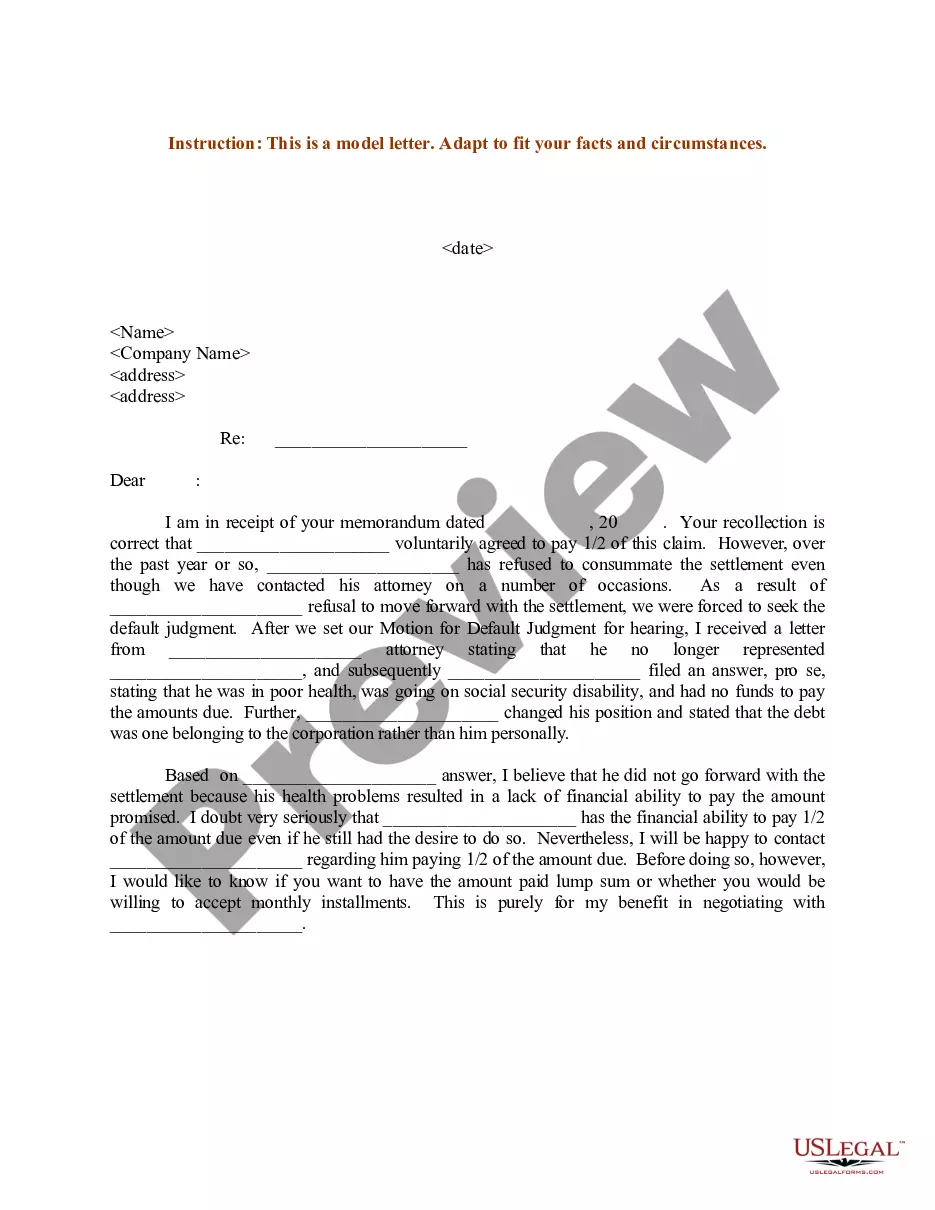
Bale Definition In Law In Palm Beach
Description




Get your form ready online
Our built-in tools help you complete, sign, share, and store your documents in one place.
Make edits, fill in missing information, and update formatting in US Legal Forms—just like you would in MS Word.
Download a copy, print it, send it by email, or mail it via USPS—whatever works best for your next step.
Sign and collect signatures with our SignNow integration. Send to multiple recipients, set reminders, and more. Go Premium to unlock E-Sign.
If this form requires notarization, complete it online through a secure video call—no need to meet a notary in person or wait for an appointment.
We protect your documents and personal data by following strict security and privacy standards.

Make edits, fill in missing information, and update formatting in US Legal Forms—just like you would in MS Word.

Download a copy, print it, send it by email, or mail it via USPS—whatever works best for your next step.

Sign and collect signatures with our SignNow integration. Send to multiple recipients, set reminders, and more. Go Premium to unlock E-Sign.

If this form requires notarization, complete it online through a secure video call—no need to meet a notary in person or wait for an appointment.

We protect your documents and personal data by following strict security and privacy standards.
Looking for another form?









Form popularity
FAQ
Bail is the right to be released from custody before the case is concluded, or sentence is passed, assuming there is no risk of absconding or committing further offences while on bail or attempting to interfere with witnesses or otherwise pervert the course of justice.
In Florida, bail is determined by the judge based on factors like the severity of the charges, your criminal history, and whether you are considered a flight risk. The judge may also consider community ties and the potential danger to the public.
Most bond agreements include travel restrictions, confining you to a specific geographic area such as your county or state. These limitations are designed to ensure your availability for court dates. If travel is necessary, you must seek prior approval from the court or your bail bondsman.
In Florida, bail is determined by the judge based on factors like the severity of the charges, your criminal history, and whether you are considered a flight risk. The judge may also consider community ties and the potential danger to the public.
WHAT ARE THE FACTORS THAT A JUDGE LOOKS AT WHEN DETERMINING BAIL AMOUNT? The defendant's flight risk. The defendant's criminal history. The severity of the alleged crime. The defendant's ties to the community. The defendant's employment status and financial resources. The defendant's mental health and substance abuse history.
The uniform bond schedule The new law mandates the Florida Supreme Court to establish a uniform schedule for specific offenses not included in the “dangerous crime” category. This schedule became effective on January 1, 2024, outlining set bond amounts for various felonies and misdemeanors.
Under these protocols, bail is set at $0 for most misdemeanors and specific non-violent felonies, enabling individuals accused of these crimes to be released from custody without posting bail pending their trial.
Bail bond fees are set by the state When bond is set for someone who was arrested in Florida, the amount is not made up. The bond is set based on pre-determined criteria depending on the crime. The criteria can include previous convictions, the likelihood of appearance, and the severity of the crime.
Florida law gives judges considerable discretion when setting bail amounts, and they often consider several factors, including: Nature of the Charges: Violent or serious charges often result in higher bail amounts or, in some cases, no bail at all.