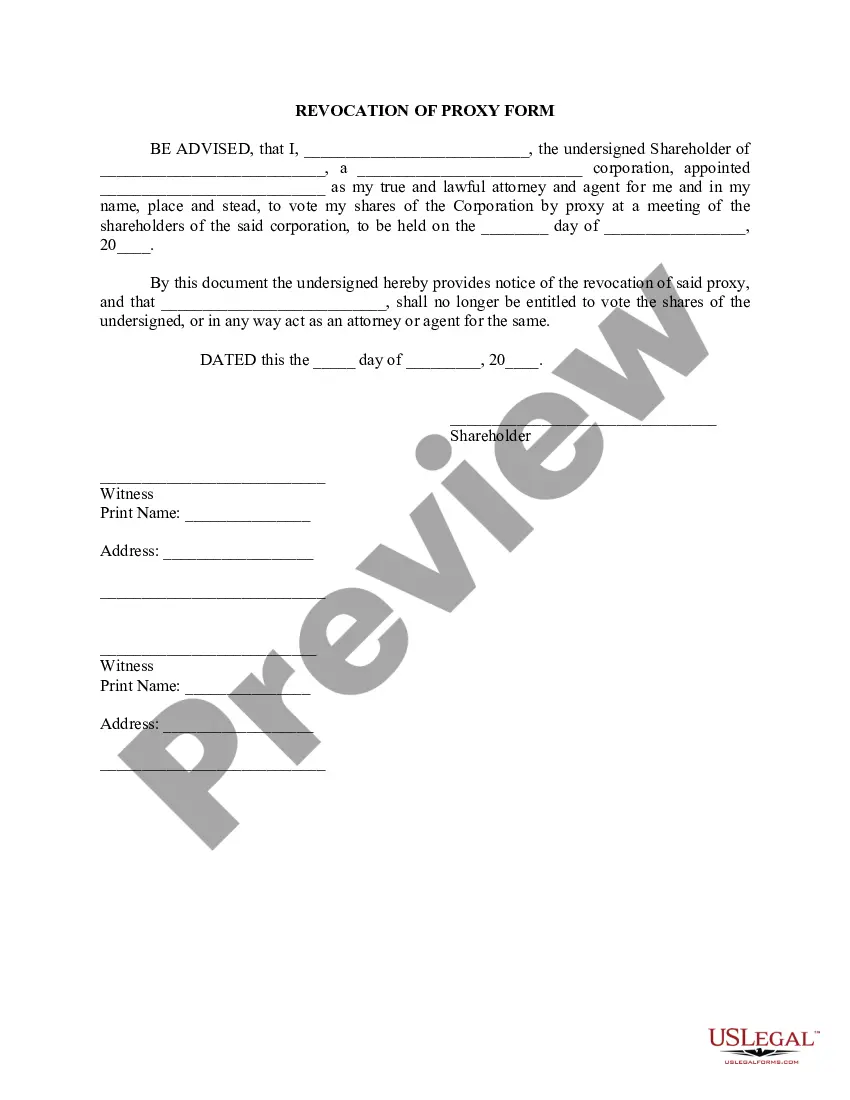
Bail Money In Uk In Minnesota
Description




Get your form ready online
Our built-in tools help you complete, sign, share, and store your documents in one place.
Make edits, fill in missing information, and update formatting in US Legal Forms—just like you would in MS Word.
Download a copy, print it, send it by email, or mail it via USPS—whatever works best for your next step.
Sign and collect signatures with our SignNow integration. Send to multiple recipients, set reminders, and more. Go Premium to unlock E-Sign.
If this form requires notarization, complete it online through a secure video call—no need to meet a notary in person or wait for an appointment.
We protect your documents and personal data by following strict security and privacy standards.

Make edits, fill in missing information, and update formatting in US Legal Forms—just like you would in MS Word.

Download a copy, print it, send it by email, or mail it via USPS—whatever works best for your next step.

Sign and collect signatures with our SignNow integration. Send to multiple recipients, set reminders, and more. Go Premium to unlock E-Sign.

If this form requires notarization, complete it online through a secure video call—no need to meet a notary in person or wait for an appointment.

We protect your documents and personal data by following strict security and privacy standards.
Looking for another form?




Form popularity
FAQ
Maximum Bail Amount in Minnesota For Misdemeanor and Gross Misdemeanor DWI: The maximum bail amount for misdemeanor and gross misdemeanor DWI in Minnesota is four times the maximum fine or four thousand dollars for a misdemeanor and twelve thousand dollars for a gross misdemeanor.
The limit varies from state to state, and some states may not have any statutory limits. For example, in California, there is no statutory limit for most crimes. However, in some states, such as Alabama, there are caps on bail amounts for certain types of offenses.
For misdemeanors, bail amounts are as low as $1,000 for 2023, with the highest amount at $15,000. However, for felonies, bail amounts start at $20,000 and reach as high as $5 million. Actual bail amounts can be higher or lower than these figures, depending on different factors and the opinion of the judge.
First, the person is arrested and taken into custody. Next, a bail hearing is held where the court determines whether the person should be released on bail and sets the conditions for their release. These conditions may include surrendering one's passport, regular check-ins with the authorities, or a monetary deposit.
No - if you signed the bond it doesn't matter whether you have a job or not - or whether the bondsman asked you if you did. You are liable as surety on the bond - having a job or not has nothing to do with your liability. Sorry.