Bond Definition In Law In Georgia
Description

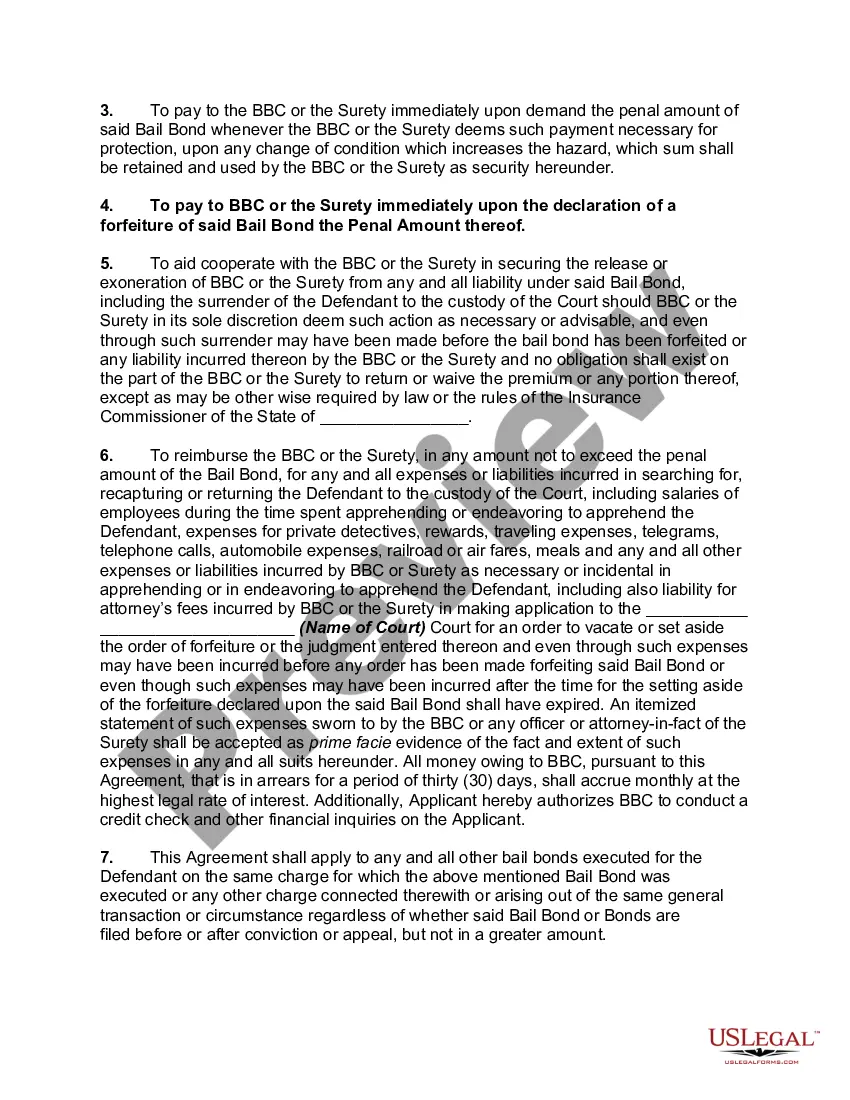
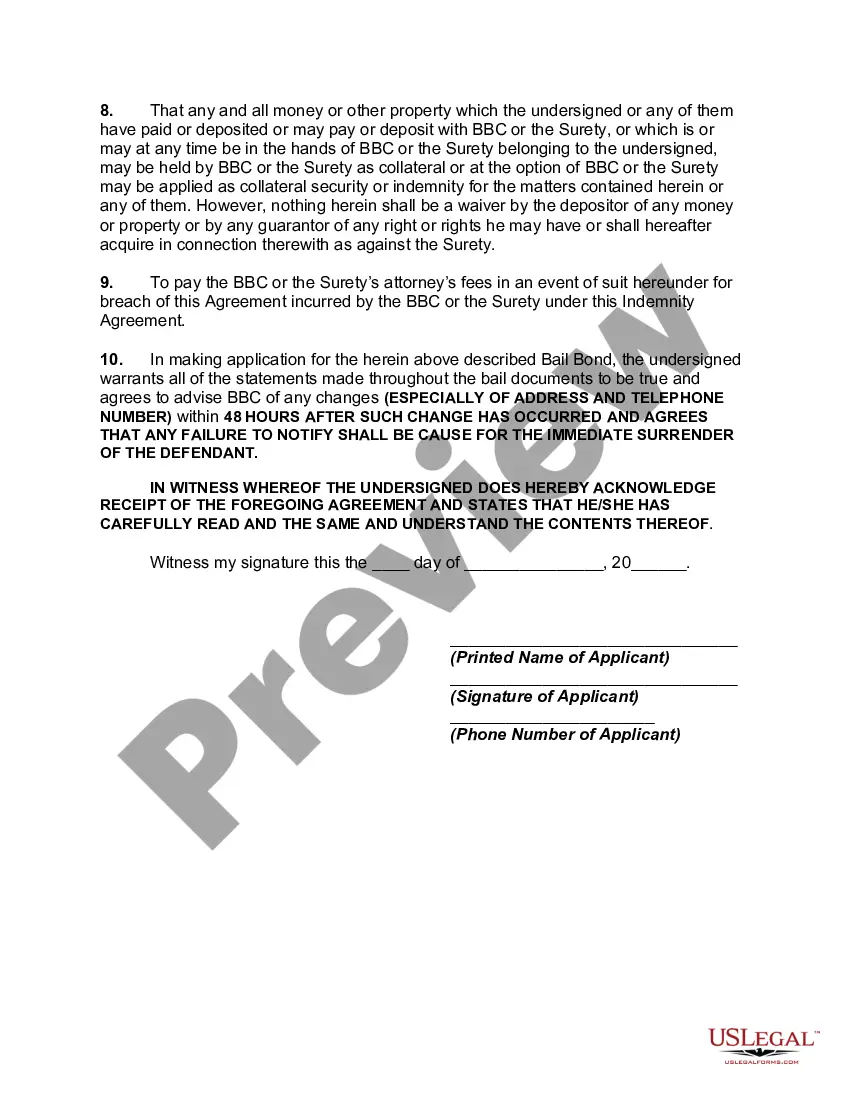

Get your form ready online
Our built-in tools help you complete, sign, share, and store your documents in one place.
Make edits, fill in missing information, and update formatting in US Legal Forms—just like you would in MS Word.
Download a copy, print it, send it by email, or mail it via USPS—whatever works best for your next step.
Sign and collect signatures with our SignNow integration. Send to multiple recipients, set reminders, and more. Go Premium to unlock E-Sign.
If this form requires notarization, complete it online through a secure video call—no need to meet a notary in person or wait for an appointment.
We protect your documents and personal data by following strict security and privacy standards.

Make edits, fill in missing information, and update formatting in US Legal Forms—just like you would in MS Word.

Download a copy, print it, send it by email, or mail it via USPS—whatever works best for your next step.

Sign and collect signatures with our SignNow integration. Send to multiple recipients, set reminders, and more. Go Premium to unlock E-Sign.

If this form requires notarization, complete it online through a secure video call—no need to meet a notary in person or wait for an appointment.

We protect your documents and personal data by following strict security and privacy standards.
Looking for another form?

Form popularity
FAQ
Those conditions normally involve refraining from using or possessing alcohol, firearms, and drugs (unless prescribed by a physician) while out on bond, not violating any other laws while out on bond, and in cases of violence, having no contact with the victim in the case.
In some cases, the defendant may be considered a threat to public safety and denied bail. This is usually seen in cases where the defendant is accused of a hate crime, terrorism, or stalking, or if the defendant has a history of making threats or violence against others.
In Georgia, after an arrest, you are entitled to a bond hearing within 72 hours (not including weekends and holidays). During this hearing, a judge will decide if you should be detained or released pending trial. If you are not charged with a crime within this period, you must be released.
Defendants out on bond are often required to remain within a certain geographic area, usually within the state or county where the case is being prosecuted. Travel outside of this area is typically prohibited unless explicitly permitted by the court.
Understanding the Bail Bond Process in Georgia The bail bond process begins with an arrest, followed by a bail hearing where a judge determines the bail amount based on various factors, such as the severity of the offense, the defendant's criminal history, and the perceived flight risk.
A Motion for Bond Reconsideration is filed after an initial bond denial to request a review based on new evidence or arguments. On the other hand, a Motion for a Bond Hearing is filed to request the court to conduct a bond hearing when one has not been held or when the defendant has not been granted bond at all.
Those conditions normally involve refraining from using or possessing alcohol, firearms, and drugs (unless prescribed by a physician) while out on bond, not violating any other laws while out on bond, and in cases of violence, having no contact with the victim in the case.
A bond's credit quality is usually determined by independent bond rating agencies, such as Moody's Investors Service, Inc., and Standard & Poor's Corporation (S&P). These agencies classify bonds into 2 basic categories—investment-grade and below-investment-grade—and provide detailed ratings within each.
First, you'll have to fill out the proper Georgia notice of intent to lien form. Then, you must record the claim with the county clerk's office before serving the lien to the property owner.
