Bail Define In Law In Fulton
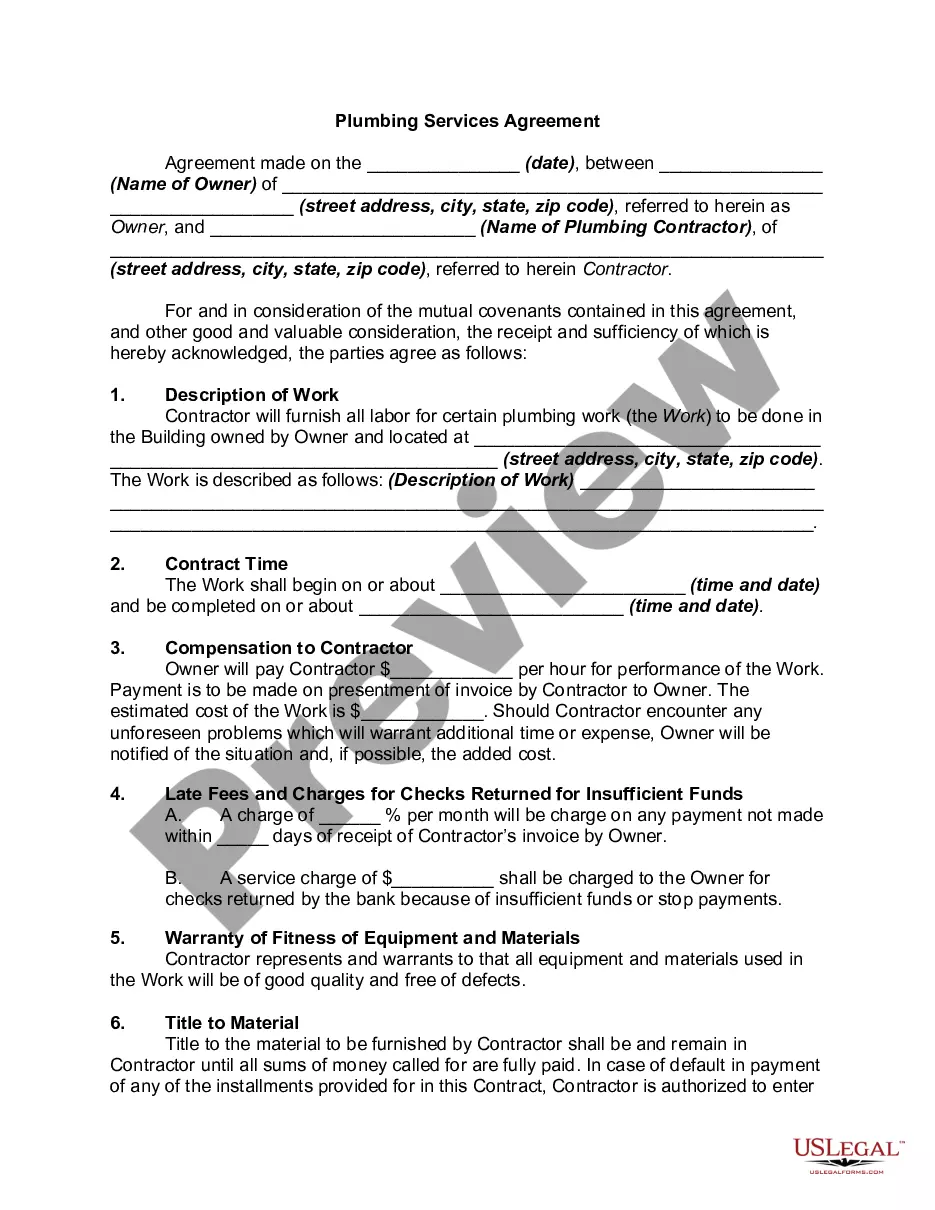
Description




Get your form ready online
Our built-in tools help you complete, sign, share, and store your documents in one place.
Make edits, fill in missing information, and update formatting in US Legal Forms—just like you would in MS Word.
Download a copy, print it, send it by email, or mail it via USPS—whatever works best for your next step.
Sign and collect signatures with our SignNow integration. Send to multiple recipients, set reminders, and more. Go Premium to unlock E-Sign.
If this form requires notarization, complete it online through a secure video call—no need to meet a notary in person or wait for an appointment.
We protect your documents and personal data by following strict security and privacy standards.

Make edits, fill in missing information, and update formatting in US Legal Forms—just like you would in MS Word.

Download a copy, print it, send it by email, or mail it via USPS—whatever works best for your next step.

Sign and collect signatures with our SignNow integration. Send to multiple recipients, set reminders, and more. Go Premium to unlock E-Sign.

If this form requires notarization, complete it online through a secure video call—no need to meet a notary in person or wait for an appointment.

We protect your documents and personal data by following strict security and privacy standards.
Looking for another form?






Form popularity
FAQ
In criminal law, bail is the process of releasing a defendant from jail or other governmental custody with conditions set to reasonably assure public safety and court appearance.
Determining the Bail Amount in Georgia A bail hearing usually – but not always – occurs within 48 hours of a defendant being charged. When deciding bail, a judge will consider factors like: The seriousness and circumstances of the allegations. The defendant's criminal history and risk of reoffending.
The decision to post bail for someone should not be taken lightly. Financially, you risk losing the bail amount or collateral if the defendant fails to appear in court. Legally, the defendant's absence can lead to arrest warrants and additional charges, complicating their legal situation further.
Traditional bail is a legal mechanism that allows an accused person to be released from custody while awaiting trial, in exchange for a security deposit. This deposit ensures the individual's return to court for their hearings.
Obtaining a bail bond begins when a person is arrested and taken to jail. They will then be brought before a judge, who will set a bail amount based on the nature of the crime and the individual's criminal history. The bail amount is designed to act as insurance that ensures the person will return to court for trial.
The three common ways to post a bail in Georgia are by using: Professional Bonding Company. Posting a Cash Bond. Posting a Property Bond.
Bailing someone out of jail who has a history of untrustworthy behavior can create headaches. You're essentially agreeing to put up 10 percent of a bail bond that could be tens of thousands — or even hundreds of thousands — of dollars. If they fail to show, then you went to all that extra trouble for nothing.
Obtaining a bail bond begins when a person is arrested and taken to jail. They will then be brought before a judge, who will set a bail amount based on the nature of the crime and the individual's criminal history. The bail amount is designed to act as insurance that ensures the person will return to court for trial.