Bail And Bond In Crpc In Florida
Description


Get your form ready online
Our built-in tools help you complete, sign, share, and store your documents in one place.
Make edits, fill in missing information, and update formatting in US Legal Forms—just like you would in MS Word.
Download a copy, print it, send it by email, or mail it via USPS—whatever works best for your next step.
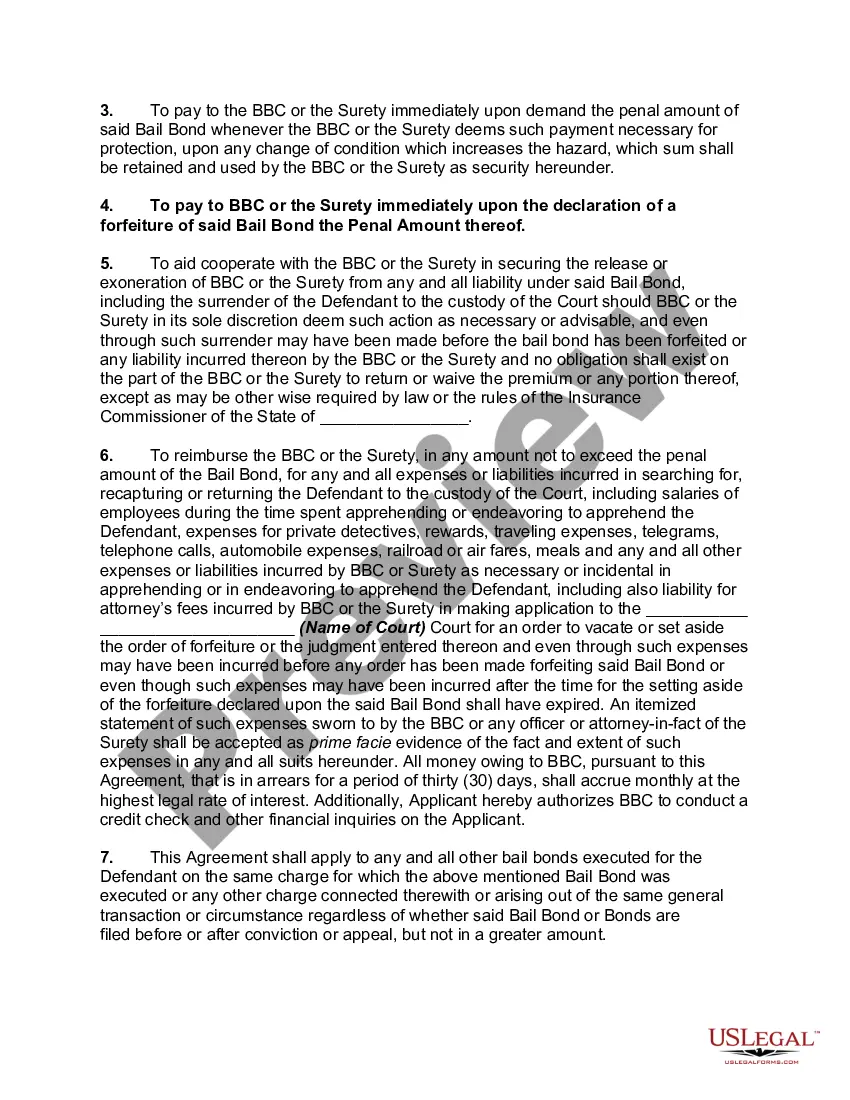
Sign and collect signatures with our SignNow integration. Send to multiple recipients, set reminders, and more. Go Premium to unlock E-Sign.
If this form requires notarization, complete it online through a secure video call—no need to meet a notary in person or wait for an appointment.
We protect your documents and personal data by following strict security and privacy standards.

Make edits, fill in missing information, and update formatting in US Legal Forms—just like you would in MS Word.

Download a copy, print it, send it by email, or mail it via USPS—whatever works best for your next step.

Sign and collect signatures with our SignNow integration. Send to multiple recipients, set reminders, and more. Go Premium to unlock E-Sign.

If this form requires notarization, complete it online through a secure video call—no need to meet a notary in person or wait for an appointment.

We protect your documents and personal data by following strict security and privacy standards.
Looking for another form?








Form popularity
FAQ
Understanding the New Law: This means that judges are now required to consider alternatives such as pretrial supervision, electronic monitoring, or personal recognizance before resorting to monetary bail. The aim is to ensure that pretrial release decisions are based on risk assessment rather than financial ability.
Jail Processing (2-12 hours) Once the bail is posted, the jail begins its release process. This involves verifying the bail with the court, completing internal paperwork, and conducting any necessary checks, such as warrant checks in other jurisdictions.
Criminal Rehabilitation; Specifying that to rehabilitate the offender to transition back to the community successfully is one of the primary purposes of sentencing; reducing the minimum sentence that must be served by a defendant from 85 percent of the sentence to 65 percent; revising provisions concerning gain-time to ...
Florida's new statewide bond schedule, introduced under House Bill 1627, is a significant reform aimed at standardizing bail practices across judicial circuits. Effective January 1, 2024, the law seeks to establish consistency and equity in pretrial release decisions.
(5)(a) Beginning January 1, 2024, and annually thereafter, the Supreme Court must adopt a uniform statewide bond schedule for criminal offenses not described in subsection (6) for which a person may be released on bail before and in lieu of his or her first appearance hearing or bail determination.
In Florida, bail is determined by the judge based on factors like the severity of the charges, your criminal history, and whether you are considered a flight risk. The judge may also consider community ties and the potential danger to the public.
Understanding the New Law: This means that judges are now required to consider alternatives such as pretrial supervision, electronic monitoring, or personal recognizance before resorting to monetary bail. The aim is to ensure that pretrial release decisions are based on risk assessment rather than financial ability.
Bail bond fees are set by the state When bond is set for someone who was arrested in Florida, the amount is not made up. The bond is set based on pre-determined criteria depending on the crime. The criteria can include previous convictions, the likelihood of appearance, and the severity of the crime.
The bail bond process involves completing paperwork, providing identification, and potentially providing collateral. The bondsman and the Indemnitor (the person securing the bond) are responsible for ensuring the accused's appearance in court until the case is resolved.
