Husband For Application In Massachusetts
Description

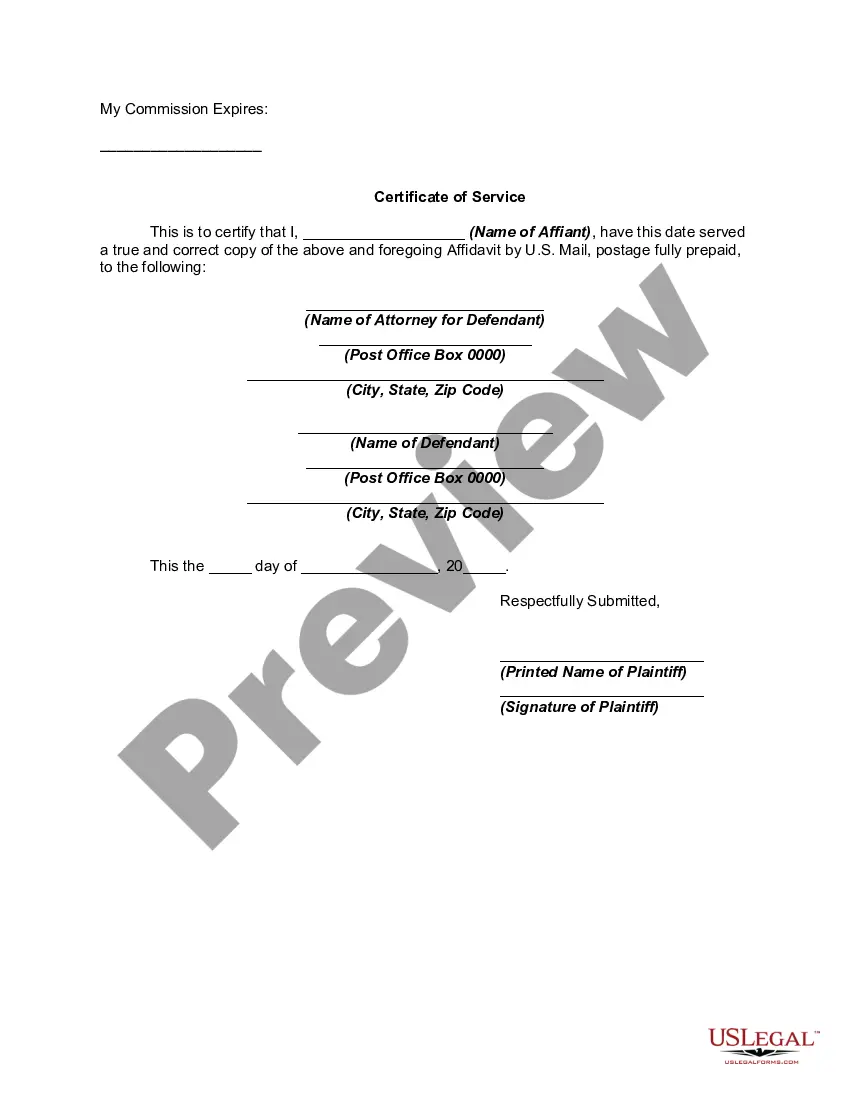




Get your form ready online
Our built-in tools help you complete, sign, share, and store your documents in one place.
Make edits, fill in missing information, and update formatting in US Legal Forms—just like you would in MS Word.
Download a copy, print it, send it by email, or mail it via USPS—whatever works best for your next step.
Sign and collect signatures with our SignNow integration. Send to multiple recipients, set reminders, and more. Go Premium to unlock E-Sign.
If this form requires notarization, complete it online through a secure video call—no need to meet a notary in person or wait for an appointment.
We protect your documents and personal data by following strict security and privacy standards.

Make edits, fill in missing information, and update formatting in US Legal Forms—just like you would in MS Word.

Download a copy, print it, send it by email, or mail it via USPS—whatever works best for your next step.

Sign and collect signatures with our SignNow integration. Send to multiple recipients, set reminders, and more. Go Premium to unlock E-Sign.

If this form requires notarization, complete it online through a secure video call—no need to meet a notary in person or wait for an appointment.

We protect your documents and personal data by following strict security and privacy standards.
Looking for another form?






Form popularity
FAQ
A spouse is a significant other in a marriage. The word 'spouse' can only ever be used when a couple is married legally or by common law. A male spouse is called a husband while a female spouse is called a wife.
You must apply for a marriage license, also called a marriage intention. A marriage license is only good to use between 3 and 60 days in Massachusetts from the date you applied. You also can't use the marriage license outside of Massachusetts. You have to get married in the state.
Massachusetts does not require that witnesses be present at your ceremony. The Officiant is responsible or completing and signing the original license and returning it to the clerk of the town where the license was issued. The officiant may be a member of the clergy, justice of the peace, or a one-day solemnizer.
For federal tax purposes, the terms spouse, husband, and wife mean an individual lawfully married to another individual. The term husband and wife means two individuals lawfully married to each other.
As long as a couple lives together as husband and wife, the question of validity of their marriage is unlikely to arise. However, for purposes of inheritance or the benefits of pension plans or social security, a valid marriage is required.
Yes. The Massachusetts Supreme Judicial Court has ruled that Massachusetts courts must give the same respect to civil unions and registered domestic partnerships as marriages, with rights and obligations functionally identical to marriage.
It's a widespread misconception that if a couple lives together for 7 years or more in Massachusetts then they are considered married under common law. Massachusetts, however, does not recognize common law marriage. It doesn't matter if you've lived together for 7 years, 10 years or 30 years.
Massachusetts does not allow common law marriage, so no matter how long a couple lives together, cohabitation won't ever change into a marriage without performing a wedding ceremony. However, Massachusetts does allow cohabitation agreements.
In order to legally recognize your union, you must have your wedding ceremony, sign the license, and file for a certified marriage record during this window.
Massachusetts does not require that witnesses be present at your ceremony. The Officiant is responsible or completing and signing the original license and returning it to the clerk of the town where the license was issued. The officiant may be a member of the clergy, justice of the peace, or a one-day solemnizer.