Spouse Application File Without Permission In Houston
Description

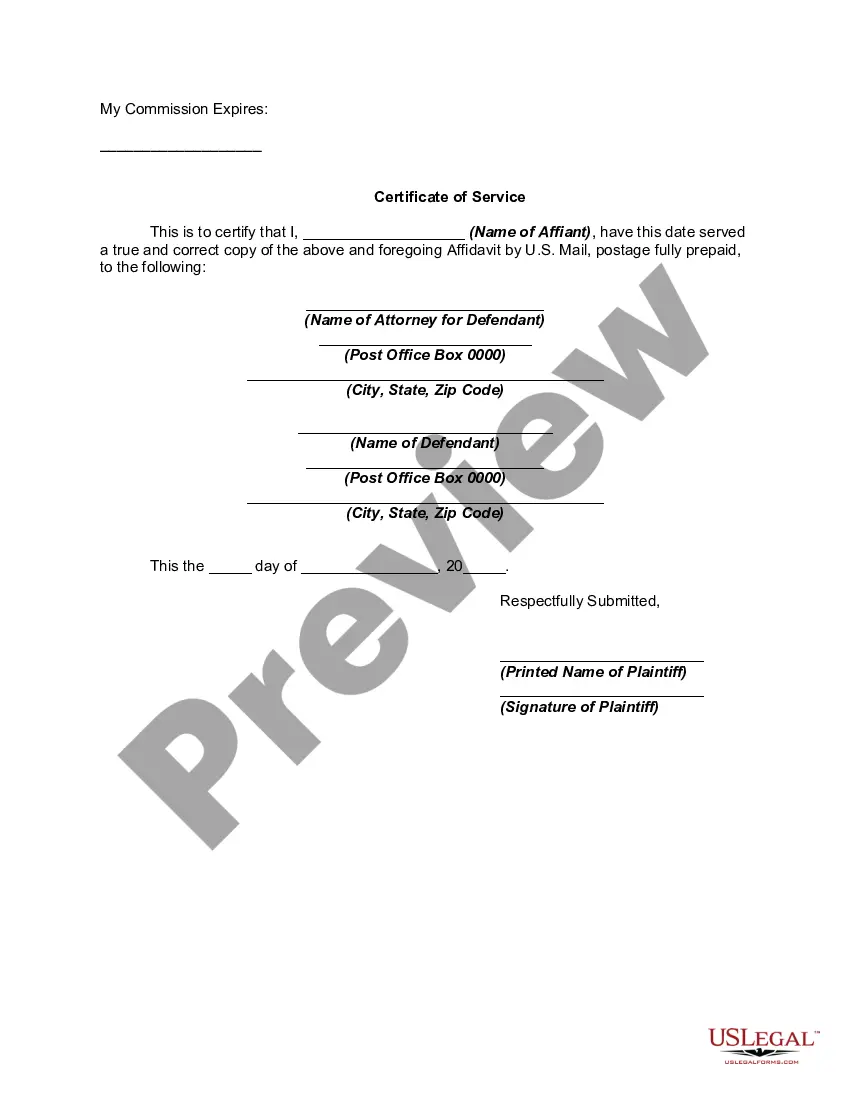




Get your form ready online
Our built-in tools help you complete, sign, share, and store your documents in one place.
Make edits, fill in missing information, and update formatting in US Legal Forms—just like you would in MS Word.
Download a copy, print it, send it by email, or mail it via USPS—whatever works best for your next step.
Sign and collect signatures with our SignNow integration. Send to multiple recipients, set reminders, and more. Go Premium to unlock E-Sign.
If this form requires notarization, complete it online through a secure video call—no need to meet a notary in person or wait for an appointment.
We protect your documents and personal data by following strict security and privacy standards.

Make edits, fill in missing information, and update formatting in US Legal Forms—just like you would in MS Word.

Download a copy, print it, send it by email, or mail it via USPS—whatever works best for your next step.

Sign and collect signatures with our SignNow integration. Send to multiple recipients, set reminders, and more. Go Premium to unlock E-Sign.

If this form requires notarization, complete it online through a secure video call—no need to meet a notary in person or wait for an appointment.

We protect your documents and personal data by following strict security and privacy standards.
Looking for another form?








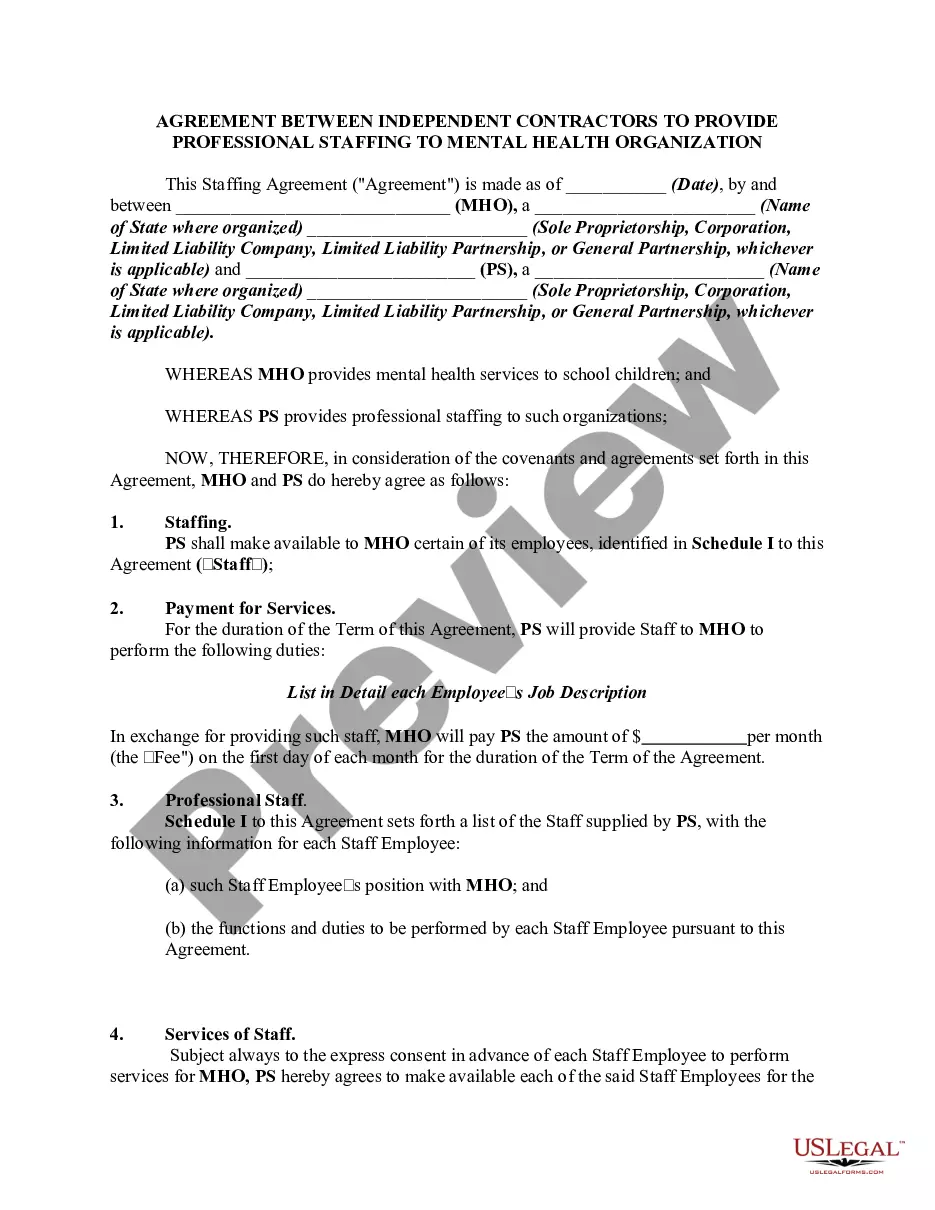

Form popularity
FAQ
In-Person: Austin Office In most cases, you will get your record the same day, but some applications require 24 hours or more to process.
Certified copies of marriage licenses are only available from the county clerk. Certified copies of divorce decrees are only available from the district clerk. Certified copies of marriage/divorce records must be obtained in the county or district in which they were originally filed.
You must file a separate Form I-130 for each eligible relative unless they can be considered a derivative beneficiary. See the form instructions for more information. If you submit a petition for your spouse, you must also submit Form I-130A, Supplemental Information for Spouse Beneficiary.
If you want to file a motion, the process is generally something like this: You write your motion. You file your motion with the court clerk. The court clerk inserts the date and time your motion will be heard by the judge. You “serve” (mail) your motion to the other side.
If your spouse does not respond to your notice, then the Judge may finalize your divorce by default. Even without your spouse's participation, the court can enter orders regarding the dissolution of your marriage, such as child custody and property division.
Oral motion - You can make a motion verbally (orally) while in court. This can be at the initial appearance, at a status appearance, or during a hearing. Usually, you can use an oral motion when the request is not complicated, or if it is an urgent request that you are hoping the judge will grant that day.
File (turn in) your completed answer form with the court. To file online, go to E-File Texas ( ) 11 and follow the instructions. To file in person, take your answer (and copies) to the district clerk's office in the county where the plaintiff filed the case.
You must file a separate Form I-130 for each eligible relative unless they can be considered a derivative beneficiary. See the form instructions for more information. If you submit a petition for your spouse, you must also submit Form I-130A, Supplemental Information for Spouse Beneficiary.
To file a motion in Texas, draft the motion, ensure it complies with Texas court rules, file it with the appropriate court, and serve a copy to the opposing party.
To file a motion in Texas, draft the motion, ensure it complies with Texas court rules, file it with the appropriate court, and serve a copy to the opposing party.
