Alimony Foreign Spouse In Franklin
Description

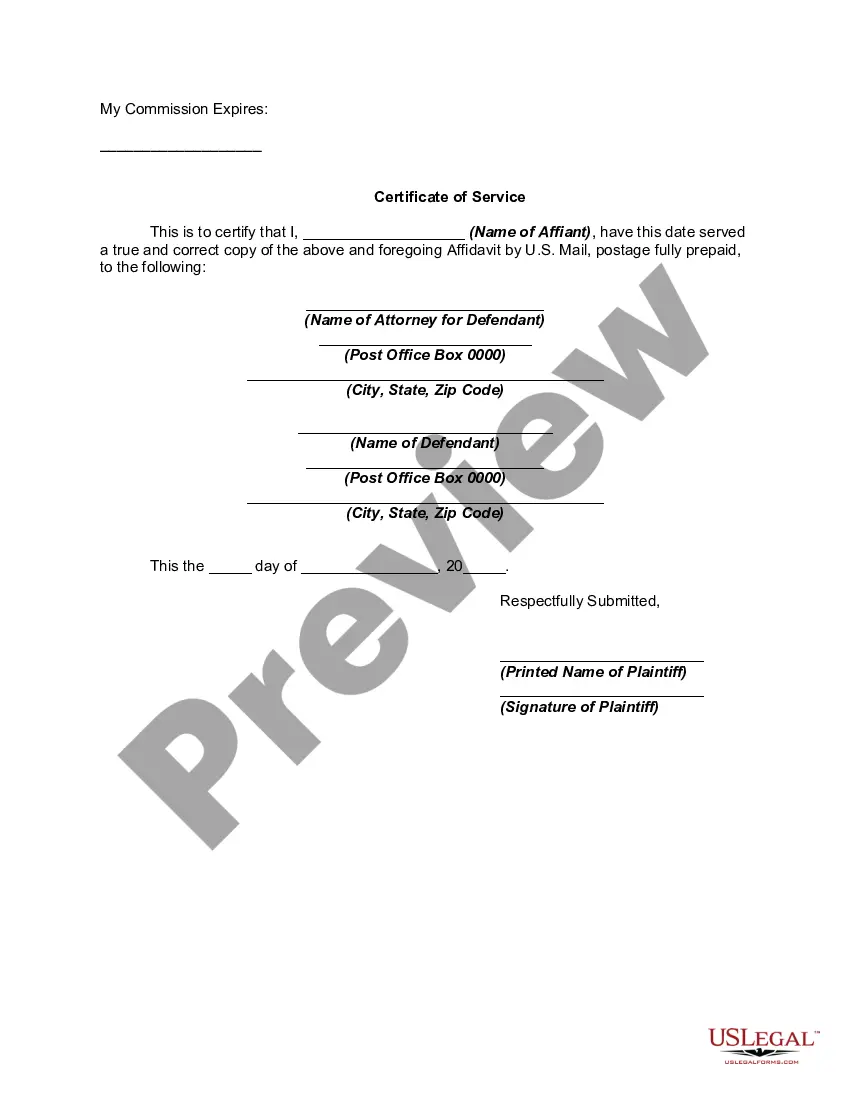




Get your form ready online
Our built-in tools help you complete, sign, share, and store your documents in one place.
Make edits, fill in missing information, and update formatting in US Legal Forms—just like you would in MS Word.
Download a copy, print it, send it by email, or mail it via USPS—whatever works best for your next step.
Sign and collect signatures with our SignNow integration. Send to multiple recipients, set reminders, and more. Go Premium to unlock E-Sign.
If this form requires notarization, complete it online through a secure video call—no need to meet a notary in person or wait for an appointment.
We protect your documents and personal data by following strict security and privacy standards.

Make edits, fill in missing information, and update formatting in US Legal Forms—just like you would in MS Word.

Download a copy, print it, send it by email, or mail it via USPS—whatever works best for your next step.

Sign and collect signatures with our SignNow integration. Send to multiple recipients, set reminders, and more. Go Premium to unlock E-Sign.

If this form requires notarization, complete it online through a secure video call—no need to meet a notary in person or wait for an appointment.

We protect your documents and personal data by following strict security and privacy standards.
Looking for another form?







Form popularity
FAQ
Countries including Australia, Canada, Germany, Mexico, and the U.K. regularly work with U.S. courts to enforce alimony orders across international borders. However, enforcing an international alimony order may take more time than enforcing a domestic one.
What do I do if I want alimony? You can ask for alimony as part of a divorce proceeding. If you and your spouse reach an agreement about alimony, you can ask the judge to make the agreement a part of the court order. If you cannot reach an agreement, the judge will decide whether you are entitled to alimony.
The citizen spouse must sign a contract (I-864) with the Federal government promising to support the non-citizen spouse financially. In most cases, even if the couple divorces, the citizen spouse must continue to support the non-citizen spouse.
How to file for divorce internationally Understand your state's laws. Each state has its own divorce laws. Complete and file your divorce petition. Once you understand your state's rules, complete your divorce petition and file it with your local county court. Serve your spouse. Continue with your divorce.
California determines alimony based on the recipient's “marital standard of living,” which aims to allow the spouse to continue living in a similar manner as during the marriage.
What Are the Eligibility Criteria to Receive Alimony in Tennessee? Which spouse(s) has custody of the children. Each spouse's earning capabilities and financial resources. Each spouse's needs and obligations. Each spouse's age and health. The standard of living established during the marriage. The duration of the marriage.
Are There Other Ways to End My Alimony Obligation? The dependent spouse is unable to rehabilitate themself. The needs of the dependent spouse change. Child support termination. A change in the income of either party. Remarriage of either spouse. Violation of the divorce decree by either spouse. Sale of the family home.
With the advent of no-fault divorces in most States, and most Western countries, the MOST you lose is 50% of what you have brought into the marriage DURING the marriage (inheritances are exempt from division). AND you get 50% of whatever your SPOUSE has brought into the marriage.
