Spouse Application For Irish Passport In Chicago
Description

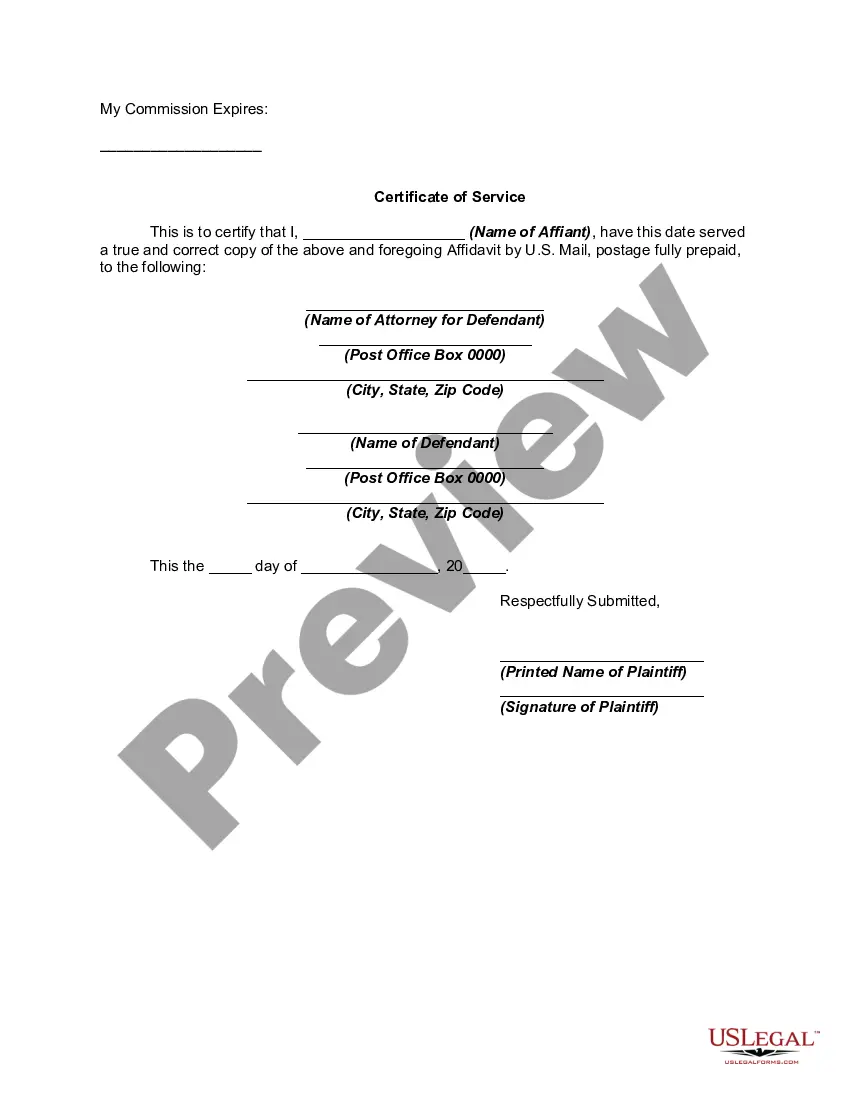




Get your form ready online
Our built-in tools help you complete, sign, share, and store your documents in one place.
Make edits, fill in missing information, and update formatting in US Legal Forms—just like you would in MS Word.
Download a copy, print it, send it by email, or mail it via USPS—whatever works best for your next step.
Sign and collect signatures with our SignNow integration. Send to multiple recipients, set reminders, and more. Go Premium to unlock E-Sign.
If this form requires notarization, complete it online through a secure video call—no need to meet a notary in person or wait for an appointment.
We protect your documents and personal data by following strict security and privacy standards.

Make edits, fill in missing information, and update formatting in US Legal Forms—just like you would in MS Word.

Download a copy, print it, send it by email, or mail it via USPS—whatever works best for your next step.

Sign and collect signatures with our SignNow integration. Send to multiple recipients, set reminders, and more. Go Premium to unlock E-Sign.

If this form requires notarization, complete it online through a secure video call—no need to meet a notary in person or wait for an appointment.

We protect your documents and personal data by following strict security and privacy standards.
Looking for another form?








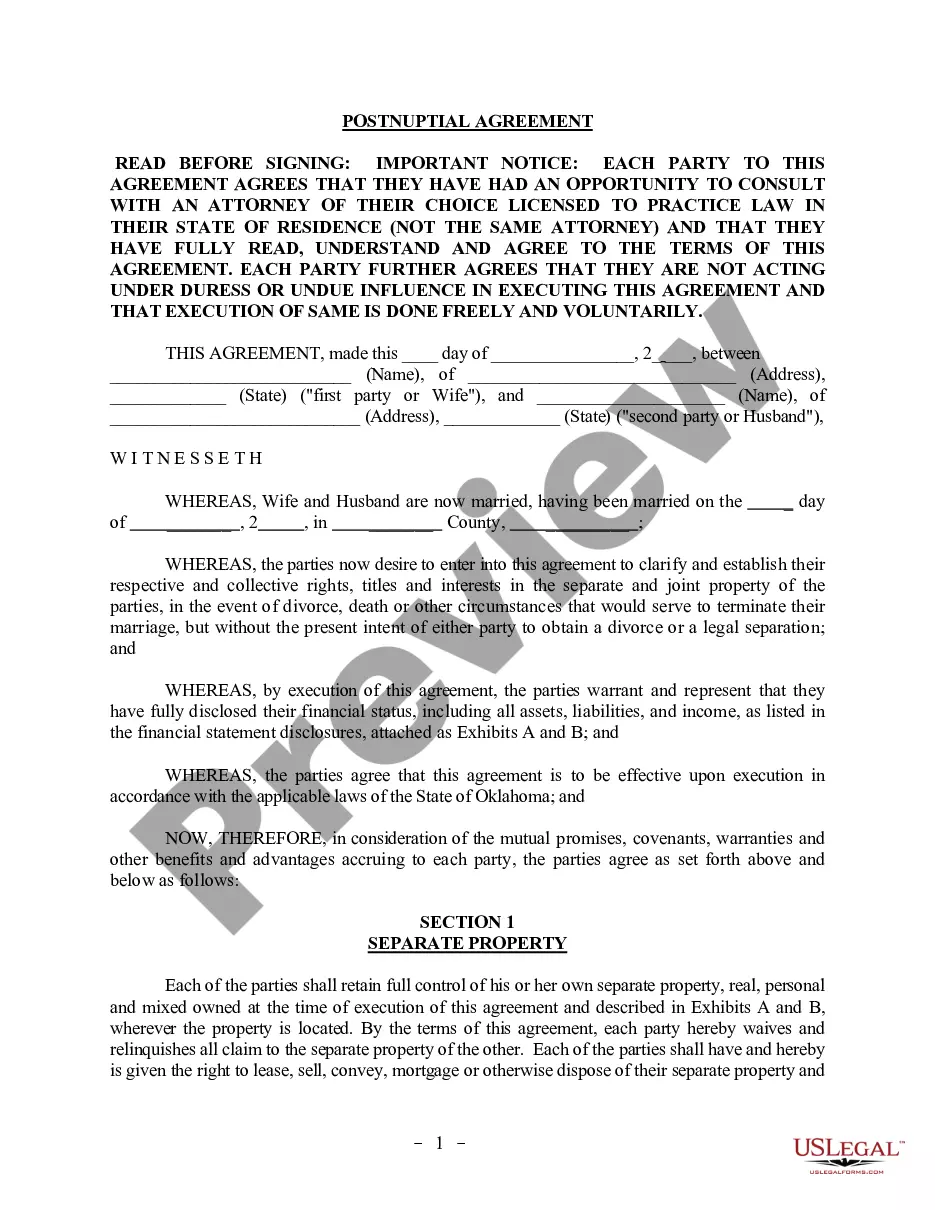

Form popularity
FAQ
Nope. The only way your wife can get Irish citizenship is if you both move to Ireland (she'll need to come on spouse visa) and live here for 3 years, and then apply for naturalisation.
We process applications for Foreign Births Registration otherwise known as Citizenship by Descent. This can be a complex process that may require you to submit official documentation relating to three generations which may have been issued by several jurisdictions.
You must be married to – or in a civil partnership with – an Irish citizen for three years or more. The marriage or civil relationship must be genuine and enduring. You must be living with your spouse or civil partner on the date you apply for citizenship and on the date you are granted citizenship.
If you are born abroad, you are entitled to Irish citizenship if your parent was born in Ireland. If your grandparents were born in Ireland, you may also be able to claim citizenship through the Foreign Births Register.
What documents do I need? Identity verification form. Your full civil birth certificate. Your civil marriage or civil partnership certificate (if you have changed your surname) Proof of address. Proof of name. Copy of your Public Services Card or original government issued photo identification document.
Requirements for Irish Citizenship by Descent To be related to an Irish citizen or somebody who is entitled to be an Irish citizen, by blood or adoption. Demonstrate that you have a period of residence in Ireland of at least 3 years to show you have a genuine connection to the country.
You do not have an automatic right to live in Ireland after your marriage or civil partnership. We will only grant permission when you show us evidence of a valid and committed relationship. You must also show that you are genuinely living together.
Having just one grandparent born anywhere in Ireland qualifies you for Irish citizenship. Get proof of your grandparent's birth in Ireland, and then contact the Irish embassy in the country in which you live to apply for an Irish passport.
All that is required is a copy of your official birth certificate, you Irish born parents certificate, and a copy of your parents civil marriage certificate if applicable. As my parents were never married I was required to provide a statement to the fact they were not married.
You can apply if you are married to or a civil partner of an Irish citizen and: You have lived in Ireland legally for 3 out of the 5 years before the day of your application. You have resided in Ireland legally for the 12 month period before your application. You have been married and living together for 3 years.
