Alimony Calculator For Ohio In Washington
Description

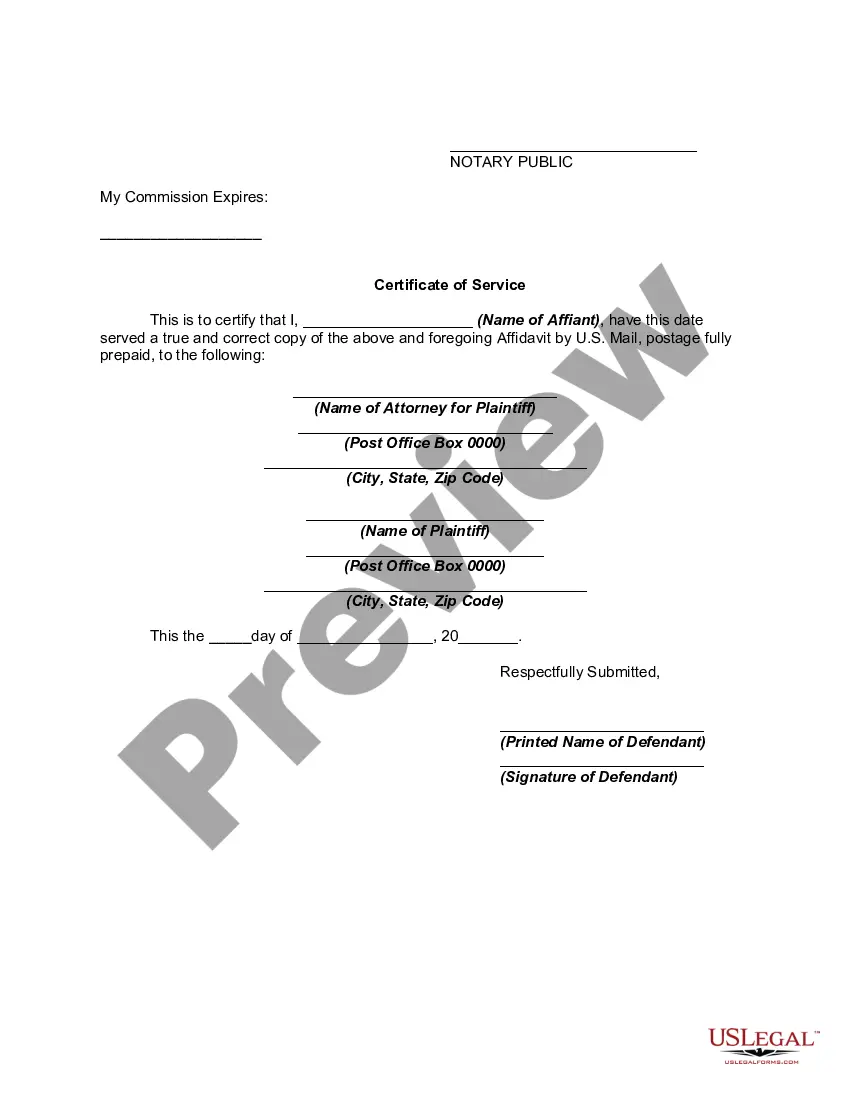




Get your form ready online
Our built-in tools help you complete, sign, share, and store your documents in one place.
Make edits, fill in missing information, and update formatting in US Legal Forms—just like you would in MS Word.
Download a copy, print it, send it by email, or mail it via USPS—whatever works best for your next step.
Sign and collect signatures with our SignNow integration. Send to multiple recipients, set reminders, and more. Go Premium to unlock E-Sign.
If this form requires notarization, complete it online through a secure video call—no need to meet a notary in person or wait for an appointment.
We protect your documents and personal data by following strict security and privacy standards.

Make edits, fill in missing information, and update formatting in US Legal Forms—just like you would in MS Word.

Download a copy, print it, send it by email, or mail it via USPS—whatever works best for your next step.

Sign and collect signatures with our SignNow integration. Send to multiple recipients, set reminders, and more. Go Premium to unlock E-Sign.

If this form requires notarization, complete it online through a secure video call—no need to meet a notary in person or wait for an appointment.

We protect your documents and personal data by following strict security and privacy standards.
Looking for another form?






Form popularity
FAQ
In Ohio, courts award alimony, or spousal support payments, to one spouse at the end of the divorce process. Either spouse may request alimony. Alimony is not automatic or guaranteed to either spouse.
Understanding Different Alimony Types in Ohio Spousal support is not automatic in Ohio. A judge will decide if your situation qualifies for financial support. Judges may order temporary or permanent support.
There is no specific formula in Ohio for calculating temporary support awards. The court must use its discretion, taking into account each spouse's earning capacity and other resources while the divorce is pending. The court should strive to maintain the financial status quo despite title or ownership.
All states have alimony. Every state in the United States has its own alimony laws, so they're all a little different. Some states have more comprehensive alimony laws than others. Every state allows for some form of alimony, like rehabilitative alimony.
40% of the high earner's net monthly income minus 50% of the low earner's net monthly income. For instance, if Spouse A earns $5,000 per month and Spouse B earns $2,500 per month, temporary spousal support might be calculated as follows: 40% of $5,000 = $2,000. 50% of $2,500 = $1,250.
As a general rule of thumb, courts in Washington State award one year of alimony for every three or four years of marriage. There is no statute or case law explicitly stating this formula, but it is an oft mentioned rule and generally what courts can be expected to do.
