Motion To Strike Form For Motion In Tarrant
Description

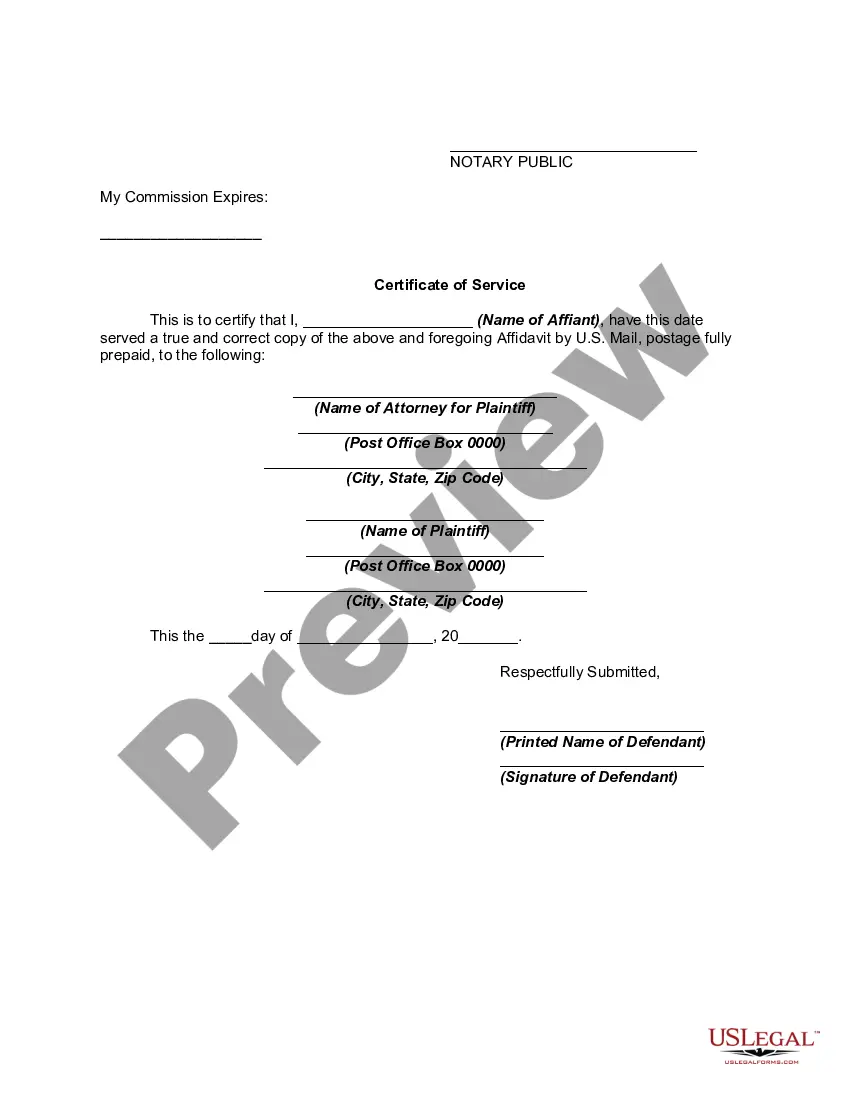




Get your form ready online
Our built-in tools help you complete, sign, share, and store your documents in one place.
Make edits, fill in missing information, and update formatting in US Legal Forms—just like you would in MS Word.
Download a copy, print it, send it by email, or mail it via USPS—whatever works best for your next step.
Sign and collect signatures with our SignNow integration. Send to multiple recipients, set reminders, and more. Go Premium to unlock E-Sign.
If this form requires notarization, complete it online through a secure video call—no need to meet a notary in person or wait for an appointment.
We protect your documents and personal data by following strict security and privacy standards.

Make edits, fill in missing information, and update formatting in US Legal Forms—just like you would in MS Word.

Download a copy, print it, send it by email, or mail it via USPS—whatever works best for your next step.

Sign and collect signatures with our SignNow integration. Send to multiple recipients, set reminders, and more. Go Premium to unlock E-Sign.

If this form requires notarization, complete it online through a secure video call—no need to meet a notary in person or wait for an appointment.

We protect your documents and personal data by following strict security and privacy standards.
Looking for another form?



Form popularity
FAQ
A motion to strike must be made before a responsive pleading, if a responsive pleading is permitted. If no responsive pleading is permitted, a motion to strike must be made within 21 days after being served with the pleading.
A response and brief to an opposed motion must be filed within 21 days from the date the motion is filed. Time for Reply Briefs. Unless otherwise directed by the presiding judge, a party who has filed an opposed motion may file a reply brief within 14 days from the date the response is filed. No Oral Argument.
If you want to file a motion, the process is generally something like this: You write your motion. You file your motion with the court clerk. The court clerk inserts the date and time your motion will be heard by the judge. You “serve” (mail) your motion to the other side.
All documents you want to file with the court must be filed with the District Clerk's Office through e-filing, in person, fax, or by mail. Contact the District Clerk's office with any questions at (817) 884-1574 or dclerk@tarrantcounty.
Most Tarrant County precincts allow you to file your small claims lawsuit through the following methods: In-person. You can go to the court you wish to file your small claims lawsuit and file the forms with a court clerk in person. Online. Some Tarrant County precincts allow e-filing or electronic filing. By mail.
If you have been a victim of a criminal offense, you should contact the nearest local law enforcement agency to conduct the investigation and file the appropriate criminal charges through the District Attorney's Office.
Small Claims Case The claim can be for no more than $20,000, excluding statutory interest and court costs but including attorney fees, if any.
If you see a potential for a motion to dismiss, this is an opportunity to inform the client how much legal expertise is necessary for such a filing. In other words, they will be facing a daunting challenge trying to represent themselves and will likely need an attorney more than ever.
If you want to file a motion, the process is generally something like this: You write your motion. You file your motion with the court clerk. The court clerk inserts the date and time your motion will be heard by the judge. You “serve” (mail) your motion to the other side.
If you want to file a motion, the process is generally something like this: You write your motion. You file your motion with the court clerk. The court clerk inserts the date and time your motion will be heard by the judge. You “serve” (mail) your motion to the other side.
