Motion To Strike Form For Motion In San Bernardino
Description

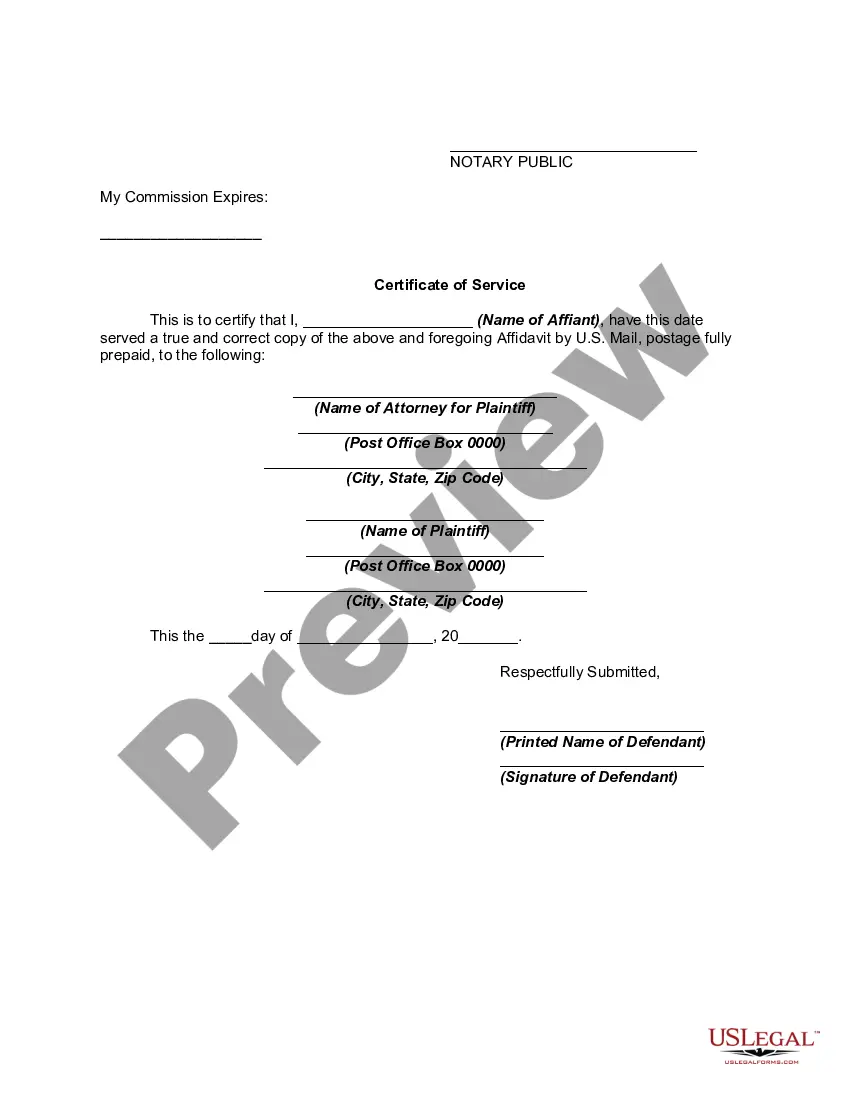




Get your form ready online
Our built-in tools help you complete, sign, share, and store your documents in one place.
Make edits, fill in missing information, and update formatting in US Legal Forms—just like you would in MS Word.
Download a copy, print it, send it by email, or mail it via USPS—whatever works best for your next step.
Sign and collect signatures with our SignNow integration. Send to multiple recipients, set reminders, and more. Go Premium to unlock E-Sign.
If this form requires notarization, complete it online through a secure video call—no need to meet a notary in person or wait for an appointment.
We protect your documents and personal data by following strict security and privacy standards.

Make edits, fill in missing information, and update formatting in US Legal Forms—just like you would in MS Word.

Download a copy, print it, send it by email, or mail it via USPS—whatever works best for your next step.

Sign and collect signatures with our SignNow integration. Send to multiple recipients, set reminders, and more. Go Premium to unlock E-Sign.

If this form requires notarization, complete it online through a secure video call—no need to meet a notary in person or wait for an appointment.

We protect your documents and personal data by following strict security and privacy standards.
Looking for another form?
Form popularity
FAQ
Grounds for a motion to strike include the following: The pleading is false; that is, untrue. The pleading is filed without the required leave of court. The form of pleading is in violation of a court order. The pleading is filed late. The pleading is barred by the statute of limitations. The pleading must be verified.
Grounds for a motion to strike include the following: The pleading is false; that is, untrue. The pleading is filed without the required leave of court. The form of pleading is in violation of a court order. The pleading is filed late. The pleading is barred by the statute of limitations. The pleading must be verified.
What happens with one "strike" prior? A defendant who is convicted of any new felony who has one "strike" prior (known as a second striker) must go to prison (i.e., cannot be sent to a rehab facility or placed on probation) for twice the sentence otherwise prescribed for the new offense.
C.C.P. § 436 allows for a motion to strike “any irrelevant, false, or improper matter asserted in any pleading” or portion of a pleading “not drawn of filed in conformity with the laws of this state.” A motion to strike is proper “when a substantive defect is clear from the face of a complaint.” (PH II, Inc.
As with all motions, a motion to strike must state with particularity the grounds for seeking the order to strike, as well as the relief sought. FRCP 7(b); Smart Code®. Under FRCP 12(f), the court may strike from a pleading an insufficient defense or any redundant, immaterial, impertinent, or scandalous matter.
If you want to file a motion, the process is generally something like this: You write your motion. You file your motion with the court clerk. The court clerk inserts the date and time your motion will be heard by the judge. You “serve” (mail) your motion to the other side.
The Federal Rules of Civil Procedure states that "The court may strike from a pleading an insufficient defense or any redundant, immaterial, impertinent, or scandalous matter." Similarly, for example, the California Code of Civil Procedure provides that a motion to strike may be made to strike out any "irrelevant, ...
General format - each motion generally consists of a case caption, a title that briefly identifies the relief sought, a series of numbered paragraphs that explains -- in a logical way -- why you are entitled to that relief, a prayer for relief, a signature block, a certification that a copy of the motion was sent to ...
Steps Check if the court has blank motion forms. Some courts have "check the boxes" or "fill in the blank" motion forms. Create your caption. Title your motion. Draft the introductory paragraph to the body of the motion. Request relief. Lay out the applicable facts. Make your legal argument. Insert a signature block.