Spousal Support For Social Security In Salt Lake
Description

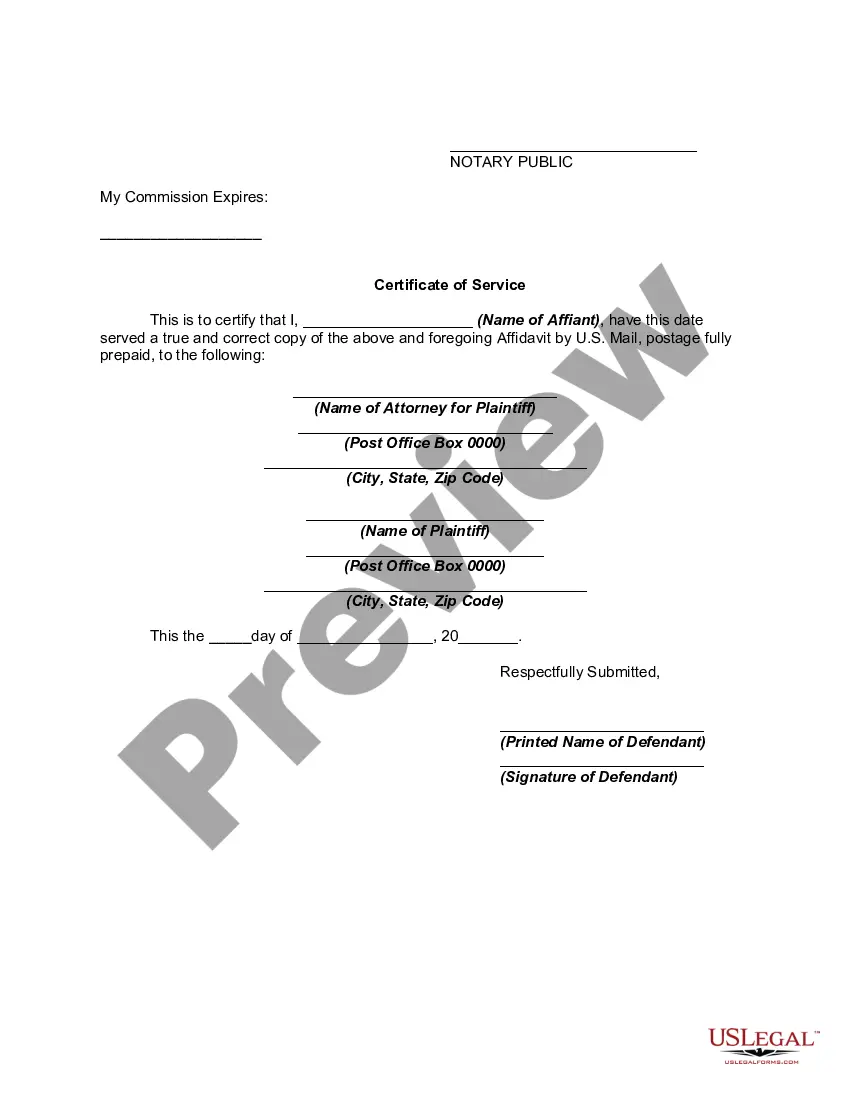




Get your form ready online
Our built-in tools help you complete, sign, share, and store your documents in one place.
Make edits, fill in missing information, and update formatting in US Legal Forms—just like you would in MS Word.
Download a copy, print it, send it by email, or mail it via USPS—whatever works best for your next step.
Sign and collect signatures with our SignNow integration. Send to multiple recipients, set reminders, and more. Go Premium to unlock E-Sign.
If this form requires notarization, complete it online through a secure video call—no need to meet a notary in person or wait for an appointment.
We protect your documents and personal data by following strict security and privacy standards.

Make edits, fill in missing information, and update formatting in US Legal Forms—just like you would in MS Word.

Download a copy, print it, send it by email, or mail it via USPS—whatever works best for your next step.

Sign and collect signatures with our SignNow integration. Send to multiple recipients, set reminders, and more. Go Premium to unlock E-Sign.

If this form requires notarization, complete it online through a secure video call—no need to meet a notary in person or wait for an appointment.

We protect your documents and personal data by following strict security and privacy standards.
Looking for another form?

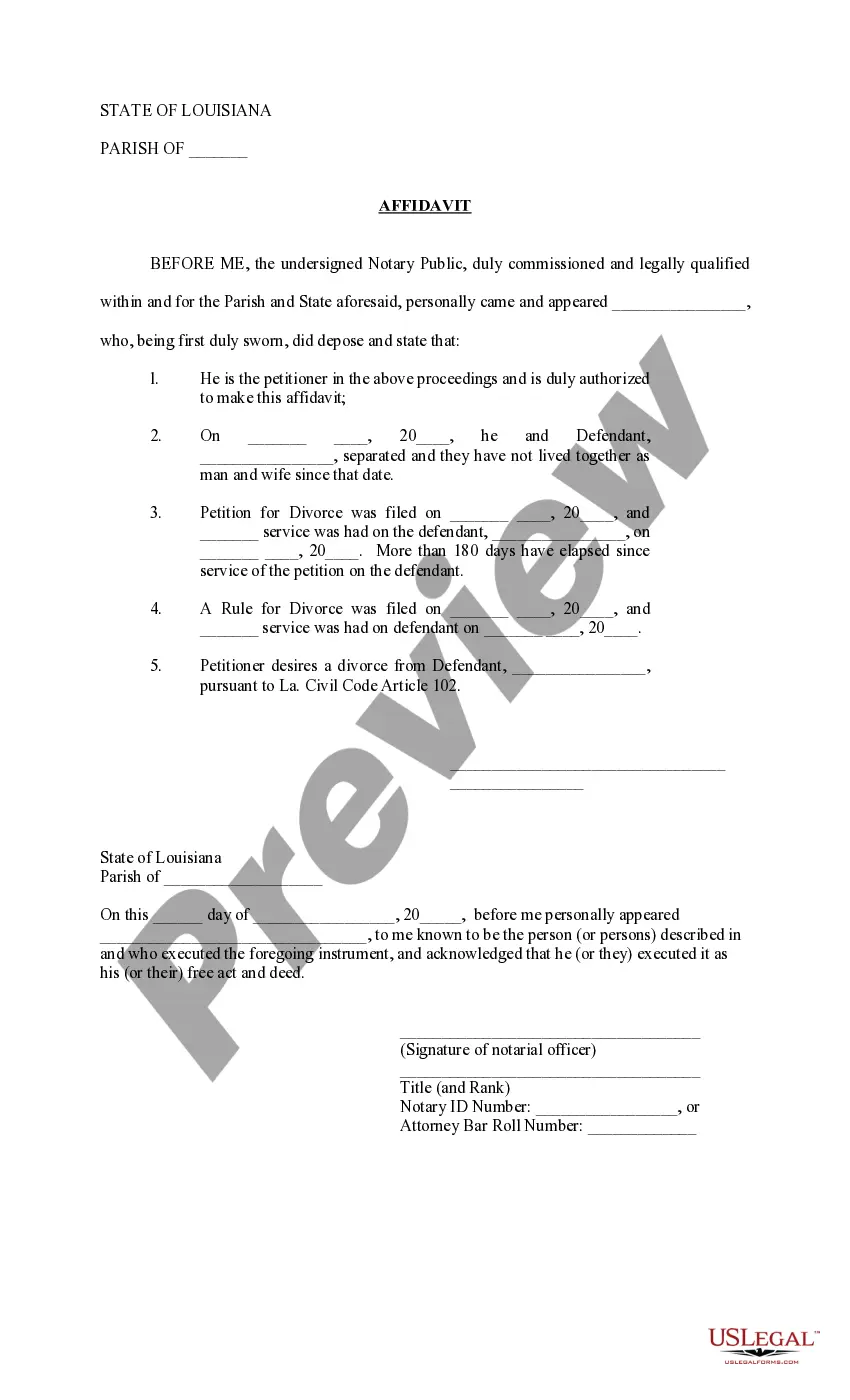
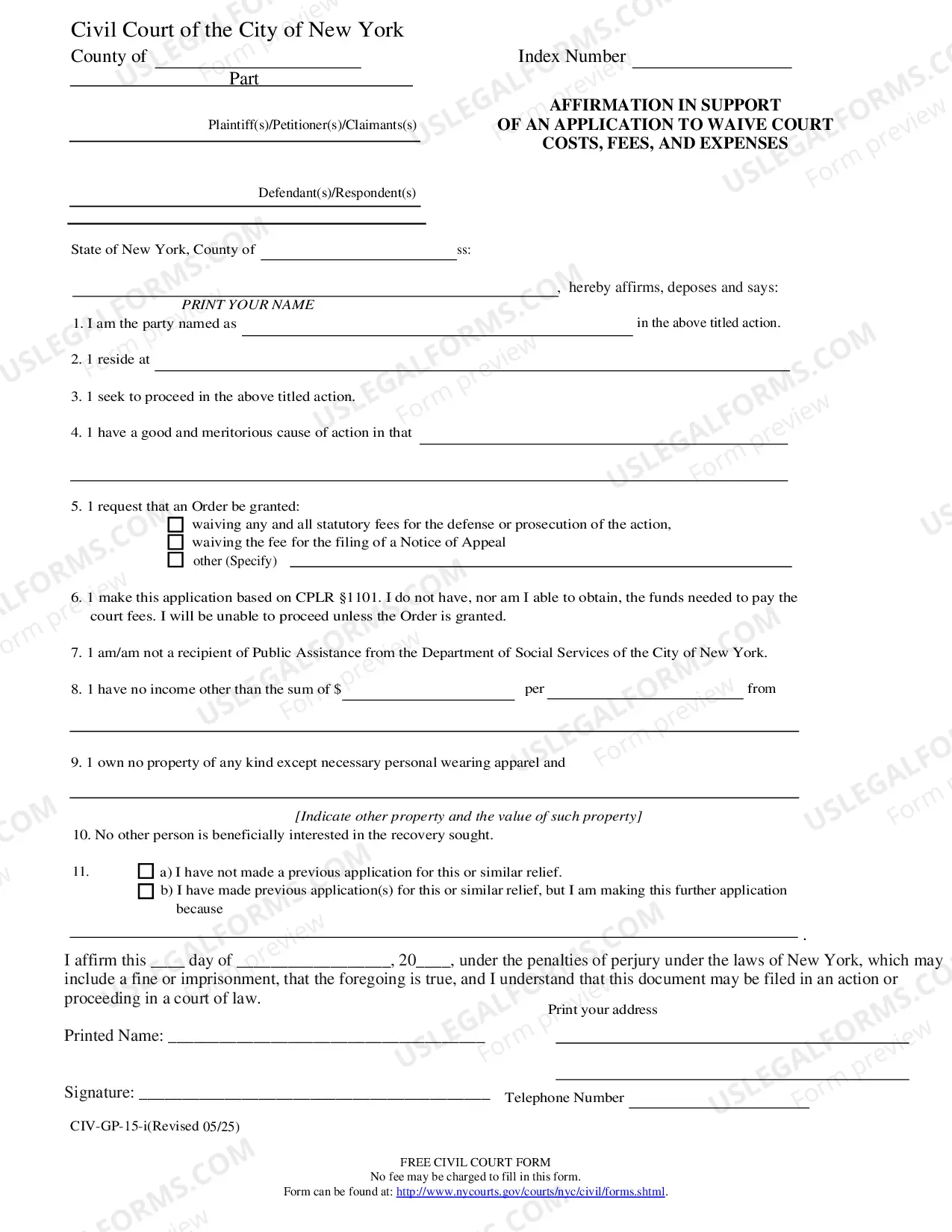


Form popularity
FAQ
Last Updated: April 18, 2025 If you don't have enough Social Security credits to get benefits on your own work record or your own benefit is small, you may be able to receive benefits as a spouse. Your spouse must be receiving benefits for you to get benefits on their work record.
The court considers the following factors when deciding whether to award alimony: The standard of living during the marriage. This includes income, value of real and personal property, and any other factor that the court thinks is important for understanding how the parties lived during their marriage.
So, the takeaway here is that the court has the discretion to determine what a short-term marriage is and whether to grant alimony, but the cut-off is somewhere around 5-8 years or so. Our experience is that a spouse in a marriage lasting less than five years will not typically be granted alimony at trial.
How Much Alimony Does a Wife Get in Utah? In Utah, the maximum alimony award a recipient spouse can receive is the amount of their “demonstrated need.” Alimony is usually around 40% of the paying party's income.
Alimony is gender-neutral in Utah, meaning either spouse can request support during the divorce process. When considering a request for alimony, the judge will evaluate the following factors to determine the type, amount, and duration of support: the financial condition and needs of the supported spouse.
The spousal benefit can be as much as half of the worker's "primary insurance amount," depending on the spouse's age at retirement. If the spouse begins receiving benefits before "normal (or full) retirement age," the spouse will receive a reduced benefit.
No. Social Security Retirement Benefits are non-marital assets in a divorce case. Under the federal law social security benefits are not divided during a divorce.
Your spouse must be receiving benefits for you to get benefits on their work record. If your spouse does not receive retirement or disability, you'll have to wait to apply on your spouse's record. In addition, to be eligible for spouse's benefits, you must be one of the following: 62 years of age or older.
When a worker files for retirement benefits, the worker's spouse may be eligible for a benefit based on the worker's earnings. Another requirement is that the spouse must be at least age 62 or have a qualifying child in her/his care.
You're eligible for up to 50% of a benefit based on your spouse's work record. However, you can't receive both your personal benefit and a spousal benefit. You will receive the higher of the two.